

2016-2017 Audi A4, A5 & Allroad ECM Failure: A Guide to Programming, Symptoms, and Replacement
This guide covers the critical details of diagnosing, replacing, and programming the Engine Control Module (ECM) for the 2016 Audi A4, 2016-2017 Audi A5, and 2016 Audi Allroad with the 2.0L 'CPMB' engine.
- A replacement ECM (new or used) MUST be programmed by an Audi dealer or a specialist with online access due to Component Protection; the car will not start otherwise.
- Before replacing the ECM, have a dealer check for any available software updates, as some performance issues can be fixed with a simple reflash.
- When buying a used ECM, you must exactly match the OEM part number, which is typically 8K5907115Q for these models.
- Symptoms of failure include a no-start condition, random stalling, poor performance, and multiple unrelated dashboard warnings.
Critical: Programming and Immobilizer Requirements

Replacing the ECM in these Audi models is not a simple plug-and-play task. Due to Audi's anti-theft system, known as Component Protection, a replacement ECM (whether brand new or used) must be electronically matched to your specific vehicle.
Warning: If you install a replacement ECM without proper programming, the vehicle will not start. The immobilizer system will prevent the engine from running, and various other electronic systems may not function correctly.
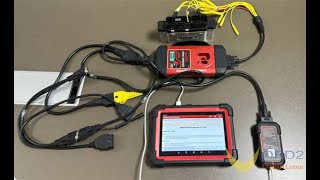
This programming process involves removing the Component Protection lock from the replacement module and adapting it to your car's unique VIN. This procedure can only be performed by:
- An authorized Audi dealership.
- A qualified independent repair shop that subscribes to Audi's online diagnostic system (ODIS) and has GeKo (Security and Component Protection) access.
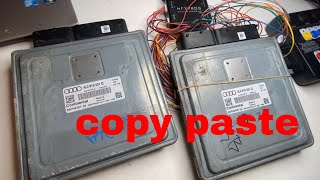
A standard mechanic or a local locksmith will not have the necessary tools or online authorization to perform this task. Some specialized mail-in services offer to clone the data from your original ECM to a replacement unit, which can be a viable plug-and-play solution if your original module is still readable.
Symptoms of a Failing ECM

A failing ECM can cause a wide range of confusing symptoms that may seem unrelated. Because the ECM controls so many aspects of the engine, its failure can mimic other problems.
- Check Engine Light: An illuminated Check Engine Light is common, often with codes pointing to internal module failure.
- Crank, No Start: The engine will turn over but will not fire up and run. This can happen if the ECM is not signaling the fuel injectors or ignition coils to operate.
- Random Stalling: The engine may shut off unexpectedly while driving, sometimes restarting after it cools down.
- Poor Engine Performance: You may experience a noticeable loss of power, hesitation during acceleration, rough idling, or engine misfires.
- Multiple Unrelated Warning Lights: A failing ECM can cause communication errors across the vehicle's network, leading to multiple, seemingly random warning lights on the dashboard.
- No Communication with Scan Tool: If a diagnostic scan tool cannot communicate with the ECM 🎬 Watch: Troubleshooting an Audi that won't crank or communicate., it's a strong sign that the module itself has failed.
Common Diagnostic Trouble Codes (DTCs)
While many codes can be associated with an ECM issue, codes that point specifically to an internal processor or memory fault are a strong indication of failure. Look for codes such as:
- P0601: Internal Control Module Memory Check Sum Error
- P0606: ECM/PCM Processor Fault
- P1610: ECU Defective
- P1612: Electronic Control Module Incorrect Coding
Known Issues, TSBs, and Recalls
While there are no major recalls specifically for ECM failure on the 2016-2017 A4, A5, and Allroad, Audi has issued Technical Service Bulletins (TSBs) for related software issues. For example, TSBs have been released to update ECM software to correct false Check Engine Lights for issues like evaporative emissions (DTC P046100) or O2 sensor performance (DTCs P013A00/P013B00). This highlights the importance of checking for software updates at a dealership before condemning the ECM hardware.
Buying a Used Engine Control Module

Given that new OEM modules can be expensive or unavailable, a used ECM is a cost-effective option. However, you must be careful to ensure compatibility.
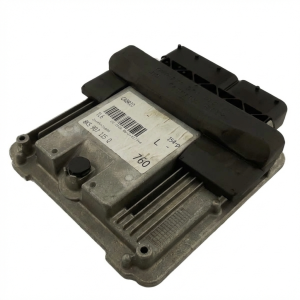
- Match the Part Number EXACTLY: The most critical step is to match the OEM part number on your original ECM. For these vehicles, the primary part number is 8K5907115Q. Other numbers may exist, but you must verify an exact match. The part number is printed on a label on the ECM's case.
- Inspect for Damage: Physically inspect the used module. Look for any signs of water intrusion, corrosion on the pins, or physical damage to the case or connectors. Do not buy a module that has been opened or appears tampered with.
- Source from a Reputable Seller: Purchase from a seller who offers a warranty and a return policy. This protects you in case the module is dead on arrival or cannot be programmed.
- Budget for Programming: Remember that the cost of the used part is only one part of the equation. You MUST budget for professional programming, which can cost several hundred dollars.
Replacement Overview
The ECM is located in the engine bay, typically inside a black plastic box (the plenum box) under the windshield cowl on the driver's side. Replacement requires removing the windshield wipers and the plastic cowl to access the box. The ECM itself is often secured with security bolts that can be difficult to remove without special tools.
🎬 Watch this walkthrough of the physical ECM removal process.Due to the location and the absolute requirement for post-installation programming, this job is not recommended for a typical DIY mechanic. The physical replacement is moderately difficult, but the electronic programming makes it a job for professionals.
Pro Tip: Before replacing the ECM, ensure all power and ground connections to the module are clean and secure. Also, check the related fuses and relays. A simple electrical issue can sometimes mimic a complete ECM failure.
Cost Breakdown
The cost to replace the ECM can vary significantly based on the source of the part and the labor/programming rates in your area.
| Item | Estimated Cost |
|---|---|
| New OEM Part | $1,000 - $1,200+ (if available) |
| Used OEM Part | $150 - $400 |
| Remanufactured / Repair Service | $250 - $800 |
| Shop Labor (Physical Replacement) | $150 - $300 |
| Shop Labor (Programming) | $200 - $600 |
Frequently Asked Questions (FAQ)
Can I drive my car with a bad ECM?
It is not recommended. If the ECM is failing, the vehicle is unreliable. It may not start, or it could stall while driving, which is a significant safety risk. Driving with a malfunctioning ECM can also potentially cause damage to other components, like the catalytic converter.
Do I have to go to the Audi dealer for programming?
Not necessarily, but it's the safest bet. A well-equipped independent European auto specialist with the official Audi ODIS diagnostic tool and an active GeKo subscription can also perform the programming. Always confirm with the shop beforehand that they can specifically handle 'Component Protection' for a used ECM.
Will a used ECM work in my car?
Yes, a used ECM will work IF it is the correct part number for your vehicle and it is properly programmed to your car by a qualified technician. It will not work if you simply install it without programming.
What is the 'CPMB' engine?
CPMB is the engine code for the 2.0L TFSI (Turbocharged Fuel Stratified Injection) engine used in these models. It produces 220 horsepower. This ECM is specific to vehicles with this engine code.
Helpful Videos

Technical Specifications
OEM Part Numbers: 8K5907115Q
Fits vehicles with the 2.0L Turbo engine, engine code 'CPMB'.
We Have This Part in Stock




The information in this article is provided for general reference and educational purposes only. Vehicle specifications, procedures, and part compatibility can vary by production date, trim level, and region. Always consult your vehicle's factory service manual and verify part numbers before purchasing or performing repairs. Safety-critical components such as airbags, seat belts, and braking systems should be installed by a qualified professional.
- Audi A4:
- Audi A5:
- Audi allroad:
- 🎬 Helpful Videos
- 🛍️ Shop This Part
- Critical: Programming and Immobilizer Requirements
- Symptoms of a Failing ECM
- Common Diagnostic Trouble Codes (DTCs)
- Known Issues, TSBs, and Recalls
- Buying a Used Engine Control Module
- Replacement Overview
- Cost Breakdown
- Frequently Asked Questions (FAQ)
- 🎟️ Get 5% Off