

2020-2025 Sonata & 2021-2024 K5 Engine Control Module Bracket: 1.6L vs 2.5L Guide
This guide details the critical differences between the ECM brackets for the 1.6L and 2.5L engines in the Hyundai Sonata and Kia K5, ensuring you buy the correct part.
- The vehicle's engine size (1.6L or 2.5L) determines which ECM bracket you need; they are not interchangeable.
- Use part number 39109-2MDN0 for the 1.6L Turbo engine and 39190-2SDN0 for the 2.5L engines.
- Failure is physical (cracks, bends), causing rattling noises. A loose bracket can lead to secondary damage to the expensive ECM.
- Replacement is simple, requiring basic tools and no computer reprogramming, making it a great DIY task.
Part Numbers and Engine Compatibility: The Critical Difference
The most important factor when replacing the Engine Control Module (ECM) bracket on a 2020-2025 Hyundai Sonata or 2021-2024 Kia K5 is the vehicle's engine size. These models use two completely different brackets depending on the engine, and they are not interchangeable.
Warning: You must verify the correct part for your engine. Installing the wrong bracket will not work, as the mounting points for both the vehicle and the ECM will not align.
- 1.6L Turbo Engine: This engine uses part number 39109-2MDN0. This bracket is often described as a "PCU Bracket" and fits all 1.6L Turbo models of the Sonata (2020-2023) and K5 (2021-2024).
- 2.5L & 2.5L Turbo Engines: These engines use part number 39190-2SDN0. This bracket fits all 2.5L models of the Sonata (2020-2025) and K5 (2021-2024), including the naturally aspirated and turbo versions.
Symptoms of a Damaged or Loose ECM Bracket
Unlike an electronic part, an ECM bracket does not 'fail' electrically. Its failure is always physical, typically due to a collision, corrosion, or a mechanic forgetting to tighten the bolts after a service. Symptoms are straightforward:
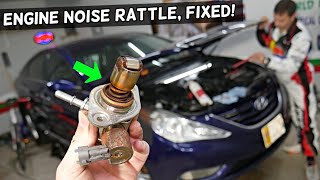
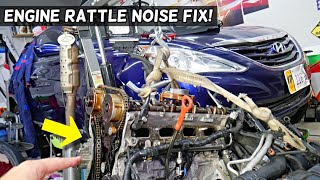
- Rattling or Clunking Noises: The most common symptom is a rattling or metallic clunking sound coming from the engine bay, usually on the driver's side. This is the sound of the unsecured ECM moving and hitting against the chassis or other components, especially when going over bumps 🎬 See how to diagnose and fix engine rattle noises or during hard acceleration.
- Visible Damage or Looseness: A visual inspection may reveal that the bracket is cracked, bent, or rusted through. You might be able to physically move the ECM by hand if the bracket's bolts are loose or missing.
- Secondary Electrical Problems: In severe cases, an extremely loose ECM can put stress on its large electrical connectors and wiring harness. This constant movement can lead to intermittent electrical faults, causing symptoms that mimic a bad ECM itself, such as a check engine light, random stalling, or poor engine performance.
Known Issues, TSBs, and Recalls
There are no recalls or Technical Service Bulletins (TSBs) issued by Hyundai or Kia specifically for the Engine Control Module bracket. This part is not considered a common failure item. Damage to the bracket is almost always the result of an external factor, such as front-end collision damage or improper service procedures.
Pro Tip: If you are replacing a damaged ECM bracket, carefully inspect the ECM itself and its wiring connectors for any signs of stress, cracking, or damage that may have occurred while it was loose.
Buying a Used Engine Control Module Bracket
Since this is a simple structural part, a used OEM bracket is an excellent, cost-effective option. Unlike complex electronics, a used bracket in good condition will perform identically to a new one. Here’s what to check:
- Verify the Part Number: This is the most crucial step. Match the part number from your original bracket to the used one. If you can't read your number, ensure the donor vehicle had the exact same engine (1.6L or 2.5L).
- Physical Inspection: Carefully inspect the used bracket for any signs of stress or damage. Look for hairline cracks, especially around the mounting holes and bends. Check that all mounting points are intact and not bent or broken off.
- Check for Corrosion: Look for heavy rust or corrosion that could weaken the metal. Surface rust is often acceptable, but avoid any bracket with deep, flaking rust that compromises its structural integrity.
- Why Used OEM is a Good Choice: A used original equipment bracket guarantees perfect fitment. Aftermarket versions of such specific parts are rare and may not have the same quality or precise dimensions, potentially leading to installation issues.
Cost of Replacement
The ECM bracket is an inexpensive part, but labor costs can vary. A new OEM bracket is often so affordable that it may be preferable to a used one, depending on availability.
| Part/Service | Estimated Cost |
|---|---|
| New OEM Bracket (1.6L - 39109-2MDN0) | $20 - $35 |
| New OEM Bracket (2.5L - 39190-2SDN0) | $25 - $40 (estimated, comparable to 1.6L part) |
| Used OEM Bracket | $20 - $45 |
| Shop Labor | $60 - $120 |
Installation Overview & Difficulty
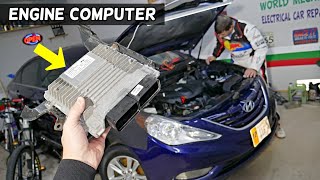
Replacing the ECM bracket is a straightforward process for a DIY mechanic with basic tools. The ECM is located in the engine bay on the driver's side, near the battery and air filter housing.
- Difficulty: 2 out of 5
- Estimated Time: 0.5 - 1 hour
- Tools Needed: Ratchet with extension, 10mm socket.
General Steps:
- Disconnect the Battery: Always disconnect the negative battery terminal before working on any electrical components.
- Access the ECM: You may need to remove a plastic engine cover for better access.
- Unplug the ECM: Release the locking tabs on the large electrical connectors and carefully unplug them from the ECM.
- Remove ECM from Bracket: Unbolt the ECM from the old bracket. Typically, these are a few 10mm nuts or bolts.
- Remove Old Bracket: Unbolt the bracket itself from the vehicle's chassis.
- Install New Bracket: Bolt the new bracket to the chassis, then mount the ECM onto the new bracket, and reconnect the electrical plugs. 🎬 Watch this video to see how to remove the computer Reconnect the battery when finished.
Pro Tip: No programming is required when replacing only the bracket. Since you are reusing your original ECM, the vehicle's computer systems are unaffected.
Frequently Asked Questions (FAQ)
Can I use a 1.6L ECM bracket on my 2.5L Sonata or K5?
No, the brackets are designed for different mounting points and will not fit. You must use the bracket specific to your engine size: 39109-2MDN0 for the 1.6L and 39190-2SDN0 for the 2.5L.
What happens if I don't replace a broken ECM bracket?
Driving with a broken or loose bracket exposes your expensive ECM to excessive vibration and shock, which can eventually cause the computer itself to fail. It can also damage the wiring harness, leading to a host of hard-to-diagnose electrical problems.
Where is the ECM bracket located on the Sonata and K5?
The ECM and its bracket are located in the engine compartment, on the driver's side (LH side) of the vehicle, typically near the battery and air filter box.
Do I need to reprogram my car's computer after replacing the bracket?
No. As long as you are only replacing the metal bracket and reinstalling your original ECM, no programming or software updates are needed.
Helpful Videos
Technical Specifications
OEM Part Numbers: 39109-2MDN0 (1.6L Engine) 39190-2SDN0 (2.5L Engine)
Material: Stamped Steel or Aluminum

The information in this article is provided for general reference and educational purposes only. Vehicle specifications, procedures, and part compatibility can vary by production date, trim level, and region. Always consult your vehicle's factory service manual and verify part numbers before purchasing or performing repairs. Safety-critical components such as airbags, seat belts, and braking systems should be installed by a qualified professional.
- Hyundai Sonata:
- Kia K5:
- 🎬 Helpful Videos
- Part Numbers and Engine Compatibility: The Critical Difference
- Symptoms of a Damaged or Loose ECM Bracket
- Known Issues, TSBs, and Recalls
- Buying a Used Engine Control Module Bracket
- Cost of Replacement
- Installation Overview & Difficulty
- Frequently Asked Questions (FAQ)
- 🎟️ Get 5% Off