

2023 Subaru Ascent 2.4L FA24F Turbo: Problems, Identification, and Used Replacement
Identify the 2.4L FA24F Boxer engine, understand its common oil leaks and carbon buildup failures, and learn when to swap it for a quality used OEM replacement.
- If the original engine failed internally, you must replace the oil cooler to prevent metal debris from destroying the replacement engine.
- After installation, mandatory electronic relearn procedures (CKP, CMP, Throttle Body) are required using a professional scan tool like the Subaru Select Monitor (SSM4) to prevent running issues and false misfire codes.
- Always transfer the original engine wiring harness to the replacement engine and proactively reseal the upper and lower oil pans with Subaru ThreeBond 1217H while the engine is out.
- Verify the donor engine is from a 2023 Subaru Ascent, as FA24F engines from other Subaru models are not interchangeable due to differences in wiring, mounting, and ECU calibrations.
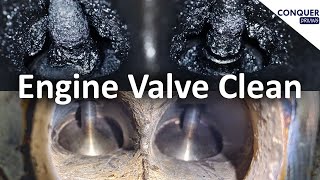
- Due to its direct-injection design, the FA24F is prone to carbon buildup on intake valves; it is highly recommended to perform a walnut blasting service on any used engine before installation.
Is This the Right Engine for Your Ascent?

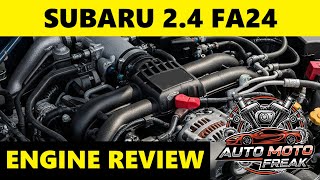
The 2023 Subaru Ascent is equipped with a specific engine known as the FA24F, sometimes referred to by its engineering code, FA24DIT. This is a 2.4-liter, horizontally-opposed four-cylinder engine, which Subaru markets as a "Boxer" engine. It features both a turbocharger for increased power and direct injection, where fuel is sprayed directly into the combustion chamber for improved efficiency. It is paired exclusively with the Lineartronic CVT automatic transmission.
How to Confirm Your Engine Code
Before purchasing a replacement engine, you must verify it's the correct one for your vehicle. Here’s how to confirm compatibility:
- Check the VIN: The 17-digit Vehicle Identification Number (VIN) holds key details. For this engine, the 6th digit of your VIN should be 'A'. The VIN is typically visible through the driver's side of the windshield or on the driver's side door jamb sticker.
- Vehicle Stickers: Look for a manufacturer's sticker on the driver's side B-pillar (the post between the front and rear doors) or on the strut tower in the engine bay. It should list the engine model as FA24F or FA24DIT.
- Engine Block Stamp: The most definitive check is the code stamped directly on the engine block. You can find "FA24" stamped on the top rear of the aluminum block, on the passenger side, near where the engine and transmission connect.
Fitment is Specific to the 2023 Ascent
While other Subaru models like the Outback XT, Legacy XT, and WRX also use an FA24F engine, they are not interchangeable with the one in the Ascent. This specific unit is designed only for the 2023 Subaru Ascent. Versions for other models have critical differences, including:
- Different engine wiring harness connections and pinouts
- Unique mounting brackets for accessories like the alternator and A/C compressor
- Varying oil pan designs
- Distinct Engine Control Unit (ECU) software calibrations
Warning: Installing an FA24F engine from a different Subaru model will lead to significant compatibility issues. Always ensure the donor engine comes from a 2023 Subaru Ascent.
🎬 Watch: What to know before buying a Subaru FA24 engineCommon Problems and Failure Symptoms

Severe engine trouble often reveals itself through clear symptoms. If you experience any of the following, it may indicate the need for a major repair or replacement:
- Loud Knocking or Banging: A rhythmic knocking sound that increases with engine speed often points to worn or damaged internal parts like rod bearings.
- Excessive Exhaust Smoke: Dark blue smoke indicates the engine is burning oil, while thick white smoke could mean coolant is leaking into the cylinders.
- Metal Shavings in Oil: Finding metallic particles during an oil change is a definitive sign of catastrophic internal engine failure.
- Flashing Check Engine Light: A blinking check engine light signals a severe issue, such as a major misfire, that requires you to stop driving immediately to prevent further damage.
- Poor Performance and Stalling: A sudden loss of power, rough running, or an engine that stalls frequently can be signs of a serious problem.
Known Issues, Recalls, and Technical Service Bulletins (TSBs)
Several documented issues apply to the FA24F engine family. When purchasing a used engine, verify if these services have been performed.
| Issue / TSB / Recall | Description | Remedy |
|---|---|---|
| NHTSA Recall 23V647000 (Subaru WRN-23) | Driveshaft Center Support Bolts can loosen, potentially causing the driveshaft to disconnect and increasing crash risk. | Dealers clean mounting surfaces and install new bolts to the correct torque, free of charge. |
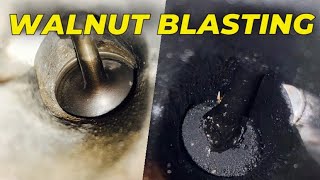
| TSB 02-193-24R | Carbon buildup on intake valves due to direct injection causes rough idle, misfires (DTCs P0300-P0304), and reduced power. | A specialized walnut-blasting procedure to clean the valves. 🎬 See: How walnut blasting cleans dirty intake valves Recommended before installing a used engine. |
| TSB 02-190-22R | A faulty O-ring on the oil level switch fails, causing oil to wick into the main engine and transmission wiring harnesses, leading to catastrophic electrical damage. | Replacement of the O-ring. May require replacement of engine harness, transmission harness, and ECM if damage has occurred. |
| TSB 09-114-23R | The EVAP system's purge valve sticks open, triggering a check engine light for code P04AE. | A simple software update for the Engine Control Module (ECM) to change its diagnostic logic. |
| TSB 02-136-12R | Factory sealant on the upper and lower oil pans fails, causing oil leaks. | Remove pans, clean surfaces, and reapply a high-quality liquid sealant like Subaru ThreeBond 1217H. Best done when the engine is out. |
| Recall WRD-20 | PCV Valve Separation and Low-Pressure Fuel Pump Failure. | 🎬 Watch: Deep dive into FA24 reliability and common failuresVerify if the PCV valve has been replaced to prevent debris from entering the engine and if the low-pressure fuel pump was replaced under the recall. |
Diagnostic Flowchart
What Fails at Every Mileage Band
Pro Tip: The mileage bands below describe used replacement units of that mileage. The checklists are things to do WHILE INSTALLING the purchased engine, not maintenance for your current engine.
Under 60,000 Miles
Even low-mileage engines can have issues. Oil pan seepage due to faulty factory RTV sealant application is commonly reported. The faulty O-ring on the oil level switch (TSB 02-190-22R) can fail early, causing oil to wick into the wiring harnesses. Some early models experienced turbocharger oil leaks, cracked exhaust manifolds, and premature battery failure. Higher than normal oil consumption can occur during the break-in period but should stabilize.
- ✓Do during install (required): Reseal the upper and lower oil pans proactively with high-quality RTV sealant (Subaru ThreeBond 1217H) while the engine is out.
- ✓Do during install (recommended): Install a new set of OEM NGK Laser Iridium spark plugs. The service interval is 60,000 miles, making this a crucial preventative step. Inspect the PCV valve.
- ✓Cheap insurance while the engine is out: Install an Air/Oil Separator (AOS). This is a highly recommended modification that separates oil vapors from the intake air to mitigate future carbon buildup.
60,000 - 100,000 Miles
In this range, carbon buildup on the intake valves becomes much more prevalent, causing rough idling and hesitation. Oil pan leaks continue to be reported. The catastrophic oil level switch O-ring failure remains a significant threat to the wiring harness and ECM. Some owners also report issues with the CVT transmission, often addressed with software updates or fluid changes.
- ✓Do during install (required): Mandatory intake valve cleaning. It is critical to perform a walnut blasting service to clean carbon deposits from the intake ports and valves before installation.
- ✓Do during install (recommended): Replace all gaskets and seals, including the rear main seal, valve cover gaskets, intake and exhaust manifold gaskets, and all turbocharger-related gaskets and copper crush washers.
- ✓Cheap insurance while the engine is out: Service the cooling system by replacing the water pump and thermostat. Change the CVT fluid (recommended every 30,000-60,000 miles).
100,000 - 150,000 Miles
Turbocharger failure becomes a possibility as it is a wear item. Carbon buildup can become severe if not previously addressed, leading to noticeable performance degradation. Oil consumption may increase due to wear on piston rings and valve seals. Suspension components like struts on the donor vehicle may have also required replacement.
- ✓Do during install (required): Replace the oil cooler. If the original engine failed, it is absolutely mandatory to replace the oil cooler to prevent metal debris from contaminating and destroying the replacement engine.
- ✓Do during install (recommended): Thoroughly inspect the turbocharger for shaft play and check the condition of oil feed and return lines. Replace fuel injectors to ensure proper fueling.
- ✓Cheap insurance while the engine is out: Replace the timing chains and guides. While designed for the life of the engine, replacing them during a swap is cheap insurance against future failure.
Over 150,000 Miles
General engine wear is the primary concern. Components like the turbocharger, timing chains, and various sensors are highly likely to fail. Increased oil consumption is common due to worn piston rings and valve stem seals. Cooling system components like the radiator and hoses are at a higher risk of failure.
- ✓Do during install (required): Mandatory turbocharger replacement. Do not reuse a turbocharger with over 150,000 miles. Perform a full system flush of the cooling system, oil cooler lines, and intercooler.
- ✓Do during install (recommended): Assume a full rebuild/refresh. Treat the used engine as a core and replace all seals, gaskets, timing components, water pump, and oil pump.
- ✓Cheap insurance while the engine is out: Replace all wear items, including the alternator, starter, all belts, hoses, and sensors that are difficult to access once the engine is installed.
Real Owner Experiences
Here is a summary of real-world issues and costs reported by Subaru Ascent owners:
| Source | Mileage | What Happened | Cost |
|---|---|---|---|
| Reddit r/SubaruAscent | 5,000 miles | A turbo gasket oil leak occurred, which was fixed by the dealer under warranty. | $0 (Warranty) |
| Reddit r/SubaruAscent | 44,500 miles | Engine 'imploded' due to a rod bearing failure. Covered under powertrain warranty. | $0 (Warranty) |
| Reddit r/SubaruAscent | 46,000 miles | The vehicle had a cracked exhaust manifold. | Not specified |
| Reddit r/SubaruAscent | 55,000 miles | Dealer repaired three separate oil leaks under warranty. | $0 (Warranty) |
| Reddit r/SubaruAscent | 62,500 miles | A failed oil level switch O-ring caused oil to leak into and destroy the engine harness, transmission harness, and ECM. Initial repair quote was $22,000. | $7,000 (After negotiation) |
| Reddit r/SubaruAscent | 66,000 miles | Catastrophic damage from a failed O-ring seal, requiring engine removal for resealing and alternator replacement. | More than half of the total repair cost |
| Reddit r/subaru | 70,000 miles | Owner suspected significant carbon buildup on intake valves, causing performance concerns. | Not specified |
| Reddit r/SubaruAscent | 90,000 miles | Experienced an oil pan leak. | Not specified |
| Reddit r/whatcarshouldIbuy | Almost 100,000 miles | Faced with a rod knock failure, the owner was quoted $9,500 for a replacement engine. | Undecided |
| Reddit r/SubaruAscent | 110,000 miles | Owner of a 2020 model reported no issues with only regular maintenance performed. | N/A |
| Reddit r/SubaruAscent | 145,000 miles | Required replacement of front struts, brakes, and tires. The engine and transmission were reported as solid. | Not specified |
| Reddit r/subaru | 273,252 miles | A 2019 Ascent was traded in at a dealership. The vehicle was noted to be in decent shape for its mileage. | N/A |
| Reddit r/SubaruAscent | 322,000 miles | A user reported their father's 2019 Ascent reached this mileage. | N/A |
| Reddit r/SubaruAscent | 350,000 miles | A post on a Facebook group mentioned a 2019 Touring model reached this mileage and was still running fine. | N/A |
Repair or Replace?
The Subaru FA24F engine is generally considered reliable, with an expected average lifespan of approximately 200,000 to 250,000 miles. With diligent maintenance, some owners have exceeded 300,000 miles. The most critical factor for longevity is using the correct 0W-20 synthetic oil, adhering to shorter 3,000-5,000 mile oil change intervals, performing walnut blasting every 60,000 miles, and changing CVT fluid every 30,000-50,000 miles.
When Repair Makes Sense
- Factory Oil Pan Seepage: Typical repair costs range from $3,000 to $6,000. Because it often requires removing the engine, dealers quote as high as $4,900-$6,000. It makes sense to repair this if the engine is otherwise healthy and low mileage.
- Carbon Buildup on Intake Valves: A walnut blasting service costs $450 to $1,000. This is a cost-effective maintenance repair for sluggishness or misfires, not a reason for full replacement.
- EVAP or PCV Issues: Replacing a faulty PCV valve or updating EVAP software costs $80 to $500 and is a minor preventative measure.
When Replacement is Smarter
Replacement becomes the clear choice in cases of catastrophic internal failure, such as rod knock, spun bearings, or significant metal debris in the oil system. Additionally, if the cost to repair multiple oil leaks and wiring harness damage approaches or exceeds the price of a quality used engine, replacement offers a better value and a reset on engine life.
Estimated Replacement Costs
| Part or Service | Estimated Cost (USD) |
|---|---|
| Used OEM Engine | $3,600 - $5,000 |
| Remanufactured Engine | $5,000 - $6,850+ |
| New OEM Crate Engine | $8,000 - $8,500+ |
| Shop Labor (10 to 20 hours) | $1,500 - $3,000 |
Questions to Ask Your Installer
- Have you worked on the FA24F platform before, specifically in an Ascent?
- Will you be resealing the upper and lower oil pans with Subaru ThreeBond while the engine is out?
- Do you have the Subaru Select Monitor (SSM4) or an equivalent high-level scan tool to perform the mandatory CKP, CMP, and throttle body relearn procedures?
- What is your procedure for cleaning and inspecting the oil cooler and turbo lines to prevent debris transfer?
- How will you ensure the torque converter is properly seated in the CVT before mating the engine and transmission?
- Can you confirm you will be transferring my original engine wiring harness to the replacement engine?
- What is the total estimated cost, including all necessary fluids, gaskets, and seals?
What's Included in a Used Engine Assembly?
A used engine assembly, as defined by the Automotive Recyclers Association (ARA), is a long block that includes the core internal components. However, it's crucial to verify what is included with your specific purchase.
- What's Usually Included: Cylinder block and heads, crankshaft, pistons, camshafts, valves, upper and lower oil pans, valve covers, intake manifold, timing chain covers, fuel injectors, high-pressure fuel pump, harmonic balancer, and throttle body.
- What's Not Included (Transfer from Old Engine): A/C compressor, starter motor, alternator, power steering pump, and exhaust manifolds. The turbocharger assembly is often sold separately and its inclusion must be confirmed with the seller.
Pro Tip: Always plan to transfer your original engine wiring harness to the replacement engine. This ensures all electrical connectors match your vehicle's specific options and prevents compatibility problems.
Installation: Key Considerations

Labor and Difficulty
Engine replacement is a complex job best left to professional technicians. It is considered an advanced or expert-level task for a DIY mechanic.
- Shop Labor Hours: 10 to 20 hours.
- DIY Difficulty: Advanced / Expert.
Required Special Tools & Consumables
Beyond a standard mechanic's toolset, this job requires specialized equipment. You will also need to purchase several new parts and fluids to ensure a successful installation.
- Special Tools: Engine hoist, heavy-duty load leveler, Subaru-specific engine stand adapter plate (or extra-long grade-8 bolts), thin-profile 12mm and 14mm flex-head wrenches or sockets, fuel line disconnect tools, and multiple torque wrenches.
- Required New Parts & Fluids: 5.2 quarts of synthetic 0W-20 engine oil (API SP / ILSAC GF-6 spec), new OEM Subaru oil filter, Subaru Super Coolant (pre-mixed blue formula), new intake and exhaust manifold gaskets, new turbocharger mounting gaskets and copper crush washers, a new rear main seal, and a fresh set of NGK Laser Iridium spark plugs.
Critical Installation Steps & "Gotchas"
Several common mistakes can lead to leaks, electrical problems, or even catastrophic failure of the replacement engine.
Warning: If your original engine failed internally, the oil cooler must be replaced. Metal debris from the old engine gets trapped in the cooler and will be flushed into your new engine, destroying it immediately.
- Torque Converter Bolt Access: Accessed through a small opening at the top rear of the engine block on the passenger side covered by a black rubber plug. Rotate the crankshaft by hand to access each bolt. Do not drop bolts into the transmission bell housing.
- Liquid Gasket (RTV) Application: Apply RTV sparingly and precisely. Excess RTV can break off into the oil pan and clog the oil pickup tube screen, causing oil starvation.
- CVT Alignment Precautions: Ensure the torque converter is fully seated into the transmission fluid pump before mating the engine to the transmission to avoid crushing the pump.
- Turbocharger Transfer: Pay close attention to the condition of the oil feed and return lines. Clean and inspect all related components to prevent debris from destroying the replacement engine. Reusing old metal gaskets or copper crush washers leads to immediate leaks.
- Direct Injection System: Be extremely careful with high-pressure fuel lines and injectors. Ensure the system is properly depressurized before working on it.
- Engine/Transmission Separation: Separating the dowel pins and torque converter can be difficult. Take care not to damage the torque converter or transmission input shaft.
- Grounding Straps: Pay meticulous attention to all grounding strap locations to avoid electrical issues and no-start conditions.
Programming and Calibration are Required
This engine is not a simple "plug-and-play" component. After installation, several electronic relearn procedures are mandatory for the engine to run correctly. You must plan for an immobilizer and ECU re-marriage procedure to make the new engine communicate with the vehicle's immobilizer and Body Integrated Unit (BIU). These procedures require a professional-grade, bi-directional diagnostic scan tool such as the Subaru Select Monitor (SSM4).
- Crankshaft Position (CKP) System Relearn
- Throttle Body Idle Air Volume Relearn
- Camshaft Position (CMP) / AVCS Relearn
- Immobilizer/ECU Re-marriage
Warning: Skipping the CKP relearn procedure will result in false misfire codes (P0300-P0304) and a flashing check engine light, even if the engine is mechanically perfect.
Freight & Delivery Reality

When ordering a used FA24F engine assembly, it is vital to understand how it will arrive. This is a heavy, bulky industrial component, not a standard parcel.
- Size and Weight: The engine assembly weighs approximately 350 lbs and measures roughly 30" x 36" x 30" before crating.
- Shipping Method: It ships as Less-Than-Truckload (LTL) freight strapped to a wooden pallet.
- Delivery Requirements: Freight carriers require a commercial address with a loading dock or forklift. If delivering to a residential address, you must request and pay for a liftgate service in advance to lower the pallet to the ground.
- Inspection is Mandatory: You must thoroughly inspect the engine for transit damage before signing the driver's delivery receipt. Once you sign, you accept the condition of the freight.
- Pre-Purchase Verification: A reputable supplier will conduct a pre-purchase verification interview to confirm your VIN's 6th digit is 'A' and that your vehicle has the CVT transmission. This is an industry best practice to ensure you receive the correct unit.
Before the First Start: Priming and Fluids
A used engine often sits on a warehouse shelf for months. During this time, the oil drains away from the moving parts. Before you start your replacement FA24F engine, you must add fresh fluids and prime the oil system.
Mandatory Fresh Fluids
Never reuse old fluids from the broken engine. You must install the following before starting the replacement:
- Engine Oil and Filter: Install a brand-new oil filter. Fill the engine with fresh 0W-20 full synthetic motor oil. This is the exact oil thickness required for the 2023 Ascent.
- Engine Coolant: Fill the cooling system with Subaru Super Coolant (the blue fluid) or an equivalent 50/50 pre-mixed coolant designed for Asian vehicles. This specific coolant protects the aluminum engine block from rust and prevents overheating.
How to Prime the Oil System
Priming means pumping oil through the engine before it actually runs. This coats the dry metal parts and protects them from scraping together. Follow these steps to prime the engine:
- Fill the engine with the correct amount of fresh 0W-20 oil.
- Stop the engine from starting. Open the fuse box and remove the fuel pump fuse. This cuts off the fuel supply so the engine cannot fire up.
- Crank the engine (turn the key or press the start button) for 10 to 15 seconds. The engine will spin but will not start.
- Wait 30 seconds to let the starter motor cool down.
- Repeat this cranking process two or three times. Watch the dashboard. Stop when the red oil pressure warning light turns off. This means oil has successfully reached the top of the engine.
- Put the fuel pump fuse back into the fuse box. The engine is now safe to start.
Frequently Asked Questions (FAQ)
Do I have to replace the turbocharger at the same time?
It depends. If the original engine failed due to internal metal debris, that debris likely contaminated and damaged the turbocharger. At a minimum, you must thoroughly inspect the turbo for shaft play and replace all oil feed/return lines and gaskets. Reusing old gaskets will cause leaks.
Can I use 5W-30 oil instead of 0W-20?
No. Using a heavier weight oil than the specified 0W-20 synthetic can cause serious problems. The engine's variable valve timing system (AVCS) relies on this specific oil viscosity to function correctly. The wrong oil can restrict flow and trigger timing-related fault codes.
Why is my check engine light flashing after installation?
A flashing check engine light after an engine swap is most commonly caused by a missed Crankshaft Position (CKP) sensor relearn procedure. This electronic step is mandatory to sync the new engine with the vehicle's computer.
Do I use the wiring harness from the new (used) engine?
No. You must always transfer the original wiring harness from your vehicle to the replacement engine. The donor engine's harness may have different connections that are incompatible with your car's body electronics and options, leading to errors or non-functioning components.
Does the ECU need to be reprogrammed for the new engine?
Yes. A professional-grade scan tool like the Subaru Select Monitor (SSM4) is required to perform a Crankshaft Position (CKP) relearn, Throttle Body relearn, Camshaft Position (CMP) relearn, and an Immobilizer/ECU re-marriage to ensure the engine communicates with the vehicle's security system.
What happens if I don't replace the oil cooler after an internal engine failure?
If your original engine suffered a catastrophic failure (like a spun bearing), metal shavings are trapped inside the oil cooler. If you do not replace the cooler, that metal debris will immediately wash into your newly installed engine and destroy it.
Helpful Videos

Technical Specifications
Engine Code: FA24F / FA24DIT; Displacement: 2.4-liter; Configuration: Horizontally-opposed four-cylinder (Boxer); Induction: Turbocharged; Fuel System: Direct Injection; Transmission Pairing: Lineartronic CVT; Required Oil: 0W-20 Synthetic (API SP / ILSAC GF-6); Oil Capacity: 5.2 quarts
We Have This Part in Stock


The information in this article is provided for general reference and educational purposes only. Vehicle specifications, procedures, and part compatibility can vary by production date, trim level, and region. Always consult your vehicle's factory service manual and verify part numbers before purchasing or performing repairs. Safety-critical components such as airbags, seat belts, and braking systems should be installed by a qualified professional.
- Subaru ASCENT:
- 🎬 Helpful Videos
- 🛍️ Shop This Part
- Is This the Right Engine for Your Ascent?
- How to Confirm Your Engine Code
- Fitment is Specific to the 2023 Ascent
- Common Problems and Failure Symptoms
- Known Issues, Recalls, and Technical Service Bulletins (TSBs)
- Diagnostic Flowchart
- What Fails at Every Mileage Band
- Under 60,000 Miles
- 60,000 - 100,000 Miles
- 100,000 - 150,000 Miles
- Over 150,000 Miles
- Real Owner Experiences
- Repair or Replace?
- When Repair Makes Sense
- When Replacement is Smarter
- Estimated Replacement Costs
- Questions to Ask Your Installer
- What's Included in a Used Engine Assembly?
- Installation: Key Considerations
- Labor and Difficulty
- Required Special Tools & Consumables
- Critical Installation Steps & "Gotchas"
- Programming and Calibration are Required
- Freight & Delivery Reality
- Before the First Start: Priming and Fluids
- Mandatory Fresh Fluids
- How to Prime the Oil System
- Frequently Asked Questions (FAQ)
- 🎟️ Get 5% Off