

2015 Nissan Altima 2.5L QR25DE: Problems, Identification, and Used Replacement
Identify the 2.5L QR25DE engine, learn why pre-catalyst failure and timing chain stretch kill it, and discover when swapping in a used OEM replacement is the smartest fix.
- Before installing a replacement engine, you MUST inspect the original exhaust manifold for pre-catalyst damage and replace it if cracked or melted to prevent destroying the new engine.
- Always transfer your original crankshaft/camshaft sensors and engine wiring harness to the replacement engine to avoid compatibility and no-start issues.
- If the donor engine has an orange PCV valve, replace it with the updated black version as per TSB NTB16-030a to prevent future MIL codes like P0101.
- After installation, perform the Idle Air Volume, Accelerator Pedal, and Throttle Valve relearn procedures to prevent a high or surging idle and code P0507.
Engine Identification & Specifications

The 2015 Nissan Altima is equipped with the 2.5-liter QR25DE inline four-cylinder engine. This is a dual overhead camshaft (DOHC), 16-valve engine known for its use across many Nissan vehicles. It uses multi-point fuel injection, not direct injection.
You can confirm your vehicle has this engine by checking the 4th digit of your Vehicle Identification Number (VIN). For the 2.5L QR25DE, this digit will be an "A". The VIN is located on a plate on the driver's side of the dashboard, visible through the windshield, and on the driver's door jamb sticker. The engine code "QR25DE" is also stamped on a machined pad on the engine block, often near the area where the engine and transmission meet.
| Engine Family | Nissan QR |
| Engine Code | QR25DE |
| Configuration | Inline 4-Cylinder (I4), DOHC, 16-Valve |
| Displacement | 2.5 Liters (2488 cc) |
| Bore x Stroke | 89.0 mm x 100.0 mm |
| Drivetrain | Front-Wheel Drive (FWD) |
| Aspiration | Naturally Aspirated |
Common Failure Symptoms

When a QR25DE engine fails, it often presents one of several distinct symptoms that can help a technician pinpoint the cause.
Catastrophic Failure (Pre-Cat Ingestion)
This is the most severe and well-known failure for the QR25DE. The catalytic converter closest to the engine (the pre-catalyst, integrated into the exhaust manifold) can break down internally. When this happens, the engine can suck the abrasive ceramic dust back into the cylinders. This dust quickly scores the cylinder walls and destroys the piston rings.
- Symptoms: Sudden and severe oil consumption, blue or dark smoke from the exhaust, sluggish performance, and a rattling noise from the exhaust manifold. If the converter becomes clogged, it can create enough backpressure to cause stalling or prevent the engine from running at all. 🎬 Watch: How to diagnose a clogged catalytic converter
Warning: Before installing a replacement engine, you MUST inspect your original exhaust manifold. If the ceramic honeycomb inside is cracked, melted, or missing pieces, it must be replaced with a new unit to prevent immediate destruction of the new engine.
Timing System Failure
The timing chain and guides can wear, typically after 100,000 miles. This causes the chain to become loose, which affects engine timing and can lead to serious damage if not addressed.
- Symptoms: A distinct rattling noise from the passenger side of the engine, especially on cold starts. The Check Engine Light will often illuminate with codes like P0011, P0014, or for random misfires (P0300). The engine may run rough, hesitate, or stall. 🎬 See this step-by-step timing chain installation guide
VVT System and Oil Sludge
The Variable Valve Timing (VVT) system adjusts camshaft timing to improve performance and efficiency. The solenoids that control this system are very sensitive to oil quality and level. If oil changes are neglected, sludge can build up and cause the solenoids to stick.
- Symptoms: Rough idle, stalling, and Check Engine Light codes P0011 or P0014. These symptoms can often be mistaken for a stretched timing chain. Sometimes, simply changing the oil and cleaning or replacing the VVT solenoids can resolve the issue. 🎬 Watch: How to test and clean the VVT solenoid
Diagnostic Flowchart
Known Issues, Bulletins, and Recalls

While no major engine-specific safety recalls exist for the 2015 Altima, several Technical Service Bulletins (TSBs) and common problems have been documented.
Technical Service Bulletins (TSBs)
| Bulletin ID | Description |
|---|---|
| NTB16-030a | Addresses the Malfunction Indicator Light (MIL) being on with code P0101 (Mass Airflow Sensor). The bulletin notes that this is often caused by a faulty orange PCV valve, not the sensor itself. The fix is to replace it with the updated black version and reprogram the ECM. |
| NTB19-045 | Pertains to a rough idle for a few seconds immediately after a cold start. The fix involves replacing the orange PCV valve with the updated black one and performing an ECM reprogram. |
| NTB14-030a | For a MIL-on condition with code P0111 (Intake Air Temperature Sensor), which requires an ECM reprogram to fix. |
| NTB22-007 / NTB22-007A | Relates to the rear oxygen sensor, which can develop a short-to-ground. Nissan extended the warranty for this specific part to 20 years or 200,000 miles. |
Recalls
As of mid-2024, there are no open safety recalls from the NHTSA specifically for engine assembly failure on the 2015 Nissan Altima 2.5L. Recalls for this model year primarily concern issues like a secondary hood latch, occupant classification system (airbags), and rear door latches. Always check the NHTSA database with your car's VIN for the most up-to-date recall information.
Interchange and Compatibility
A used engine from a 2015 Nissan Altima has a fairly wide interchange range, but with critical exceptions.
- Direct Fit: 2013-2018 Nissan Altima (Base, S, SV, SL trims with the 2.5L engine)
- Conditional Fit: 2014-2016 Nissan Rogue
Warning: Fitment is not plug-and-play. The Altima is a Front-Wheel Drive (FWD) vehicle. If installing this engine into an All-Wheel Drive (AWD) Rogue, you must transfer the oil pan, AWD-specific brackets, and intermediate shaft from the original Rogue engine. Furthermore, you MUST reuse your vehicle's original engine wiring harness and sensors (crankshaft, camshaft, etc.). Sensor plugs and wiring can differ between years and models, and using the donor engine's harness will cause compatibility problems.
Replacement Cost
The cost to replace the engine in a 2015 Altima varies based on the type of replacement engine and local labor rates.
| Part Type | Estimated Cost (Part Only) |
|---|---|
| New OEM | $4,000 - $10,000+ (if available) |
| Remanufactured | $2,500 - $5,000 |
| Used OEM | $600 - $6,000 |
| Shop Labor | $1,100 - $2,500 |
Labor for an engine swap typically takes between 10 and 14 hours. Total cost for a used engine replacement will generally fall between $2,500 and $4,000.
Installation Best Practices
Proper installation is key to a long-lasting repair. Beyond standard procedures, the QR25DE has several unique "gotchas" to be aware of.
Pro Tip: You do not need to discharge the A/C system. The A/C compressor can be unbolted from the engine block and carefully secured to the side, saving time and the cost of an A/C service.
Required Procedures & Parts
- Consumables: Always use new gaskets (intake/exhaust manifold, thermostat), a new rear main seal, new spark plugs (NGK DILKAR6A11), 5.1 quarts of 0W-20 synthetic oil, and fresh Nissan Blue Long Life Antifreeze.
- PCV Valve: Before installation, check the PCV valve. If it's orange, replace it with the updated black OEM part to prevent future P0101 codes.
- Sensors: Swap your original crankshaft and camshaft position sensors onto the replacement engine. Donor engine sensors are a common source of no-start or running problems after a swap.
- Flexplate: Compare the flexplate (the part that bolts to the torque converter) on the donor engine to your original. Bolt patterns can vary. If different, swap your original onto the new engine using an EP20 External Torx Plus socket.
- Relearn Procedures: After installation, you must perform the Idle Air Volume, Accelerator Pedal, and Throttle Valve relearn procedures. This can be done with a specific pedal-and-key sequence or instantly with a capable scan tool. Failure to do so will result in a high or surging idle and code P0507.
Warning: If you perform any internal work or replace the head gasket on this engine before installing it, remember that the cylinder head bolts are Torque-to-Yield (TTY) and cannot be reused.
Pro Tip: The bolts connecting the exhaust manifold to the rest of the exhaust system are prone to severe rust. Soak them in penetrating oil before attempting removal to avoid snapping studs in the cylinder head.
What Fails at Every Mileage Band
Pro Tip: The mileage bands below describe the condition of USED REPLACEMENT units you might purchase. The checklists provided are things to do WHILE INSTALLING the purchased engine, not maintenance for your current broken engine.
Under 60,000 Miles
While major mechanical failures are uncommon at this mileage, the 2015 Altima is part of a generation where some known issues can still surface early. These are often related to bolt-on components or specific technical service bulletins (TSBs). TSB NTB19-045 (rough idle on cold start) and TSB NTB16-030a (P0101 code) are frequently caused by a faulty orange PCV valve. TSB NTB22-007/A addresses a short-to-ground issue in the rear oxygen sensor. Crankshaft and camshaft position sensors can also fail, leading to no-start conditions or rough running.
- ✓Do during install (required): Inspect/Replace PCV Valve (if orange, replace with black OEM), Inspect Pre-Catalyst (check for cracking or degradation), Transfer Original Sensors (crankshaft, camshaft, etc.).
- ✓Do during install (recommended): Replace Gaskets and Seals (rear main seal, valve cover gasket, intake and exhaust manifold gaskets, thermostat gasket).
- ✓Cheap insurance while the engine is out: New Fluids and Filters (5.1 quarts of 0W-20 synthetic oil, new oil filter, Nissan Blue Long Life Antifreeze).
60,000 to 100,000 Miles
A distinct rattle for a few seconds on a cold start is a hallmark of the QR25DE, often appearing between 60,000 and 80,000 miles. This is caused by the hydraulic tensioner bleeding down oil pressure overnight. Some engines may begin to exhibit noticeable oil consumption in this range. The valve cover gasket is a common source of oil leaks, often starting around the 100,000-mile mark. The QR25DE engine does not have hydraulic lifters and may require valve clearance adjustments every 60,000 miles or so to prevent ticking noises and performance loss.
- ✓Do during install (required): Timing Chain Inspection (check chain, guides, and tensioner for wear).
- ✓Do during install (recommended): Water Pump and Thermostat (replace as preventative maintenance), Spark Plugs (install new OEM-spec laser iridium spark plugs like NGK DILKAR6A11).
- ✓Cheap insurance while the engine is out: CVT Service (change the NS-3 fluid and external filter).
100,000 to 150,000 Miles
The cold-start rattle may become more persistent. If the rattle lasts more than 5 seconds or is present when the engine is warm, the chain has likely stretched and poses a risk of skipping a tooth. This is also the mileage where pre-catalyst failure becomes a more significant risk. High oil consumption (e.g., 1 quart per 1,500 miles or more) is a strong indicator of worn piston rings, often damaged by ingested catalyst debris. Sludge from infrequent oil changes can cause Variable Valve Timing (VVT) solenoids to stick.
- ✓Do during install (required): Mandatory Timing Service (replace timing chain, tensioner, and guides), Mandatory Pre-Catalyst Replacement (do not reuse the original exhaust manifold/pre-catalyst).
- ✓Do during install (recommended): Replace All Seals (front and rear main seals, valve cover gasket, and oil pan gasket).
- ✓Cheap insurance while the engine is out: Replace Engine Mounts.
Over 150,000 Miles
Beyond 150,000 miles, failures are typically due to the cumulative effect of wear on all components. Engines that have survived this long have likely had good maintenance or have already had major components like the timing chain and pre-catalyst addressed. Even in well-maintained engines, piston ring and valve seal wear will lead to a natural increase in oil consumption. Failures of accessories like the alternator, starter, and various sensors become more common.
- ✓Do during install (required): Assume a full rebuild is necessary for maximum longevity.
- ✓Do during install (recommended): Inspect/Replace Oil Pump, Clean/Replace VVT Solenoids.
- ✓Cheap insurance while the engine is out: Full Hose Replacement (replace all coolant and vacuum hoses).
Real Owner Experiences
| Source | Mileage | What Happened | Cost |
|---|---|---|---|
| BobIsTheOilGuy Forums | 28,000 | Owner of a 2003 Sentra SpecV with the QR25DE reported zero oil consumption between 5,000-mile oil changes and no engine troubles. | N/A |
| CarComplaints.com | 9,000 | An owner of a 2006 Altima had the engine replaced by the dealer under a recall for excessive oil consumption, only to have the replacement engine also fail for the same reason 6,000 miles later. Note: This issue was more prevalent in pre-2007 models. | Warranty |
| BobIsTheOilGuy Forums | 85,000 | Owner of a 2007 Altima reported 85,000 trouble-free miles with no oil consumption. | N/A |
| CarComplaints.com | 70,000 | An owner of a 2002 Altima reported the car using one quart of oil every 150 miles. A dealer diagnosed that the catalytic converter had failed and the debris was sucked back into the engine, ruining it. | Engine Replacement |
| Car Talk Community | 130,000 | A prospective buyer was concerned about a 2015 Altima with 130,000 miles, with forum members highlighting the CVT transmission as a major potential failure point at this mileage. | N/A |
| CarComplaints.com | 150,000 | An owner of a 2002 Altima reported that after 150,000 miles (with the pre-cat removed), the engine started consuming about half a quart of oil per tank of gas but was still running at 253,000 miles. | Ongoing oil cost |
| RepairPal | 153,089 | A Nissan Frontier with the QR25DE engine required a complete engine replacement after a no-start condition was traced to a failure in the oil system (pump or sending switch). | Engine Replacement |
| Used Car Review | 233,015 | A 2015 Altima owner traded in their car after 9 years and over 233,000 miles with the original engine and CVT transmission, calling it a 'GREAT CAR with great reliability'. | N/A |
| CarBuzz | 1,000,000 | A delivery driver's 2007 Nissan Frontier equipped with the QR25DE engine reached one million miles on the original engine, a testament to its potential longevity with diligent maintenance. | N/A |
| Reddit - r/AskMechanics | under 50,000 | Owner was quoted for a full engine replacement at a Nissan dealership after the car stopped running and a dipstick check showed 'bone dry' oil level less than 1,000 miles after an oil change. | $16,500 (Quoted) |
| Reddit - r/MechanicAdvice | 87,000 | Owner was quoted $1,500 for an intake manifold gasket replacement at a dealership to fix an acceleration issue (RPMs high, speed won't exceed 60 mph). Commenters suggested the issue was more likely a failing CVT transmission or a clogged catalytic converter, not the gasket. | $1,500 (Quoted) |
| Reddit - r/autorepair | 186,000 | Owner had all four motor mounts replaced. | $1,828 |
Repair or Replace?

Deciding whether to repair your current engine or replace it with a used unit comes down to the specific failure mode and the overall value of the vehicle.
| Failure Mode | Recommendation & Details |
|---|---|
| Timing Chain Wear / Rattle | A typical repair costs $1,200 to $2,000. Repair makes sense when the rattle is first noticed (e.g., a brief rattle on cold starts under 3 seconds). Acting early prevents the chain from stretching to the point of skipping teeth, which would cause catastrophic valve damage and necessitate a full engine replacement. |
| Pre-Cat Failure / Clogged Converter | This is a critical preventative repair. If the engine is still running well but the catalyst is found to be degrading, replacing the manifold is essential. If the engine is already consuming oil heavily due to this, it's too late for this repair alone and the engine must be replaced. |
| Excessive Oil Consumption | If the issue is a simple faulty PCV valve, the repair is minor. If it's related to clogged piston rings, a 'piston soak' may be attempted. However, if the cause is scored cylinder walls from pre-cat dust ingestion, repair is not feasible and replacement is required. |
Replacement is the only viable option when the engine has suffered internal damage from pre-catalytic converter dust ingestion, leading to scored cylinder walls and severe oil consumption. It is also necessary if the timing chain has skipped teeth, causing piston-to-valve contact and bending valves, as the cost of a cylinder head rebuild ($2,500 to $4,000) approaches or exceeds the cost of a used replacement engine. Given that the total value of a 2015 Altima with high mileage can be in the $5,500 to $8,000 range, the decision to replace the engine depends heavily on the overall condition of the vehicle, especially the notoriously fragile CVT transmission.
Questions to Ask Your Installer
- Have you inspected my original exhaust manifold for catalytic converter damage? Can you show me the condition of the catalyst honeycomb?
- Will you be swapping my original, known-good sensors (crank, cam) and engine wiring harness onto the replacement engine?
- What is the mileage and warranty on this used engine? Can I see the donor vehicle's VIN?
- Does the replacement engine's flexplate match my original? If not, do you have the EP20 Torx Plus socket to swap it?
- While the engine is out, what is the condition of my CVT transmission fluid? Do you recommend a fluid and filter change at this time?
- Will you be performing the Idle Air Volume, throttle position, and crankshaft position relearn procedures after installation to prevent idling issues and check engine lights?
- Have you checked the PCV valve on the donor engine? If it's the old orange style, will you replace it with the updated black version?
Freight & Delivery Reality

When ordering a used engine assembly, it is important to understand how it will arrive. This is a heavy industrial part, not a standard parcel.
- Weight and Dimensions: The 2.5L QR25DE engine assembly weighs approximately 325 lbs. Before crating, it measures roughly 36" x 30" x 32".
- Shipping Method: It ships as Less-Than-Truckload (LTL) freight on a wooden pallet. It will arrive on a large semi-truck.
- Delivery Requirements: Because of the weight, the delivery truck must be equipped with a liftgate to lower the pallet to the ground, unless you are delivering to a commercial shop with a forklift or loading dock.
- Inspection: Always inspect the engine thoroughly before signing the delivery driver's paperwork. Check for any damage to the oil pan, valve cover, or sensors that may have occurred during transit.
Before the First Start: Priming and Fluids
Used engines often sit on warehouse shelves for months. During this time, the oil drains away from the moving metal parts. You must add fresh fluids and prime the oil system before you start the engine. Priming means pumping oil through the engine before it actually runs. This prevents a "dry start" that ruins metal parts.
Mandatory Fresh Fluids
Never reuse old fluids in a replacement engine. You must install a new oil filter and fill the engine with the correct, fresh fluids:
- Engine Oil: Use 0W-20 weight oil. Look for the API SN or ILSAC GF-5 (or newer GF-6) certification on the bottle. The QR25DE takes about 4.9 quarts with a new filter.
- Engine Coolant: Use Nissan Blue Long Life Antifreeze/Coolant. If you buy an aftermarket brand, it must be a Phosphated HOAT (Hybrid Organic Acid Technology) formula that is free of silicates and borates.
Oil Priming Procedure
Follow these steps to safely build oil pressure:
- Fill the engine with the correct amount of fresh 0W-20 oil and install a new oil filter.
- Disable the fuel and spark systems. The easiest way to do this is to remove the fuel pump fuse from the fuse box. This stops the engine from actually starting.
- Turn the key and crank the engine for 10 to 15 seconds.
- Stop and wait 30 seconds to let the starter motor cool down.
- Repeat this cranking process until the red low oil pressure light on the dashboard turns off. This light turning off means oil has successfully reached the top of the engine.
- Reinstall the fuel pump fuse.
- Start the engine normally. Let it idle and immediately check underneath for any fluid leaks.
Frequently Asked Questions (FAQ)
Do I need to reprogram the computer (ECU)?
No. As long as you reuse your original Engine Control Unit (ECU), no security or immobilizer reprogramming is needed. However, you must perform the throttle and idle relearn procedures using a Professional OBD-II Scan Tool or manual pedal sequences.
What comes on a typical used engine?
A standard used engine assembly includes the cylinder block, cylinder head, oil pan, valve cover, timing cover, and all internally lubricated parts (crankshaft, pistons, connecting rods, camshafts, valves). Accessories like the starter, alternator, power steering pump, A/C compressor, ignition coil packs, and ECU are not included.
Should I service the CVT transmission during the engine swap?
Absolutely. The engine and transmission are removed as a unit. This is the perfect and most cost-effective time to service the CVT8 transmission by changing the Nissan NS-3 fluid and replacing the external transmission filter.
What special tools do I need to swap the flexplate?
If the donor engine's flexplate does not match your original, you must swap your original flexplate onto the new engine. This requires an External Torx Plus EP20 socket.
Why do I need to reuse my original engine wiring harness?
Wiring harness pinouts and sensor plugs can vary slightly between model years and trim levels. Always reuse your original USDM engine wiring harness to prevent electrical compatibility issues and false diagnostic codes.
What is the expected service life of the QR25DE engine?
The service life is highly dependent on maintenance. With average care, a lifespan of around 120,000 miles before significant issues arise is common. However, with diligent maintenance, including frequent oil changes and proactive replacement of the pre-catalyst, many owners report service lives well over 150,000 to 200,000 miles.
Helpful Videos

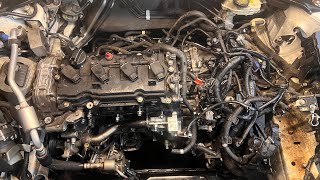
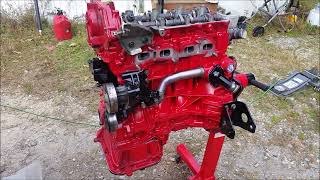
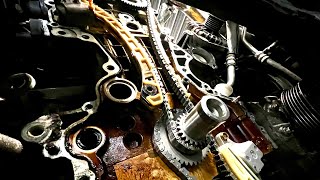
![2013-2018 Nissan Altima 2.5L P0011 Diagnosis & Fix! [2.5L QR25DE]](https://img.youtube.com/vi/fc7nq9cw1yM/mqdefault.jpg)
![2013-2018 Nissan Altima 2.5L P0014 Diagnosis & Fix! [2.5L QR25DE]](https://img.youtube.com/vi/tAq49-bX388/mqdefault.jpg)
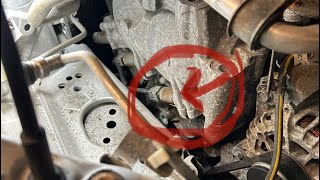
Technical Specifications
Engine Family: Nissan QR; Engine Code: QR25DE; Configuration: Inline 4-Cylinder (I4), DOHC, 16-Valve; Displacement: 2.5 Liters (2488 cc); Bore x Stroke: 89.0 mm x 100.0 mm; Drivetrain: Front-Wheel Drive (FWD); Aspiration: Naturally Aspirated; Fuel System: Multi-point fuel injection; Required Oil: 5.1 quarts of 0W-20 synthetic; Required Spark Plugs: NGK DILKAR6A11; Required Coolant: Nissan Blue Long Life Antifreeze
We Have This Part in Stock


The information in this article is provided for general reference and educational purposes only. Vehicle specifications, procedures, and part compatibility can vary by production date, trim level, and region. Always consult your vehicle's factory service manual and verify part numbers before purchasing or performing repairs. Safety-critical components such as airbags, seat belts, and braking systems should be installed by a qualified professional.
- Nissan Altima:
- 🎬 Helpful Videos
- 🛍️ Shop This Part
- Engine Identification & Specifications
- Common Failure Symptoms
- Catastrophic Failure (Pre-Cat Ingestion)
- Timing System Failure
- VVT System and Oil Sludge
- Diagnostic Flowchart
- Known Issues, Bulletins, and Recalls
- Technical Service Bulletins (TSBs)
- Recalls
- Interchange and Compatibility
- Replacement Cost
- Installation Best Practices
- Required Procedures & Parts
- What Fails at Every Mileage Band
- Under 60,000 Miles
- 60,000 to 100,000 Miles
- 100,000 to 150,000 Miles
- Over 150,000 Miles
- Real Owner Experiences
- Repair or Replace?
- Questions to Ask Your Installer
- Freight & Delivery Reality
- Before the First Start: Priming and Fluids
- Mandatory Fresh Fluids
- Oil Priming Procedure
- Frequently Asked Questions (FAQ)
- 🎟️ Get 5% Off