

2019-2020 Kia Sorento 3.3L V6 GDI: Problems, Identification, and Used Replacement
Identify the G6DH Lambda II engine, understand common failures like the high-pressure fuel pump, and learn what to look for when buying a used OEM replacement unit.
- Before purchase, you must verify the engine is correct using the 8th VIN digit ('5'), engine code ('G6DH'), and FWD/AWD configuration, as oil pans and related parts differ.
- During installation, it is critical to proactively replace the inaccessible oil pressure switch under the intake manifold and transfer your original wiring harness.
- After installation, a 'Crankshaft Position Variation Relearn' using a dealer-level scan tool is mandatory to prevent a P0315 trouble code and ensure proper engine operation.
- Be aware of common failures like high-pressure fuel pump issues (check for warranty extension WTY034), excessive oil consumption, and GDI carbon buildup, which requires periodic professional cleaning.
- Replacement is the smartest option for internal failures like rod knock or if a head gasket repair quote exceeds 60-70% of the cost of a used engine installation.
Engine Identification: Is This the Right Part for Your Sorento?

The 2019–2020 Kia Sorento uses a 3.3-liter V6 engine from the Hyundai/Kia Lambda II family. This is a gasoline direct injection (GDI) engine, which means fuel is sprayed directly into the combustion chamber for improved power and efficiency. It features an aluminum block and cylinder heads, Dual Overhead Cams (DOHC), 24 valves, and Dual CVVT (Continuously Variable Valve Timing). To confirm this is the correct engine for your vehicle, follow these steps:
- Check the VIN: The 8th digit of your vehicle's 17-digit Vehicle Identification Number (VIN) must be the number 5.
- Verify the Engine Code: The engine block has the code G6DH stamped directly onto the metal casting. This confirms it is the correct 3.3L V6.
- Confirm Drivetrain: Note whether your Sorento is Front-Wheel Drive (FWD) or All-Wheel Drive (AWD). This is critical because the upper and lower oil pans, front center aluminum engine mount, and intermediate shaft brackets differ to accommodate the AWD transfer case.
Warning: This engine will NOT correctly fit a Kia Cadenza, Kia Sedona, or Hyundai Santa Fe. While those vehicles may use a similar 3.3L V6, the engine mounts, wiring harnesses, accessory brackets, and computer calibrations are different.
Common Failure Symptoms
When the 3.3L V6 engine begins to have serious problems, you may notice several signs:
- Hesitation or Stalling: The engine may hesitate during acceleration, run rough, or even shut off at a stop. This can be a symptom of a failing high-pressure fuel pump. 🎬 Watch: Kia Sorento P0088 code diagnosis and warranty details
- Check Engine Light: A solid or flashing check engine light is a clear sign of a problem. Specific Diagnostic Trouble Codes (DTCs) can point to the cause. Common codes include P0088 (Fuel Rail Pressure Too High), P1326 (Knock Sensor Signal) 🎬 Watch: How the P1326 code can lead to a free engine replacement, or P0300 (Random Misfire).
- Reduced Power or "Limp Mode": In some cases, the vehicle's computer will intentionally limit engine speed to around 1800-2000 RPM to prevent major damage. The vehicle will accelerate very slowly.
- Rough Idle and Misfires: Significant carbon buildup on the intake valves, a common issue with GDI engines, can disrupt airflow and cause a rough idle and stumbling.
- Oil Consumption: Some owners report excessive oil consumption (needing to add 2-4 quarts between changes), which may indicate internal engine problems like stuck piston rings.
Diagnostic Flowchart

Known Problems, Recalls, and Technical Service Bulletins (TSBs)
Several documented issues affect the 2019–2020 Sorento 3.3L engine. Always have a Kia dealer check your VIN for any open campaigns or warranty extensions.
| Issue | Document(s) | Problem Summary | Official Remedy |
|---|---|---|---|
| High-Pressure Fuel Pump (HPFP) Failure / Stuck Fuel Control Valve | Warranty Extension WTY034 (related to TSB FUE067) | A fuel control valve inside the HPFP can stick open, causing rough running, hesitation, stalling, and the P0088 trouble code. Affects 2019–2020 models. | Kia extended the warranty to 15 years or 180,000 miles. A dealer will replace the pump free of charge if DTC P0088 is present. |
| Cylinder Head Gasket Failure & Head Bolt Stripping | TSB ENG253 / Warranty Extension WTY035 | If the engine overheats, head bolt threads can strip out of the aluminum block, causing head gasket failure. Affects 2016–2017 models, but 2019-2020 models are still vulnerable if severely overheated. | Avoid severe overheating. If threads strip, it requires complex thread repair or complete engine block replacement. |
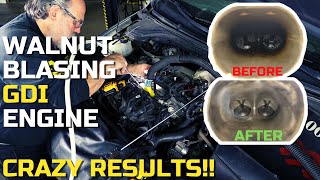
| GDI Intake Valve Carbon Buildup | Community / Forum reports | Fuel is injected directly into the cylinder and does not wash intake valves, allowing oil vapor to bake on, restricting airflow and causing misfires. Affects 2011–2020 models. | Regular professional intake cleaning (e.g., walnut shell media blasting) is recommended every 30,000 to 60,000 miles. |
| Knock Sensor Detection System (KSDS) Logic | Product Improvement Campaign PI1805_TSB_R2 | The original ECU software required an update to better detect engine bearing wear and prevent catastrophic failure. Affects 2019–2020 models. | Kia issued a campaign to update the ECU software to trigger a limp mode (with DTC P1326) if excessive knock is detected. |
| Crankshaft Position Sensor (CKP) Variation Relearn | TSB PS417 | After engine replacement, the ECU must relearn the new CKP sensor's position, or it will trigger a check engine light with code P0315. Affects 2014–2020 models. | Requires a dealer-level diagnostic scan tool to perform the relearn procedure post-installation. |
| High Altitude Hesitation | TSB ENG220 | Some vehicles may hesitate when driven at high altitudes. Affects 2019–2020 models. | Apply an ECU logic update per the TSB. |
| Leaking Oil Pressure Switch | Community / Forum reports | The oil pressure switch, located deep in the engine valley under the intake manifold, is prone to leaking and is extremely difficult to access. Affects 2011–2020 models. | Inspect and replace the switch using a deep 24mm socket while the engine is out of the vehicle for other service. |
What Fails at Every Mileage Band
Pro Tip: The mileage bands below describe the typical condition and known failures of used replacement units at that specific mileage. The checklists provided are critical steps to perform WHILE INSTALLING the purchased used engine, not general maintenance for your current broken engine.
Under 60,000 Miles
Engines in this range are generally very healthy, but rare factory defects or early component failures can occur. Known failures include early ignition coil failure (causing misfires before 40,000 miles), leaking oil pan gaskets (around 34,000 miles), and isolated reports of sudden engine seizure (around 24,000 miles).
- ✓Do during install (required): Replace the oil pressure switch located under the intake manifold; it is a known failure point and inaccessible after installation. Replace all standard consumables: 6.5 to 6.9 quarts of full synthetic 5W-30 oil (API SN Plus or SP), OEM oil filter, fresh Kia/Hyundai-approved P-OAT coolant, spark plugs, and all relevant gaskets (intake, exhaust).
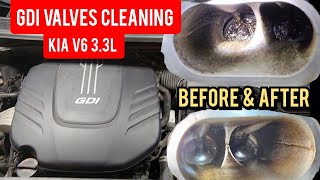
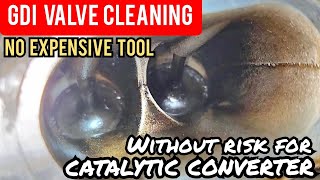
- ✓Do during install (recommended): Perform a full intake valve cleaning (walnut blasting) to remove early-stage carbon buildup inherent to GDI engines.
- ✓Cheap insurance while the engine is out: Strongly consider replacing the thermostat and water pump as preventative maintenance while access is easy.
60,000 - 100,000 Miles
In this band, wear and tear become more apparent. Known failures include excessive oil consumption (needing 2-4 quarts between changes), High-Pressure Fuel Pump (HPFP) failure triggering code P0088, noticeable performance loss from carbon buildup, and oil leaks from the filter housing assembly.
- ✓Do during install (required): All items from the 'Under 60k' band are considered mandatory. Performing a thorough GDI intake valve cleaning (walnut blasting) is essential, not just recommended.
- ✓Do during install (recommended): Replace the PCV valve to help mitigate oil consumption issues. Replace ignition coils and iridium spark plugs.
- ✓Cheap insurance while the engine is out: Inspect timing chain tensioners for any signs of wear or noise on startup, though the chain itself is generally durable in this range.
100,000 - 150,000+ Miles
Engines over 100,000 miles carry higher risk. The service life of the G6DH is heavily dependent on maintenance; with 5,000-mile oil changes, they can reach 150,000 to 200,000 miles. Known failures include timing chain stretch or tensioner failure (causing a rattling noise on cold startup), head gasket or head bolt failure (especially if previously overheated), and catastrophic engine seizure often linked to oil starvation.
- ✓Do during install (required): All items from the '60-100k' band are mandatory. Perform a compression and leak-down test on the replacement engine before installation to verify its internal health.
- ✓Do during install (recommended): Replace all accessible sensors, such as oxygen sensors, as they approach the end of their typical service life.
- ✓Cheap insurance while the engine is out: Strongly consider replacing the timing chain, guides, and tensioners as a complete kit. A startup rattle is a clear indicator that replacement is necessary.
Real Owner Experiences
The table below highlights real-world failures and costs reported by owners of vehicles with the 3.3L V6 engine.
| Source | Mileage | What Happened | Cost |
|---|---|---|---|
| CarComplaints.com | 24,000 | Vehicle suddenly stopped running, smoke came from the hood, and the dealership diagnosed a seized engine. | Not specified, likely warranty. |
| Car and Driver Long-Term Test | ~24,000 | A failing ignition coil caused a misfire in one cylinder, leading to rough running. It was replaced under warranty. | Warranty |
| Car and Driver Long-Term Test | 34,000 | A leaking oil-pan gasket was discovered and replaced under warranty. | Warranty |
| 61,000 | Engine failed, was quoted for a replacement. | $20,000 | |
| CarComplaints.com | 60,000-70,000 | Owner started having issues with the car burning oil really fast, with oil appearing dark and low well before the scheduled service interval. | Ongoing cost of adding oil. |
| ~71,000 | Owner of a 2019 Sedona with the same G6DH engine reported an oil leak and burning that started around 100,000 km and worsened, along with a humming sound. Got rid of the vehicle before failure. | Traded vehicle. | |
| 83,000 | Owner experienced severe oil burning (3-4 quarts per oil change), leading to very low oil levels, poor driving performance, and a check engine light. | Not specified, facing significant repair costs. | |
| 84,000 | Dealer recommended full engine replacement for internal failure (bad cylinders) and owner was seeking warranty coverage. | Not specified, seeking warranty coverage. | |
| 85,000 | Owner noted oil consumption of 1 quart per 1,200 miles. Performed a major preventative maintenance service including spark plugs, PCV valve, and engine decarb which reportedly resolved the consumption. | DIY cost of parts. | |
| 100,800 | Engine failed due to a cylinder head issue after a history of consuming oil like crazy. The failure was not covered by warranty. | Owner was told to buy a new engine or car. | |
| 114,000 | Dealer quoted for head gasket and timing chain replacement due to leaking head gasket. | $6,000 | |
| 121,000 | A 2017 Sorento 3.3L V6 engine failed. | Not specified. | |
| Not specified | Engine seized, dealer quoted for replacement. | $10,400 |
Repair or Replace?

Deciding whether to repair your current engine or replace it with a used unit depends on the specific failure and the costs involved. Used replacement units typically run $2,100 to $3,500, while remanufactured engines cost $4,200 to $5,800, and new OEM engines exceed $5,000. Shop labor adds an estimated $1,500 to $2,250 (10 to 15 hours).
- High-Pressure Fuel Pump (HPFP) Failure: Always repair. This is an external component. Typical repair costs are $1,100 to $2,100, but Kia has a warranty extension (WTY034) to 15 years/180,000 miles, so it may be covered for free by a dealer if DTC P0088 is present.
- GDI Carbon Buildup: Always repair. This is a maintenance issue, not a hard part failure. A preventative cleaning costs $350 to $700 and should be considered routine maintenance every 60,000-80,000 miles.
- Leaking Oil Pressure Switch: Repair makes sense if the engine is already being removed for another major job. The switch itself is inexpensive, but its location under the intake manifold makes access labor-intensive ($300 to $500 if done alone). If the engine is out, it is a mandatory replacement.
- Cylinder Head Gasket Failure: This is borderline. Typical repair costs range from $2,500 to $6,000+. If the vehicle is in excellent condition and a trusted mechanic can confirm the aluminum block threads for the head bolts are undamaged, a repair might be viable. However, if a dealer quote approaches $6,000, replacement is a very attractive alternative.
When Replacement is Smarter: Replacement is the best option when there is evidence of internal hard part failure (rod knock, spun bearings, piston damage) often caused by oil starvation. It is also the best path if a head gasket has failed due to severe overheating, which carries a high risk of stripped head bolt threads in the aluminum block. If the cost of a single major repair exceeds 60-70% of the cost of a warrantied used engine plus installation, replacement offers better value.
Freight, Delivery, and Pre-Purchase Verification

Buying a used engine requires understanding how it will be shipped and what to check before ordering.
- Shipping Reality: A complete 3.3L V6 engine assembly weighs approximately 450 lbs and measures roughly 36" x 34" x 34" before crating. It ships as LTL (Less Than Truckload) freight on a wooden pallet. It is NOT a parcel delivery.
- Delivery Requirements: If delivering to a residential address or a shop without a loading dock or forklift, you must request a truck with a liftgate to lower the pallet to the ground.
- Inspect Before Signing: Always inspect the engine for physical damage (like cracked oil pans or broken sensors) before signing the driver's delivery receipt.
- Pre-Purchase Verification: Before ordering, verify the 8th digit of your VIN is '5'. You must also confirm whether your vehicle is FWD or AWD, as the oil pan configurations differ significantly.
Installation Essentials and Common Mistakes
Key Installation Steps & Gotchas
Warning: The oil pan configuration is different for FWD and AWD models. The AWD version has a unique shape to provide clearance for the transfer case. You MUST inspect the oil pan on the replacement engine and swap the upper and lower pans, oil pickup tube, and related brackets from your original engine if they do not match.
- Transfer Parts: Always transfer your original engine wiring harness to the replacement engine to ensure all electrical connectors match your vehicle's specific trim options and prevent communication errors.
- Prime the Oil System: Before starting the new engine for the first time, disable the fuel or ignition system and crank the engine for 10-15 seconds at a time until the oil pressure light goes out. This ensures all internal parts are lubricated.
- Check Ground Straps: Pay meticulous attention to the location and condition of all engine and transmission grounding straps to avoid electrical issues.
- Fragile Connectors: Plastic electrical connectors, vacuum lines, and sensor housings become brittle with age and heat cycles and break easily. Handle them with care.
Required Parts and Tools
Plan to purchase new consumables for the installation:
- 6.5 to 6.9 quarts of 5W-30 full synthetic oil (API SN Plus or SP)
- New OEM oil filter
- Fresh Kia/Hyundai-approved phosphate-organic acid technology (P-OAT) coolant
- Exhaust manifold gaskets and intake manifold gaskets
- New spark plugs and a serpentine accessory drive belt
- Thermostat and water pump (strongly recommended)
This job requires special tools, including an engine hoist or heavy-duty subframe table, fuel line disconnect tools for the GDI high-pressure lines, a deep 24mm socket for the oil pressure switch, and an OEM-compatible diagnostic scan tool (e.g., Kia KDS, Autel MaxiSys, or Snap-on Triton).
Post-Installation Programming
After the engine is installed, programming is required. A Crankshaft Position (CKP) Sensor Relearn must be performed with a dealer-level scan tool. Skipping this step will likely cause a P0315 DTC and may lead to poor engine performance. The Transmission (TCM) Adaptive Value Reset should also be performed for the 8-speed transmission.
Long Block vs. Complete Assembly
When shopping for a used 3.3L V6 engine, you will see two main options: a long block or a complete assembly. Knowing the difference helps you buy exactly what you need.
- Long Block: This is the core of the engine. It includes the heavy metal engine block, the cylinder heads, and all internal moving parts like pistons, valves, and camshafts. It usually includes the timing chain and front cover. It does not include bolt-on parts. If you buy a long block, you must move your old intake manifold, exhaust manifolds, and fuel system over to the new engine.
- Complete Assembly: This includes the long block plus the outer bolt-on parts. For this Gasoline Direct Injection (GDI) engine, a complete assembly usually comes with the high-pressure fuel pump and the direct fuel injectors already attached to the engine.
Frequently Asked Questions (FAQ)
Do I have to swap parts from my old engine?
Yes. You must transfer your original engine wiring harness to ensure compatibility. If the replacement engine came from a vehicle with a different drivetrain (e.g., FWD vs. AWD), you must also swap the upper and lower oil pans, oil pickup tube, front center aluminum engine mount, and intermediate shaft brackets from your original engine.
Can I install this engine myself?
This is considered an expert-level job. It requires specialized tools like an engine hoist, fuel line disconnect tools, and a diagnostic scan tool for post-installation programming. The complexity and critical nature of the FWD/AWD component swaps make it a difficult DIY project.
Does the car's computer need to be reprogrammed?
Yes. A "Crankshaft Position Variation Relearn" procedure is mandatory after installation. This requires a professional scan tool (like Kia KDS or Autel MaxiSys) and ensures the computer can accurately read the new engine's sensors for proper timing and misfire detection. You should also reset the transmission adaptive values.
What comes included with a used engine assembly?
A standard used assembly includes the engine block and cylinder heads, all internally lubricated parts, upper and lower oil pans, valve and timing covers, timing chain and tensioners, intake manifold, fuel injection system (rails, injectors, HPFP), throttle body, harmonic balancer, and essential sensors (crank, cam, oil pressure). It does NOT include the A/C compressor, starter motor, alternator, power steering pump, exhaust manifolds, ECU/PCM, or engine wiring harness.
How long does the 3.3L V6 engine typically last?
With meticulous maintenance, including 5,000-mile oil changes with full synthetic oil and proactive GDI intake valve cleaning every 30,000 to 60,000 miles, many owners report reaching 150,000 to 200,000 miles. However, due to carbon buildup and potential oil consumption issues, average longevity is often cited around 150,000 miles before significant repairs are needed.
What questions should I ask my installer before the job?
Ask your mechanic: Have you worked on the Kia/Hyundai 3.3L G6DH engine before? Will you be performing the Crankshaft Position Sensor relearn procedure with a dealer-level scan tool? Can you confirm the drivetrain (FWD/AWD) of the donor engine and swap the oil pans if necessary? Will you proactively replace the oil pressure switch while the engine is out? Will you transfer my original wiring harness? What is your procedure for priming the oiling system before the first start?
Helpful Videos



Technical Specifications
Family: Hyundai/Kia Lambda II; Displacement: 3.3 Liters; Configuration: V6; Valvetrain: Dual Overhead Cams (DOHC), 24 valves, Dual CVVT; Block/Head Material: Aluminum; Fuel System: Gasoline Direct Injection (GDI); Engine Code: G6DH; VIN Identifier (8th Digit): 5; Oil Type: 5W-30 Full Synthetic (API SN Plus or SP); Oil Capacity: 6.5 to 6.9 quarts; Weight: ~450 lbs
We Have This Part in Stock


The information in this article is provided for general reference and educational purposes only. Vehicle specifications, procedures, and part compatibility can vary by production date, trim level, and region. Always consult your vehicle's factory service manual and verify part numbers before purchasing or performing repairs. Safety-critical components such as airbags, seat belts, and braking systems should be installed by a qualified professional.
- Kia Sorento:
- 🎬 Helpful Videos
- 🛍️ Shop This Part
- Engine Identification: Is This the Right Part for Your Sorento?
- Common Failure Symptoms
- Diagnostic Flowchart
- Known Problems, Recalls, and Technical Service Bulletins (TSBs)
- What Fails at Every Mileage Band
- Under 60,000 Miles
- 60,000 - 100,000 Miles
- 100,000 - 150,000+ Miles
- Real Owner Experiences
- Repair or Replace?
- Freight, Delivery, and Pre-Purchase Verification
- Installation Essentials and Common Mistakes
- Key Installation Steps & Gotchas
- Required Parts and Tools
- Post-Installation Programming
- Long Block vs. Complete Assembly
- Frequently Asked Questions (FAQ)
- 🎟️ Get 5% Off