

2014-2018 Kia Sorento 3.3L Lambda II V6: Problems, Identification, and Used Replacement
Identify the G6DH engine, understand the fatal head bolt flaws, and learn exactly what to look for when buying a used OEM replacement unit.
- The 2016-2017 G6DH engine is prone to catastrophic failure from stripped cylinder head bolts; a 2018 model with revised threads is a safer replacement.
- Only use a G6DH engine from a 2014-2018 Kia Sorento; engines from the Sedona, Cadenza, or Santa Fe will not fit without major modification.
- During installation, it is mandatory to replace the single-use high-pressure fuel line to prevent fire risk and swap the lower oil pan for AWD models.
- Before paying for repairs, check with a Kia dealer if your VIN is covered by warranty extensions for head bolt failures (WTY035) or oil pressure switch leaks (WTY026).
Engine Identification: Confirming the G6DH 3.3L V6

The engine used in the 2014-2018 Kia Sorento is the 3.3L Lambda II V6, which features Gasoline Direct Injection (GDI). This engine is identified by the production code G6DH. It is a 60-degree V6 engine known for its balance of power and efficiency, producing up to 294 horsepower. A used engine assembly, often called a long block, typically includes the core components like the cylinder block and heads, intake manifold, fuel injectors, and oil pan.
How to Verify Your Vehicle's Engine
Before purchasing a replacement, you must confirm your Sorento has this specific engine. Here is how:
- Check the VIN: The 8th digit of your Vehicle Identification Number (VIN) must be a '5' for 2016-2018 models or a '7' for 2014-2015 models. The VIN is visible on a plate on the driver's side of the dashboard or on the door jamb sticker.
- Find the Engine Code: The G6DH code is physically stamped onto the engine block, usually near the area where the engine and transmission connect.
Critical Fitment and Interchange Notes
While the core G6DH engine was used in other Hyundai and Kia models, there are critical differences that prevent a direct swap.
Warning: Do not order an engine from a Kia Sedona, Kia Cadenza, or Hyundai Santa Fe. Although they may also use a 3.3L Lambda engine, the intake manifolds, accessory mounting brackets, wiring harnesses, and high-pressure fuel systems are different and will not fit the Sorento without extensive modification.
Pro Tip: The engine block is the same for Front-Wheel Drive (FWD) and All-Wheel Drive (AWD) models, but the lower oil pan is different. If your replacement engine comes from a vehicle with a different drivetrain, you must swap your original lower oil pan and the related intermediate shaft mounting brackets onto the new engine to ensure proper clearance for the transfer case (on AWD models).
Common Failure Symptoms

An engine may fail gradually or suddenly. If you experience the following, a major repair or full replacement may be necessary:
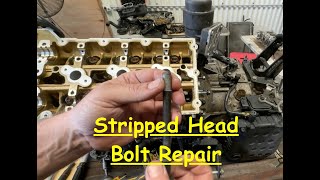
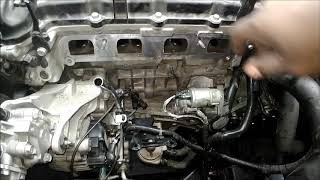
- Overheating and Coolant Loss: If the engine constantly overheats, you smell coolant, or see white smoke from the exhaust, it may be a sign of a failed head gasket or a cracked cylinder block. This is a massive known issue, particularly on 2016-2017 models. 🎬 Watch: Kia/Hyundai head bolt failure and repair walkthrough
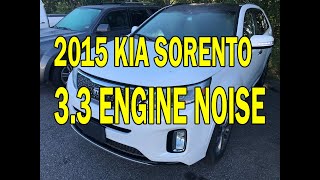
- Engine Knocking: A deep, rhythmic knocking sound from the bottom of the engine that increases with RPM 🎬 Listen: Real example of 3.3L engine rattle and knock often indicates severe bearing damage. This can be caused by oil starvation or contamination with metal debris.
- Metal Shavings in Oil: Finding metallic, glitter-like particles in the engine oil or filter during an oil change is a definitive sign of catastrophic internal wear.
- Excessive Oil Consumption: Needing to add oil frequently between changes can be a symptom of worn piston rings, a common issue in some GDI engines.
Diagnostic Flowchart
Known Problems, Recalls, and Technical Service Bulletins (TSBs)

This engine has several well-documented issues. Always check with a Kia dealer to see if any warranty extensions or recalls apply to your specific VIN.
Cylinder Head Bolt Failures (2016-2017)
A severe issue for 2016-2017 Sorento models involves the cylinder head bolts, which can strip their threads directly out of the engine block. This leads to a coolant leak from the head gasket area, causing overheating and catastrophic engine damage. In response, Kia issued Technical Service Bulletin TSB ENG253 and extended the warranty for this specific problem to 15 years or 180,000 miles under program WTY035. The issue was investigated by the NHTSA under Preliminary Evaluation PE23019. Later 2018 models were manufactured with improved, deeper thread engagement to reduce the failure rate.
High-Pressure Fuel Pipe Leaks (Post-Replacement)
Kia issued recall SC172 (NHTSA ID: 18V-363000 / 18V-907) for vehicles that had a previous engine replacement. The high-pressure fuel pipe, which connects the fuel pump to the fuel rail, may have been damaged, misaligned, or improperly torqued during the prior repair, creating a dangerous fuel leak and fire hazard.
Warning: This high-pressure steel fuel line is a single-use, torque-to-yield part. It must be replaced with a new OEM part any time it is removed. Reusing the old pipe is a severe fire risk.
Oil Pressure Switch Leaks (2014-2018)
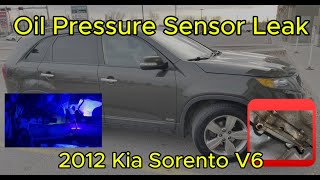
The oil pressure switch (OPS), located deep in the 'V' of the engine valley, is prone to internal leaks. Oil can seep from the switch and run down the back of the engine, often being misdiagnosed as a rear main seal leak. Kia addressed this with TSB ENG237 and a warranty extension (WTY026) to 15 years or 150,000 miles.
Other Documented Issues
- Abnormal Engine Noise: 2018 Sorento 3.3L AWD models produced between Jan 29, 2018, and Feb 20, 2018, may experience abnormal noise requiring dealer inspection under Service Action SA345.
- High Altitude Hesitation: While more common on 2019-2020 models sharing this engine design, high altitude hesitation can occur and is fixed by updating the engine control module (ECM) logic under TSB ENG220.
- Piston Ring Carbon Buildup: All production years of this GDI engine are prone to carbon buildup on the piston rings and intake valves, leading to oil consumption. Regular oil changes and carbon cleaning are required.
What Fails at Every Mileage Band
Pro Tip: The mileage bands below describe the typical wear and failure points of USED REPLACEMENT UNITS at that specific mileage. The checklists provided are critical steps you must take WHILE INSTALLING the purchased engine on the stand, not general maintenance for your current broken engine.
Under 60,000 Miles
Even low-mileage engines can have hidden issues. Some 2016-2017 models may experience premature engine failure due to the head bolt and gasket issues, causing coolant loss and overheating. Ignition coil failure causing misfires has been reported well under 60,000 miles. A failing thermal management system rod could cause temporary overheating and limp mode under hard acceleration. Early signs of carbon buildup on intake valves can begin, though it is less likely to be symptomatic at this mileage.
- ✓Do during install (required): Replace the single-use high-pressure fuel line to prevent fire hazards.
- ✓Do during install (recommended): Pre-emptively replace the oil pressure switch with a new OEM part while the engine is out and accessible.
- ✓Cheap insurance while the engine is out: Use new gaskets for the intake manifold, exhaust manifolds, and water pump. Inspect and clean intake valves if the manifold is off.
60,000 - 100,000 Miles
This is a common window for catastrophic engine failure on 2016-2017 models due to the head bolt design flaw, leading to coolant leaks and warped heads. Carbon buildup on GDI intake valves becomes more significant, potentially causing rough idle, hesitation, and increased oil consumption. Timing chain tensioners and guides can begin to show wear, especially if oil change intervals were extended. Listen for startup rattle.
- ✓Do during install (required): ALL required items from the 'Under 60k' band apply.
- ✓Do during install (recommended): Strongly consider performing a walnut shell blasting service to clean carbon from intake valves. Replace spark plugs with new OEM-spec double-iridium or platinum plugs.
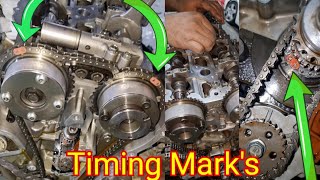
- ✓Cheap insurance while the engine is out: Inspect timing chain, guides, and tensioners for any signs of wear or stretching. Replace the rear main seal as a preventative measure.
100,000 - 150,000+ Miles
Engine failures related to head bolts continue to be reported in this mileage range. Timing chain stretch or guide failure becomes a higher risk, especially if maintenance was deferred. Increased oil consumption due to carbon buildup on piston rings and intake valve deposits is common if not previously addressed. Misfires due to failing ignition coils can occur frequently.
- ✓Do during install (required): ALL required items from the previous bands apply.
- ✓Do during install (recommended): It is highly recommended to replace the timing chains, tensioners, and guides as a complete set. Perform a thorough carbon cleaning (walnut blasting) of the intake valves.
- ✓Cheap insurance while the engine is out: Replace all ignition coils and spark plugs. Replace the thermostat and all coolant hoses while access is easy.
Real Owner Experiences
The following table highlights real-world failures and costs reported by Kia Sorento owners with the 3.3L V6 engine.
| Source | Mileage | What Happened | Cost |
|---|---|---|---|
| autoevolution.com | 51,248 | Owner experienced a loss of motive power, diagnosed as a head gasket or head bolt failure requiring engine replacement. | Costly fix |
| caranddriver.com | Under 24,000 | An ignition coil failed, causing a misfire. It was replaced under warranty. | Warranty |
| caranddriver.com | Under 4,000 | Vehicle experienced bucking, coughing, and difficulty maintaining speed. The issue resolved after restarting the car but recurred 20,000 miles later. | Not specified |
| 70,000 | Catastrophic engine failure. Kia denied warranty coverage due to a lack of oil change receipts. | Quoted full replacement | |
| 93,000 | Sudden catastrophic engine failure with steam from vents. Diagnosed with failed head gasket, warped heads, and metal shavings from improper manufacturing. | Not specified | |
| Kia-Forums | 80,000 | Reports of excessive oil consumption, potentially linked to piston ring design or cylinder wear. | Can lead to engine replacement |
| CarComplaints.com | 120,000 | Blown head gasket diagnosed after overheating. Dealer quoted a full engine replacement. | $9,797.78 |
| CarComplaints.com | 135,970 | Cylinder 2 misfire caused the engine to be undrivable. | Not specified |
| 105,000 | Engine blew. Owner reported diligent maintenance with full synthetic oil changes every 3,000 miles. | Not specified | |
| autoevolution.com | 143,000 | Loss of motive power, part of a federal investigation into head gasket/bolt failures. | Engine replacement |
| CarComplaints.com | 120,000 | Owner was proceeding with the replacement at a Kia dealership after an independent shop found stripped head bolts. | $11,893.11 |
| 85,000 | Owner was quoted for a used engine replacement with a 12-month/12k-mile warranty. | $8,700 | |
| 111,000+ | Owner was quoted over $10,000 for a new engine at a local shop and declined the repair. | Over $10,000 | |
| 106,000 | Owner was quoted $5,500 to repair a head gasket leak, including a new timing chain and head resurfacing. | $5,500 | |
| 114,000 | Dealer quoted $6,000 for head gasket and timing chain replacement, explicitly excluding potential costs for stripped head bolts. | $6,000 | |
| Unknown | Owner performed a DIY repair of the stripped head bolt threads using a 'Huhn Solutions' kit. | $1,800 |
Repair or Replace?
When facing a major failure on the G6DH engine, deciding between an internal repair and a full replacement is critical.
- Head Gasket Leak / Stripped Head Bolts: Typical repair costs range from $5,500 to $7,000+. Repair makes sense only if a mechanic can confirm the cylinder head bolt threads in the block are intact before committing to the job. If threads are stripped, the cost escalates dramatically, making a full engine replacement more economical.
- Oil Consumption / Piston Ring Carbon Buildup: Typical repair costs range from $2,500 to $5,000+. This is rarely economical to repair out of warranty. The repair involves a significant engine teardown to replace pistons and rings. It is almost always more cost-effective to replace the engine with a used or remanufactured unit.
When Replacement is Smarter: Replacement is the smarter option when there is catastrophic failure (like a thrown rod), confirmed stripped head bolt threads in the engine block, or severe oil consumption requiring piston replacement. If the total repair quote approaches or exceeds $6,000, the value proposition of a complete replacement engine becomes much stronger.
Questions to Ask Your Installer
- Have you worked on the Kia/Hyundai 3.3L G6DH engine before?
- What is your all-in, out-the-door quote, including fluids and shop supplies?
- Does your quote include the mandatory crankshaft position sensor relearn procedure?
- Will you be replacing the single-use high-pressure fuel line with a new OEM part?
- What is your plan for the oil pressure switch located in the engine valley?
- If my vehicle is AWD, are you prepared to swap the lower oil pan and brackets from my original engine?
- What warranty do you offer on your labor, and what is the warranty on the replacement engine itself?
- How will you handle any unexpected issues, such as incompatible sensors or wiring harness problems?
Replacement Cost Estimates
Engine replacement costs vary based on the type of engine, location, and shop labor rates. The original engine must be returned as a "core" for remanufactured units.
| Part Type | Estimated Cost (USD) |
|---|---|
| Used OEM (from a recycler) | $2,800 - $5,000 |
| Remanufactured Long Block | $4,100 - $5,400 |
| New OEM Crate Engine | $5,000+ (Often part of an $11,000+ dealer bill) |
| Installation Labor (10-20 Hours) | $1,500 - $4,000 |
Installation Essentials and Gotchas

Proper installation is critical for the long-term reliability of a replacement engine. Failing to follow correct procedures can lead to immediate failure or repeat problems. This is an Advanced/Expert level job.
Required Parts and Fluids for Installation
- Engine Oil: Fresh 5W-30 full synthetic engine oil and a high-quality canister-style oil filter.
- Coolant: Phosphate-organic acid technology (P-OAT) green or blue coolant (pre-mixed 50/50 with distilled water).
- Gaskets: New upper and lower intake manifold gaskets, exhaust manifold gaskets, and water pump gaskets.
- Spark Plugs: Six new OEM-spec double-iridium or platinum spark plugs.
- Fuel Line: A new OEM high-pressure steel fuel line (single-use component).
- Sealants: High-temperature RTV silicone sealant.
Special Tools Required
- Flywheel Locking Tool (OEM Part: SST 09231-3C300)
- Camshaft Locking Tool Set (OEM Part: SST 09231-39000)
- Crankshaft Oil Seal Fitting Tool (OEM Part: SST 09231-3C100)
Critical Installation Steps and Common Mistakes
- FWD/AWD Oil Pan Swap: Forgetting to swap the oil pan and associated intermediate shaft mounting brackets on AWD models will prevent the engine from installing correctly.
- Reusing the Fuel Line: Re-installing the old high-pressure fuel line is a common mistake that creates a serious fire hazard.
- Skipping the Oil Pressure Switch: Failing to replace the inexpensive oil pressure switch while the engine is out can lead to a very expensive labor bill later.
- Incorrect Torquing: The crankshaft pulley bolt has a very high torque specification of 210 to 224 ft-lbs (284 to 304 Nm) and requires the flywheel locking tool. Improper torque can lead to catastrophic failure.
- Liquid Sealant Application: When reinstalling components like the timing chain cover or oil pan, new liquid sealant must be applied correctly and fitted within 5 minutes of application.
- Electronic Calibration: After installation, a dealer-level scan tool is required to perform a Crankshaft Position (CKP) sensor relearn procedure and reset the engine's adaptive learning values. You must transfer your vehicle's original engine wiring harness and sensors to the replacement engine. Potential ECU cloning or VIN programming may be required depending on the exact modules used.
Freight and Delivery Reality

When ordering a used 3.3L V6 engine, it will not arrive in a standard cardboard box. This is a heavy industrial component.
- Size and Weight: The bare engine assembly weighs approximately 330 lbs and measures roughly 38" x 38" x 38" before crating.
- Shipping Method: It ships as Less-Than-Truckload (LTL) freight on a wooden pallet. It is NOT a parcel shipment.
- Delivery Requirements: You will need a delivery location capable of receiving freight. If delivering to a residential address or a shop without a forklift, you must request a truck with a liftgate.
- Inspect Before Signing: Always inspect the engine for physical damage (like cracked valve covers or broken sensors) before signing the driver's delivery receipt.
- Pre-Purchase Verification: A reputable supplier will conduct a pre-purchase verification interview to confirm your VIN's 8th digit, your drivetrain (FWD vs AWD), and the G6DH block stamp to ensure you receive the exact correct variant.
Frequently Asked Questions (FAQ)
Do I need to reprogram the computer (ECU) when I install a used engine?
You do not need to reprogram the entire ECU if you are reusing your vehicle's original unit. However, you MUST perform a Crankshaft Position (CKP) sensor relearn and reset adaptive values using a compatible dealer-level scan tool. This calibrates the engine to the vehicle's electronics. In some cases, ECU cloning may be required.
Can I use an engine from a Kia Sedona or Hyundai Santa Fe?
No. While they are part of the same Lambda engine family, the accessory drives, intake manifolds, high-pressure fuel pump configurations, and wiring harness routing are different. You must use an engine from a 2014-2018 Kia Sorento with the correct VIN digit match.
Is the 2018 Sorento 3.3L engine better than the 2016-2017?
Yes. The 2018 model year engine features a revised engine block with deeper head bolt threads, which was designed to address the stripping and coolant leak issue found in some 2016-2017 models. When possible, sourcing a 2018 or newer G6DH is a good practice.
What exactly is included when I buy a used engine assembly?
A standard used assembly typically includes the cylinder block, cylinder heads, oil pan, valve covers, intake manifold, timing covers, harmonic balancer, internal rotating assembly (crank, pistons, rods, cams), fuel injectors, fuel rail, engine-mounted high-pressure fuel pump, and throttle body. It does NOT include the alternator, starter, A/C compressor, power steering pump, exhaust manifolds, catalytic converters, wiring harness, or ECU.
How long should this engine last if I maintain it perfectly?
With consistent maintenance, including regular full synthetic 5W-30 oil changes, proactive GDI intake valve cleaning, and adhering to the 100,000-mile service intervals for spark plugs and coolant, the G6DH engine can last between 200,000 and 250,000 miles. However, the 2016-2017 model years are highly susceptible to premature failure due to the head bolt design flaw, which can drastically reduce this lifespan regardless of maintenance.
Helpful Videos
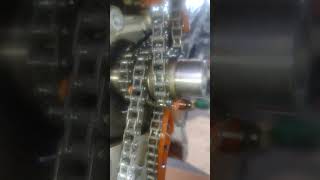
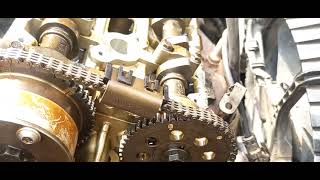
Technical Specifications
Engine Code: G6DH; Displacement: 3.3L; Configuration: 60-degree V6; Induction: Gasoline Direct Injection (GDI); Horsepower: Up to 294; VIN Digit (2016-2018): 5; VIN Digit (2014-2015): 7; Required Oil: 5W-30 full synthetic; Required Coolant: P-OAT (green or blue); Crank Pulley Bolt Torque: 210 to 224 ft-lbs (284 to 304 Nm)
We Have This Part in Stock


The information in this article is provided for general reference and educational purposes only. Vehicle specifications, procedures, and part compatibility can vary by production date, trim level, and region. Always consult your vehicle's factory service manual and verify part numbers before purchasing or performing repairs. Safety-critical components such as airbags, seat belts, and braking systems should be installed by a qualified professional.
- Kia Sorento:
- 🎬 Helpful Videos
- 🛍️ Shop This Part
- Engine Identification: Confirming the G6DH 3.3L V6
- How to Verify Your Vehicle's Engine
- Critical Fitment and Interchange Notes
- Common Failure Symptoms
- Diagnostic Flowchart
- Known Problems, Recalls, and Technical Service Bulletins (TSBs)
- Cylinder Head Bolt Failures (2016-2017)
- High-Pressure Fuel Pipe Leaks (Post-Replacement)
- Oil Pressure Switch Leaks (2014-2018)
- Other Documented Issues
- What Fails at Every Mileage Band
- Under 60,000 Miles
- 60,000 - 100,000 Miles
- 100,000 - 150,000+ Miles
- Real Owner Experiences
- Repair or Replace?
- Questions to Ask Your Installer
- Replacement Cost Estimates
- Installation Essentials and Gotchas
- Required Parts and Fluids for Installation
- Special Tools Required
- Critical Installation Steps and Common Mistakes
- Freight and Delivery Reality
- Frequently Asked Questions (FAQ)
- 🎟️ Get 5% Off