

2020-2022 Hyundai Sonata 1.6L Smartstream G4FP: Problems, Identification, and Used Replacement
Identify the G4FP engine, learn what causes catastrophic failures like rod bearing wear, and discover when replacing it with a used OEM assembly is the smartest choice.
- This G4FP engine is specific to the 2020-2022 Hyundai Sonata; confirm the 8th VIN digit is '2' before purchasing a replacement.
- After installation, a mandatory "CVVD Position Learning" procedure must be performed with a dealer-level scan tool to prevent poor performance and fault codes.
- Ensure critical recalls are completed, especially NHTSA 22V124000 for the Knock Sensor Detection System and NHTSA 25V-803 for the EVAP check valve.
- The high-pressure fuel pipe is a one-time-use part and must be replaced with a new one during any engine swap to prevent dangerous fuel leaks.
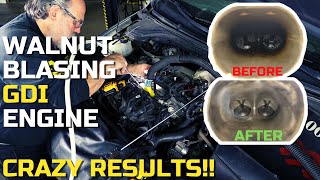
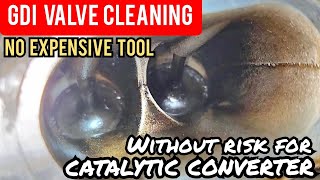
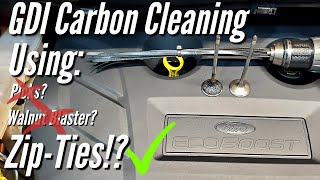
- Carbon buildup on intake valves is a common GDI issue; preventative cleaning is recommended when installing a used engine to avoid future performance problems.
Identifying the 1.6L Smartstream Turbo Engine


The 2020-2022 Hyundai Sonata uses a sophisticated engine known as the Smartstream G1.6 T-GDi. This 1.6-liter, turbocharged, inline four-cylinder engine features gasoline direct injection (GDI) and is identified by the engine code G4FP. It was one of the first engines to feature Hyundai's Continuously Variable Valve Duration (CVVD) technology, a system designed to improve performance and fuel efficiency by precisely controlling how long the engine's valves stay open.
| Key Identification Specs | |
|---|---|
| Engine Code | G4FP |
| VIN (8th Digit) | '2' |
| Drivetrain | Front-Wheel Drive (FWD) |
| Transmission | 8-speed automatic |
Check Your VIN and Vehicle Specs
The easiest way to confirm your Sonata has this specific engine is to check your vehicle's Vehicle Identification Number (VIN). The 8th digit of the VIN must be '2'. You can find the VIN on the driver's side of the dashboard (visible through the windshield) or on the sticker inside the driver's door jamb. Additionally, confirm your vehicle is Front-Wheel Drive (FWD) with an 8-speed automatic transmission.
Locate the Engine Code
For absolute confirmation, you can find the engine code stamped on the engine itself. Look for a machined pad on the cylinder block near where the engine connects to the transmission bellhousing flange. The code should begin with "G4FP".
Warning: Other Hyundai and Kia models, like the Tucson, Elantra, Kona, Kia K5, Sportage, and Seltos use different versions of the Smartstream 1.6L engine. While they are mechanically similar, their mounting points, wiring harnesses, and computer calibrations are different. This G4FP engine from a Sonata will only fit another 2020-2022 Sonata. Do not attempt to install it in a different model.
🎬 Watch: Step-by-step Hyundai Sonata engine replacement walkthroughCommon Failure Symptoms
When the G4FP engine has a serious internal problem, the symptoms are often hard to ignore. Being aware of them can help you decide if a full engine replacement is necessary.
- Engine Knocking or Ticking: A deep knocking sound from the engine is a classic sign of connecting rod bearing failure. 🎬 Watch: Hear what a Hyundai rod bearing knock sounds like Ticking noises can also point to issues within the valvetrain or early CVVD system damage.
- Loss of Power: If the car feels sluggish, hesitates during acceleration, or struggles to get up to speed, it could indicate poor compression, carbon buildup, or other internal engine problems.
- Excessive Oil Consumption: Some GDI engines may consume oil between changes. A sudden increase in oil use or the presence of blue smoke from the exhaust suggests internal wear, such as stuck piston rings.
- Rough Idle or Vibrations: An engine that shakes or idles unevenly could be suffering from misfires caused by issues like carbon buildup on intake valves or poor compression.
- Check Engine Light: A flashing or steady check engine light is the car's main way of reporting a problem. For certain issues, the car may enter a reduced-power "Engine Protection Mode" to prevent further damage.
Diagnostic Flowchart
Known Problems, Recalls, and Service Bulletins

This engine has several documented issues that owners and technicians should be aware of. Always check with a dealer or use the NHTSA website to see if a specific vehicle has had its recalls completed.
NHTSA Recall 22V124000: Connecting Rod Bearing Wear
This critical safety recall, also known as Hyundai Recall 228, applies to certain 2020 Hyundai Sonata vehicles. The issue does not involve replacing hardware. Instead, dealers install a software update for the Engine Control Unit (ECU) that adds a Knock Sensor Detection System (KSDS). This software actively listens for vibrations that indicate excessive connecting rod bearing wear. If detected, it puts the vehicle into Engine Protection Mode (limp mode) and illuminates the check engine light to warn the driver before catastrophic engine failure occurs.
NHTSA Recall 25V-803: EVAP System Check Valve
Affecting 2020-2023 Hyundai Sonata models with the 1.6L Turbo engine, this recall (also known as Hyundai Recall 286 or Transport Canada 2025637) addresses a check valve in the evaporative emissions (EVAP) system that can wear out. This can cause fuel vapors to leak, potentially deforming the fuel tank and triggering a check engine light. The fix involves inspecting and replacing the valve with an improved part, updating the ECU software to monitor internal fuel tank pressure, and replacing the fuel tank if deformed.
Technical Service Bulletin (TSB) 23-EE-005H: Joint Connector Repair
This TSB (NHTSA ID #10235344) addresses a faulty wiring joint connector (JE102) on the engine harness. A poor connection here can cause various electrical issues. The official repair involves bypassing the faulty connector by splicing the wires with more reliable solder-and-seal connectors.
Additional Service Bulletins
- TSB 23-FL-002H-1 (NHTSA ID #10238377): Outlines diagnostic testing and potential replacement procedures for GDI fuel injectors.
- TSB 23-EM-005H (NHTSA ID #10247189): Emphasizes using genuine Hyundai oil filters and a new crush washer on the drain plug (torqued to exactly 29 lb-ft) to prevent leaks and oil pressure issues.
What Fails at Every Mileage Band
Pro Tip: The mileage bands below describe what typically fails on USED replacement engines at these mileages. The checklists provided are critical steps to perform WHILE INSTALLING the purchased engine, not general maintenance for your current vehicle.
Under 60,000 Miles
Engines in this range are generally healthy, but early failures can occur. Some owners report early engine damage related to the CVVD system, sometimes before the first oil change, indicated by a ticking noise and visible damage under the oil filler cap. Electrical issues, such as a faulty junction box causing blower motor problems, have been reported around 60,000 miles. Fuel injector failures, wiring harness shorts, and jerky transmission shifts are also documented.
- ✓Do during install (required): Perform all open recalls, especially NHTSA 22V124000 (Rod Bearing Sensor Software) and 25V-803 (EVAP Check Valve). Use OEM 0W-20 full synthetic oil and a genuine OEM filter.
- ✓Do during install (recommended): Inspect the turbocharger for any signs of oil leaks or bearing wear. Inspect wiring harnesses for any signs of damage or shorts, particularly the joint connector JE102.
- ✓Cheap insurance while the engine is out: Replace spark plugs. Perform a preventative intake valve cleaning service, as carbon buildup can start early.
60,000 - 100,000 Miles
As the engine approaches 100,000 miles, carbon buildup on the intake valves becomes more pronounced, leading to rough idle, hesitation, and reduced performance. Exhaust sensor failures and valve stem seal failures may trigger check engine lights. Some owners report the start of oil consumption. Timing chain wear and tensioner issues can begin to appear, especially if previous owners neglected oil changes.
- ✓Do during install (required): Thoroughly inspect the turbocharger and its oil lines for leaks and wear.
- ✓Do during install (recommended): Perform a comprehensive intake valve cleaning (walnut blasting is highly recommended). Service the transmission with a fluid change.
- ✓Cheap insurance while the engine is out: Replace the timing chain, tensioners, and guides as a preventative measure. Replace the PCV valve to help mitigate oil consumption and carbon buildup. Replace spark plugs and ignition coils.
100,000 - 150,000 Miles
High-mileage G4FP engines face increased risks. Increased oil consumption due to carbon-stuck piston rings is a significant concern. Turbocharger failures become more likely, often linked to lubrication issues from infrequent oil changes. Timing chain systems are highly likely to require service in this range. The complexity of the CVVD system may lead to failures of VVT solenoids or other components.
- ✓Do during install (required): Assume the engine requires a major service. Replace all gaskets, seals, and one-time-use bolts.
- ✓Do during install (recommended): Replace the turbocharger assembly or, at minimum, have it professionally inspected and rebuilt. Perform a piston soak procedure (e.g., with Berryman's B-12) to attempt to free stuck oil control rings before installation.
- ✓Cheap insurance while the engine is out: Strongly consider replacing the timing chain, guides, and tensioner if not already done. Replace the water pump and thermostat. Replace all ignition components (spark plugs, coils) and critical sensors, such as camshaft and crankshaft position sensors.
Real Owner Experiences
The following table highlights real-world experiences from owners dealing with the 1.6L Smartstream engine and similar variants, detailing what failed and the associated costs.
| Source | Mileage | What Happened | Cost |
|---|---|---|---|
| BobIsTheOilGuy Forum | 7,903 miles | A ticking noise was heard when driving uphill. Upon inspection, visible damage was found under the oil filler cap, suspected to be the CVVD camshaft hitting the engine block. | Warranty repair, but dealer service was backlogged for months. |
| 20,000 miles | Heater failed during winter. | Covered by warranty. | |
| 30,000 miles | ABS light came on intermittently when making left turns, resolved by adding brake fluid. | Covered by warranty. | |
| ~60,000 miles | A 2022 Sonata experienced intermittent blower motor problems due to a melting junction box, a known issue covered by a TSB. Initial dealer quote for out-of-warranty repair was $7,000-$10,000. | Should be covered under warranty or goodwill via a TSB. | |
| 64,000 miles | 2019 Tucson (similar 1.6T engine) had a blown engine. Owner was evaluating options, including fighting Hyundai for a good-faith warranty repair as a second owner just outside the 60k mile warranty. | $10,000 (independent mechanic), $11,500 (Hyundai dealership) quoted. | |
| 80,000 miles | Check engine light came on due to a faulty exhaust sensor that needed replacement. | Covered by warranty. | |
| 83,000 miles | Owner sold the car after trouble-free ownership with 5,000-mile oil change intervals. | N/A | |
| 91,000 miles | 2018 Sonata failed engine. Dealer required a $3,000 non-refundable teardown fee to even consider a warranty claim. Owner was seeking advice on whether to risk the fee. | $9,000 quoted for out-of-pocket engine replacement. | |
| 94,000 miles | A failing valve stem was identified by the dealer and replaced under warranty. | Covered by warranty. | |
| 97,000 miles | Owner reported an exhaust sensor failure around 80k miles, consistent with other reports. | Covered by warranty. | |
| 108,000 miles | Owner of a 2015 1.6T (similar Gamma engine family) reported the engine was still going strong but was concerned about long-term reliability. | N/A | |
| motorreviewer.com | ~120,000 miles | The engine is expected to start having minor issues and require spending money on repairs. | Varies |
| 165,000 km | 2017 Tucson engine approved for replacement. Hyundai offered a 'goodwill' gesture to cover the cost of the engine assembly ('parts only') because the vehicle was out of warranty, but the owner was responsible for all labor and associated costs. | ~$2,500 paid for labor, fluids, and other parts. | |
| Not specified | 2020 Tucson (similar engine family) engine replacement was ultimately approved under warranty, but the owner was fighting to have the diagnostic fees refunded. | $2,500 in diagnostic and teardown fees required before warranty approval. |
Repair or Replace?
Deciding whether to repair your existing engine or replace it entirely depends on the severity of the failure. Some issues are routine maintenance, while others are catastrophic.
When Repair Makes Sense
- Carbon Buildup on Intake Valves: This is a routine maintenance issue for GDI engines. A professional walnut blasting service typically costs $400 to $800. Repair is always the correct path unless the engine has already been replaced for another reason.
- Faulty Joint Connector JE102 (TSB 23-EE-005H): This is a known wiring issue that can be fixed by a competent technician by splicing the connector. It typically costs $200 to $500 and does not require engine replacement.
- EVAP Purge Control Check Valve (Recall 25V-803): This is a recall-related repair and should be performed for free by any Hyundai dealer. It does not justify engine replacement.
When Replacement is the Smarter Choice
Replacement is the only viable option in cases of catastrophic internal failure, such as connecting rod bearing failure (rod knock), engine seizure, or a hole in the engine block. The cost of an engine teardown and internal rebuild by a qualified shop will almost always exceed the price of a low-mileage used engine assembly. Owner reports indicate dealer teardown and diagnostic fees alone can reach up to $3,000, making a direct swap with a used unit much more economical for out-of-warranty vehicles.
Questions to Ask Your Installer
Before handing over your vehicle, interview your mechanic to ensure they are qualified to handle this specific engine swap:
- Are you familiar with the mandatory CVVD (Continuously Variable Valve Duration) position learning calibration required for the G4FP engine, and do you have the dealer-level scan tool to perform it?
- Does your quote include a brand new, one-time-use high-pressure fuel pipe that connects the fuel pump to the rail?
- Will you inspect the wiring harness joint connector JE102 and perform the TSB 23-EE-005H splice repair if necessary?
- What is your process for inspecting my original turbocharger for shaft play or oil leaks before transferring it to the replacement engine?
- Does your quote explicitly include all required consumables like OE-spec oil, coolant, new gaskets, and all torque-to-yield bolts?
- Can you verify if the EVAP check valve recall (Hyundai Recall 286) has been performed on my vehicle and, if not, will you address it during the repair?
- What warranty do you provide on your labor and on the used engine itself?
Replacement Cost Estimates
The cost of replacing a G4FP engine can vary widely based on the type of replacement unit, location, and shop labor rates. The estimated shop labor for this job is between 10 and 18 hours.
| Part or Service | Estimated Cost (USD) |
|---|---|
| Used OEM Assembly | $1,150 - $2,600 |
| Remanufactured Assembly | $4,000 - $5,100 |
| New OEM Crate Engine | $4,600+ |
| Installation Labor | $1,200 - $3,600 |
Freight and Delivery Reality

If you are purchasing a used engine online, understand how it will arrive. An engine assembly is not a parcel; it ships as LTL (Less Than Truckload) freight. The G4FP engine assembly weighs approximately 345 lbs and measures roughly 36" x 36" x 32" before crating. It will arrive strapped to a wooden pallet.
Because of its size and weight, delivery requires a truck equipped with a liftgate if you are shipping to a residential address or a shop without a loading dock. Always inspect the engine thoroughly while the delivery driver is present. Check for any physical damage to the block, sensors, or plastic components before signing the delivery receipt. Signing without noting damage limits your ability to file a freight claim later.
Installation Best Practices

Proper installation is critical for the long-term reliability of a replacement engine. The G4FP has specific requirements that cannot be skipped. The job requires specialized tools, including an engine hoist/crane, a load leveler, fuel line disconnect tools, a torque wrench with a torque-angle gauge, and an OEM-compatible OBD-II diagnostic scanner with bi-directional control (such as the Hyundai GDS/KDS).
Warning: A dealer-level scan tool is required after installation to perform the "CVVD Position Learning" procedure and ECM Adaptive Value Reset. This calibrates the unique valve duration system. If this step is skipped, the engine may run poorly, enter limp mode, or set fault codes like P193600 or P193100.
Critical Part Replacement
Several components are considered one-time-use and must be replaced during an engine swap to prevent leaks and ensure safety.
- High-Pressure Fuel Pipe: The metal pipe connecting the high-pressure fuel pump (HPFP) to the fuel rail is a torque-to-yield part and must be replaced with a new one. Reusing it is a major safety hazard prone to micro-fractures and high-pressure fuel leaks.
- Torque-to-Yield Bolts: Fasteners for the cylinder heads, harmonic balancer, and flywheel/flexplate are designed to stretch when tightened and cannot be safely reused.
- Gaskets and Seals: Always use new gaskets for the intake and exhaust manifolds, a new oil drain plug crush washer, and new seals for any parts that were transferred over.
- Fluids: Refill with 4.5 to 5.1 quarts of OE-spec 0W-20 or 5W-30 API SP / ILSAC GF-6 / ACEA C5/C6 engine oil, and use OE-spec ethylene glycol-based phosphate coolant.
- Ignition: Install new NGK or Denso Iridium spark plugs gapped to factory specifications.
Pro Tip: Before installing the replacement engine, carefully inspect your original turbocharger for any signs of failure, such as oil leaks or play in the turbine shaft. Transferring a failing turbo to a good engine can cause immediate contamination and damage.
Before the First Start: Priming and Fluids
A used engine loses its internal oil coating while sitting in storage. You must add fresh fluids and prime the engine (pump oil through the system) before letting it actually start and run.
Mandatory Fresh Fluids
Never reuse old fluids. Before turning the key, fill the engine with the correct, brand-new fluids:
- Engine Oil: Use 0W-20 full synthetic oil. It must meet API SP or ILSAC GF-6 standards. These specific oil classes prevent Low-Speed Pre-Ignition (LSPI), a dangerous problem that can destroy turbocharged engines. Always install a new oil filter.
- Engine Coolant: Use a Phosphate Organic Acid Technology (P-OAT) coolant. This is usually the pink or green fluid sold at Hyundai dealerships. Do not mix different coolant colors or types.
Oil Priming Procedure
Priming builds oil pressure so the moving parts are safely lubricated before the engine fires up.
- Fill the engine with the correct amount of fresh oil and coolant.
- Disable the fuel and spark systems. You can do this by removing the fuel pump fuse and the ignition coil relays from the main fuse box.
- Turn the key to crank the engine for 10 to 15 seconds. It will spin but will not start.
- Stop and wait 30 seconds so the starter motor does not overheat.
- Repeat this cranking process until the red low oil pressure light turns off on the dashboard.
- Put the fuses and relays back into their correct spots.
- Start the engine normally. Let it idle and immediately check underneath for any fluid leaks.
Frequently Asked Questions (FAQ)
What parts are actually included with a used engine assembly?
A standard used engine assembly typically includes the cylinder block, cylinder heads, internally lubricated parts, oil pan, valve covers, intake manifold, throttle body, timing covers, timing chain, fuel injectors, high-pressure fuel pump (HPFP), harmonic balancer, engine sensors, and the wiring harness. It generally excludes the A/C compressor, starter motor, alternator, power steering pump, and exhaust manifold.
Is the turbocharger included with a used engine?
Typically, no. Most used engines are sold as "long blocks," which include the cylinder block and heads but not bolt-on accessories like the turbocharger. Some sellers may include the turbo, but you should always confirm before purchasing.
Can I reuse my old engine's wiring harness?
Yes. In fact, if your original harness is in good condition, it may be wise to swap it onto the replacement engine. This avoids any potential compatibility issues and allows you to address the TSB for the JE102 joint connector before the engine is in the car.
What kind of oil does the 1.6L Smartstream engine require?
This engine requires 4.5 to 5.1 quarts of full synthetic oil meeting OE specifications, typically 0W-20 or 5W-30 API SP / ILSAC GF-6 / ACEA C5/C6. Using a high-quality oil and a genuine Hyundai oil filter is crucial for protecting the turbocharger and timing components.
Do I need to reprogram the car's computer (ECU)?
Yes. The mandatory CVVD Position Learning calibration requires a dealer-level diagnostic tool (like the Hyundai GDS-M or KDS) to calibrate the new engine to the vehicle's computer. This is not an optional step.
What is the expected lifespan of the G4FP engine?
Estimates for the Smartstream G1.6 T-GDi's lifespan generally fall between 125,000 and 170,000 miles. However, with meticulous maintenance—specifically 5,000-mile (or even 3,000-mile) oil changes and periodic intake valve walnut blasting every 30,000 to 60,000 miles—a service life approaching 200,000 miles is possible.
Helpful Videos
Technical Specifications
Engine Code: G4FP; Displacement: 1.6 Liters; Configuration: Inline 4-Cylinder; Aspiration: Turbocharged; Fuel System: Gasoline Direct Injection (GDI); Key Technology: Continuously Variable Valve Duration (CVVD); Model Years: 2020-2022; Vehicle: Hyundai Sonata; VIN (8th Digit): 2; Drivetrain: Front-Wheel Drive (FWD); Transmission: 8-speed automatic; Oil Type: 0W-20 or 5W-30 Full Synthetic API SP / ILSAC GF-6 / ACEA C5/C6; Oil Capacity: 4.5 to 5.1 quarts; Drain Plug Torque: 29 lb-ft; Weight: ~345 lbs
We Have This Part in Stock


The information in this article is provided for general reference and educational purposes only. Vehicle specifications, procedures, and part compatibility can vary by production date, trim level, and region. Always consult your vehicle's factory service manual and verify part numbers before purchasing or performing repairs. Safety-critical components such as airbags, seat belts, and braking systems should be installed by a qualified professional.
- Hyundai Sonata:
- 🎬 Helpful Videos
- 🛍️ Shop This Part
- Identifying the 1.6L Smartstream Turbo Engine
- Check Your VIN and Vehicle Specs
- Locate the Engine Code
- Common Failure Symptoms
- Diagnostic Flowchart
- Known Problems, Recalls, and Service Bulletins
- NHTSA Recall 22V124000: Connecting Rod Bearing Wear
- NHTSA Recall 25V-803: EVAP System Check Valve
- Technical Service Bulletin (TSB) 23-EE-005H: Joint Connector Repair
- Additional Service Bulletins
- What Fails at Every Mileage Band
- Under 60,000 Miles
- 60,000 - 100,000 Miles
- 100,000 - 150,000 Miles
- Real Owner Experiences
- Repair or Replace?
- When Repair Makes Sense
- When Replacement is the Smarter Choice
- Questions to Ask Your Installer
- Replacement Cost Estimates
- Freight and Delivery Reality
- Installation Best Practices
- Critical Part Replacement
- Before the First Start: Priming and Fluids
- Mandatory Fresh Fluids
- Oil Priming Procedure
- Frequently Asked Questions (FAQ)
- 🎟️ Get 5% Off