

2016-2024 Honda Civic 2.0L K20C2: Problems, Identification, and Used Replacement
Identify the K20C2 engine, understand common failures like early piston pin issues, and learn when swapping a used OEM unit makes financial sense.
- Always replace the one-time-use crankshaft pulley bolt (Part No. 90017-RWC-A01) during installation to prevent catastrophic failure.
- Verify you have a K20C2 engine by checking for a '2' (Sedan) or '4' (Coupe) as the 6th VIN digit, as it is not interchangeable with 1.5L turbo models.
- After installation, the immobilizer, crankshaft position sensor (CKP), and throttle body must be reprogrammed using a professional scan tool for the vehicle to run.
- When buying a used 2016 engine, be aware of the piston pin snap ring recall (NHTSA 16V074000); engines from 2017 and newer are a safer choice.
Identifying the 2.0L K20C2 Engine


The engine used in many 2016 to 2024 Honda Civics is the K20C2, a reliable 2.0-liter naturally aspirated 4-cylinder engine. A naturally aspirated engine uses atmospheric pressure to get air into the cylinders, as opposed to a turbocharger that forces air in. This engine is part of Honda's well-regarded K-series family. It is crucial to distinguish it from the smaller 1.5L turbocharged engine (L15B7) or the high-performance 2.0L turbocharged engine (K20C1) found in the Civic Si and Type R models, as they are not interchangeable.
Warning: The K20C2 is not interchangeable with the smaller 1.5L turbocharged engine (L15B7) or the high-performance 2.0L turbocharged engine (K20C1) found in the Civic Si and Type R models.
VIN Code Check
The easiest way to confirm your Civic has a K20C2 engine is to check your Vehicle Identification Number (VIN). The 6th character of the VIN indicates the engine and body style combination. For this specific engine, you should find:
| 6th VIN Character | Body Style |
|---|---|
| '2' | Sedan |
| '4' | Coupe |
If the 6th VIN digit is different, you likely have a 1.5L turbo model, and this engine assembly will not fit.
Pro Tip: You can find the VIN on the driver's side of the dashboard (visible through the windshield) or on the sticker inside the driver's door jamb.
Engine Code Location
For absolute certainty, you can find the engine code stamped directly on the engine block. The code "K20C2" is located on the front of the engine, near the area where the engine connects to the transmission. Verifying this code ensures you are ordering the correct part for your vehicle.
Common Failure Symptoms

While the K20C2 is generally a durable engine, certain symptoms can indicate severe internal problems that may require a complete engine replacement. Be aware of:
- Deep Knocking Noises: A rhythmic, deep knock from inside the engine that increases with RPM often points to worn-out rod bearings, a serious internal failure.
- Excessive Oil Consumption with Blue Smoke: Burning a significant amount of oil (more than one quart per 1,000 miles) accompanied by blue smoke from the exhaust suggests failed piston rings or valve seals.
- Metal Shavings in Engine Oil: Finding metallic glitter in the engine oil and filter during an oil change is a definitive sign of catastrophic internal bearing or component failure.
- Engine Seizure: The engine locking up and refusing to turn over, often after a sudden loss of power, indicates a complete internal failure.
Diagnostic Flowchart
Known Issues, Recalls, and Technical Service Bulletins (TSBs)
Before purchasing a used engine, be aware of its history and potential inherent issues. Some problems can be prevented with proactive maintenance during the swap.
Recall: Piston Pin Snap Ring (Early 2016 Models)
A serious recall was issued for the first-year models of this engine.
- Issue: On a limited number of early-production engines, the piston pin snap rings may have been installed improperly or could be missing entirely. This could cause the piston pin to move sideways, scoring the cylinder wall and leading to engine seizure.
- NHTSA Recall Number: 16V074000 (Honda Campaign JX9 / TSB 16-017).
- Affected Vehicles: Certain 2016 Honda Civics with the 2.0L engine, specifically those produced between September 22, 2015, and February 3, 2016.
- Remedy: Honda dealers will inspect the engine and, if necessary, replace the piston assemblies and any damaged components free of charge. When buying a used 2016 engine, it is nearly impossible to know if this service was performed, making engines from 2017 and newer a safer choice.
Recall: Fuel Pump Failure
While not a direct engine component, a widespread fuel pump recall can cause symptoms that mimic engine failure, such as stalling or a no-start condition.
- Issue: The fuel pump impeller was improperly manufactured and can deform over time, causing the fuel pump to fail. This results in a loss of fuel pressure, which can cause the engine to stall while driving, increasing the risk of a crash.
- NHTSA Recall Number: 23V-858.
- Affected Vehicles: This recall is broad and includes many 2017-2020 Honda models, including the Civic.
- Remedy: Dealers will replace the fuel pump module. If you are swapping an engine, it's wise to address this on the vehicle to avoid diagnostic confusion.
Common Wear and Maintenance Issues
- Valve Cover Gasket Seepage: A minor but common issue is oil seeping from the valve cover gasket. This is an easy and inexpensive fix that should be done when swapping the engine.
- Weak Engine Mounts: The original engine mounts can wear out over time, leading to excessive engine vibration felt in the cabin. It's a best practice to inspect the mounts during an engine swap and replace them if they show signs of cracking or fatigue.
- Carbon Buildup: Like many modern engines, the throttle body and mass airflow (MAF) sensor can accumulate carbon deposits. Cleaning these components during installation can improve throttle response and fuel economy.
- Aluminum Head Warping: The aluminum cylinder head is susceptible to warping if the engine overheats. Ensure the cooling system is properly maintained.
What Fails at Every Mileage Band
Pro Tip: The mileage bands below describe what to expect from a used replacement engine with that specific mileage. The checklists provided are things to do WHILE INSTALLING the purchased engine, not maintenance for your current engine.
Under 60,000 Miles
Engines in this range are generally very healthy. The primary concern is the NHTSA recall 16V074000 for piston pin snap rings on early 2016 models. Units from 2017 onwards are unaffected. A recall for the fuel pump module (NHTSA 23V-858) affects some 2017-2020 models. Some owner reports mention minor valve cover gasket seepage. Note that a widespread steering rack issue prompted a recall in March 2024 for 2022-2025 models, but this is a chassis issue, not an engine failure.
- ✓Do during install (required): Replace the Crankshaft Pulley Bolt. This is a one-time-use, torque-to-yield bolt and MUST be replaced.
- ✓Do during install (recommended): Replace the intake manifold, throttle body, and valve cover gaskets. Replace the Front Crankshaft Seal, as it is a known potential leak point on K-series engines and is easy to access while the engine is out.
- ✓Cheap insurance while the engine is out: Install new OEM-spec iridium spark plugs. Inspect the serpentine belt for cracks or wear and replace if necessary.
60,000 - 100,000 Miles
At this mileage, engine mounts can begin to degrade, leading to increased vibration. Valve cover gasket seepage becomes more common. There are some reports of minor oil consumption, though it is considered normal for some K-series engines to consume a small amount of oil, especially when driven hard.
- ✓Do during install (required): Replace the Crankshaft Pulley Bolt.
- ✓Do during install (recommended): Thoroughly inspect all engine and transmission mounts for cracks or collapsed rubber and replace as needed. Inspect the water pump for any signs of weeping; replacement is recommended as preventative maintenance. The K20C2 has a mechanical valvetrain that requires periodic adjustment; performing a valve clearance check/adjustment is wise at this mileage.
- ✓Cheap insurance while the engine is out: Replace spark plugs, gaskets, serpentine belt, and front crankshaft seal.
100,000 - 150,000 Miles
The timing chain tensioner may show signs of wear, such as rattling on a cold start, though the chain itself is designed to last the life of the engine. Wear on engine mounts is highly likely. Oil leaks from the front crankshaft seal or VTEC solenoid gasket can occur.
- ✓Do during install (required): Replace the Crankshaft Pulley Bolt.
- ✓Do during install (recommended): Strongly consider replacing the timing chain tensioner and inspecting the guides as a preventative measure, especially if any startup rattle was noted on the donor vehicle. Water pump replacement is highly recommended at this mileage. Inspect and replace the VTEC solenoid gasket if there are any signs of leakage.
- ✓Cheap insurance while the engine is out: Replace spark plugs, gaskets, serpentine belt, front crankshaft seal, and engine mounts.
Over 150,000 Miles
General oil consumption may become more noticeable. Timing chain system wear (stretch, tensioner failure) is a higher probability and should be inspected carefully. Exhaust camshaft lobe pitting or wear has been noted on some high-mileage K-series engines, often attributed to poor oil quality or extended change intervals.
- ✓Do during install (required): Replace the Crankshaft Pulley Bolt.
- ✓Do during install (recommended): Perform a full timing service. Assume the timing chain, tensioner, and guides need replacement unless there is documentation proving recent service. Install a full gasket and seal kit, including the front and rear main seals, oil pan gasket, and VTEC solenoid gasket.
- ✓Cheap insurance while the engine is out: Carefully inspect the starter, alternator, and A/C compressor from the original engine. Consider replacing them if they are original and have high mileage.
Real Owner Experiences
The Honda K20C2 engine is widely regarded as exceptionally reliable and durable. With consistent maintenance, many owners report reaching 200,000 to 300,000 miles without major engine repairs, and some express confidence in reaching as high as 500,000 miles. The engine's simple, naturally aspirated, and port-injected design avoids common issues of more complex turbocharged and direct-injected engines.
| Source | Mileage | What Happened | Cost |
|---|---|---|---|
| r/civic | 30k-40k | One owner reported a 'crazy amount of problems' that were all sorted under warranty, potentially related to COVID-era manufacturing quality control. | Warranty |
| r/civic | 40k | A minor valve cover gasket leak was reported on a 2019 model and fixed by the dealership. | Warranty |
| r/civic | 80k | Owner of a 2022 model reports zero issues with only regular maintenance performed. | N/A |
| r/civic | 90k | After initial warranty issues between 30-40k miles, an owner reported no further problems up to 90k miles. | N/A |
| r/civic | 100,000+ | An owner of a 2016 Civic reported hitting over 100,000 miles with no problems, only performing regular maintenance. The car still 'runs and drives new'. | N/A |
| bobistheoilguy.com | 136,000 (218,000 km) | A 2016 Civic LX owner reports no oil consumption between changes following the maintenance minder (approx. 14,000-16,000 km intervals). | N/A |
| bobistheoilguy.com | 167,000 | Owner reports following the Honda Oil Life Monitor (OLM) for 8-11k mile oil change intervals with no oil usage between changes. | N/A |
| r/civic | 204,000 | A car with this mileage was taken to a dealer who quoted $5,000 in 'preventative maintenance,' highlighting that at this age, many components like the starter, alternator, and various sensors are nearing the end of their expected life. | N/A |
| <60000 | 2019 Si (1.5T, for comparison): Replaced engine. | $7,200 | |
| Not specified | Si (1.5T, for comparison): Owner's friend threw a rod. They replaced it with a built short block and had a friend assemble it. Dealer quoted $8,000 - $9,000 for block replacement. | ~$8,000 - $9,000 in parts | |
| Cars.com | 120000 | 2018 (assumed 2.0L): Had a local dealer replace the timing chain. Dealer quoted $3,000. | $2,000 |
Repair or Replace?
When facing a major engine issue, deciding whether to repair your current engine or replace it with a used unit comes down to the type of failure and the overall cost.
Repairable Failure Modes
- Blown Head Gasket (Typical Repair Cost: $2,254 - $3,424): Repair makes sense when the engine has not been severely overheated, and there is no additional damage like a warped cylinder head or coolant in the oil. The parts themselves are not expensive, but the labor to disassemble the top half of the engine is significant.
- Piston/Ring Failure without block damage (Typical Repair Cost: $1,000 - $5,000+): Repair makes sense if the cylinder walls are not scored or damaged. This is a labor-intensive job requiring nearly complete engine disassembly. If cylinder damage is present, replacement is necessary as a new piston will not seal properly.
- Worn Engine Mounts (Typical Repair Cost: $347 - $449): This is a routine maintenance/repair item and does not require engine replacement. It's a much simpler and cheaper repair.
When Replacement is Smarter
Replacement is the better option when the engine has suffered catastrophic failure, such as a thrown rod, cracked engine block, or severe damage from overheating (like a warped cylinder head). Also, if the cost of repairs (especially for internal issues like piston damage) approaches or exceeds the cost of a lower-mileage used engine plus installation, replacement becomes more economical. For high-mileage engines, swapping in a used unit can be 60-80% cheaper than buying a new or remanufactured engine.
Questions to Ask Your Installer
- Have you performed this specific engine swap on a 10th or 11th generation Civic before?
- Does your quote include all necessary fluids, gaskets, and one-time-use bolts like the crankshaft pulley bolt?
- How will you handle the required ECU/immobilizer reprogramming and the crankshaft position sensor relearn procedure?
- What is the source and mileage of the used engine, and what kind of warranty is provided on the engine and your labor?
- Will you be inspecting and transferring my original engine's accessories, or does the donor engine include them? Can you confirm their condition?
- Does the estimate include inspecting the engine mounts and other 'while you're in there' parts?
- How do you ensure the subframe is correctly aligned upon reinstallation to avoid steering and alignment issues?
Replacement Cost Comparison
The cost of replacing a K20C2 engine can vary significantly based on the type of replacement unit and labor rates.
| Part / Service | Estimated Cost (USD) | Notes |
|---|---|---|
| New OEM | $8,000 - $12,000+ | A brand new engine directly from Honda. This is the most expensive option and is rarely practical for an older vehicle. |
| Remanufactured | $3,500 - $5,200 | An engine that has been professionally rebuilt to factory specifications. It often comes with a warranty, offering a balance of cost and reliability. |
| Used OEM | $700 - $1,500 | A used engine from a salvage vehicle. Prices vary based on mileage and condition. This is the most common and cost-effective option. |
| Installation Labor | $1,200 - $2,100 | Shop labor estimates range from 10 to 14 hours. Rates can vary depending on the shop and location. |
What is Included with a Used Engine?
When purchasing a used K20C2 engine from a reputable auto recycler, it typically comes as a "long block" assembly. However, it is vital to know exactly what is and isn't included.
- Typically Included: Engine block and cylinder head, all internally lubricated parts (crankshaft, pistons, rods, bearings, camshafts, valves), oil pan, valve cover, intake manifold, throttle body, timing covers, timing chain, tensioner, fuel injectors, fuel rail, and the harmonic balancer (crankshaft pulley).
- Typically NOT Included: A/C compressor, starter motor, alternator, power steering pump, exhaust manifold/downpipe, engine wiring harness, and the Engine Control Unit (ECU). You will need to transfer these accessories from your original engine.
Installation and Programming Essentials

Proper installation goes beyond just mechanical work. The K20C2 requires specific parts and electronic procedures to function correctly. Shop labor hours are estimated at 10 to 14 hours, making this an advanced DIY project.
Critical Replacement Parts
To ensure a reliable installation, a number of parts should always be replaced:
- Engine Oil: 4.4 to 5.6 quarts of 0W-20 full synthetic motor oil and a new OE-spec oil filter.
- Honda Long Life Antifreeze/Coolant Type 2.
- New gaskets for the intake manifold, exhaust manifold, and throttle body.
- A new valve cover gasket.
- New OEM-spec iridium spark plugs (NGK DILKAR7H11GS or equivalent).
- Crankshaft Pulley Bolt (Honda Part Number 90017-RWC-A01): This is a critical one-time-use part.
Warning: The crankshaft pulley bolt is a torque-to-yield bolt, meaning it permanently stretches when tightened. It MUST be replaced. Reusing the old bolt can cause it to back out, destroying the crankshaft snout and keyway.
Special Tools and Procedures
This job requires tools beyond a standard socket set:
- An engine hoist and load leveler are required to remove and install the engine.
- A subframe support bar / engine support fixture.
- A 14mm 12-point thin-wall spark plug socket. Attempting to use a standard 5/8" socket is a common mistake.
- A special 50mm Hex Crankshaft Pulley Holder Tool is needed to hold the crankshaft pulley while loosening or tightening the bolt.
- A quality torque wrench and angle gauge are essential. The Crankshaft Pulley Bolt Torque Sequence must follow the exact two-step factory procedure (torque to 37 ft-lbs, then turn an additional 90 degrees). Never use an impact gun.
Installation Gotchas and Buyer Mistakes
- Fragile Plastic Components: The composite plastic intake manifold and valve cover are highly susceptible to cracking if bumped or over-torqued.
- Exhaust Studs on Cylinder Head: Be extremely careful not to over-torque the nuts on the cylinder head studs to avoid stripping threads in the aluminum head.
- Stripping Spark Plug Threads: Cross-threading plugs in the aluminum cylinder head by not hand-threading them first is a costly mistake.
- Subframe Alignment: Mark the subframe alignment before removal to avoid steering wheel off-center issues.
- Ground Straps: Pay close attention to the location and condition of all engine and transmission ground straps.
- CVT Fluid Level: Be mindful of potential fluid loss from the torque converter and top off with Honda HCF-2 fluid. Regular changes of the CVT fluid (every 30,000 miles) protect the transmission, which is often seen as a greater reliability concern than the engine itself.
- Harness Compatibility: You must reuse your original vehicle's engine wiring harness. Harness routing and connectors can vary slightly between model years and trim levels.
- Mixing Up Accessories: Assuming accessories like the alternator, starter, or A/C compressor are interchangeable between the 1.5L Turbo and 2.0L NA is a common buyer mistake.
Required Electronic Programming
The engine swap is not complete after the physical installation. The vehicle's computer systems must be reprogrammed for the car to start and run properly.
- Immobilizer Re-marriage: The car's anti-theft system (immobilizer) is tied to the original engine components. It must be reprogrammed to recognize the replacement engine. The car will not start until this is done.
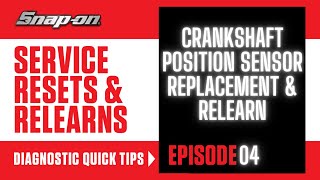
- Crankshaft Position (CKP) Sensor Relearn: The engine computer needs to learn the precise position of the new crankshaft sensor. Skipping this step will result in a persistent flashing Check Engine Light and potential misfire codes.
- Throttle Body Idle Relearn: Required to ensure a smooth idle after battery disconnection and component swapping.
Warning: These programming procedures require a dealer-level diagnostic tool, like the Honda Diagnostic System (HDS), or a high-end professional scan tool. Most DIY-grade scanners cannot perform these functions.
Freight & Delivery Reality

When ordering a used K20C2 engine, it is important to understand how it will arrive. An engine assembly is not a standard parcel delivery.
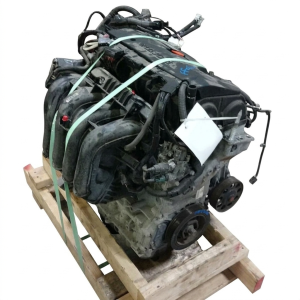
- Size and Weight: The K20C2 assembly weighs approximately 285 lbs and measures roughly 36" x 36" x 32" before crating.
- Shipping Method: It ships as Less-Than-Truckload (LTL) freight on a wooden pallet.
- Receiving the Engine: You will need a forklift or a delivery truck equipped with a liftgate to unload the pallet. Always thoroughly inspect the engine for any shipping damage (like cracked plastic manifolds or broken sensors) before signing the delivery receipt.
Arrival Inspection: Compression and Leak-Down Testing
When your used engine arrives, you must test its internal health before installing it. A good used K20C2 engine should have strong, even compression across all four cylinders. While exact pressure numbers can vary based on the testing tool, the most important rule is consistency. The lowest cylinder pressure must be within 10 to 15 percent of the highest cylinder pressure.
You should also perform a leak-down test. This test pumps compressed air into each cylinder to see how much air escapes past the piston rings or valves. A healthy used engine should show less than 10 percent air loss in each cylinder.
Before the First Start: Fluids and Priming
You must install fresh fluids before starting your replacement engine. Never reuse old oil or coolant. Use a brand new oil filter and fill the engine with fresh 0W-20 viscosity engine oil that meets API (American Petroleum Institute) standards. For the cooling system, you must use Honda Type 2 (blue) antifreeze, or an exact equivalent silicate-free coolant, to prevent internal corrosion.
Because the used engine has been sitting, all the oil has drained into the bottom pan. You must prime (pre-lube) the engine to pump oil to the top parts before the engine actually fires up. Follow these steps:
- Fill the engine with the correct amount of fresh 0W-20 oil and install the new oil filter.
- Fill the cooling system with Honda Type 2 coolant.
- Disable the fuel system so the engine cannot start. The easiest way is to remove the fuel pump fuse from the main fuse box.
- Turn the key and crank the engine for 10 to 15 seconds. This spins the oil pump and pushes oil through the dry engine block.
- Stop and wait 30 seconds to let the starter motor cool down.
- Repeat this 10-second cranking process two or three times until the red oil pressure warning light turns off on your dashboard.
- Reinstall the fuel pump fuse and start the engine normally.
Frequently Asked Questions (FAQ)
Can I use this 2.0L engine in my Civic Si or Type R?
No. The Civic Si and Type R use a completely different turbocharged 2.0L engine (K20C1). The K20C2 is not a performance replacement and is not compatible.
Do I need to replace the Engine Control Unit (ECU)?
No, you must reuse your vehicle's original ECU. However, this ECU needs to be electronically reprogrammed to communicate with the sensors on the replacement engine and to re-authorize the immobilizer system.
What is the most common installation mistake?
The two most common and costly mistakes are reusing the single-use crankshaft pulley bolt and failing to perform the electronic CKP and immobilizer relearn procedures after installation. Both will prevent the vehicle from running correctly.
Is this the same 2.0L engine used in the Honda Accord?
No. While some Accords used a 2.0L K-series engine, it was the K20C4, a turbocharged variant that is not interchangeable with the naturally aspirated K20C2.
What kind of oil does the K20C2 engine take?
The K20C2 requires 4.4 to 5.6 quarts of 0W-20 full synthetic motor oil. Adherence to a strict maintenance schedule, using high-quality oil, and changing it according to the maintenance minder (or at least annually) is critical for longevity.
How long does the K20C2 engine last?
With consistent maintenance, the K20C2 is exceptionally reliable. Many owners report reaching 200,000 to 300,000 miles without major engine repairs, and some express confidence in reaching up to 500,000 miles. Valve clearance adjustments (generally recommended every 24,000 miles for K-series, though intervals may be longer for the K20C2) help ensure this longevity.
Helpful Videos

Technical Specifications
OEM Part Numbers: 90017-RWC-A01
Engine Code: K20C2; Displacement: 2.0 Liters; Configuration: 4-Cylinder; Aspiration: Naturally Aspirated; Family: Honda K-series; Oil Type: 0W-20 Full Synthetic; Oil Capacity: 4.4 to 5.6 quarts; Spark Plugs: NGK DILKAR7H11GS or equivalent; Weight: Approx. 285 lbs; Dimensions: Approx. 36" x 36" x 32" (crated)
We Have This Part in Stock

The information in this article is provided for general reference and educational purposes only. Vehicle specifications, procedures, and part compatibility can vary by production date, trim level, and region. Always consult your vehicle's factory service manual and verify part numbers before purchasing or performing repairs. Safety-critical components such as airbags, seat belts, and braking systems should be installed by a qualified professional.
- Honda Civic:
- 🎬 Helpful Videos
- 🛍️ Shop This Part
- Identifying the 2.0L K20C2 Engine
- VIN Code Check
- Engine Code Location
- Common Failure Symptoms
- Diagnostic Flowchart
- Known Issues, Recalls, and Technical Service Bulletins (TSBs)
- Recall: Piston Pin Snap Ring (Early 2016 Models)
- Recall: Fuel Pump Failure
- Common Wear and Maintenance Issues
- What Fails at Every Mileage Band
- Under 60,000 Miles
- 60,000 - 100,000 Miles
- 100,000 - 150,000 Miles
- Over 150,000 Miles
- Real Owner Experiences
- Repair or Replace?
- Repairable Failure Modes
- When Replacement is Smarter
- Questions to Ask Your Installer
- Replacement Cost Comparison
- What is Included with a Used Engine?
- Installation and Programming Essentials
- Critical Replacement Parts
- Special Tools and Procedures
- Installation Gotchas and Buyer Mistakes
- Required Electronic Programming
- Freight & Delivery Reality
- Arrival Inspection: Compression and Leak-Down Testing
- Before the First Start: Fluids and Priming
- Frequently Asked Questions (FAQ)
- 🎟️ Get 5% Off