

2015-2017 Ford Mustang 2.3L EcoBoost: Problems, Identification, and Used Replacement
Identify the correct VIN H engine, understand common failures like the 'EcoBoom', and learn when to replace your 2.3L EcoBoost with a used OEM unit.
- During any engine swap, you must replace the low-pressure fuel sensor (Part No. BU5Z-9F972-B) to prevent catastrophic 'EcoBoom' failure.
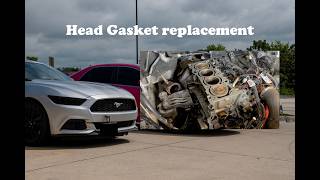
- The 2015-2017 models are prone to head gasket failure; using an updated gasket and ARP head studs during repair or replacement is a critical upgrade.
- After installation, a 'Misfire Monitor Neutral Profile Correction' (CKP sensor relearn) is mandatory using a dealer-level scan tool to avoid running issues and a P0315 code.
- Prevent Low-Speed Pre-Ignition (LSPI) by using 93 octane fuel and full synthetic API SP-rated 5W-30 engine oil.
- This engine is specific to the RWD Mustang and is not interchangeable with 2.3L EcoBoost engines from the Focus RS, Ranger, or Explorer.
Identification: Is This the Right Engine for Your Mustang?

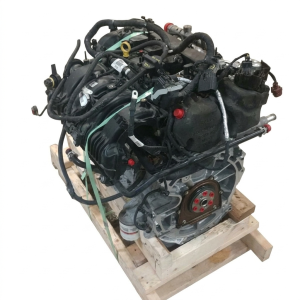
This engine assembly is the 2.3L EcoBoost inline 4-cylinder, a turbocharged and direct-injected engine used in the 2015, 2016, and 2017 Ford Mustang. Direct injection means fuel is sprayed directly into the combustion chamber, which improves efficiency and power.
To confirm this is the correct engine for your vehicle, check the 8th digit of your Vehicle Identification Number (VIN). The VIN is located on a tag at the base of the driver's side windshield and on the sticker inside the driver's door jamb. For this engine, the 8th VIN digit must be 'H'. You can also find the last 8 digits of the VIN stamped on the passenger side of the engine block, near where the transmission connects.
What It Does NOT Fit: The Interchange Myth
While Ford uses the 2.3L EcoBoost engine in many vehicles, they are not all the same. This specific engine is for the rear-wheel-drive (RWD) Mustang only. It will NOT fit and work correctly in these models:
- Ford Focus RS
- Ford Ranger
- Ford Explorer
- Ford Bronco
- Lincoln MKC or Corsair
These other versions have significant differences. For example, the Focus RS engine is mounted transversely (sideways) for front-wheel drive and features a different cylinder head, a larger twin-scroll turbo, and different internal components to produce more horsepower. The block castings, oil pans, wiring harnesses, and mounting points are all different, making a swap impossible without extreme modifications.
Common Failure Symptoms

If your engine is failing, you may notice several serious symptoms. Addressing them early can sometimes prevent a complete engine replacement, but often these signs indicate the engine assembly is beyond repair.
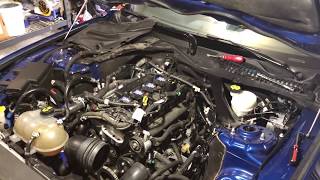
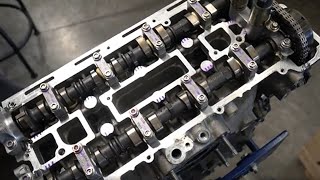
🎬 Watch: Step-by-step 2.3L engine removal walkthrough- White Smoke from Exhaust: Sweet-smelling white smoke, especially after the engine warms up, is a classic sign of coolant burning in the cylinders, usually from a failed head gasket.
- Engine Overheating: If the engine consistently runs hot or overheats, it may be due to a head gasket leak causing coolant loss or combustion gases entering the cooling system.
- Milky Engine Oil: If the oil on your dipstick or under the oil cap looks like a creamy, brown milkshake, coolant is mixing with your oil. This is a critical failure that can quickly destroy engine bearings.
- Engine Misfires, Especially on Cold Starts: Coolant leaking into a cylinder overnight can cause a misfire when you first start the car.
- Catastrophic Failure or "EcoBoom": In some cases, a faulty sensor can lead to a lean fuel condition under boost, causing destructive engine detonation that can break pistons or rods.
Diagnostic Flowchart
Major Known Issues, Recalls, and Bulletins

The 2015-2017 2.3L EcoBoost has several well-documented issues. When buying a used engine, it's critical to ensure these problems have been addressed or to plan for the necessary repairs during installation.
Head Gasket Failure (Community Consensus)
Affected Years: 2015–2019
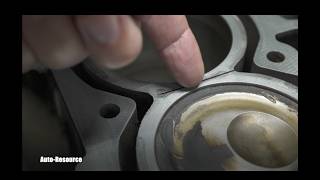
The most notorious issue is head gasket failure, often between cylinders. This is widely attributed to the engine's "open-deck" block design, which has less structural material between the cylinders. When the gasket fails, coolant can leak into the combustion chamber or oil passages. Ford later revised the engine block and head gasket design around mid-2019 to correct this weakness. When replacing an engine, using an updated design or high-quality aftermarket head gasket and studs is a wise investment.
Low-Pressure Fuel Sensor Failure ("EcoBoom")
Affected Years: 2015–2017
A faulty low-pressure fuel sensor can send incorrect readings to the car's computer, leading to a dangerous lean fuel mixture and potentially catastrophic engine failure. This is such a common and critical failure point that this sensor must be replaced during any engine swap. The updated Ford part number is BU5Z-9F972-B. Reusing an old sensor is a major risk.
Warning: Failure to replace the low-pressure fuel sensor (Part No. BU5Z-9F972-B) during installation is a leading cause of repeat engine failure.
Low-Speed Pre-Ignition (LSPI)
Affected Years: 2015–2017
LSPI is a form of abnormal combustion that can occur at low engine speeds with high throttle input (lugging the engine). It can cause severe damage, including broken pistons. Prevention is key: always use high-quality, high-octane fuel (93 octane is recommended) and use a modern engine oil rated API SP, which is specifically formulated to help prevent LSPI.
Carbon Buildup on Intake Valves
Affected Years: 2015–2017
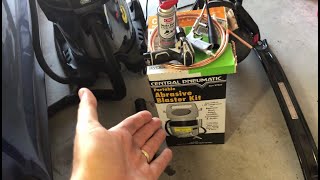
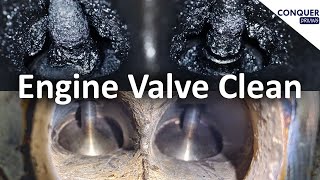
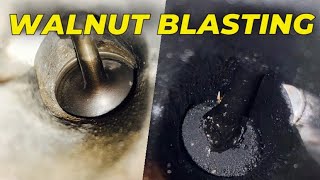
Because this is a direct-injection engine, fuel does not wash over the intake valves to keep them clean. Over time, carbon builds up on the valves, causing rough idling and a loss of power. Performing a manual valve cleaning (such as walnut blasting) while the engine is out of the vehicle is highly recommended.
Official Recalls and Technical Service Bulletins (TSBs)
| ID | Affected Models | Summary / Fix |
|---|---|---|
| Recall 14S27 / NHTSA 14V770000 | Early 2015 Mustangs (built Sep 25 - Oct 2, 2014) | A fuel pressure sensor could leak, creating a fire risk. The fix involves replacing a fuel line jumper and sensor. |
| Recall 16S36 / NHTSA 16V743000 | Certain 2015 Mustangs | An engine oil cooler tube assembly could leak oil, potentially causing engine failure or a fire. The fix is to replace the tube assembly. |
| Recall 15S19 / NHTSA 15V319000 | Some 2015 Mustangs | Addresses elevated underbody temperatures. Dealers install a new fuel tank shield and additional heat shielding. |
| TSB 18-2370 / NHTSA 10153934 | 2015-2017 models at high altitudes (≥3,500 ft) | Addresses a software issue that could cause trouble code P0068. The fix is a Powertrain Control Module (PCM) software update. |
| TSB 15-0078 / NHTSA 10058066 | 2015 Mustangs (built before Dec 19, 2014) | Corrects an issue with oxygen sensor heater circuit codes via a PCM software update. |
| Oil Consumption / Smoke TSB | Some 2015-2016 Mustang EcoBoost models | Addresses oil consumption and smoke. The fix is to replace the crankcase vent oil separator and update the engine's software calibration. |
Replacement Cost Comparison
The cost of getting your Mustang back on the road depends heavily on the type of replacement engine you choose.
| Part Type | Estimated Cost (USD) | Notes |
|---|---|---|
| New OEM | $5,100 - $8,900 | A brand new engine directly from Ford. Often includes the latest design updates. |
| Remanufactured | $3,500 - $6,500 | A used engine that has been completely disassembled, cleaned, inspected, and rebuilt with new wear parts like seals, bearings, and rings. |
| Used OEM | $3,000 - $5,500 | A tested, running engine pulled from a salvage vehicle. Mileage and condition vary. |
| Labor for Installation | $1,800 - $3,500 | Based on an estimated 12-16 hours of shop time at an average labor rate of $150-$200/hour. |
Installation: Critical Steps & Common Mistakes

Installing this engine requires advanced mechanical skill and several special tools. Certain steps are absolutely critical to avoid immediate damage to the replacement engine.
Special Tools & Programming
You will need several Ford-specific timing tools to properly set the engine's timing: the Camshaft Alignment Tool (Ford OEM 303-1565), Crankshaft TDC Timing Peg (Ford OEM 303-507), Crankshaft Position Sensor Alignment Tool (Ford OEM 303-1521), and Flywheel Holding Tool (Ford OEM 303-103). The crankshaft pulley is not keyed to the crankshaft; it is a friction-fit design. Loosening the main crank bolt without the timing tools installed will instantly cause the engine to lose timing, leading to catastrophic failure.
Warning: You must perform a "Misfire Monitor Neutral Profile Correction" (also called a CKP sensor relearn) after installation using a dealer-level scan tool like Ford IDS or FORScan. Failure to do this will result in a P0315 trouble code, rough running, and false misfire detection.
Critical Installation "Gotchas"
- Replace Torque-to-Yield (TTY) Bolts: The crankshaft pulley bolt and the flywheel/flexplate bolts are single-use. They are designed to stretch when tightened and MUST be replaced with new ones. Reusing them can lead to the crank pulley slipping or the flywheel coming loose.
- Manual Transmission Pilot Bearing: If you are installing an engine from an automatic car into a manual car, you must install a new pilot bearing into the crankshaft.
- Clean and Prime Turbo Lines: Ensure the turbocharger's oil and coolant lines are perfectly clean and properly primed before starting the engine to prevent turbo failure from oil starvation.
- Replace Consumables: Always use new gaskets (intake, exhaust, valve cover, thermostat housing), seals (front/rear main), 4 new OE-spec iridium spark plugs (gapped to 0.028"-0.030"), 5.7 quarts of OE-spec 5W-30 full synthetic API SP-rated oil, a Motorcraft FL-910S oil filter, and Motorcraft Orange or Yellow pre-diluted coolant.
- Wiring Harness and Grounds: You must transfer your original engine wiring harness to this replacement engine. The direct injection fuel lines and plastic connectors can become brittle with age. Ensure all engine-to-chassis ground straps are clean and securely reconnected.
- Low-Torque Fasteners: The valve cover and oil pan bolts have low torque specifications. Overtightening can easily crack the components or strip the threads.
What Fails at Every Mileage Band
Pro Tip: The mileage bands below describe used replacement units of that mileage. The checklists are things to do WHILE INSTALLING the purchased engine, not maintenance for your current engine.
Under 60,000 Miles
Even at lower mileages, the pre-2019 engine design is susceptible to head gasket failure. Symptoms include coolant loss, white smoke, and misfires, with some failures reported as early as 29,000 to 48,000 miles. The Low-Pressure Fuel Sensor (LPFS) is a critical failure point known to cause the infamous 'EcoBoom' due to Low-Speed Pre-Ignition (LSPI). External water pumps can also develop slow leaks under 40,000 miles.
Do during install (required):- Replace the Low-Pressure Fuel Sensor (LPFS) with the updated Ford part (BU5Z-9F972-B) to prevent LSPI-related failure.
- Install a new set of OE-spec spark plugs, correctly gapped.
- Use all new gaskets (intake, exhaust, valve cover) and torque-to-yield bolts (crank pulley, flywheel).
- Inspect and consider replacing the water pump and belt tensioner, as leaks can start early.
- Perform a manual intake valve cleaning (walnut blasting) to remove any early-stage carbon buildup, which is common on direct-injection engines.
60,000 - 100,000 Miles
Head gasket failure remains a primary concern in this range, with failures frequently reported between 60,000 and 98,000 miles. Performance degradation due to carbon buildup on intake valves becomes more likely, causing rough idle and loss of power. Turbochargers are sensitive to maintenance; neglected oil changes can lead to wear. A failing EVAP purge valve is common and can cause shaking after refueling. The plastic valve cover can also warp from heat cycles, causing oil leaks.
Do during install (required):- All items from the 'Under 60k' band apply.
- Replace the EVAP purge valve.
- Thoroughly inspect the turbocharger for shaft play and signs of oil leaks in the compressor or turbine housings. Ensure all oil and coolant lines are clear.
- Replace all fluids, including engine coolant and differential fluid.
- Replace the water pump, thermostat, belt tensioner, and idler pulley as preventative maintenance.
- STRONGLY RECOMMEND: Perform a manual intake valve cleaning (walnut blasting) as significant carbon buildup is likely.
100,000 - 150,000 Miles
There is an increased likelihood of all previously mentioned failures, especially head gasket and turbocharger issues if the engine was not meticulously maintained. While not widespread, timing chain stretch can occur on high-mileage engines. Ancillary components like alternators, starters, and sensors are more prone to failure due to age. Exhaust manifolds are also prone to cracking from high temperatures.
Do during install (required):- All items from the previous bands are considered mandatory.
- Assume the turbocharger has significant wear. A thorough inspection is critical. Budget for a replacement or rebuild, especially if the previous engine failed catastrophically.
- Consider replacing the high-pressure fuel pump (HPFP) as it can fail over time.
- Replace the entire timing chain system (chain, guides, tensioners) for peace of mind, as this is a labor-intensive job to do later.
- Replace all accessible seals, including front and rear main seals.
Over 150,000 Miles
At this mileage, failure is typically due to the cumulative effect of wear and tear. The service history is the single most important factor. A head gasket failure on an original-design block is highly probable if it hasn't happened already. Turbocharger failure is a high risk if it's the original unit.
Do during install (required):- A used engine in this mileage band is a significant risk. Assume a full rebuild or replacement of all major wear items is necessary.
- Mandatory replacement of the turbocharger, water pump, all gaskets and seals, timing components, and all sensors identified as common failure points (LPFS, EVAP purge valve).
- A comprehensive inspection of the block and cylinder head for warping or cracks is essential before installation.
- A full rebuild of major wear items.
Real Owner Experiences
The service life of the 2.3L EcoBoost is highly dependent on maintenance. With meticulous care, using high-quality API SP-rated oil, and avoiding lugging the engine, it can last 200,000 miles or more. However, poor maintenance or aggressive tuning can lead to early failure.
| Source | Mileage | What Happened | Cost / Resolution |
|---|---|---|---|
| Mustang6G.com | 58,000 | While driving at 75mph, the engine made a 'pop and clunk' followed by a cloud of smoke. Oil pressure dropped to zero, and there was a small fire in the engine bay. The engine was destroyed. | Covered under warranty. |
| Reddit r/ecoboostmustang | 29,000 and 61,000 | A 2017 model experienced head gasket failure twice. The first time was at 29k miles in 2019, and the second was at 61k miles in 2023. Symptoms were cold start misfires and white exhaust smoke with coolant loss. | First repair was with a stock gasket from a dealer. The second repair used an upgraded Supertech gasket and ARP head studs. |
| BobIsTheOilGuy Forums | 61,000 | The original engine in a 2016 Mustang EcoBoost failed. The owner noted they drive in a very hot climate and had a Ford Performance tune installed. | Engine replacement. The replacement engine also failed after 35,000 miles. |
| Mustang6G.com | 98,000 | A 2016 Mustang developed a blown head gasket. The owner had previously experienced sputtering issues after filling the gas tank for several months. | Owner was quoted for a new engine, as local shops were hesitant to perform the head gasket repair due to the known defect in the block design of that era. |
| Mustang6G.com | 88,000 | A 2016 Mustang required replacement of the fuel injectors at 54,000 miles and had an A/C evaporator failure at 66,000 miles. The owner reported diligent 5,000-6,000 mile oil changes. | Repairs were covered under an extended warranty. |
| Reddit r/ecoboostmustang | 82,000 to 100,000 | Owner of a 2017 model replaced the EVAP purge valve, low-pressure fuel sensor, and valve cover gasket due to various issues including shaking after fill-ups and an oil leak. | DIY and shop repairs for various components. |
| Reddit r/ecoboostmustang | 129,000 | Owner of a 2017 model experienced head gasket failure. Opted to replace the entire long block with the updated engine design from Ford to permanently correct the issue. | OEM Longblock replacement. |
| Reddit r/ecoboostmustang | 170,000 | A 2015 6-speed model is reported to be running at this mileage, indicating that a long life is possible. | Not specified, implies regular maintenance. |
| Reddit r/ecoboostmustang | Just over 100,000 | A 2015 model started misfiring and showing exhaust smoke. The issue persisted after changing plugs and coils, strongly suggesting a head gasket failure. | Vehicle was lost in a flood before final repair. |
| 275,000 | A user reported their 2015 EcoBoost reached 275,000 miles, showing that exceptional service life is achievable. | Not specified, but implies diligent maintenance. | |
| Quora | 160,000 | A user reported their daughter-in-law's car reached this mileage with the only major non-engine issue being a failed A/C evaporator. | $1,500 for A/C repair at a dealer. |
| Reddit r/ecoboostmustang | 190,000 | An owner posted a 'farewell' to their EcoBoost at this mileage, suggesting it provided a long service life before being replaced. | Not applicable. |
| Not Stated (2015) | Quoted by Ford dealer for a new engine replacement due to head gasket problem. | $12,000 | |
| Mustang6G.com Forum | Not Stated | Forum member reported a dealer cost for a new engine plus labor after an 'EcoBoom' event. | >$7,500 |
| Not Stated | User in Southern California reported the average cost for a new engine and labor after an engine failure. | $9,000 - $10,000 | |
| Not Stated | User reported a quote from a Ford dealer for engine replacement. | $9,500 | |
| Mustang6G.com Forum | Not Stated (2015) | Owner was quoted for a rebuild due to head gasket and valve seal failure. | $8,000 - $10,000 |
| 35,000 (2019) | Owner with a head gasket leak was quoted for a repair. Deciding between repairing and trading the car in. | $5,000 |
Repair or Replace?
Deciding whether to repair your current engine or replace it entirely depends on the severity of the failure. Some issues are repairable, while others make a complete replacement the smarter financial choice.
- Repairable (Head Gasket - Uncomplicated): If caught early with no evidence of coolant/oil mixing, cylinder head warping, or block damage, a head gasket repair typically costs $2,500-$4,000. The cylinder head must be checked for flatness. Using an upgraded multi-layer steel (MLS) gasket and ARP head studs is highly recommended.
- Repairable (Carbon Buildup): This is a maintenance issue costing $500-$800 for a manual cleaning (walnut blasting).
- Repairable (Oil Consumption/Smoke TSB): Replacing the crankcase vent oil separator and updating the PCM calibration costs $400-$900 and does not require engine removal.
When Replacement is Smarter: Replacement with a complete used or new long block is the smarter financial decision when you experience an 'EcoBoom' (catastrophic failure from the low-pressure fuel sensor or LSPI), significant head gasket failure causing the cylinder head to warp beyond serviceable limits, extensive coolant and oil mixing, or a connecting rod failure that damages the engine block. Many shops are reluctant to perform internal rebuilds on this engine. Given the relatively low cost of a used engine ($3,000-$5,500) compared to the labor-intensive process of a proper rebuild ($8,000+), replacement is often the default choice for major failures.
Questions to Ask Your Installer
Before handing over your vehicle, ask your mechanic these specific questions to ensure they are qualified to perform this swap:
- Have you worked on this specific 2.3L EcoBoost engine before and do you have the special timing tools (303-1565, 303-507, 303-1521)?
- Will you be replacing the torque-to-yield crankshaft pulley bolt and flywheel bolts with new ones?
- What is your process for the Crankshaft Position (CKP) sensor alignment and the subsequent Misfire Monitor Neutral Profile Correction relearn procedure with a scan tool like FORScan or IDS?
- Will you be installing a new, updated low-pressure fuel sensor (Part No. BU5Z-9F972-B)? This is critical.
- If my car is a manual, will you be installing a new pilot bearing into the crankshaft?
- How will you inspect my original turbo, and what is your procedure for priming the oil lines to the turbo on the new engine before the first start?
- What brand and specification of oil (API SP-rated 5W-30), coolant, and spark plugs will you be using for the installation?
- Can you provide a detailed, itemized quote that separates the cost of the engine, labor, and all required consumable parts and fluids?
Freight & Delivery Reality

Buying a used engine assembly means dealing with heavy freight. This is not a standard parcel delivery. A complete 2.3L EcoBoost engine assembly weighs approximately 456 lbs and measures roughly 44" x 43" x 42" before crating. It ships as Less-Than-Truckload (LTL) freight on a wooden pallet.
Because of its size and weight, the delivery truck will require a liftgate to lower the pallet to the ground if you are having it delivered to a residential address or a shop without a loading dock. Always perform a pre-purchase verification interview with the seller to confirm the 8th VIN digit is 'H' and to clarify if the donor vehicle was an automatic or manual transmission. Finally, when the engine arrives, you must inspect it for shipping damage before signing the delivery receipt.
Frequently Asked Questions (FAQ)
Q: Is the turbocharger included with a used engine?
A: It varies. A standard used "long block" assembly typically includes the cylinder block and cylinder head with all their internal parts. However, accessories like the turbocharger, intake manifold, alternator, and starter are often not included. Always confirm with the seller exactly what parts are included with the engine you are buying.
Q: Do I need to have the car's computer reprogrammed?
A: You do not need to reprogram the entire Powertrain Control Module (PCM), but you absolutely must perform the Misfire Monitor Neutral Profile Correction (crankshaft position sensor relearn) procedure. This calibrates the sensor to the new engine's crankshaft and is not optional.
Q: What is the best oil to use in this engine?
A: Use 5.7 quarts of a full synthetic 5W-30 engine oil that meets the API SP specification. This modern oil rating is specifically designed to help prevent Low-Speed Pre-Ignition (LSPI), a known issue with these engines.
Q: What exactly is an "EcoBoom"?
A: "EcoBoom" is a slang term used by the community to describe a catastrophic engine failure in the EcoBoost engine. In the 2015-2017 Mustang, this is most commonly caused by a failing low-pressure fuel sensor that sends bad data to the computer, causing the engine to run dangerously lean under boost, which shatters pistons or bends connecting rods.
Q: Can I use a 2.3L EcoBoost from a Focus RS or Explorer instead?
A: No. While they share the 2.3L EcoBoost name, the engines used in the Focus RS, Explorer, Ranger, and Bronco have completely different block castings, cylinder heads, oil pans, and mounting points. The Mustang engine is unique to its rear-wheel-drive layout.
Q: What is LSPI and how do I prevent it?
A: Low-Speed Pre-Ignition (LSPI) is an abnormal combustion event where the fuel ignites too early, causing massive pressure spikes that destroy engine internals. To prevent it, avoid "lugging" the engine (applying heavy throttle at low RPMs in a high gear), always use 93 octane fuel, and use API SP-rated engine oil.
Helpful Videos


![MUSTANG ECOBOOST - LOW PRESSURE FUEL SENSOR! [15-21]](https://img.youtube.com/vi/o-th9xmoYdQ/mqdefault.jpg)

Technical Specifications
OEM Part Numbers: BU5Z-9F972-B
Engine Type: 2.3L EcoBoost Inline 4-Cylinder; Drivetrain: Rear-Wheel-Drive (RWD); VIN Digit (8th): H; Oil Type: 5W-30 Full Synthetic API SP; Oil Capacity: 5.7 quarts; Spark Plug Gap: 0.028"-0.030"; Shipping Weight: ~456 lbs; Shipping Dimensions: ~44" x 43" x 42"
We Have This Part in Stock

The information in this article is provided for general reference and educational purposes only. Vehicle specifications, procedures, and part compatibility can vary by production date, trim level, and region. Always consult your vehicle's factory service manual and verify part numbers before purchasing or performing repairs. Safety-critical components such as airbags, seat belts, and braking systems should be installed by a qualified professional.
- Ford Mustang:
- 🎬 Helpful Videos
- 🛍️ Shop This Part
- Identification: Is This the Right Engine for Your Mustang?
- What It Does NOT Fit: The Interchange Myth
- Common Failure Symptoms
- Diagnostic Flowchart
- Major Known Issues, Recalls, and Bulletins
- Head Gasket Failure (Community Consensus)
- Low-Pressure Fuel Sensor Failure ("EcoBoom")
- Low-Speed Pre-Ignition (LSPI)
- Carbon Buildup on Intake Valves
- Official Recalls and Technical Service Bulletins (TSBs)
- Replacement Cost Comparison
- Installation: Critical Steps & Common Mistakes
- Special Tools & Programming
- Critical Installation "Gotchas"
- What Fails at Every Mileage Band
- Under 60,000 Miles
- 60,000 - 100,000 Miles
- 100,000 - 150,000 Miles
- Over 150,000 Miles
- Real Owner Experiences
- Repair or Replace?
- Questions to Ask Your Installer
- Freight & Delivery Reality
- Frequently Asked Questions (FAQ)
- 🎟️ Get 5% Off