

2018-2022 Equinox & Terrain 1.5L Turbo LYX AWD: Problems, Identification, and Used Replacement
Identify the 1.5L LYX AWD engine, understand what causes catastrophic failures, and learn when to replace it with a reliable used OEM unit.
- Verify you are purchasing the correct AWD-specific LYX engine (VIN 'V', RPO LYX/F48) with the structural aluminum oil pan, as FWD or other GM 1.5L engines are not interchangeable.
- During installation, it is mandatory to replace the one-time-use high-pressure fuel line and all torque-to-yield (TTY) bolts to prevent catastrophic fuel leaks and component failure.
- Always install a brand-new camshaft-driven vacuum pump on the replacement engine, as failure of the old pump can immediately destroy the new engine's camshaft.
- After installation, a Crankshaft Position (CKP) System Variation Relearn procedure must be performed with a GM-specific scan tool to prevent misfire codes and poor running.
- Use only dexos1 Gen 2 or Gen 3 certified full synthetic 0W-20 or 5W-30 oil to prevent Low-Speed Pre-Ignition (LSPI), which can cause catastrophic piston failure.
Engine Identification: Confirming the 1.5L LYX AWD

The engine used in the 2018–2022 Chevrolet Equinox and GMC Terrain is a 1.5L turbocharged inline 4-cylinder known as the LYX, part of the General Motors Small Gasoline Engine (SGE) family. This specific version was designed only for All-Wheel Drive (AWD) models. Correctly identifying this engine before purchase is critical, as other similar-looking GM engines will not fit or function properly.
Check Your VIN and RPO Codes
The easiest way to confirm you have the correct engine is by checking your vehicle's identification numbers. A proper pre-purchase verification interview with your parts supplier should always include these checks:
- VIN Check: The 8th character of your vehicle's VIN (Vehicle Identification Number) must be a V.
- RPO Code Check: Look for the Service Parts Identification (SPID) label, usually located in the glove box or trunk. On this label, you should find the code LYX for the engine and F48 for the All-Wheel Drive system.
- Visual Check: Confirm your vehicle is AWD by looking for an AWD badge, a rear driveshaft, or an AWD button on the center console.
Key Interchange Differences
This engine is not interchangeable with units from Front-Wheel Drive (FWD) models or other GM vehicles that use a 1.5L engine, such as the Chevrolet Malibu (LFV engine) or Buick Encore (LE2 engine) due to differences in mounting, wiring, and calibrations.
Warning: The AWD version of the LYX engine uses a unique, structural upper aluminum oil pan. This pan is designed with integrated mounting points to clear and bolt directly to the transmission and the AWD transfer case (also called the Power Take-Off Unit or PTU). The FWD engine has a different oil pan, holds less oil, and cannot be used in an AWD vehicle.
Common Failure Symptoms
A failing 1.5L LYX engine can present several distinct symptoms. If you experience these, a thorough diagnosis is necessary to confirm if the engine assembly needs replacement.
- Engine Knocking or Ticking: This can indicate severe internal damage, such as cracked pistons from Low-Speed Pre-Ignition (LSPI) or damage from a failed vacuum pump.
- Loss of Power or No-Start Condition: A seized camshaft-driven vacuum pump can damage the exhaust camshaft, leading to incorrect timing and preventing the engine from starting.
- Increased Brake Pedal Effort: The vacuum pump assists the power brakes. If it fails, you may notice the brake pedal becomes much harder to press.
- Excessive Oil Consumption or External Leaks: Clogged PCV (Positive Crankcase Ventilation) system components can cause high pressure inside the engine, forcing oil past the crankshaft seals. Cracked pistons can also lead to burning oil.
- Misfire Codes (P0300-P0304): While many issues can cause misfires, on this engine it can be a sign of cracked spark plug ceramics or, more seriously, piston damage.
Diagnostic Flowchart
Known Problems, Recalls, and Technical Service Bulletins (TSBs)

This engine has several well-documented issues. Always check if these have been addressed on a used engine or if your vehicle has an open recall.
| Issue | Document(s) | Affected Models | Description & Remedy |
|---|---|---|---|
| Cracked Pistons / Low-Speed Pre-Ignition (LSPI) | TSB 16-NA-367 | 2018–2022 | LSPI is a premature combustion event that can happen in turbocharged, direct-injection engines. It creates a massive pressure spike that can crack the pistons, leading to catastrophic engine failure. Using the wrong oil is a primary cause. The required remedy is mandatory use of dexos1 certified full synthetic oil (0W-20 or 5W-30) to help prevent this condition. |
| Camshaft-Driven Vacuum Pump Failure | TSB 21-NA-268 / PIP5835 | 2018–2022 | The mechanical vacuum pump, driven by the exhaust camshaft, can seize. When it does, it can damage the camshaft, knock the cam sensor reluctor wheel out of position, and spread metal debris throughout the engine. Symptoms include a no-start condition, increased brake pedal effort, and various camshaft-related diagnostic codes. The fix requires inspecting the exhaust camshaft on the replacement engine and installing a brand-new vacuum pump. Do not reuse a worn or contaminated vacuum pump. |
| Start/Stop Accumulator Bolt Recall | NHTSA Recall 20V668000 / GM N202313440 | 2018–2020 | Bolts on the transmission's start/stop accumulator may be missing or loose, which can cause a dangerous transmission fluid leak. This can lead to a loss of propulsion and creates a fire risk. Dealers will inspect the accumulator and replace it if bolts are missing. Installers must verify these bolts are present and torqued correctly during installation. |
| High-Pressure Fuel Pump Failure | GM Customer Satisfaction Program N182199610 | 2018–2019 | The high-pressure fuel pump can crack or leak. This is a severe fire hazard, as it can spray fuel in the engine bay. GM initiated a program to replace cracked or leaking high-pressure fuel pumps on affected vehicles. |
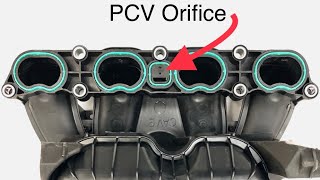
| PCV Orifice Clogging & High Crankcase Pressure | TSB 20-NA-047 | 2018–2022 | The small PCV orifice in the intake manifold can become clogged with carbon deposits. This traps pressure inside the engine, which can blow out the front or rear main crankshaft seals, causing a major oil leak. The remedy is to clean or replace the affected PCV components. |
| Charge Air Cooler (CAC) Freezing / Icing | TSB 18-NA-020 | 2018–2022 | In cold climates, moisture can freeze in the charge air cooler system, blocking airflow and causing a sudden loss of power or hydrolock. GM remedies include a winter grille cover, lower shutter retrofit, and an ECM software update. |
| Charge Air Cooler Outlet Duct Disconnect | Recall N192271200 | 2019 | The duct connecting the charge air cooler to the throttle body can disconnect. Dealers install an improved retainer clip to secure the duct. |
| Carbon Buildup on Intake Valves | TSB 16-NA-383 | 2018–2022 | As a direct-injection engine, carbon accumulation on the intake valves is common and can cause rough idle or misfires. The remedy is to perform a decarbonizing procedure as outlined in GM guidelines. |
| Engine Misfires / Spark Plug Issues | TSB PIE0495 | 2018–2019 | Ceramic failure on spark plugs can cause engine misfires. Inspect and replace spark plugs if ceramic failure is present. |
Repair or Replace?

When facing major engine trouble, deciding whether to repair your current engine or replace it with a used unit comes down to the severity of the failure and the cost of parts and labor.
- When Repair Makes Sense: If the camshaft-driven vacuum pump has failed but has NOT seized or sent metal debris through the engine, repair is viable. A dealer replacement was quoted at $1,500, while an independent shop charged another owner $281. If the high-pressure fuel pump is leaking externally but hasn't caused a fire or internal damage, replacement is straightforward and typically costs $728 to $932. A simple external PCV valve replacement can be inexpensive ($88 to $120).
- When Replacement is Smarter: The engine needs to be replaced if it has suffered catastrophic internal failure. Repairing cracked pistons (due to LSPI) can cost between $7,000 and $10,000, often exceeding the value of the vehicle. If a seized vacuum pump destroyed the camshaft and sent metal shavings through the oil, or if the timing chain failed and bent the valves, a used engine replacement is the more economical choice. Furthermore, if PCV system failure requires replacing the valve cover and plastic components break and fall into the cylinder head, one owner was quoted over $4,000 for the repair, making a full engine swap a better value.
Used Engine Replacement Cost
The cost of replacing a 1.5L LYX engine varies based on the type of replacement unit and local labor rates. The provided labor estimate of 12 to 15 hours is for the engine swap itself and does not include diagnostic time or transferring external components.
| Part or Service | Estimated Cost (USD) | Notes |
|---|---|---|
| Used OEM Engine | $750 – $2,200 | Price depends on mileage and warranty. Used units are widely available and offer the best value. |
| Remanufactured Engine | $1,600 – $3,500 | Comes with new internal wear parts and often a longer warranty. |
| New OEM Crate Engine | $4,500 – $12,607.10+ | Brand new from a GM dealer; the most expensive option. |
| Shop Labor | $1,800 – $2,500 | Based on a typical shop rate for 12 to 15 hours of work. |
What Fails at Every Mileage Band
Pro Tip: The mileage bands below describe what to expect from USED REPLACEMENT UNITS of that mileage. The checklists provided are things you must do WHILE INSTALLING the purchased engine, not general maintenance for your current vehicle.
Under 60,000 Miles
Even low-mileage engines can suffer from sudden camshaft-driven mechanical vacuum pump failure, leading to a sudden loss of brake assist and potential engine damage. Cracked pistons from LSPI can also occur early if the wrong oil was used. Turbocharger wastegate solenoids may fail, and cold-climate charge air cooler freezing is a risk.
- ✓Do during install (required): Replace the high-pressure fuel line and all torque-to-yield (TTY) bolts.
- ✓Do during install (recommended): Install a brand new OEM vacuum pump, regardless of the mileage of the replacement engine. The risk of the old pump failing and destroying the new engine is too high.
- ✓Do during install (recommended): Perform a thorough cleaning of the charge air cooler (intercooler) and all associated piping to remove any pooled oil or moisture.
- ✓Cheap insurance while the engine is out: Inspect and clean PCV system components. Service the transmission fluid (many owners report smoother operation when serviced between 40,000-60,000 miles).
60,000 - 100,000 Miles
Vacuum pump failure remains a significant risk. The PCV orifice can clog, leading to high crankcase pressure and blown rear main seals. Carbon buildup on the intake valves becomes more prominent, potentially causing rough idle or misfires. Radiator leaks have also been reported in this band.
- ✓Do during install (required): Replace the high-pressure fuel line, all TTY bolts, and install a new vacuum pump.
- ✓Do during install (recommended): Replace the spark plugs with new OEM iridium plugs. Perform an intake valve decarbonizing service (walnut blasting) while the engine is out and accessible. Replace the thermostat and gasket.
- ✓Cheap insurance while the engine is out: Service the AWD system, including changing the transfer case (PTU) and rear differential fluid.
100,000 - 150,000 Miles
The turbocharger itself may require replacement in this range. While the timing chain is generally considered durable if oil changes are frequent, issues can arise if maintenance was deferred. Repeated vacuum pump failures are possible if the pump wasn't replaced proactively.
- ✓Do during install (required): Replace the high-pressure fuel line, all TTY bolts, and install a new vacuum pump.
- ✓Do during install (recommended): Replace the water pump. Replace all accessible seals and gaskets, such as the front and rear crankshaft seals. Thoroughly inspect the turbocharger being transferred from the old engine for shaft play, and replace oil and coolant lines.
- ✓Cheap insurance while the engine is out: Inspect the timing chain, guides, and tensioner for wear and consider replacement.
Over 150,000 Miles
Owner reports suggest the 1.5L LYX engine can reliably exceed 150,000 miles and potentially reach 200,000-250,000 miles, but this is highly conditional on meticulous maintenance (oil changes every 3,000 to 5,000 miles). At this mileage, failures are related to overall wear, and turbocharger replacement is highly likely.
- ✓Do during install (required): Replace the high-pressure fuel line, all TTY bolts, and install a new vacuum pump.
- ✓Do during install (recommended): A buyer should strongly consider using a lower-mileage engine rather than a high-mileage one, as the cost of preventative parts replacement during installation can become significant. If transferring the turbocharger, a full rebuild or replacement is a wise investment.
- ✓Cheap insurance while the engine is out: Replace the timing chain, water pump, and all major seals.
Real Owner Experiences
| Source | Mileage | What Happened | Cost |
|---|---|---|---|
| Chevy Equinox Forum | 49,000 | Owner had the dealer proactively replace the vacuum pump to avoid failure. | Not specified, but done as preventative maintenance. |
| BobIsTheOilGuy Forums | 29,000 | Turbo wastegate solenoid was replaced under warranty. | $0 (Warranty) |
| Chevy Equinox Forum | 75,000 | Sudden vacuum pump failure led to loss of brake assist. Repair required teardown involving the vacuum pump, timing chain, and camshaft. | Not specified, but extensive. |
| 80,000 | Vehicle known for oil use issues related to the timing chain. | Not specified. | |
| Chevy Equinox Forum | 96,000 | Radiator sprung a massive leak. | Not specified. |
| Chevy Equinox Forum | 123,000 | Owner has replaced tire pressure sensors and a battery, but no major engine issues reported. | Minimal |
| CarComplaints.com | 151,307 | Third vacuum pump failure. This time, the failure also damaged the camshaft, requiring both to be replaced. | High (not covered by GM due to mileage). |
| Chevy Equinox Forum | 238,000 | Owner reported no check engine lights, only routine maintenance like oil, brakes, and tires. | Routine Maintenance Only |
| Chevy Equinox Forum | 270,000 | Check engine light indicated the turbo needs to be replaced. Otherwise, only alternator, battery, and brakes had been replaced. | Anticipated turbo replacement cost. |
| 233,000 | Garage quoted for replacement with a used engine (75,000 miles). | $4,702.90 | |
| Not Stated | Shop quoted for replacement with a used engine ($4,700) and labor ($2,200). (2015 Equinox, similar engine family issues) | $8,400 quoted | |
| Low (at purchase) | Engine blew up due to a known issue. Replaced with a used engine. | $4,000 for used engine | |
| BobIsTheOilGuy Forums | 12,500 | Engine seized due to water/ice in the intercooler (hydrolock). Replaced with a new engine under warranty. | $0 (Warranty) |
Installation: Critical Steps & Common Mistakes

Installing a used 1.5L LYX engine is an advanced to expert-level job. Several unique steps are required to prevent immediate damage to the replacement engine or vehicle.
Required Parts & Fluids for the Swap
Always install the following new parts and fluids during an engine swap to ensure reliability:
- Oil & Filter: 5.3 quarts (5.0 liters) of full synthetic SAE 0W-20 or 5W-30 oil that is dexos1 Gen 2 or Gen 3 certified, plus an ACDelco PF64 filter or equivalent.
- Coolant: GM-approved Dex-Cool antifreeze (50/50 pre-mix).
- Gaskets & Seals: Intake manifold gasket, exhaust manifold gasket, turbocharger gaskets, thermostat housing gasket, vacuum pump seal/gasket, and new front and rear crankshaft seals.
- Fuel System Parts: A new GM high-pressure fuel line is mandatory, as it is a one-time-use crush-seal design. Also, replace the high-pressure fuel pump O-ring.
- Hardware: Torque-to-Yield (TTY) bolts for the harmonic balancer, flywheel/flexplate, and camshaft sprocket must be replaced.
- Ignition: New OEM iridium spark plugs (pre-gapped).
Installation Gotchas & Pro Tips
Warning: The high-pressure fuel pipe that connects the pump to the fuel rail is a one-time-use part. It uses a crush-seal design that will not seal properly a second time. Reusing it creates a severe risk of a high-pressure fuel leak directly over the hot engine, causing fires.
Pro Tip: Before installing the engine, inspect the inside of the charge air cooler (CAC) and its piping for any pooled oil or moisture from the previous engine's failure. Clean it thoroughly to prevent this residue from being ingested by the replacement engine on startup.
- Vacuum Pump Inspection: If the original engine failed because the vacuum pump seized, you must install a brand-new vacuum pump on the replacement engine. Do not reuse the old one, as bolting on a failing vacuum pump can immediately destroy the replacement engine's camshaft.
- AWD Transfer Case (PTU) Alignment: The PTU must be carefully aligned and bolted to the structural upper aluminum oil pan to prevent spline damage or severe vibrations.
- PCV System Brittleness: The plastic PCV tubes and connectors become very brittle with age. Handle them with care and expect to replace any that crack or break during the swap.
- Turbocharger Transfer: Damaging oil/coolant lines or failing to use new gaskets during transfer leads to leaks and turbo failure.
Special Tools & Programming
A successful installation requires specific tools and software procedures that cannot be skipped.
Warning: After installation, a Crankshaft Position (CKP) System Variation Relearn procedure is mandatory. If this step is skipped, the engine will run poorly, trigger immediate misfire codes (P0300), and may lead you to mistakenly believe the replacement engine is defective.
- Specialty Tools: You will need a camshaft holding/alignment tool (GM EN-51367), a fuel injector remover/installer tool (GM EN-51146), high-pressure fuel line quick-disconnect tools, and a smoke machine (GE-52250) to check for vacuum leaks.
- Mandatory Programming: After the engine is installed, a Crankshaft Position (CKP) System Variation Relearn procedure must be performed with a GM-compatible diagnostic scan tool (such as an MDI 2 with GDS2 software). If this step is skipped, the engine will run poorly, trigger immediate misfire codes, and often lead the buyer to mistakenly think the replacement engine is bad. Immobilizer/Security Relearn and ECM/PCM Programming updates are also highly recommended.
Questions to Ask Your Installer
Before handing over the keys, ask your mechanic these questions to ensure the job is done right:
- Have you confirmed this is an AWD-specific (LYX, VIN V) engine with the correct structural oil pan?
- Will you be installing a brand-new, one-time-use high-pressure fuel line?
- Will you be replacing all torque-to-yield (TTY) bolts, including those for the harmonic balancer and flexplate?
- Will you be installing a brand-new vacuum pump and inspecting the camshaft for wear?
- Do you have the GM-specific scan tool (GDS2) required to perform the mandatory Crankshaft Position (CKP) System Variation Relearn procedure after installation?
- Will you inspect the charge air cooler and piping for pooled oil or moisture and clean it before startup?
- Have you verified the start/stop accumulator bolts on the transmission are present and correctly torqued per recall 20V668000?
- What brand and viscosity of dexos1 certified full synthetic oil will you be using for the initial fill?
Freight, Delivery, and Pre-Purchase Verification

When ordering a used 1.5L LYX engine assembly, it is important to understand how it will arrive. This is a heavy industrial part, not a standard parcel.
- Shipping Dimensions and Weight: A verified, un-crated 1.5L LYX engine assembly weighs approximately 267 lbs and measures roughly 32" x 33" x 29".
- Freight Delivery: Because of its size and weight, the engine will ship as LTL (Less Than Truckload) freight on a wooden pallet. It will arrive via a large freight truck.
- Liftgate Service: If you are having the engine delivered to a residential address or a shop without a loading dock or forklift, you must request liftgate service so the driver can safely lower the pallet to the ground.
- Inspect Before Signing: Always inspect the engine while it is still on the pallet and the driver is present. Check for any damage to the structural aluminum oil pan, plastic valve covers, or sensors that may have occurred during transit. Do not sign the delivery receipt until you have verified the engine's condition.
Before the First Start: Fluids and Priming
When installing a used engine, you must protect the internal parts from starting dry. A dry start can instantly ruin the engine. Always use fresh fluids and prime the oil system before letting the engine run.
Mandatory Fluids
- Engine Oil: You must use fresh 0W-20 full synthetic oil that meets the GM dexos1 Gen 2 (or newer Gen 3) standard. Do not reuse old oil. Install a brand-new, high-quality oil filter.
- Engine Coolant: Use only fresh Dex-Cool (orange) antifreeze mixed 50/50 with clean water. Using the wrong coolant can cause sludge and ruin the water pump.
Oil Priming Procedure
Priming means pumping oil through the engine before it actually starts and runs. This coats the moving parts with oil to prevent damage.
- Fill the fluids: Fill the engine with the correct amount of oil and fill the cooling system.
- Disable the fuel system: Remove the fuel pump fuse or relay. This stops fuel from spraying into the engine so it will not start.
- Crank the engine: Turn the key to the "Start" position and let the starter motor spin the engine for 10 to 15 seconds.
- Wait and repeat: Let the starter cool down for one minute. Then, crank the engine again for another 10 to 15 seconds. Watch the dashboard for the low oil pressure warning light to turn off, which means oil is flowing.
- Start the engine: Put the fuel pump fuse or relay back in. Start the engine normally and let it idle (run slowly without pressing the gas pedal).
- Check for leaks: Look under the vehicle and around the engine for any dripping oil or coolant. Check the oil dipstick to make sure the level is correct.
Long Block vs. Complete Assembly
When shopping for a used 1.5L LYX engine, you will usually see two choices: a long block or a complete assembly. It is important to know exactly what you are buying.
- Long Block: This includes the core engine parts. You get the engine block, cylinder head, internal moving parts, valve cover, and the special AWD oil pan. It does not include bolt-on accessories.
- Complete Assembly: This includes the long block plus extra parts. It usually comes with the turbocharger, intake and exhaust manifolds, and the high-pressure fuel pump.
Most used LYX engines are sold as long blocks. This means you will need to swap your original turbocharger, alternator, and manifolds over to the replacement engine. Always ask the seller exactly which parts are left on the engine before you buy.
Frequently Asked Questions (FAQ)
Can I use an engine from a FWD Equinox in my AWD Terrain?
No. The AWD model requires a specific structural upper aluminum oil pan with mounting points for the transfer case (PTU). The FWD engine's oil pan is different, holds less oil, and will not work.
Does the used engine come with the turbocharger?
Sometimes, but not always. Recyclers are not required to include the turbocharger per standard ARA guidelines. You should plan to carefully transfer the turbocharger from your original engine, using all new gaskets and oil/coolant line seals.
Why is my car misfiring right after I installed a used engine?
The most common reason is a failure to perform the Crankshaft Position (CKP) System Variation Relearn procedure. This calibration is mandatory and requires a professional-grade GM scan tool (like GDS2). Without it, the engine's computer cannot accurately detect crankshaft position, leading to immediate misfire codes and poor performance.
What is the correct oil for the 1.5L Turbo LYX engine?
You must use a full synthetic SAE 0W-20 or 5W-30 motor oil that meets GM's dexos1 Gen 2 or Gen 3 specification. Using conventional oil or an incorrect grade can lead to severe engine damage from Low-Speed Pre-Ignition (LSPI), which cracks the pistons.
Why do I have to replace the high-pressure fuel line during the swap?
The high-pressure fuel pipe uses a one-time-use crush-seal design. If you attempt to reuse the old line, it will not seal properly, creating a severe risk of a high-pressure fuel leak directly over the hot engine, which can easily cause a fire.
What happens if I reuse the vacuum pump from my old engine?
If your original engine failed due to a seized vacuum pump, reusing it will immediately destroy the exhaust camshaft on your newly installed replacement engine. It is highly recommended to install a brand-new vacuum pump on any replacement engine as preventative maintenance.
Helpful Videos


Technical Specifications
Engine Code: LYX; Displacement: 1.5L; Configuration: Turbocharged Inline 4-Cylinder; Engine Family: General Motors Small Gasoline Engine (SGE); Drivetrain Application: All-Wheel Drive (AWD) Only; VIN (8th Digit): V; RPO Code (Engine): LYX; RPO Code (AWD): F48; Oil Type: dexos1 Gen 2 or Gen 3 Full Synthetic; Oil Viscosity: SAE 0W-20 or 5W-30; Oil Capacity: 5.3 quarts (5.0 liters); Oil Filter: ACDelco PF64; Coolant: Dex-Cool; Weight (uncrated): 267 lbs; Dimensions (uncrated): 32" x 33" x 29"
We Have This Part in Stock


The information in this article is provided for general reference and educational purposes only. Vehicle specifications, procedures, and part compatibility can vary by production date, trim level, and region. Always consult your vehicle's factory service manual and verify part numbers before purchasing or performing repairs. Safety-critical components such as airbags, seat belts, and braking systems should be installed by a qualified professional.
- Chevrolet Equinox:
- GMC Terrain:
- 🎬 Helpful Videos
- 🛍️ Shop This Part
- Engine Identification: Confirming the 1.5L LYX AWD
- Check Your VIN and RPO Codes
- Key Interchange Differences
- Common Failure Symptoms
- Diagnostic Flowchart
- Known Problems, Recalls, and Technical Service Bulletins (TSBs)
- Repair or Replace?
- Used Engine Replacement Cost
- What Fails at Every Mileage Band
- Under 60,000 Miles
- 60,000 - 100,000 Miles
- 100,000 - 150,000 Miles
- Over 150,000 Miles
- Real Owner Experiences
- Installation: Critical Steps & Common Mistakes
- Required Parts & Fluids for the Swap
- Installation Gotchas & Pro Tips
- Special Tools & Programming
- Questions to Ask Your Installer
- Freight, Delivery, and Pre-Purchase Verification
- Before the First Start: Fluids and Priming
- Mandatory Fluids
- Oil Priming Procedure
- Long Block vs. Complete Assembly
- Frequently Asked Questions (FAQ)
- 🎟️ Get 5% Off