

Audi 3.0T Engine Camshaft & Timing Guide (2010-2017): Diagnosing Rattles and P0018 Codes
This guide covers the common startup rattles, timing chain faults, and camshaft-related issues in the 3.0L Supercharged V6 engine found in the S4, S5, Q5, SQ5, A6, A7, and Q7.
- The most common symptom is a 1-3 second rattle on cold starts, which indicates failing timing chain tensioners and should not be ignored.
- Camshaft-related fault codes like P0016 and P0018 almost always point to a problem with the timing system (chains, tensioners, guides), not the camshaft itself.
- Repair is extremely expensive and labor-intensive because the timing components are on the rear of the engine, requiring engine removal for a full service.
- Before assuming a major mechanical failure, always check the engine oil level and condition, and test the camshaft position sensors, as these can cause similar symptoms.
Symptoms of Camshaft and Timing System Failure

In the Audi 3.0T engine, problems with the camshafts are almost always linked to the larger timing system. The camshaft itself is a durable metal part that rarely fails on its own. Instead, the issues usually come from the components that drive and control it. Here are the most common symptoms, what they mean, and how they relate to the camshafts.
1. Engine Rattle on Cold Start
What it sounds like: A metallic rattling or chain-slapping noise coming from the back of the engine that lasts for 1-3 seconds immediately after a cold start. 🎬 Watch: Hear what a failing timing chain rattle sounds like. The noise may go away as the engine warms up and oil pressure builds.
What it means: This is the most common symptom and almost always points to failing upper timing chain tensioners. These tensioners use hydraulic pressure from the engine oil to keep the timing chains tight. When the engine is off, they can bleed down and lose pressure. Worn-out tensioners allow the chain to be slack on startup, causing it to rattle against the plastic guides until oil pressure builds back up. Ignoring this can lead to broken guides and a much more serious timing failure.
Pro Tip: Audi issued Technical Service Bulletin (TSB) 151628 for this exact issue on many 3.0T models, including the 2011-2015 Q7, 2012-2015 A6/A7, and 2013-2015 Q5. The fix involves replacing the timing chain tensioners with updated parts.
2. Check Engine Light with Timing Correlation Codes
What it looks like: The check engine light is on, and a scan tool reveals specific Diagnostic Trouble Codes (DTCs).
- P0016: Crankshaft Position - Camshaft Position Correlation (Bank 1, Sensor A)
- P0017: Crankshaft Position - Camshaft Position Correlation (Bank 1, Sensor B)
- P0018: Crankshaft Position - Camshaft Position Correlation (Bank 2, Sensor A)
- P0019: Crankshaft Position - Camshaft Position Correlation (Bank 2, Sensor B)
What it means: These codes are the engine control unit's (ECU) way of saying that the timing is off. The crankshaft position sensor and the camshaft position sensors are not reporting the expected alignment. This can be caused by a stretched timing chain, a failing tensioner that has allowed the chain to jump a tooth, or a problem with a camshaft adjuster (phaser). In some cases, a faulty camshaft position sensor or its wiring can also trigger these codes.
3. Poor Engine Performance
What it feels like: The engine may idle roughly, hesitate on acceleration, feel sluggish and down on power, or get worse fuel mileage than usual. In severe cases, the engine may misfire, sometimes with a flashing check engine light.
What it means: All of these are classic symptoms of incorrect valve timing. When the camshafts are not perfectly synchronized with the crankshaft, the valves don't open and close at the optimal moment for combustion. This leads to inefficient engine operation, loss of power, and misfires.
Step-by-Step Diagnosis

If you suspect a camshaft or timing issue, follow these steps to narrow down the cause.
- Check Engine Oil: The entire timing system relies on clean oil at the correct level for the hydraulic tensioners and VVT adjusters to work. Low or dirty oil is a common cause of timing-related codes and noises. If the oil is low, top it off. If it's old or looks like sludge, an oil and filter change should be your very first step.
- Scan for Codes: Use an OBD-II scanner to read the trouble codes. P0016, P0018, etc., confirm a timing correlation problem. 🎬 See this guide on diagnosing P0018 and timing correlation codes. Misfire codes (P0300-P0306) can also be present.
- Test the Sensors: A faulty camshaft position sensor can mimic a mechanical timing problem. A common diagnostic trick is to swap the suspected sensor with a known good one from another position (e.g., swap the Bank 2 exhaust sensor with the Bank 2 intake sensor) and clear the codes. If the fault code follows the sensor to the new position, you have a bad sensor. Also, inspect the wiring and connectors for damage or corrosion, which is a known issue.
- Listen for Noises: Pay close attention to any startup rattle. If it's present, the tensioners are a likely culprit.
- Mechanical Inspection: This is the final, most involved step. It requires removing the valve covers and upper timing covers to physically inspect the timing chains, guides, and tensioners. This is a complex job that requires special tools to lock the engine and camshafts in place. This level of diagnosis is often best left to a professional mechanic.
Buying a Used Engine Camshaft

If your diagnosis reveals damage to a camshaft, such as scored journals or worn lobes (often from a separate issue like a failed rocker arm), a used OEM camshaft can be a cost-effective solution. However, it's crucial to buy smart.
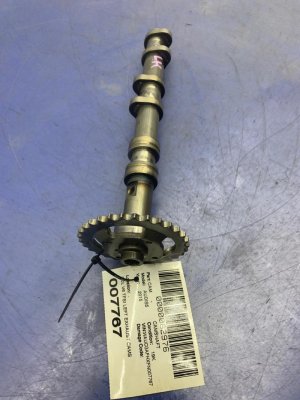
- Verify Compatibility: The 3.0T engine has four different camshafts (Bank 1 Intake, Bank 1 Exhaust, Bank 2 Intake, Bank 2 Exhaust). Match the OEM part number exactly. The numbers 06E109102BD and 06E109102BF are for specific exhaust camshafts; ensure you are buying the correct one for your engine's specific needs.
- Physical Inspection is Key: Before purchasing, insist on clear photos or inspect the part in person. Look for:
- Journal Surfaces: These are the smooth, machined surfaces where the camshaft sits in the cylinder head. They should be perfectly smooth with no deep scratches, scoring, or signs of heat discoloration (bluing). Running a fingernail across the surface should not catch on any grooves.
- Cam Lobes: The egg-shaped lobes that push on the valves should have a smooth, polished surface. Look for any signs of pitting, chipping, or a worn-down, flattened appearance.
- Sensor Reluctor Ring: Check the ring or teeth used by the camshaft position sensor. Ensure it is not bent, cracked, or damaged in any way.
- Understand the Context: Remember that a damaged camshaft is usually a symptom of a larger problem. If your timing chain system failed, it may have caused the pistons to contact the valves, bending them and potentially damaging the camshafts. Simply replacing a camshaft without addressing the root cause (like bad tensioners or oil starvation) will lead to repeat failure.
- Why Used OEM is a Good Choice: For a core engine component like a camshaft, a recycled OEM part that passes inspection is often a better choice than a cheap, unproven aftermarket part. The original Audi metallurgy and machining are designed for your specific engine.
Cost Breakdown
The cost to repair these issues varies dramatically based on the root cause. The parts themselves are often secondary to the massive labor costs, especially for a full timing chain service which requires removing the engine.
| Part / Service | New OEM Price | New Aftermarket Price | Used OEM Price | Estimated Shop Labor Cost |
|---|---|---|---|---|
| Engine Camshaft (Single) | $550 - $1,400 | $100 - $300 (Limited availability) | $75 - $200 | $4,000 - $10,000+ (for full timing job) |
| Timing Chain Kit (Chains, Guides, Tensioners) | $800 - $1,200 | $400 - $700 | Not Recommended | |
| Camshaft Position Sensor | $100 - $180 | $30 - $90 | $20 - $40 | |
| Full Timing Chain Service (Engine-Out) | Parts can range from $1,000 to $2,500 depending on what's replaced. | $4,000 - $8,000+ | ||
Warning: Due to the complexity and need for special tools, replacing the timing chains and tensioners on the 3.0T engine is considered a 5 out of 5 difficulty job. It is not recommended for DIY mechanics without significant experience and the correct equipment.
Frequently Asked Questions (FAQ)

My Audi has a brief rattle on startup. Is my engine going to fail?
Not necessarily, but it is a critical warning sign. A 1-2 second rattle is very common and points to wearing timing chain tensioners. While the engine won't immediately fail, you should have it addressed. Continuing to drive with this symptom will eventually lead to broken timing chain guides and could cause the chain to jump time, resulting in catastrophic engine damage.
Can I just replace the camshaft position sensor to fix a P0018 code?
You can try, but it may not be the solution. A P0018 code means there is a disagreement between the cam and crank sensors. This could be because the sensor is bad, the wiring is bad, or the mechanical timing is genuinely off. A good first step is to swap the sensor with another one on the engine to see if the code follows. If it doesn't, the problem is likely mechanical (chains, tensioners) or wiring-related.
Which vehicles use this 3.0T engine and share these parts?
The supercharged 3.0T V6 engine was used across a wide range of Audi models. The camshafts and timing components discussed here are generally applicable to the 2011-2015 Audi Q7, 2012-2015 Audi A6, 2012-2015 Audi A7, 2013-2017 Audi Q5, 2010-2016 Audi S4, 2010-2017 Audi S5, and 2014-2017 Audi SQ5.
Why is the timing chain replacement so expensive?
The timing chains on the Audi 3.0T engine are located at the rear of the engine, against the firewall. To access them for a full service, the entire engine and transmission must be removed from the vehicle. This process is extremely labor-intensive, accounting for the majority of the high repair cost.
Helpful Videos

Technical Specifications
OEM Part Numbers: 06E109102BD 06E109102BF
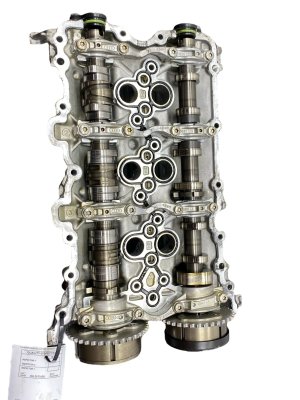
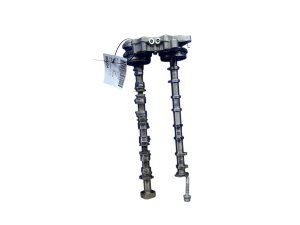
Engine: 3.0L TFSI Supercharged V6. There are four camshafts in total: two intake and two exhaust. Special timing tools are required for service.
We Have This Part in Stock

The information in this article is provided for general reference and educational purposes only. Vehicle specifications, procedures, and part compatibility can vary by production date, trim level, and region. Always consult your vehicle's factory service manual and verify part numbers before purchasing or performing repairs. Safety-critical components such as airbags, seat belts, and braking systems should be installed by a qualified professional.
- Audi Q7:
- Audi A6:
- Audi A7:
- Audi Q5:
- Audi S4:
- Audi S5:
- Audi SQ5:
- 🎬 Helpful Videos
- 🛍️ Shop This Part
- Symptoms of Camshaft and Timing System Failure
- 1. Engine Rattle on Cold Start
- 2. Check Engine Light with Timing Correlation Codes
- 3. Poor Engine Performance
- Step-by-Step Diagnosis
- Buying a Used Engine Camshaft
- Cost Breakdown
- Frequently Asked Questions (FAQ)
- 🎟️ Get 5% Off