

2023-2025 Kia Niro EV Auxiliary Water Pump: Non-Heat Pump Diagnosis & Replacement
Your guide to symptoms, TSBs, and buying the right coolant pump (375V3-A0000) for Niro EV models without the optional heat pump.
- This pump (part #375V3-A0000) is ONLY for 2023-2025 Niro EV models WITHOUT the optional heat pump.
- A 'Refill coolant' warning message is a primary symptom, and may be caused by a faulty hose connection covered by TSB ELE332, not necessarily the pump itself.
- Failure to replace a faulty pump can lead to overheating and catastrophic damage to the high-voltage battery and electronics.
- Replacement requires a high-voltage system shutdown and a careful coolant bleeding procedure to remove all air from the system.
Compatibility: Heat Pump vs. Non-Heat Pump Models
Warning: This auxiliary water pump, part number 375V3-A0000, is specifically for 2023-2025 Kia Niro EV models that are NOT equipped with the optional heat pump. The heat pump system uses a different configuration for thermal management. Before purchasing, you must verify your vehicle's original equipment. The heat pump was typically included in the 'Wind Preserve Package' or 'Wave Preserve Package'. The surest way to confirm is by checking the vehicle's original window sticker or having a Kia dealer run the VIN.
Symptoms of a Failing Auxiliary Water Pump
Failure of the auxiliary water pump can feel sudden, as it is controlled by the vehicle's computer and may not show gradual signs of wear like a belt-driven pump. Watch for the following symptoms:
- Warning Messages: The most common sign is a warning light on the instrument cluster. You may see messages like "Refill coolant," "Refill inverter coolant," or a generic "Check Electrical Vehicle System" alert.
- Overheating Warning Light: A red thermometer icon indicates that a component is overheating. If you see this, pull over as soon as it is safe and shut down the vehicle to prevent damage.
- Reduced Power (Limp Mode): The vehicle may intentionally limit its power output to protect the battery and electronics from heat damage. This can feel like a sudden loss of acceleration.
- Whining or Grinding Noises: A high-pitched whine or a grinding sound from under the hood can be a sign of a failing bearing or motor inside the pump.
- Visible Coolant Leaks: Look for puddles of blue or pinkish fluid under the front of the vehicle. A failing pump or its seals can cause leaks. Also, check for crusty residue around the pump body and hose connections.
- Poor Heater Performance: In some cases, improper coolant circulation can affect the performance of the cabin heater.
Known Issues & Technical Service Bulletins (TSBs)
While there are no recalls specifically for this pump on the 2023-2025 Niro EV, there is a highly relevant Technical Service Bulletin (TSB) that owners and technicians should be aware of.
TSB ELE332: EWP Coolant Hose Replacement
Issued in April 2024 for some 2023-2024 Niro EV models, this TSB addresses a coolant leak that can occur where the hose connects to the Electric Water Pump (EWP). The original retainer clip's design could allow the hose to loosen over time, causing a leak and triggering the "Refill coolant" warning message. The fix involves replacing the hose with an improved part that has a more secure clip design. If you are experiencing coolant loss, this TSB should be the first thing to investigate, as the pump itself may be fine.
Buying a Used Auxiliary Water Pump
Since this is a critical component for the health of your EV's battery, buying a used part requires careful inspection. A quality used OEM part can be a great value, especially since reliable aftermarket options for this specific part are not widely available.
What to Check Before You Buy:
- Confirm the Part Number: The only way to be certain of compatibility is to match the part number. You need 375V3-A0000 for a non-heat pump model.
- Inspect the Housing: Carefully check the black plastic body of the pump for any hairline cracks, warping, or signs of extreme heat.
- Check the Electrical Connector: Look at the pins inside the electrical connector. They should be clean and shiny. Avoid any pump with green or white crusty corrosion, as this indicates moisture has gotten inside.
- Look for Leak Evidence: Inspect the hose ports for any dried, crusty coolant residue (typically blue or pink). This is a sign the part was leaking previously.
- Consider the Source Vehicle's Mileage: While not a perfect measure, a pump from a lower-mileage vehicle is generally a safer bet. Avoid parts from vehicles with very high mileage or salvage titles indicating a severe front-end collision.
Pro Tip: When replacing the pump, it's also a good idea to replace the associated coolant hose if your vehicle falls under TSB ELE332, even as a preventative measure.
Replacement Overview
Replacing the auxiliary water pump is a moderately difficult job that may be challenging for a novice DIY mechanic. The process requires performing a high-voltage system shutdown and properly bleeding the cooling system, which is critical to avoid air pockets that can cause overheating.
- Difficulty: 3 out of 5
- Estimated Time: 1.5 - 2.5 hours
- Key Steps:
- Perform the High Voltage Shut-Off procedure as detailed in the official service manual. This is a critical safety step.
- Drain the low-conductivity coolant from the system.
- Locate the pump, disconnect the electrical connector, and release the hose clamps.
- Remove the mounting bolts and take out the old pump.
- Install the new pump and reconnect hoses and the electrical connector.
- Refill the system with the correct Kia-specified low-conductivity coolant.
- Perform the coolant bleeding procedure using a scan tool or as specified by the service manual to remove all air from the system. Failure to do this correctly can lead to overheating.
Cost Comparison
Prices can vary by location and supplier, but this provides a general estimate of what to expect.
| Part Type | Estimated Cost |
|---|---|
| New OEM (Dealer) | $220 - $340 |
| New Aftermarket | Not Widely Available |
| Used OEM | $135 - $200 |
| Shop Labor | $240 - $350 |
Frequently Asked Questions
How do I know for sure if my Niro EV has a heat pump?
The most reliable way is to check the original window sticker for a 'Winter Package' or 'Preserve Package'. You can also provide your VIN to a Kia dealership's parts or service department, and they can look up the vehicle's factory-installed options. Some owners have also identified the physical unit under the hood, which is absent on non-heat pump models.
Can I drive my Niro EV if the auxiliary water pump is failing?
It is not recommended. Continuing to drive with a faulty coolant pump risks severe and expensive damage to the high-voltage battery and power electronics. If you see an overheating warning or the vehicle enters limp mode, you should stop driving and have the vehicle towed for repair.
Is the 'auxiliary water pump' the same as the 'control valve assembly'?
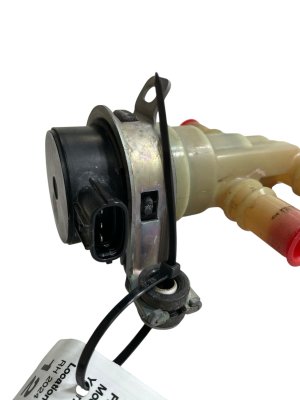
Yes. While the general automotive term is auxiliary water pump, Kia's official parts catalog refers to part number 375V3-A0000 as a 'VALVE ASSY-3WAY' or 'Control Valve'. It performs the function of circulating coolant.
My coolant level is fine, but I still get a 'Refill Coolant' warning. What could it be?
This can be caused by several issues seen in Niro EVs. It could be a faulty sensor, but it is often related to poor coolant flow. On older models, this was sometimes due to coolant crystallization, requiring a system flush. On 2023-2024 models, it could be related to the loosening hose described in TSB ELE332, which may cause an intermittent flow issue before a major leak is visible.
Technical Specifications
OEM Part Numbers: 375V3-A0000 375V3A0000
Electric pump and valve assembly for circulating low-conductivity coolant in the battery and power electronics thermal management system.
We Have This Part in Stock

The information in this article is provided for general reference and educational purposes only. Vehicle specifications, procedures, and part compatibility can vary by production date, trim level, and region. Always consult your vehicle's factory service manual and verify part numbers before purchasing or performing repairs. Safety-critical components such as airbags, seat belts, and braking systems should be installed by a qualified professional.
- Kia Niro EV:
- 🛍️ Shop This Part
- Compatibility: Heat Pump vs. Non-Heat Pump Models
- Symptoms of a Failing Auxiliary Water Pump
- Known Issues & Technical Service Bulletins (TSBs)
- TSB ELE332: EWP Coolant Hose Replacement
- Buying a Used Auxiliary Water Pump
- What to Check Before You Buy:
- Replacement Overview
- Cost Comparison
- Frequently Asked Questions
- 🎟️ Get 5% Off