

2010-2023 Rolls-Royce & BMW V12 Air Intake Resonator: Fixing Lean Codes and Rough Idle
This guide details the common failure symptoms, diagnosis, and replacement costs for the engine air intake resonator on V12-powered Rolls-Royce Ghost, Dawn, Wraith, and BMW 7 Series models.
- The primary failure is cracking of the plastic, which causes a vacuum leak and triggers lean codes P0171/P0174.
- This issue affects all 2010-2023 Rolls-Royce and BMW models equipped with the N74 V12 engine.
- The resonators are side-specific (Left/Driver vs. Right/Passenger) and are not interchangeable; verify part numbers before buying.
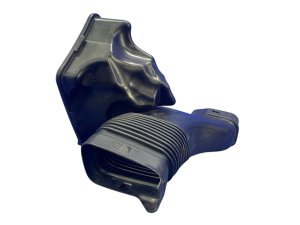
- When buying a used part, carefully inspect the flexible, ribbed sections for any cracks, as this is the most common point of failure.
What is an Engine Air Intake Resonator and Why Does It Matter?
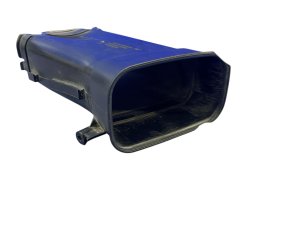
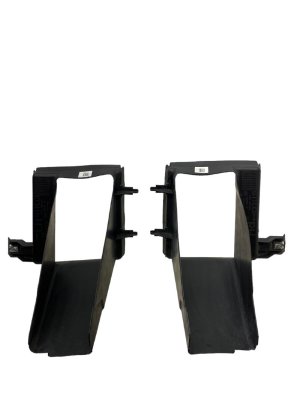
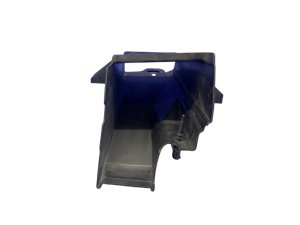
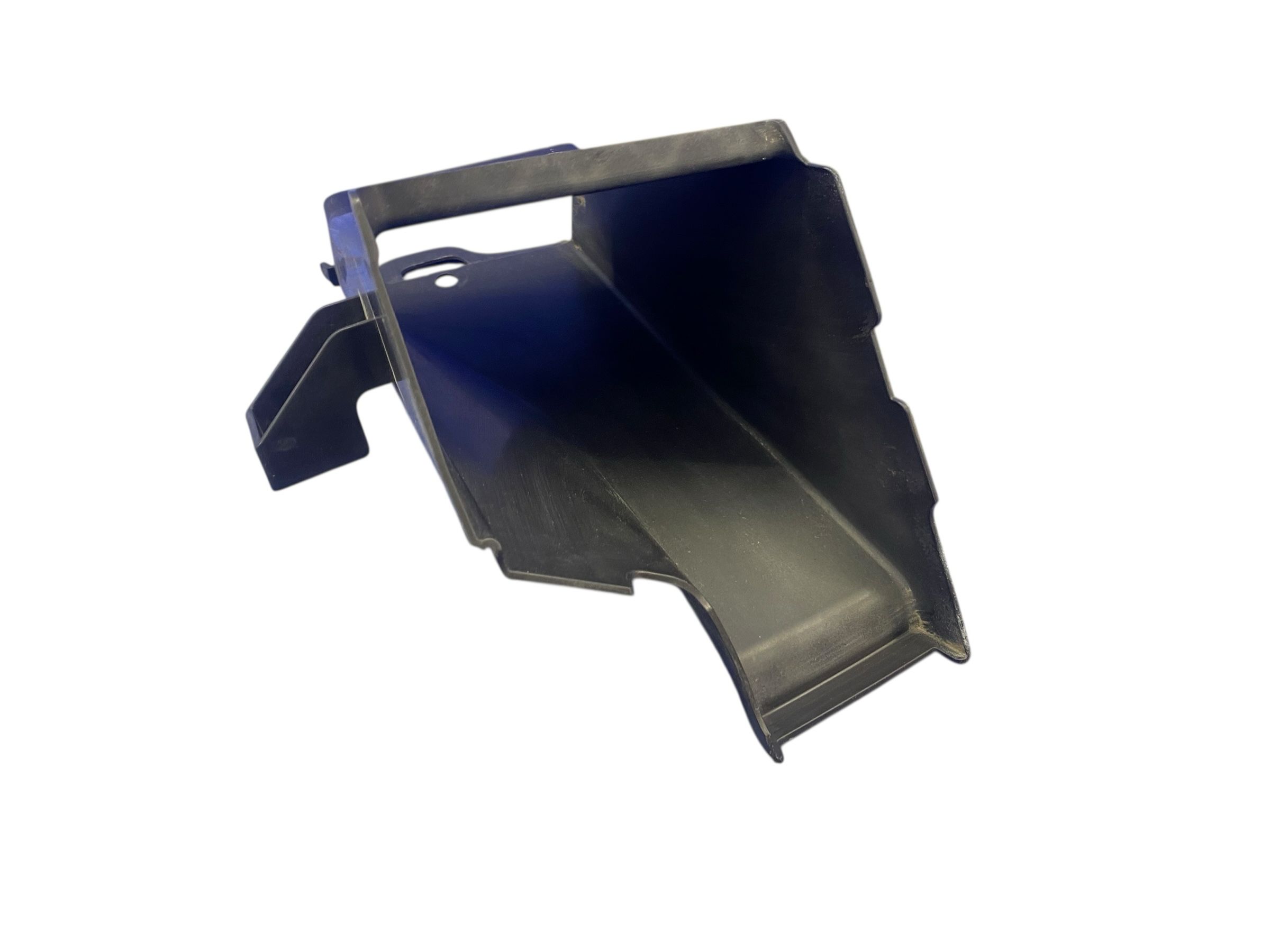
On the twin-turbocharged V12 engine used in select BMW and Rolls-Royce vehicles, there are two separate air intake paths—one for each bank of six cylinders. Each path has its own air filter, mass airflow (MAF) sensor, and a plastic resonator tube. The resonator is engineered as a Helmholtz resonator, a chamber designed to cancel out unpleasant intake noise, ensuring the engine operates with the quiet refinement expected from these luxury vehicles. However, being made of plastic and located in a high-heat engine bay, these resonators are prone to cracking over time. When a crack develops, it allows unmetered air to enter the engine *after* the MAF sensor, creating a vacuum leak that can lead to a variety of noticeable performance issues.
Vehicles Affected
This specific air intake resonator design is used on all vehicles equipped with the BMW N74 V12 engine. The failure symptoms and replacement process are nearly identical across these models:
- 2010-2020 Rolls-Royce Ghost
- 2016-2023 Rolls-Royce Dawn
- 2014-2022 Rolls-Royce Wraith
- 2010-2015 BMW 760i
- 2010-2015 BMW 760Li
- 2017-2022 BMW M760i & M760i xDrive
Symptoms of a Failing Air Intake Resonator
A cracked resonator creates a vacuum leak, which leads to a lean air-fuel mixture (too much air, not enough fuel). The vehicle's computer (ECU) will try to compensate, but symptoms will become apparent.
- Check Engine Light: This is the most common symptom. The leak will almost always trigger diagnostic trouble codes for a lean condition.
- Lean Trouble Codes: The most common codes are P0171 (System Too Lean, Bank 1) and P0174 (System Too Lean, Bank 2). A leak on the driver's side (Bank 2) intake will trigger P0174, while a leak on the passenger's side (Bank 1) will trigger P0171.
- Hissing or Whistling Noise: A distinct sucking or hissing sound may be heard from the engine bay, which gets louder with acceleration as the engine draws in more air through the crack.
- Rough or Unstable Idle: The engine may shake, stumble, or idle at inconsistent RPMs as the ECU struggles to maintain a proper air-fuel balance.
- Engine Hesitation: When you press the accelerator, the vehicle may hesitate or feel sluggish before picking up speed due to the incorrect air-fuel mixture.
- Reduced Fuel Economy: The engine's computer may inject more fuel than necessary to compensate for the extra air, leading to a noticeable decrease in gas mileage.
Legal Note: A cracked air intake resonator that illuminates the Check Engine Light will cause a vehicle to fail an emissions inspection in most states. The part itself is not regulated, but the lean codes it produces are considered an emissions-related failure.
How to Diagnose a Leaky Resonator
Diagnosing this issue is often straightforward.
- Visual Inspection: Remove the top engine covers to get a clear view of the two large plastic intake tubes running from the air filter boxes to the engine. Carefully inspect the entire surface of both resonators, paying close attention to the accordion-like flex sections and the seams where the plastic is joined. Cracks are often visible to the naked eye.
- Smoke Test: The most definitive way to find a leak is with a smoke test. A technician will pump low-pressure smoke into the intake system with the engine off. Smoke will pour out of any cracks or leaks, pinpointing the exact location of the failure.
Buying a Used Engine Air Intake Resonator: What to Look For
Given the high cost of new OEM parts, a quality used resonator is an excellent value. Because no major aftermarket companies produce this specific part, a used OEM component is often the only cost-effective alternative. Follow these inspection guidelines:
- Check for Cracks: This is the most critical step. Hold the part up to a light and meticulously inspect every surface. Pay extra attention to the ribbed, flexible sections, as this is where cracks most commonly form. Flex the part gently to see if any hidden cracks open up.
- Assess Plastic Condition: The plastic should still have some minor flexibility. If it feels extremely hard, brittle, or chalky, it may be near the end of its life. Avoid parts with significant discoloration from heat.
- Verify the Correct Side: The V12 engine has two resonators, and they are not interchangeable. One is for the left side (driver's side in the US) and one is for the right side (passenger's side). Verify the part number you are buying matches the side you need to replace.
- Inspect Mounting Points: Ensure all mounting tabs and connection points are intact and free of cracks. A broken tab can prevent the part from sealing correctly, causing the same vacuum leak you're trying to fix.
- Cleanliness: A part that is free of heavy oil residue on the inside is preferable. While some oil vapor from the PCV system is normal, excessive oil can degrade the plastic over time.
Pro Tip: When buying used, ask the seller about the mileage of the donor vehicle. A part from a lower-mileage car will generally have more life left than one from a high-mileage vehicle that has endured more heat cycles.
Cost of Replacement
The cost can vary significantly between buying a new part from a dealer versus a used OEM part.
| Part Source | Estimated Cost |
|---|---|
| New OEM (Dealer) | $400 - $550 per side |
| New Aftermarket | Not commonly available |
| Used OEM | $150 - $250 per side |
| Shop Labor | $150 - $300 |
Known Issues, TSBs, and Recalls
While cracks in these plastic intake components are a well-documented issue within online owner forums and independent repair shops, there are currently no active NHTSA recalls or manufacturer Technical Service Bulletins (TSBs) for failing or cracking air intake resonators on any of the affected BMW or Rolls-Royce models. Repairs are considered standard maintenance and are performed at the owner's expense.
OEM Part Numbers
Always verify the part number against your vehicle's VIN before purchasing. Note that the left side corresponds to cylinders 7-12, while the right side corresponds to cylinders 1-6.
- Left Side (Driver's Side / Cylinders 7-12): 13717593191, 13717566383, 13717593250, 8617096
- Right Side (Passenger's Side / Cylinders 1-6): 13717593192, 13717566384, 8617095
Frequently Asked Questions (FAQ)
Can I drive my car with a cracked air intake resonator?
Yes, but it is not recommended for an extended period. The lean air-fuel mixture can cause poor performance, increased emissions, and potentially lead to long-term damage to your spark plugs or catalytic converters. It is best to have it repaired as soon as possible.
Can I just repair the crack with tape or epoxy?
This is not a reliable long-term solution. The constant vibration and extreme temperature changes in the engine bay will likely cause a temporary repair to fail quickly, leading to a return of the same symptoms. Replacement is the only proper fix.
Why are there two intake resonators on my engine?
The V12 engine is essentially two inline-6-cylinder engines joined together. Each bank of 6 cylinders has its own independent air intake system, including its own air filter box, mass airflow sensor, and intake resonator. This design ensures each bank gets the precise amount of air it needs.
Is this a difficult part to replace myself?
For a DIY mechanic with basic tools, this is a relatively easy job. It typically involves removing a few engine covers, loosening the hose clamps at both ends of the resonator, and disconnecting any small vacuum lines. The entire process can usually be completed in about an hour.
Technical Specifications
OEM Part Numbers: 13717566383 13717593190 13717593191 13717593192 13717593250 7566383 8617095 8617096
Material: Molded Plastic. Location: Engine air intake system, between air filter housing and throttle body.
We Have This Part in Stock

The information in this article is provided for general reference and educational purposes only. Vehicle specifications, procedures, and part compatibility can vary by production date, trim level, and region. Always consult your vehicle's factory service manual and verify part numbers before purchasing or performing repairs. Safety-critical components such as airbags, seat belts, and braking systems should be installed by a qualified professional.
- Rolls-Royce Ghost:
- Rolls-Royce Dawn:
- Rolls-Royce Wraith:
- BMW 760i:
- BMW M760i:
- BMW 760Li:
- BMW M760i xDrive:
- 🛍️ Shop This Part
- What is an Engine Air Intake Resonator and Why Does It Matter?
- Vehicles Affected
- Symptoms of a Failing Air Intake Resonator
- How to Diagnose a Leaky Resonator
- Buying a Used Engine Air Intake Resonator: What to Look For
- Cost of Replacement
- Known Issues, TSBs, and Recalls
- OEM Part Numbers
- Frequently Asked Questions (FAQ)
- 🎟️ Get 5% Off