

2017-2022 Honda CR-V Air Intake Resonator: Why a Cracked Plastic Box Can Cause Big Problems
This guide covers the symptoms, replacement costs, and buying advice for the engine air intake resonator on 2017-2022 Honda CR-V models with the 1.5L Turbo engine.
- This resonator is ONLY for 2017-2022 Honda CR-V models with the 1.5L Turbo engine; it does not fit the 2.0L Hybrid.
- A cracked resonator causes an air leak, leading to a Check Engine Light (P0171), hissing noises, and poor engine performance.
- Failure is almost always from physical damage; when buying used, inspect carefully for cracks and broken mounting tabs.
- A used OEM part is a great value, as this is a non-wear item where fitment and acoustic tuning are key.
Symptoms of a Failing Air Intake Resonator


Failure of the air intake resonator is almost always due to physical damage. Cracks, holes, or broken mounting points can occur from front-end impacts, road debris, or technicians accidentally leaning on it during service. When the resonator is compromised, it creates a leak in the air intake system. This leak allows unmetered air to enter the engine past the Mass Airflow (MAF) sensor. This can lead to several noticeable problems:
- Check Engine Light: A significant air leak will disrupt the air-fuel ratio, causing the engine to run lean (too much air, not enough fuel). The engine computer will try to compensate, but will eventually trigger a Check Engine Light. The most common code is P0171 (System Too Lean Bank 1). 🎬 Watch: How to fix a P0171 lean code yourself.
- Increased Engine Noise: A damaged or missing resonator will no longer be able to cancel out intake noise, resulting in a louder, more aggressive engine sound, especially during acceleration. Some owners intentionally remove the resonator for this reason, though it can lead to other issues if not done correctly. 🎬 See how a resonator delete sounds on this CR-V.
- Hissing or Whistling Sounds: A crack or hole in the intake system can produce a distinct hissing or sucking sound from the engine bay as air is drawn in. This sound may be most noticeable at idle or when revving the engine.
- Poor Engine Performance: The incorrect air-fuel mixture caused by unmetered air can lead to a rough idle, hesitation during acceleration, engine misfires, and a general loss of power. In some cases, the car may stall unexpectedly.
- Reduced Fuel Economy: When the engine computer detects a lean condition, it may inject more fuel to compensate, leading to a noticeable decrease in gas mileage.
Compatibility Warning: This air intake resonator and the associated intake components are for 2017-2022 Honda CR-V models equipped with the 1.5L Turbocharged gas engine only. It will not fit models with the 2.0L Hybrid engine, which use a different intake system design. Always verify the engine type before purchasing.
Known Issues, Recalls, and TSBs
As of early 2026, there are no specific recalls or Technical Service Bulletins (TSBs) from Honda that directly address the engine air intake resonator on the 2017-2022 CR-V. Searches of the NHTSA database and common TSB lists do not show any patterns of premature failure or design flaws with this specific part.
However, there are numerous owner complaints and general mechanic knowledge about issues with cracked intake components on various vehicles, including Hondas, leading to lean codes like P0171. While the resonator itself is not a common failure point without outside influence (like an accident), the symptoms of its failure are well-documented for intake leaks in general.
Buying a Used Engine Air Intake Resonator

A used OEM resonator is an excellent, cost-effective alternative to a new part, as it is a simple, non-wearable component. When buying a used one, the focus is entirely on its physical condition.
What to Inspect:
- Check for Cracks: Carefully inspect the entire plastic body of the resonator, especially around the seams and mounting points. Even a hairline crack can cause a vacuum leak. Flex the part slightly to see if any hidden cracks open up.
- Inspect Mounting Tabs: Ensure all mounting tabs and bolt holes are intact and not broken. A resonator that isn't securely mounted can vibrate, leading to future cracks or damage to other intake components.
- Verify Seals and Connections: Check the inlet and outlet ports where the resonator connects to the rest of the intake tubing. The edges should be smooth and round, with no cracks or deformities that could prevent a tight seal.
- Look for Heat Damage: Check for any signs of melting or warping, which could indicate the vehicle was in a fire or had a severe overheating event. Avoid any part with such damage.
Since the resonator is just a passive plastic chamber, mileage is not a factor. A part from a 100,000-mile vehicle is just as good as one from a 10,00-mile vehicle, provided it is free from physical damage. Choosing a used OEM part over a cheap aftermarket alternative ensures perfect fitment and that the acoustic tuning matches the original factory specifications.
Cost Comparison
Replacing a damaged air intake resonator is relatively inexpensive. The part itself is affordable, and labor is straightforward.
| Part Type | Estimated Cost |
|---|---|
| New OEM | $50 - $75 |
| New Aftermarket | $40 - $60 |
| Used OEM | $20 - $40 |
| Shop Labor | $50 - $100 (0.5 - 1.0 hours) |
Replacement Overview

Replacing the air intake resonator is a simple job that is very feasible for a DIY mechanic with basic tools. It typically involves removing a few bolts and clamps.
Pro Tip: The resonator is often located in the front passenger-side corner of the engine bay, sometimes requiring removal of the fender liner or front bumper splash shield for access. The main intake tube connecting to the resonator must be removed first, which is held on by hose clamps.
🎬 Watch this walkthrough on removing the intake resonator.Legal & Emissions Requirements
While the air intake resonator is not an emissions control device itself, the integrity of the entire air intake system is often checked during state vehicle inspections. A cracked, missing, or improperly modified resonator can cause a vacuum leak, leading to a Check Engine Light and a failed emissions test. In most states, any modification to the intake system that is not CARB-approved (in California and other adopting states) can be grounds for inspection failure. Replacing a broken resonator with a functional OEM part will ensure compliance.
Frequently Asked Questions
Can I drive with a broken air intake resonator?
Yes, but it's not recommended for long. Driving with a cracked resonator can cause poor engine performance, reduced fuel economy, and will likely keep the Check Engine Light on. While it won't cause immediate catastrophic damage, running a lean air-fuel mixture for an extended period can potentially harm the engine or catalytic converter over time.
Will removing the air intake resonator improve performance?
No. Removing the resonator will make the engine intake sound louder, but it will not provide any meaningful performance gains. In fact, if the port on the intake tube is left open after removing the resonator, it will create a massive vacuum leak, causing the engine to run very poorly and triggering a Check Engine Light. Aftermarket intake systems that eliminate the resonator are designed as a complete system to manage airflow properly.
Why is my engine making a whistling noise after the resonator was replaced?
A whistling noise usually indicates an air leak. Double-check that all clamps connecting the resonator to the intake tubing are tight and that the resonator itself is properly seated. Ensure there are no other cracks in the intake hoses or gaskets.
Is a used OEM resonator better than a new aftermarket one?
For a simple part like this, both are good options. However, a used OEM part guarantees factory fitment and the correct acoustic properties. An aftermarket part may be made from slightly different materials or have minor fitment variances. Given the small price difference, a damage-free used OEM part is often the best value.
Helpful Videos

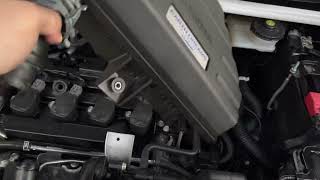
![How to Fix HONDA P0171 Engine Code in 3 Minutes [2 DIY Methods / Only $8.37]](https://img.youtube.com/vi/7z9Ym9aFjxk/mqdefault.jpg)
Technical Specifications
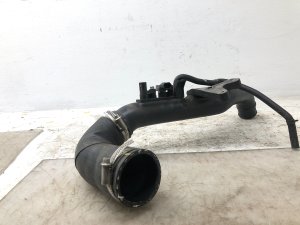
OEM Part Numbers: 17230-5PA-A00 17230-5PH-A00
Molded plastic construction, designed for 1.5L Turbo engine.
We Have This Part in Stock

The information in this article is provided for general reference and educational purposes only. Vehicle specifications, procedures, and part compatibility can vary by production date, trim level, and region. Always consult your vehicle's factory service manual and verify part numbers before purchasing or performing repairs. Safety-critical components such as airbags, seat belts, and braking systems should be installed by a qualified professional.
- Honda CR-V: