

2000-2001 Nissan Sentra ECM: The Critical Link to the IAC Valve
A faulty Idle Air Control (IAC) valve is the number one killer of the Engine Control Module (ECM) in 2000-2001 Nissan Sentras; replacing one without the other can lead to immediate failure.
- A faulty Idle Air Control (IAC) valve is the #1 cause of ECM failure; ALWAYS replace the IAC valve when replacing the ECM to prevent immediate damage to the new unit.
- The ECM must be programmed to the vehicle's anti-theft system (NATS) after installation, or the car will not start. This requires a dealer or a well-equipped locksmith/mechanic.
- Matching the part number on the ECM exactly is critical for compatibility due to variations in engine, transmission, and emissions systems.
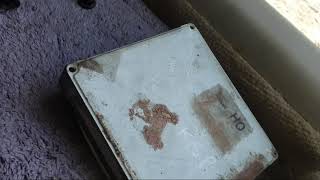
- There was a major recall (NHTSA 03V-477) for the foam inside the ECM box causing corrosion and failure, which could lead to stalling.
The #1 Killer of the 2000-2001 Sentra ECM: The IAC Valve


Warning: The most common cause of ECM failure in 2000-2001 Nissan Sentras is a short-circuited Idle Air Control (IAC) valve. A faulty IAC valve can send a voltage spike back to the ECM, instantly destroying the internal driver chip that controls it. If you install a new or used ECM without first replacing the faulty IAC valve, the replacement ECM will be damaged immediately. Always replace the IAC valve and check the associated wiring when replacing the ECM to prevent a costly repeat failure.
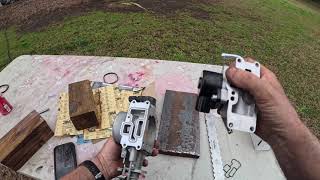
This failure pattern is well-documented for this generation of Nissan vehicles. The issue often starts with a failing seal in the throttle body, which allows engine coolant to leak into the IAC valve's electronic motor. This coolant causes a short circuit, which then travels back to the ECM and fries the delicate internal circuitry. The resulting damage is often visible as a burnt spot on the ECM's circuit board. Because of this, any diagnosis of a bad ECM must begin with a thorough inspection of the IAC valve.
Symptoms of a Failing ECM

A failing ECM in a 2000-2001 Sentra can cause a wide range of confusing symptoms. Because the ECM controls so many functions, its failure can mimic other problems. Be on the lookout for:
- Stalling or Rough Idle: The engine may stall when you come to a stop, or the idle speed may fluctuate wildly. This is a classic sign, often linked to the IAC valve issue.
- No-Start Condition: The engine may crank but refuse to start.
- Check Engine Light: A persistent Check Engine Light is common. Key trouble codes include P0505 (Idle Control System Malfunction), which directly points to the IAC circuit, and P0605 (Internal Control Module Memory Error). You may also see random misfire codes like P0300, P0301, etc.
- Poor Engine Performance: You might experience hesitation during acceleration, reduced power, and poor fuel economy.
- No Communication with Scan Tool: In severe cases, a diagnostic scan tool may not be able to communicate with the ECM at all.
Known Issues, Recalls, and Technical Service Bulletins (TSBs)

There have been several official communications from Nissan and the NHTSA regarding the ECM and related sensors on these vehicles.
- NHTSA Recall 03V-477 / Nissan P3163: This major recall affected over 276,000 Nissan vehicles, including the 2000-2001 Sentra. It addresses an issue where the foam lining inside the ECM box could emit sulfur gas, causing corrosion on internal ECM resistors. This corrosion could lead to a Check Engine Light, poor drivability, idle instability, or the engine stalling unexpectedly. The fix involved dealers removing the foam lining material.
- NHTSA Recall 01V-357: This recall was for a defective crank position sensor that could cause the engine to stop running while in motion. While not a direct ECM recall, a faulty crank sensor sends critical data to the ECM, and its failure can produce symptoms similar to a bad ECM, such as stalling.
Buying a Used 2000-2001 Sentra ECM

Purchasing a used ECM can be a cost-effective solution, but careful verification is essential to avoid problems. Given the complexity and failure patterns of this part, a used OEM unit is often a more reliable choice than a cheap, new aftermarket part that may have compatibility or quality issues.
How to Ensure Compatibility:
- Match the Part Number Exactly: This is the most important step. Nissan used many different ECMs for the 2000-2001 Sentra based on the engine (1.8L or 2.0L), transmission (manual or automatic), emissions (Federal or California), and whether the vehicle is equipped with the Nissan Anti-Theft System (NATS). The part number is printed clearly on the module's label. Do not install an ECM with a different part number.
- Inspect the Connector Pins: Check the pins on the used module for any signs of corrosion, bending, or damage.
- Ask About the Donor Vehicle: If possible, find out why the donor vehicle was taken off the road. An ECM from a collision-damaged vehicle is generally a better bet than one from a car that had unresolved engine or electrical problems.
Programming and Installation
Programming Required: A replacement ECM, whether new or used, cannot be simply swapped into the vehicle. It must be programmed to synchronize with your car's Nissan Anti-Theft System (NATS). Failure to do this will result in a no-start condition, as the immobilizer will prevent the engine from running.
Who Can Program the ECM?
- Nissan Dealerships: Dealers have the proprietary CONSULT-II scan tool required for the key re-registration process.
- Automotive Locksmiths: Many professional locksmiths have advanced scan tools (like Autel or XTool) that can perform the NATS key relearn procedure. This is often a faster and more affordable option than the dealer.
- Independent Repair Shops: Some, but not all, independent shops have the necessary equipment. Always call ahead to confirm they can program a Nissan ECM for your specific year.
- DIY: This is not a DIY-friendly job unless you have access to a professional-grade scan tool with Nissan-specific immobilizer functions. Standard OBD-II code readers cannot perform this function.
Installation Steps Overview:
- Disconnect the negative battery terminal.
- Locate the ECM. In the 2000-2001 Sentra, it is typically found behind the dashboard, near the passenger-side footwell.
- Disconnect the wiring harnesses and remove the mounting bolts.
- Install the replacement ECM and reconnect the harnesses and battery.
- Perform the NATS key re-registration procedure 🎬 Watch how to program a key after replacing a Nissan ECM using a compatible scan tool. This will sync the replacement ECM to your existing keys.
- Perform the Idle Air Volume Learning procedure to ensure a stable idle speed.
Replacement Cost Comparison
Prices can vary significantly based on the source of the part and labor rates in your area.
| Part Source | Estimated Part Cost |
|---|---|
| New OEM | $325 - $800+ |
| New Aftermarket | $250 - $500 |
| Remanufactured | $200 - $400 |
| Used OEM | $75 - $150 |
Shop Labor: Expect to pay between $122 and $179 for the physical installation, plus an additional 0.5 to 1.0 hours of labor for the programming and relearn procedures.
Frequently Asked Questions
Do I absolutely have to replace the IAC valve with the ECM?
Yes. It is highly recommended. A faulty IAC valve is the primary cause of ECM failure in these cars. Installing a new ECM without replacing a bad IAC valve will likely cause the new ECM to fail instantly. Consider it mandatory insurance for your repair.
Can a locksmith program a used ECM or do I have to go to the dealer?
Many well-equipped automotive locksmiths can program a replacement Nissan ECM. They have advanced tools that can perform the NATS key relearn procedure, often at a lower cost than a dealership. However, always confirm with the locksmith that they have the capability for a 2000-2001 Nissan Sentra before scheduling the service.
What is the NATS PIN code for programming?
For many Nissan vehicles from 2001 to 2005, the default PIN code used by programming tools is 5523. A professional technician will use this during the C/U (Control Unit) Initialization process on their scan tool.
Where is the ECM located on a 2000-2001 Sentra?
The ECM is located inside the cabin, behind the dashboard assembly, generally in the area of the passenger-side footwell.
Helpful Videos

Technical Specifications
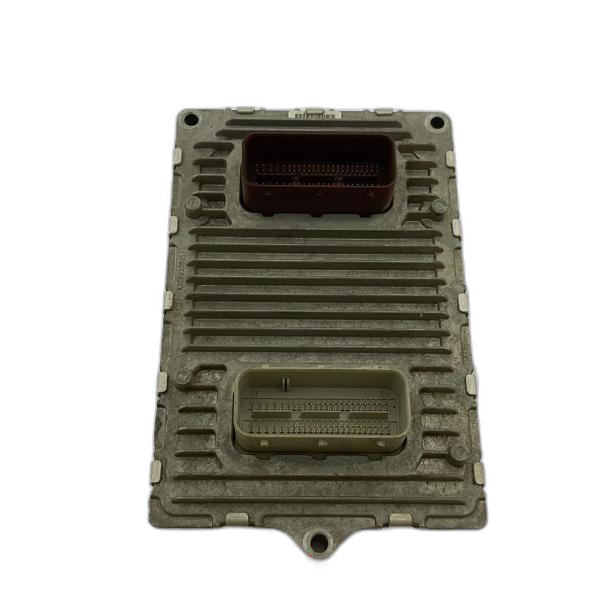
OEM Part Numbers: JA56L58 B19 JA56L59 B20 JA56L60 B21 JA56L61 B22 JA56L62 B23 JA56L62 B38 JA56L63 B39 JA56L64 B40 JA56Q20 B57 JA56Q21 B58 JA56Q23 B61 JA56Q45-B64 JA56Q49 B68 JA56Q51 B70 JA56R08 B84 23710-5M260 23710-5M060 23710-6M410 23710-6M415
Located behind the dashboard, passenger side. Controls fuel, ignition, idle, and emissions. Requires synchronization with Nissan Anti-Theft System (NATS) upon replacement.
We Have This Part in Stock

The information in this article is provided for general reference and educational purposes only. Vehicle specifications, procedures, and part compatibility can vary by production date, trim level, and region. Always consult your vehicle's factory service manual and verify part numbers before purchasing or performing repairs. Safety-critical components such as airbags, seat belts, and braking systems should be installed by a qualified professional.
- Nissan Sentra:
- 🎬 Helpful Videos
- 🛍️ Shop This Part
- The #1 Killer of the 2000-2001 Sentra ECM: The IAC Valve
- Symptoms of a Failing ECM
- Known Issues, Recalls, and Technical Service Bulletins (TSBs)
- Buying a Used 2000-2001 Sentra ECM
- How to Ensure Compatibility:
- Programming and Installation
- Who Can Program the ECM?
- Installation Steps Overview:
- Replacement Cost Comparison
- Frequently Asked Questions
- 🎟️ Get 5% Off