

2008-2012 Jeep Liberty ESP/BAS Light: Your Guide to the Yaw Rate Sensor
Diagnose and fix the common ESP BAS warning light by understanding the Electronic Stability System Control Module, also known as the Yaw Rate Sensor.
- The primary symptom of failure is the 'ESP BAS' light on the dashboard, which disables stability and traction control.
- This module is located under the center console, not the rear seat.
- After replacement, the sensor MUST be calibrated ('Zero Point Calibration') by a dealer or a shop with a professional scan tool.
- When buying used, match part number 56029433AA or the updated 56029433AB. A used OEM part is a reliable and cost-effective choice.
Symptoms of a Failing Yaw Rate Sensor

The most common and obvious sign of a problem with the yaw rate sensor is the illumination of one or more warning lights on your instrument cluster. Because this sensor is tied into multiple safety systems, a failure will disable them.
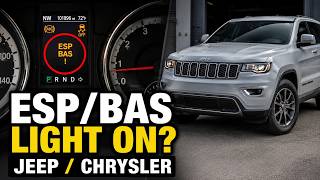
- ESP BAS Warning Light: This is the most frequent symptom. It indicates a fault in the Electronic Stability Program (ESP) and/or the Brake Assist System (BAS). 🎬 Watch this guide on Jeep ESP BAS light causes and fixes
- Traction Control Light: A light showing a car with squiggly lines behind it may also appear, indicating the traction control system is disabled.
- ABS Light: While less common for an isolated yaw sensor failure, the ABS light can sometimes illuminate as the systems are interconnected.
- Reduced Stability in Turns: With the ESP system offline, you may notice the vehicle feels less stable during aggressive cornering or on slippery surfaces. The system will not intervene to correct a skid.
Common Diagnostic Trouble Codes (DTCs)
To properly diagnose the issue, you need a scan tool capable of reading ABS/Chassis codes, not just a basic engine code reader. While the ESP BAS light can be triggered by other failed parts like wheel speed sensors or the steering angle sensor, the following codes point more directly to the yaw rate sensor system.
| Code | Description | Common Cause |
|---|---|---|
| C0069 | Yaw-Rate/Longitudinal Acceleration Sensor Fault | Indicates an internal failure or communication problem with the sensor itself. |
| C1210 | Zero Point Calibration of Yaw Rate Sensor Undone | The sensor has lost its calibration and needs to be reset. This can happen after a battery disconnect or module replacement. |
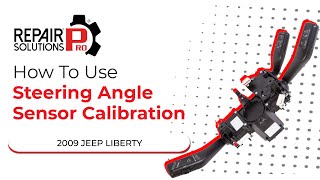
| C121A | Steering Angle Sensor Not Initialized | Often appears with the ESP light, but points to the steering angle sensor needing calibration 🎬 Watch how to calibrate the steering angle sensor, not necessarily the yaw sensor. |
| C2205 | Steering Angle Sensor Internal | Indicates an internal fault with the steering angle sensor, a common cause of the ESP light. |
| C123F | Steering Angle Sensor Comparative Performance | The system detects a mismatch between the steering angle and the vehicle's direction, often due to a bad wheel alignment. |
Known Issues, Recalls, and Technical Service Bulletins (TSBs)
As of mid-2024, there are no specific recalls or TSBs issued by Chrysler for the yaw rate sensor on the 2008-2012 Jeep Liberty. However, several recalls exist for other electronic modules on these vehicles, such as the Occupant Restraint Controller (ORC), which can also cause dashboard warning lights. It's important to use a scan tool to confirm which module is setting the fault code before replacing parts.
Replacement Guide

Replacing the yaw rate sensor is a straightforward job for a DIY mechanic with basic tools. The main challenge is accessing the part and the potential need for electronic calibration after installation.
Location: The yaw rate sensor is located under the center console, near the gear shifter and parking brake lever. This central location is critical for it to accurately measure the vehicle's rotation. The initial information suggesting it is under the rear seat is incorrect for this vehicle generation.
Step-by-Step Replacement
- Disconnect the Battery: Before working on any electronic component, disconnect the negative terminal of the battery and wait a few minutes for the system to discharge.
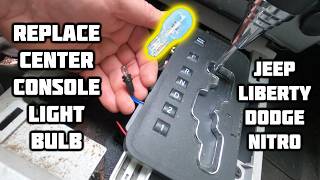
- Remove Center Console Trim: You will need to carefully pry off the plastic trim pieces that make up the center console to gain access to the area underneath. This usually involves removing a few screws (often hidden under small covers or in storage compartments) and then using plastic trim removal tools to unsnap the clips without causing damage. 🎬 See how to safely remove the center console trim
- Locate the Sensor: Once the console is removed, you will see the sensor—a small black box—bolted to the vehicle's floor tunnel.
- Unplug and Unbolt: Disconnect the single electrical connector from the sensor. Then, remove the two bolts holding the sensor bracket to the floor.
- Install the New Sensor: Bolt the new sensor into the exact same location and orientation. This is critical for proper function. Torque the bolts securely. Reconnect the electrical connector.
- Reassemble and Calibrate: Reinstall the center console trim and reconnect the battery. The final, crucial step is calibration, which is detailed in the next section.
Warning: The sensor must be installed flat and in the correct orientation. Installing it at an angle or backward will cause the ESP system to malfunction and may lead to dangerous, incorrect brake applications.
Programming and Calibration Requirements

This is the most important part of the replacement process. A new or used yaw rate sensor will likely not work correctly until it is calibrated to the vehicle. This procedure is called a "Zero Point Calibration." It teaches the sensor what it feels like to be stationary on a level surface, establishing a baseline for all its future readings.
- Is it Plug-and-Play? Rarely. While some owners have reported success without calibration, it is not guaranteed. You should always plan for calibration to be necessary.
- Who Can Perform the Calibration? A Jeep dealership or an independent mechanic with a professional-grade scan tool (like an Autel or Snap-on) or the official Mopar wiTECH 2.0 software can perform the zero point calibration.
- How it Works: The technician connects the scan tool, navigates to the ABS or Dynamics Control module menu, and selects the function for yaw rate sensor calibration. The vehicle must be parked on a perfectly level surface during this process.
- For Professionals: Using the official wiTECH 2.0 software requires an active subscription and a per-VIN Vehicle Reprogramming Subscription, which costs approximately $35 for one year of access for that specific vehicle.
Pro Tip: Before paying for a replacement, ask your mechanic if they can first attempt to re-calibrate your existing sensor. If the fault code is C1210 (Zero Point Calibration Undone), a simple re-calibration might be all that's needed to fix the problem.
Buying a Used Electronic Stability System Control Module
Given the high cost of a new OEM sensor, a used part from a reputable recycler is an excellent, cost-effective option. Since these modules are purely electronic with no moving parts to wear out, a used OEM unit is often just as reliable as a new one.
- Verify the Part Number: The most critical step is to match the part number. The original part number is 56029433AA, which was later updated to 56029433AB. The 'AB' version is the latest revision and is fully compatible with vehicles that originally had the 'AA' part. Either number will work, but the 'AB' is preferred if available.
- Physical Inspection: When you receive the part, inspect the plastic housing for any cracks or signs of heat damage. Most importantly, check the electrical connector pins to ensure they are straight, clean, and free of any corrosion.
- Source Vehicle: Ask the seller about the source vehicle if possible. A part from a low-mileage vehicle that was not involved in a flood or major collision is always a better choice.
- Why Used OEM is Smart: For complex electronics like this, a used original equipment (OEM) part is almost always superior to a new aftermarket part. The OEM sensor was designed and calibrated specifically for your Jeep's systems, ensuring perfect communication with the ABS module. Aftermarket versions, if available at all, may have issues with software compatibility or build quality.
Cost Breakdown
The cost to fix a faulty yaw rate sensor can vary dramatically depending on the parts source and labor.
| Item | Estimated Cost | Notes |
|---|---|---|
| New OEM Part | $185 - $450+ | Price varies between online Mopar discounters and local dealership parts counters. |
| Used OEM Part | $50 - $75 | A common price range on online marketplaces like eBay. |
| New Aftermarket Part | Not Available | Aftermarket options for this specific module are rare to non-existent. |
| Shop Labor (Replacement & Calibration) | $125 - $250 | Typically 1-2 hours of labor. Replacement is quick, but calibration adds time. |
Frequently Asked Questions (FAQ)
Can I drive my Jeep Liberty with the ESP BAS light on?
Yes, but with caution. When the ESP BAS light is on, your vehicle's normal braking system will still function, but the electronic stability control and traction control safety features are disabled. This means the vehicle will not automatically help you recover from a skid on slippery roads. Drive more carefully, especially in rain or snow, until the system is repaired.
Where is the yaw rate sensor located on a 2008-2012 Jeep Liberty?
The yaw rate sensor is located under the center console, near the parking brake handle and gear shifter. You must remove the console trim panels to access it.
Does a used yaw rate sensor need to be programmed?
Most likely, yes. After installing a new or used sensor, a "Zero Point Calibration" is required. This procedure must be done by a dealer or a shop with a compatible professional scan tool. It is not a guaranteed plug-and-play part.
What's the difference between the Yaw Rate Sensor and the Steering Angle Sensor?
Both sensors are part of the ESP system, but they measure different things. The Yaw Rate Sensor measures how much the vehicle is rotating or skidding sideways. The Steering Angle Sensor, located in the steering column, measures the direction the driver intends to go by reading the steering wheel's position. The ESP computer compares data from both sensors to determine if the vehicle is going where the driver is pointing it.
Helpful Videos
Technical Specifications
OEM Part Numbers: 56029433AA 56029433AB
Also known as: Dynamics Sensor, Yaw Sensor, Stabilizer Control Module. Measures lateral acceleration and yaw rate.
We Have This Part in Stock


The information in this article is provided for general reference and educational purposes only. Vehicle specifications, procedures, and part compatibility can vary by production date, trim level, and region. Always consult your vehicle's factory service manual and verify part numbers before purchasing or performing repairs. Safety-critical components such as airbags, seat belts, and braking systems should be installed by a qualified professional.
- Jeep Liberty:
- 🎬 Helpful Videos
- 🛍️ Shop This Part
- Symptoms of a Failing Yaw Rate Sensor
- Common Diagnostic Trouble Codes (DTCs)
- Known Issues, Recalls, and Technical Service Bulletins (TSBs)
- Replacement Guide
- Step-by-Step Replacement
- Programming and Calibration Requirements
- Buying a Used Electronic Stability System Control Module
- Cost Breakdown
- Frequently Asked Questions (FAQ)
- 🎟️ Get 5% Off