

1998 BMW 318i & 1996 Z3 DME ECU: Solving No-Start Issues and EWS Immobilizer Problems
This guide explains how to diagnose, replace, and program the MS41.1 engine computer, including the critical anti-theft alignment required to get your car running again.
- A used DME cannot be simply swapped in; it requires programming to match your car's EWS anti-theft system to start the engine.
- The easiest and most common solution is a mail-in cloning service, which copies all data from your old DME to the used replacement, making it plug-and-play.
- Before buying, confirm your original unit is a Siemens MS41.1 and check for signs of water damage, a common cause of failure.
- Failure symptoms often include a crank-no-start condition, random stalling, or the inability for a scan tool to communicate with the engine computer.
Symptoms of a Failing MS41.1 DME
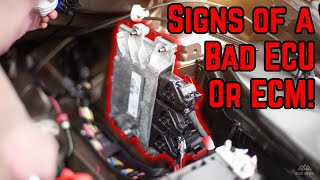
A failing DME can produce a variety of symptoms, some of which can be mistaken for other component failures. Diagnosing a bad DME often involves ruling out other possibilities first. 🎬 Watch: Learn the top signs of a failing ECU Common signs include:
- Crank But No Start: The engine turns over but will not fire up. This is one of the most common symptoms. It can be caused by the DME not firing the fuel injectors or ignition coils.
- No Communication with Scan Tool: If you plug in an OBD-II scanner and it cannot communicate with the engine computer, the DME itself may be offline or completely failed.
- Multiple, Unrelated Fault Codes: The DME may store fault codes for multiple sensors or systems at once. Codes pointing to internal DME errors like P0601, P0603, or P0605 are a strong indicator of failure.
- Random Stalling or Misfires: The engine may stall unexpectedly while driving or experience misfires on one or more cylinders that aren't resolved by replacing spark plugs, coils, or injectors.
- No Check Engine Light with Key On: When you turn the ignition key to the 'On' position (without starting), the check engine light should illuminate briefly. If it doesn't, it could mean the DME is not receiving power or has failed.
Known Issues, TSBs, and Recalls
The MS41.1 DME is generally reliable, but like any electronic component, it is susceptible to failure from heat, vibration, and especially moisture. The most common cause of failure is water intrusion.
On both the E36 3-Series chassis (used by the 318i) and the Z3, the DME is located in a black electronics box (e-box) in the engine compartment, typically on the passenger side near the firewall. While this box is designed to be sealed, the gaskets can fail over time, or the cowl drains above it can become clogged with leaves and debris, causing water to overflow into the e-box and short-circuit the DME.
Recalls and Technical Service Bulletins (TSBs)
As of mid-2026, there are no specific recalls issued by the National Highway Traffic Safety Administration (NHTSA) for the MS41.1 DME itself on the 1998 BMW 318i or 1996 BMW Z3. However, there have been other recalls for these vehicles. The 1996 Z3 had a recall (NHTSA 97V131000) for a throttle cable bushing that could break and cause the throttle to stick partially open. While not directly related to the DME, any issue affecting engine control warrants attention.
Warning: The Critical EWS Anti-Theft System
You cannot simply swap a used DME from another vehicle and expect it to work. These BMWs are equipped with an anti-theft system called EWS (Elektronische Wegfahrsperre). The DME, the EWS control module, and the transponder chip in your key are all synchronized. If you install a DME with a different stored Individual Serial Number (ISN), the EWS system will prevent the engine from starting. This is the single most important factor to consider when replacing this part.
Buying a Used Electronic Control Module
A used OEM DME is often a cost-effective and reliable solution, provided you address the EWS programming requirement. Aftermarket DMEs for these models are not common, and a new OEM unit can be prohibitively expensive.
What to Look For:
- Verify the Part Number: Before purchasing, remove your original DME and confirm it has "MS41.1" printed on the label. Match the OEM part number (e.g., 12141430106, 12141430104) as closely as possible, though many within the MS41.1 family are cross-compatible with the correct programming.
- Inspect for Physical Damage: Check the replacement unit for any signs of corrosion on the case or pins, which indicates water damage. Ensure the connectors are clean and all pins are straight.
- Plan for Programming: A used DME is just a piece of hardware until it's programmed. You MUST have a plan for EWS alignment before you buy.
Programming and Installation Options
Physically replacing the DME is simple—it involves disconnecting the battery, opening the e-box, unplugging the wiring harnesses, and swapping the modules. The challenge is the software alignment.
- Mail-In Cloning Service: This is the most popular and straightforward option for DIYers and many independent shops. You send both your original (faulty) DME and the used replacement unit to a specialized service. They transfer all the critical data—including the VIN, software, and the all-important EWS security code—from your old module to the new one. The replacement DME is then returned to you as a "plug-and-play" unit. The car will start with your original keys, no further programming needed.
- Independent BMW Specialist: A well-equipped independent shop that specializes in BMWs will have the diagnostic tools (like Autologic, ISTA, or INPA) to perform a DME-EWS alignment. They can synchronize the used DME to your car's existing EWS module.
- EWS Delete Service: Some tuners and services offer to remove the EWS function from the DME entirely. This makes the DME truly plug-and-play and is a common choice for engine swaps or race cars, but it does remove the factory anti-theft protection.
- BMW Dealer: A dealer will typically only install and program a brand-new DME that they order for your specific VIN. This is the most expensive route and they will usually refuse to program a used part.
Pro Tip: Before condemning your DME, check the DME relay first. It's a much cheaper part located in the same e-box. A faulty relay can mimic a dead DME by cutting its power supply, leading to a no-start and no communication with a scan tool.
Cost Breakdown for DME Replacement
Prices can vary based on location and the chosen programming method. The following is an estimate of what you can expect to pay.
| Part / Service | Estimated Cost |
|---|---|
| New OEM DME (Part Only) | $1,500 - $3,600+ |
| Remanufactured DME | $450 - $900 |
| Used OEM DME (Part Only) | $75 - $250 |
| Mail-In Cloning Service | $200 - $350 |
| Shop Labor (Physical Swap) | $100 - $150 (approx. 0.5-1.0 hr) |
| Shop Labor (Programming/Alignment) | $150 - $300 (approx. 1-2 hrs) |
Frequently Asked Questions
Can I just install a used DME and have the car start?
No. Due to the EWS anti-theft system, a used DME from another car will not allow the engine to start. It must be professionally synchronized or cloned from your original DME.
What is DME/EWS alignment?
It is a software procedure that synchronizes the security codes between the Engine Control Unit (DME) and the Immobilizer module (EWS). This ensures the car recognizes the DME as legitimate and allows the engine to start. Without this alignment, the car will crank but not fire.
Where is the DME located on the 1998 318i and 1996 Z3?
On both models, the DME is located inside a black plastic electronics box (e-box) in the engine bay, on the passenger side near the firewall and windshield. You will need to remove the cover of this box to access it.
Is a mail-in cloning service safe and reliable?
Yes, reputable cloning services are a very common and reliable solution for these DMEs. They perform a full data transfer without physically damaging the module. This makes the replacement unit a true plug-and-play part, saving you from needing expensive dealer tools.
Helpful Videos
Technical Specifications
OEM Part Numbers: 12141430104 12141430105 12141430106 1430106 1429532 1432402 1429896 1429773 1430000 1430144 1430136 1437806 1437807
Siemens MS41.1
We Have This Part in Stock


The information in this article is provided for general reference and educational purposes only. Vehicle specifications, procedures, and part compatibility can vary by production date, trim level, and region. Always consult your vehicle's factory service manual and verify part numbers before purchasing or performing repairs. Safety-critical components such as airbags, seat belts, and braking systems should be installed by a qualified professional.
- BMW 318i:
- BMW Z3:
- 🎬 Helpful Videos
- 🛍️ Shop This Part
- Symptoms of a Failing MS41.1 DME
- Known Issues, TSBs, and Recalls
- Recalls and Technical Service Bulletins (TSBs)
- Buying a Used Electronic Control Module
- What to Look For:
- Programming and Installation Options
- Cost Breakdown for DME Replacement
- Frequently Asked Questions
- 🎟️ Get 5% Off