

2025 BMW 530i Instrument Cluster: Programming, VIN Lock, and Replacement Guide
Replacing the driver information display in a 2025 BMW 530i is not plug-and-play; this guide covers the critical programming and compatibility checks required.
- Replacing the cluster is NOT plug-and-play. It requires professional programming to match the car's VIN and mileage, whether the part is new or used.
- A used module must be 'virginized' (wiped of donor car data) by a specialist before it can be programmed to your vehicle. Most dealers will not do this.
- Always confirm your programming plan with an independent BMW specialist BEFORE purchasing a used module.
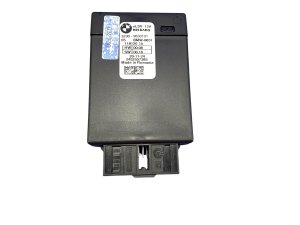
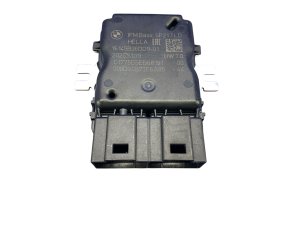
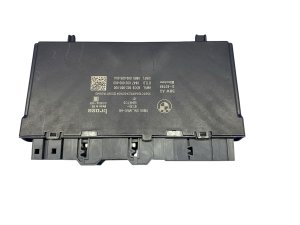
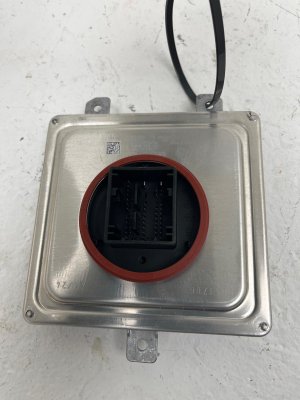
- Visually inspect and match the part number from your original module exactly, paying close attention to variants (e.g., with or without a cooling fan).
Symptoms of a Failing Driver Information Display Module
When the instrument cluster in a 2025 BMW 530i begins to fail, you may notice a range of symptoms, from minor glitches to complete failure. Because the vehicle is so new, many issues may be software-related and could potentially be fixed with a system reboot (holding the volume knob down for 30-70 seconds) or a dealer software update. However, hardware failure can and does occur.
- Blank or Black Screen: The entire instrument cluster display may fail to turn on, leaving you with no information.
- Intermittent Power Loss: The cluster might shut off and restart randomly while driving.
- Flickering or Dim Display: The screen's backlighting may flicker, or parts of the display may appear dim or unreadable.
- Incorrect Gauge Readings: The digital speedometer, tachometer, or fuel level may show incorrect or erratic values.
- Frozen Display: The display may freeze, showing static information that doesn't update as you drive.
- Warning Lights and Error Messages: You may see persistent, false warning lights or check control messages. A common message is CC-ID 60 for a speedometer failure.
- Software Glitches: Some owners of the G60 platform have reported the cluster temporarily losing content, such as media or navigation info, which returns on the next drive cycle.
- Communication Fault Codes: A diagnostic scan may reveal fault codes related to the KOMBI module, such as EEPROM errors (like code BF) or CAN bus communication failures (like code F0).
Known Issues, Recalls, and Technical Service Bulletins (TSBs)
As of mid-2026, there are no recalls or TSBs specifically for the instrument cluster on the 2025 BMW 530i. However, several safety recalls have been issued for the vehicle that owners should be aware of:
- NHTSA Recall 25V-202: A loose connection at the starter-generator could lead to resistive heating, engine stalling, and an increased risk of a crash.
- NHTSA Recall 24V-104: A potential malfunction in the integrated brake system could result in a loss of power brake assist, ABS, and stability control.
- Other Recalls: Other campaigns for the 2024-2025 5-Series platform include issues with the steering spindle and potential damage to the A/C wiring harness during cabin air filter replacement.
These recalls are handled by BMW dealerships at no cost to the owner. While not directly related to the display module, they highlight the electronic complexity of the vehicle.
CRITICAL: Programming Is Required
You cannot simply swap a used Driver Information Display Control Module into your 2025 BMW 530i. The instrument cluster is a key security component of the vehicle's anti-theft system. It stores the vehicle's VIN, mileage, and service history. Installing a used module without proper programming will result in a red tamper dot on the odometer, incorrect mileage display, and loss of function for service reminders and communication with the main iDrive screen.
Buying a Used Driver Information Display Control Module
Purchasing a used OEM module can offer significant savings over a new part, but it requires careful planning. This is not a simple plug-and-play replacement.
1. Verify the Part Number and Variants
The most critical step is to match the part number exactly. The known OEM part number is 5B6BDA7. However, multiple part numbers may exist depending on vehicle options like the Head-Up Display (HUD). Before purchasing, remove your original module to confirm the part number on its label.
Warning: Check for a Cooling Fan. The initial data for this part indicates a variant exists for models that do not have a cooling fan on the module. While searches did not confirm this feature, it is crucial to visually inspect your original module and the replacement to ensure they match. High-power electronics like the Live Cockpit Professional display can generate significant heat, and a missing fan on a vehicle that requires one could lead to premature failure.
2. Plan for Programming BEFORE You Buy
Because a used module is 'locked' to the donor car's VIN, it must be 'virginized' before it can be programmed to your vehicle. This involves electronically wiping the donor car's data from the module's memory (EEPROM). After being virginized, it can be installed and then programmed and coded by a specialist.
- BMW Dealer: Most dealers will only install and program a brand new module that they order for you. They are often unwilling or unable to work with used parts from a third party.
- Independent Specialist: This is your best option. Find a reputable independent BMW repair shop or a remote coding service that has experience with late-model BMW electronics. They have the specialized tools (like ISTA) and knowledge to virginize and program a used cluster. Expect to pay for this service, and you may need to send them your original Car Access System (CAS) module, a key, and the used cluster.
Pro Tip: Contact a BMW coding specialist before you buy the used part. Confirm with them that they can and will program the used module for your vehicle and get a quote for the service. This avoids the risk of buying a part that no one can make work in your car.
3. Physical Inspection
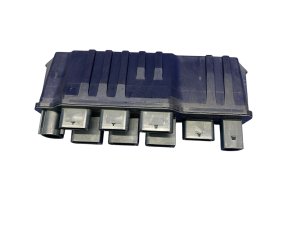
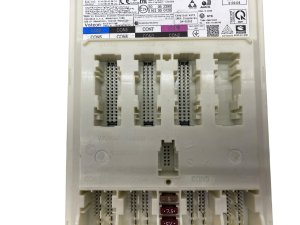
When the used part arrives, inspect it carefully. Check for any cracks in the screen or housing, damage to the electrical connectors, and ensure it matches your original part's design, including the potential cooling fan variant.
Cost Comparison for Replacement
Prices can vary significantly based on the source of the part and labor rates. Programming is a mandatory additional cost for any replacement, new or used.
| Item | Estimated Cost | Notes |
|---|---|---|
| New OEM Module | $1,800 - $2,500+ | Part only, ordered from a BMW dealer. |
| Used OEM Module | $400 - $800 | Price from salvage yards or online sellers. Highly dependent on availability for a new model. |
| Aftermarket New | Not Available | Direct aftermarket replacements are not typically available for brand-new models. |
| Shop Labor (Physical Swap) | $125 - $200 | Estimated 1-1.5 hours to remove the old unit and install the replacement. |
| Programming & Coding | $250 - $450 | Mandatory cost. Performed by a dealer (for new parts) or an independent specialist (for used parts). |
Frequently Asked Questions (FAQ)
Can I replace the instrument cluster myself?
The physical replacement is relatively easy for a DIY mechanic, typically involving removing a few trim pieces and screws. However, the job is not complete without the required programming. Unless you have access to advanced BMW diagnostic and coding software (like ISTA) and the expertise to use it, you cannot complete the replacement yourself.
Will a used cluster show the wrong mileage?
Yes, until it is properly virginized and programmed. A used cluster will initially show the mileage from the donor car and a tamper dot. The correct programming procedure will sync the cluster to your car's actual mileage, which is stored redundantly in other modules like the Car Access System (CAS).
What is the red 'tamper dot' on the odometer?
The tamper dot is a small red light that appears on the odometer display when the cluster detects a mismatch between the VIN and mileage stored in its memory and the data from the rest of the car. It is a clear indication that the cluster is not original to the vehicle or has not been programmed correctly. This dot can only be removed by proper programming.
Is it safe to drive with a faulty instrument cluster?
It is not recommended. While the car may still drive, you will be without critical information such as your vehicle's speed, engine warnings, fuel level, and the status of safety systems like airbags and ABS. Driving without a functioning speedometer is illegal in many places and poses a significant safety risk.
Technical Specifications
OEM Part Numbers: 5B6BDA7
12.3-inch fully digital display, part of the BMW Live Cockpit Professional system. Communicates via CAN bus and other vehicle networks. Stores vehicle VIN, mileage, and service data in EEPROM memory.
We Have This Part in Stock

The information in this article is provided for general reference and educational purposes only. Vehicle specifications, procedures, and part compatibility can vary by production date, trim level, and region. Always consult your vehicle's factory service manual and verify part numbers before purchasing or performing repairs. Safety-critical components such as airbags, seat belts, and braking systems should be installed by a qualified professional.
- BMW 530i:
- 🛍️ Shop This Part
- Symptoms of a Failing Driver Information Display Module
- Known Issues, Recalls, and Technical Service Bulletins (TSBs)
- Buying a Used Driver Information Display Control Module
- 1. Verify the Part Number and Variants
- 2. Plan for Programming BEFORE You Buy
- 3. Physical Inspection
- Cost Comparison for Replacement
- Frequently Asked Questions (FAQ)
- 🎟️ Get 5% Off