

2020-2026 Tesla Model Y Axle Shafts: Decoding Clicks, Shudders, and Part Numbers
This guide explains common Model Y axle failures, helps you buy the right used part, and details the critical differences between AWD, RWD, and Performance models.
- Compatibility is critical: Axles differ between AWD, RWD, and Performance models, as well as front and rear positions. Always verify the OEM part number.
- The most common failure symptoms are a clicking noise when turning and/or a vibration when accelerating.
- A torn CV boot will lead to rapid joint failure. Inspect boots carefully on any used part.
- Replacing an axle requires a wheel alignment afterward to prevent tire wear and handling issues.
- The large axle nut is a single-use item and must be torqued to a very high, specific value.
Symptoms of a Failing Model Y Axle Shaft


A failing drive axle in a Tesla Model Y will typically provide clear audible and physical warnings. Due to the instant torque of electric motors, drivetrain components like axles can experience significant stress. Ignoring these symptoms can lead to a complete failure, where the vehicle may lose power to a wheel entirely.
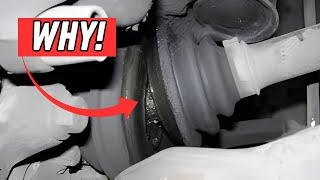
🎬 Watch: 9 common symptoms of a failing CV axleClicking or Popping Noises When Turning
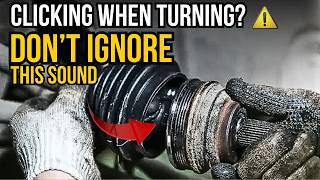
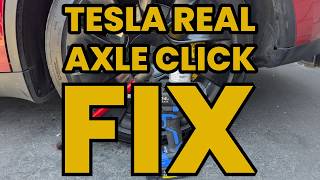
This is the most common and classic symptom of a worn outer CV joint. You will typically hear a rhythmic clicking or popping sound that corresponds with wheel speed when making tight, low-speed turns, such as in a parking lot or making a U-turn. The noise may be more pronounced in one direction than the other. Several Model Y owners have reported this specific issue, sometimes intermittently in colder weather, which can make it difficult for service centers to replicate.
🎬 Watch: How to identify and fix Model Y axle clickingVibration or Shudder Under Acceleration
A vibration or shudder that is most noticeable during acceleration can point to a problem with the inner CV joint. This can feel like a pulsing sensation through the floor or steering wheel. In some Tesla models, this has been a known issue requiring the replacement of both front half-shafts to resolve. While some vibrations can be caused by tire balance issues, a vibration that is specifically tied to acceleration is a strong indicator of a worn axle.
🎬 See this video on potential causes for Tesla vibration issuesClunking When Shifting or Accelerating
A loud clunk when you shift from Drive to Reverse or when you first apply acceleration can indicate excessive play or looseness in a worn CV joint or the axle splines. This sound is the result of the slack in the drivetrain being suddenly taken up. If you hear this, immediate inspection is recommended as it signifies a significant level of wear.
Grease on the Inside of the Wheel or Underside of the Vehicle
The CV joints are protected by flexible rubber or neoprene boots filled with special grease. If a boot tears or the clamp fails, this grease will be flung outward by the rotating axle. A visual inspection may reveal dark, heavy grease splattered on the inside of your wheel, on the suspension components, or under the vehicle near the axle. Loss of grease allows dirt and moisture into the joint, which rapidly accelerates wear and leads to the noises and vibrations mentioned above.
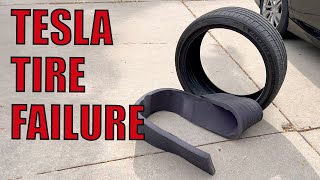
Pro Tip: Some vibrations on the Model Y can be caused by the foam liner inside the OEM "SoundComfort" tires coming loose and bunching up, causing a severe imbalance. If you have a sudden onset of vibration at highway speeds, it's worth having a tire shop check for this issue before assuming it's an axle.
Known Issues, Recalls, and Service Bulletins

While there are no widespread recalls specifically for Model Y drive axle *failure*, there have been related recalls and service bulletins for suspension components that can affect the drivetrain geometry and axle life.
- NHTSA Recall 21V835000 (October 2021): This recall concerned front suspension lateral link fasteners that could loosen, potentially allowing the lateral link to separate from the sub-frame. This affects the wheel's alignment and could put abnormal stress on the axle assembly. The recall impacted nearly 2,800 Model 3 and Model Y vehicles from the 2019-2021 model years.
- NHTSA Recall 20V708000 (November 2020): Some 2020 Model Y vehicles were recalled for bolts connecting the front upper control arm and steering knuckle that may not have been properly tightened. A loose knuckle can lead to wheel misalignment and potential stress on the axle.
- Service Bulletin SB-21-39-001: Tesla issued this bulletin to address customer complaints of "excessive vibrations from the front drive unit during hard acceleration" on some Model S and X vehicles, which share similar architecture. The fix involves replacing both front drive unit half-shafts with updated components. While not specific to the Model Y, it highlights a known issue with Tesla drivetrains that can cause similar symptoms.
Buying a Used 2020-2026 Model Y Drive Axle Shaft
Purchasing a used OEM drive axle can be a cost-effective solution, but careful inspection is key. A high-quality recycled axle is often superior to a cheap, new aftermarket part due to better materials and manufacturing tolerances in the original Tesla component.
1. Verify Compatibility Above All Else
Warning: Axle compatibility is extremely specific. An axle for a Rear-Wheel Drive (RWD) model will NOT work on an All-Wheel Drive (AWD) model. Likewise, front and rear axles are different, and Performance models may use unique, stronger axles. The only sure way to guarantee a match is to verify the OEM part number on your original part before ordering.
The provided part numbers (e.g., 1188115-00-A, 1188161-00-C) correspond to different positions and vehicle configurations. For example, 1188115-99-A is listed as a front axle for AWD models, while 1188161-00-C is a rear axle. Always cross-reference the part number from your vehicle with the number on the used part.
2. Physical Inspection Checklist
- Inspect the CV Boots: The rubber boots at each end should be pliable, with no cracks, tears, or pinholes. Squeeze the boots to check for brittleness. A torn boot means the joint is contaminated and should be avoided.
- Check for Leaks: Look for any signs of grease being flung from the boots. Even if the boot looks intact, a leaking clamp can cause grease loss. The area around the small and large ends of the boot should be clean.
- Test the Joints for Play: Hold the shaft and try to move the outer joint. It should move smoothly through its range of motion but should have minimal to no axial (in-and-out) or radial (up-and-down) play. A clunking or loose-feeling joint is worn out.
- Examine the Splines: The splines on both ends of the axle should be clean, straight, and free of damage or excessive rust. Damaged splines can make installation difficult and may not transfer torque correctly.
- Check for Shaft Damage: Inspect the central shaft for any signs of impact damage, deep corrosion, or twisting. The shaft should be straight.
3. Mileage Considerations
While there is no specific mileage at which Model Y axles fail, the risk of wear increases with mileage, especially if the vehicle was driven aggressively. For a used axle, lower mileage is always better. However, the condition of the CV boots is a more important indicator than mileage alone. A 100,000-mile axle with perfect boots may be in better condition than a 40,000-mile axle with a torn boot that has been exposed to the elements.
Replacement Cost Comparison
Replacing a drive axle involves significant labor. The following costs are estimates and can vary based on your location and the specific repair shop.
| Part/Service | Estimated Cost |
|---|---|
| New OEM (Tesla) | $400 - $600+ (part only) |
| New Aftermarket | $90 - $200 |
| Used OEM | $150 - $300 |
| Shop Labor | $250 - $500 (per axle) |
Installation Tips and Torque Specs

Replacing a Model Y axle is a job for an experienced DIY mechanic or a professional. It requires lifting the vehicle and removing suspension components. Tesla's official service manual provides detailed procedures.
- Axle Nut: The large nut holding the axle to the wheel hub is a critical fastener. It is typically a 32mm nut. Tesla's procedure notes to replace the nut and washer with new ones upon installation. A DIY video guide suggests a torque spec of 220 ft-lbs (approximately 298 Nm) for the rear axle nut, but always verify with the official service manual for your specific model year and location (front/rear).
- Lug Nuts: The wheel lug nut torque specification for the Tesla Model Y is 129 lb-ft (175 Nm).
- Seating the Axle: When installing the new axle into the drive unit, you must push it in firmly until you hear an audible "click" as the retaining circlip snaps into place. After installation, pull on the inner joint cup to confirm it is locked and will not pull out.
Frequently Asked Questions (FAQ)
Can I replace just the CV joint or boot?
While it is technically possible, it is almost always more practical and reliable to replace the entire axle shaft assembly. Separating the joint and replacing a boot is a messy and time-consuming job. Given the reasonable cost of complete used or aftermarket axles, most mechanics and DIYers opt for a full assembly replacement.
Is a front axle the same for the left and right sides?
For the 2020-2023 Model Y, many aftermarket front axles are listed as fitting either the driver or passenger side, suggesting they are interchangeable. However, you should always confirm this with the specific part number you are purchasing. Rear axles may be side-specific.
Do I need a wheel alignment after replacing an axle shaft?
Yes, it is highly recommended. The replacement process requires disconnecting several suspension components, such as control arms or the steering knuckle. A four-wheel alignment is necessary to ensure the suspension geometry is correct, which will prevent abnormal tire wear and ensure proper handling.
What fluid should I check?
The CV joints themselves are packed with grease and sealed. The only fluid you might see is that grease if a boot is torn. The axle shaft connects to the drive unit, which contains its own gear oil. When removing the axle, a small amount of this fluid may leak out. It's a good practice to check the drive unit fluid level after the repair is complete, though this is a sealed system not intended for regular owner checks.
Helpful Videos

Technical Specifications
OEM Part Numbers: 1188115-00-A 1188115-99-A 1188119 1188119-00-A 1188119-00-B 1188161 1188161-00-C 1188161-00-D 1188161-01-C 1188165-00-A
Wheel Lug Nut Torque: 129 lb-ft (175 Nm). Axle Nut Torque (Rear, for reference): ~220 ft-lbs (298 Nm) - Always verify with official service manual. Axle Nut Socket Size: 32mm.
We Have This Part in Stock
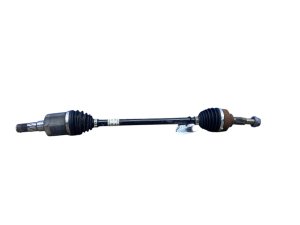
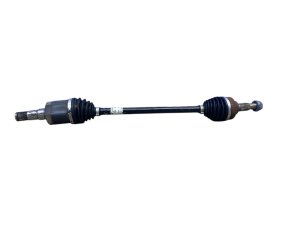
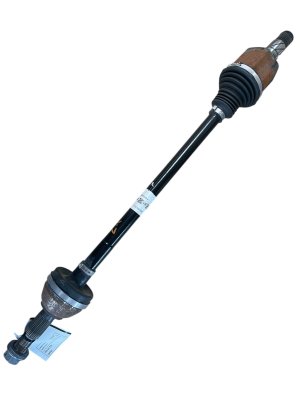
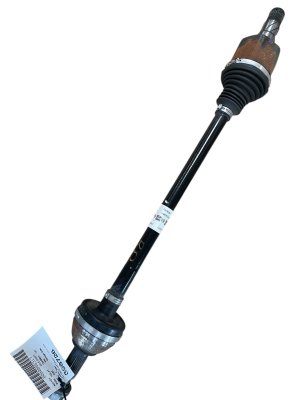
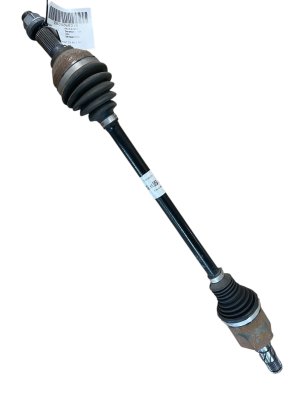
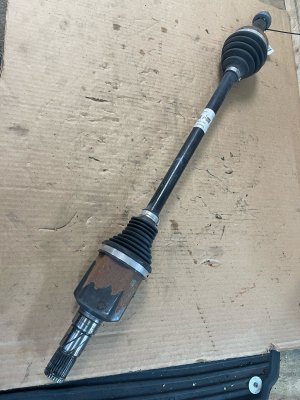

The information in this article is provided for general reference and educational purposes only. Vehicle specifications, procedures, and part compatibility can vary by production date, trim level, and region. Always consult your vehicle's factory service manual and verify part numbers before purchasing or performing repairs. Safety-critical components such as airbags, seat belts, and braking systems should be installed by a qualified professional.
- Tesla Model Y:
- 🎬 Helpful Videos
- 🛍️ Shop This Part
- Symptoms of a Failing Model Y Axle Shaft
- Clicking or Popping Noises When Turning
- Vibration or Shudder Under Acceleration
- Clunking When Shifting or Accelerating
- Grease on the Inside of the Wheel or Underside of the Vehicle
- Known Issues, Recalls, and Service Bulletins
- Buying a Used 2020-2026 Model Y Drive Axle Shaft
- 1. Verify Compatibility Above All Else
- 2. Physical Inspection Checklist
- 3. Mileage Considerations
- Replacement Cost Comparison
- Installation Tips and Torque Specs
- Frequently Asked Questions (FAQ)
- 🎟️ Get 5% Off