

2019-2025 Tesla Model S & Model X Drive Axle: Diagnosing Shudder, Clicks, and Vibrations
This guide covers the common failure symptoms, replacement costs, and critical compatibility differences for the drive axle shafts on 'Raven' and 'Palladium' generation Tesla Model S and Model X vehicles.
- The most common failure symptom is a shudder or vibration from the front end during hard acceleration, addressed by Tesla TSB SB-21-39-001.
- Part compatibility is critical. Axles differ between front/rear, left/right, and potentially Long Range/Plaid trims. Always verify your original part number.
- When buying a used axle, the condition of the rubber CV boots is the most important factor. Any tear or crack means the joint is compromised.
- Replacing the axle requires putting the vehicle in 'Jack Mode' and using a new, one-time-use axle nut torqued to the correct specification (approx. 245 Nm / 181 lb-ft for the rear).
Symptoms of a Failing Drive Axle Shaft


Drive axle failure in the 2021-2025 Tesla Model S and 2019-2025 Tesla Model X often manifests as distinct noises and vibrations, particularly during acceleration. Because these vehicles are so quiet, drivetrain noises are often more noticeable than in a gasoline-powered car.
1. Shudder or Vibration During Acceleration
This is the most widely reported symptom for these models. You will feel a noticeable shudder, shake, or vibration from the front of the vehicle, especially during hard acceleration. This issue has been persistent enough that Tesla has issued Technical Service Bulletins (TSBs) for it. The vibration is caused by premature wear within the inner CV joints, which can develop imperfections or pitting due to the high torque and the specific angle of the axles. The problem can sometimes be more pronounced when the vehicle's air suspension is set to a higher ride height.
2. Clicking or Popping Noises When Turning
A classic sign of a worn outer CV joint is a rhythmic clicking or popping sound that occurs when making sharp turns at lower speeds. This noise happens because the bearings inside the worn joint have too much space and click against each other as they rotate. This symptom is common to all vehicles with CV axles, including Teslas.
3. Clunking Noise on Acceleration or Deceleration
A "clunk" or "thump" when you start to accelerate or shift between drive and reverse can indicate excessive play in a worn inner CV joint. This sound is the result of the joint's internal components slamming together as the torque is applied or reversed. Some owners also report a clicking noise that can be resolved by lubricating the axle splines where they enter the wheel hub.
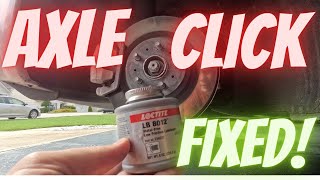
🎬 See how to fix this clicking noise at home.Pro Tip: Tesla has issued a Technical Service Bulletin (SB-21-39-001) that addresses the front-end vibration issue. If your vehicle is under warranty and exhibiting this symptom, Tesla may replace both front half-shafts. Even out of warranty, some owners have reported success in getting the repair done at a reduced cost by referencing the TSB.
Known Issues, TSBs, and Recalls

The primary known issue for these drive axles is the "acceleration shudder." This has been a recurring problem for Model S and Model X vehicles for many years, stemming from the high stress placed on the front CV joints by the powerful electric motors. The design places the half-shafts at a steep angle, which accelerates wear on the internal components of the CV joints.
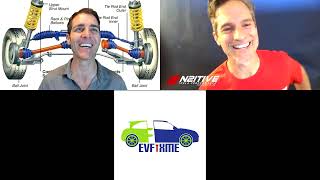
- Technical Service Bulletin SB-21-39-001: This bulletin specifically addresses customer complaints of "excessive vibrations from the front drive unit during hard acceleration." The prescribed fix is to replace both front drive unit half-shafts with updated components and, in some cases, replace the front drive unit clevis and axle seal. The bulletin notes that this is a Noise, Vibration, and Harshness (NVH) issue and does not affect steering, braking, or safety. 🎬 Watch: Does this Tesla service bulletin actually fix the vibration?
As of early 2026, there are no specific NHTSA recalls for the drive axle shafts themselves on these models. Recalls for these vehicles have focused on other areas like airbags, software, and suspension fasteners.
Buying a Used Drive Axle Shaft
A used OEM drive axle is often a cost-effective and reliable alternative to expensive new parts, especially when cheap aftermarket options may not be built to handle Tesla's torque. Here’s what to look for:
1. Physical Inspection
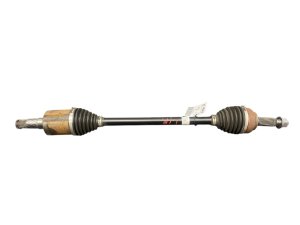
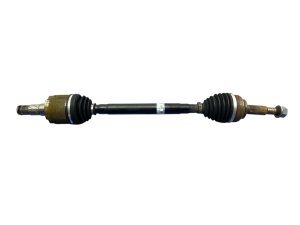
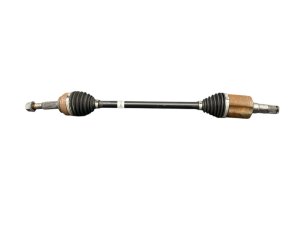
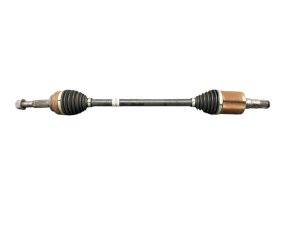
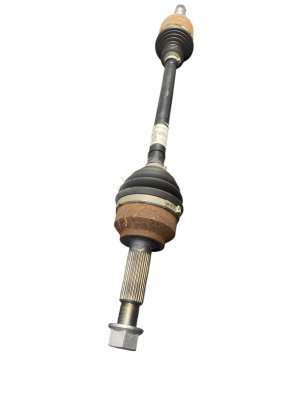
- Inspect the CV Boots: The rubber boots at each end of the axle are the most critical inspection point. They should be free of any rips, tears, or cracks. A torn boot allows the lubricating grease to escape and contaminants like dirt and water to enter, which quickly destroys the CV joint. If you see grease splattered on the inside of the wheel or under the car, it's a sure sign of a failed boot.
- Check for Play: Hold the shaft and try to move the joints. There should be very little in-and-out (plunge) movement and almost no rotational slop. Excessive play indicates a worn joint.
- Look for Damage: Inspect the shaft itself for any signs of bending, heavy corrosion, or damage from impact. Check the splines on both ends to ensure they are not stripped or damaged.
2. Compatibility and Part Numbers
Warning: Verifying the exact OEM part number is crucial. Tesla uses different axle shafts for the front and rear, left and right sides, and potentially between Long Range and high-performance Plaid models. Do not assume they are interchangeable.
Always match the part number from your original axle to the used part you are buying. Some known OEM part numbers include: 1027113-00-B, 1027161-00-C, 1420113-00-B, 1420119-00-B, 1626636-00-A, and 1626638-00-A. This is not an exhaustive list, and part numbers are frequently superseded. The only way to be certain is to check your specific vehicle's original part.
3. Mileage Considerations
While there is no specific mileage at which these axles fail, the shudder issue can appear at relatively low miles for some owners. When buying used, look for an axle from a lower-mileage vehicle if possible. However, the condition of the CV boots is a more important indicator of lifespan than mileage alone. A high-mileage axle with intact boots is likely in better condition than a low-mileage one with a torn boot.
Cost Breakdown
Replacing a drive axle on a Model S or Model X can be expensive, especially at the dealership. A used OEM part can offer significant savings.
| Part Type | Estimated Cost | Notes |
|---|---|---|
| New OEM (from Tesla) | $900 - $1,500+ | Price can vary significantly. Some owners report quotes up to $2,000 for parts and labor. |
| New Aftermarket | $150 - $400 | Availability can be limited. Quality and ability to handle Tesla's torque may be a concern compared to OEM. |
| Used OEM | $100 - $350 | Offers OEM quality and durability at a fraction of the new price. |
| Shop Labor | $350 - $600 | Typically 2-3 hours of labor. Independent shops may be cheaper than Tesla Service Centers. |
Replacement Procedure Overview & Torque Specs

Replacing the drive axle is a moderately difficult job that can be performed by an experienced DIY mechanic. It involves removing the wheel, brake caliper, and various suspension links to gain access to the axle.
Key Steps:
- Engage Jack Mode: Before lifting, you must put the vehicle's air suspension into 'Jack Mode' via the touchscreen to prevent it from self-leveling.
- Remove Axle Nut: The large central axle nut must be removed. 🎬 Watch this quick guide to fixing the common axle click. This is a 32mm nut and is torqued very tightly.
- Disconnect Suspension: Several suspension links (like the upper link and toe link) must be disconnected from the wheel knuckle to allow the knuckle to swing out of the way.
- Separate Axle from Hub: The axle splines can be tight in the wheel hub. A hub puller may be needed to push the axle out.
- Remove Axle from Drive Unit: The inner end of the axle pops out of the drive unit. A pry bar or a special tool may be needed to release the retaining clip.
- Installation: When installing the new axle, be careful not to damage the drive unit's oil seal. Always use a new axle nut, as it is a one-time-use, torque-to-yield component.
Critical Torque Specs:
- Rear Axle Nut: 245 Nm (180.7 lb-ft). Some sources may list up to 300 Nm (221.2 lb-ft); always verify the correct spec for your specific model and year.
- Front Axle Nut (Model X): One DIY source mentions 180 ft-lbs, but it's best to confirm with an official service manual.
- Brake Caliper Bolts: ~120-125 Nm (92.2 lb-ft).
- Suspension Link Bolts: Range from 130 Nm to 150 Nm (96 to 110 lb-ft) depending on the specific link.
Warning: After replacement, new half-shafts may need a 'break-in' period. Tesla's procedure involves several hard accelerations to seat the new components and eliminate any initial noise or vibration.
Frequently Asked Questions
Do I need to replace the drive axles in pairs?
While not strictly required, it is often recommended. If one axle has failed due to wear, the other is likely not far behind. The TSB for the front shudder issue involves replacing both front axles at the same time.
Is a Plaid axle shaft an upgrade for a Long Range model?
This is unconfirmed. While Plaid models have significantly more power, it is not clear from available data if the axle shafts are physically stronger or have different dimensions. It is critical to use the part number specified for your vehicle's VIN to ensure proper fit and function.
Will replacing the axles permanently fix the acceleration shudder?
Not always. Some owners report the shudder returning after replacement, sometimes in as few as 500 to 10,000 miles. The issue appears to be inherent to the design and stress on the components. The replacement axles provided by Tesla are updated parts intended to be more durable, but long-term success can vary.
Do I need to drain any fluid to replace a drive axle?
Yes, a small amount of drive unit fluid will leak out when the axle is removed from the differential/drive unit. It's a good practice to have a drain pan ready and to top off the fluid level with the correct Tesla-specified fluid after the new axle is installed.
Helpful Videos
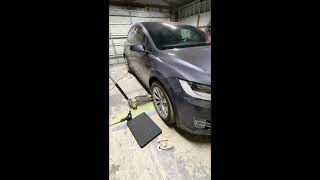
Technical Specifications
OEM Part Numbers: 1027113-00-B 1027119-00-B 1027161-00-A 1027161-00-B 1027161-00-C 1027161-00-E 1420113-00-B 1420119-00-B 1420161-00-A 1420162-00-A 142016200A 1420167-00-B 1420168-00-A 1626638-00-A 1626636-00-A 1626637-00-A 1027115-00-D
Rear Axle Nut Torque: 245 Nm (180.7 lb-ft)
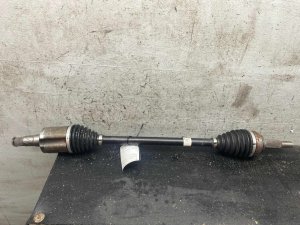
We Have This Part in Stock

The information in this article is provided for general reference and educational purposes only. Vehicle specifications, procedures, and part compatibility can vary by production date, trim level, and region. Always consult your vehicle's factory service manual and verify part numbers before purchasing or performing repairs. Safety-critical components such as airbags, seat belts, and braking systems should be installed by a qualified professional.
- Tesla Model S:
- Tesla Model X:
- 🎬 Helpful Videos
- 🛍️ Shop This Part
- Symptoms of a Failing Drive Axle Shaft
- 1. Shudder or Vibration During Acceleration
- 2. Clicking or Popping Noises When Turning
- 3. Clunking Noise on Acceleration or Deceleration
- Known Issues, TSBs, and Recalls
- Buying a Used Drive Axle Shaft
- 1. Physical Inspection
- 2. Compatibility and Part Numbers
- 3. Mileage Considerations
- Cost Breakdown
- Replacement Procedure Overview & Torque Specs
- Key Steps:
- Critical Torque Specs:
- Frequently Asked Questions
- 🎟️ Get 5% Off