

2014-2025 Ram 2500 Drag Link: Steering Recall, Death Wobble, and Replacement Guide
A definitive guide to the critical steering linkage recall, symptoms of failure like 'death wobble', and how to safely replace the drag link on your truck.
- A critical safety recall (NHTSA 19V-021) exists for 2014-2018 models due to a drag link that can separate and cause a total loss of steering.
- The recall fix involves welding the adjuster nuts, which complicates future wheel alignments.
- Symptoms of failure include steering wander, clunking noises, and the potential for violent 'death wobble'.
- Buying a used drag link is extremely risky and not recommended due to the catastrophic nature of a failure.
Major Safety Recall for 2014-2018 Models: The Welded Drag Link
Owners of 2014-2018 Ram 2500 trucks must be aware of a critical safety recall affecting the drag link. This recall, identified as NHTSA Campaign #19V-021 and FCA recall #V06, addresses a defect where the outboard jam nut on the drag link's adjuster sleeve could loosen.
If this jam nut loosens, the drag link can separate from the adjuster sleeve, leading to a sudden and complete loss of steering control, potentially causing a crash without any warning. FCA identified hundreds of warranty claims and several accidents related to this failure.
Warning: Before purchasing a used 2014-2018 Ram 2500 or a used drag link for one, you must check if this recall has been performed. You can check your vehicle's VIN on the NHTSA website or contact a Ram dealership.
The Recall Remedy and Its Consequences
The official fix performed by dealers involves inspecting the jam nuts. If they are properly torqued, the dealer applies two welds to permanently secure the nuts to the adjuster sleeve. If the nuts are found to be loose, the dealer may replace the entire drag link assembly and then apply the welds to the new part.
This welding procedure has been controversial. While it prevents the nut from loosening, it also permanently fixes the adjuster sleeve, which is used to center the steering wheel during an alignment. To perform an alignment on a truck with the welded recall fix, a technician must grind the welds off, perform the adjustment, and then re-weld the nuts. This can result in higher costs for future alignments. FCA has released a specific service procedure for this process.
Symptoms of a Failing Drag Link
A worn or failing drag link will cause noticeable steering problems. Do not ignore these signs, as they can precede a total failure.
- Excessive Steering Play: A feeling of looseness or a large "dead spot" in the steering wheel where it can be turned several inches before the wheels respond.
- Steering Wander: The truck drifts or pulls to one side, requiring constant correction to drive in a straight line.
- Clunking or Popping Noises: Sharp metallic clunks or pops from the front end, especially when turning at low speeds or going over bumps. This is caused by play in the worn ball joint ends of the drag link.
- Uneven Tire Wear: A bad drag link allows the front wheels to be improperly aligned, causing rapid or uneven wear on the edges of the front tires.
- Death Wobble: While multiple worn components can cause it, a loose drag link is a common contributor to the violent, uncontrollable shaking of the front end known as "death wobble." This typically occurs after hitting a bump at highway speeds and can only be stopped by slowing the vehicle to a near stop.
Buying a Used Ram 2500 Drag Link: A Word of Caution
Given that a drag link failure results in a complete loss of steering, purchasing a used one is extremely risky and generally not recommended. The potential cost savings do not outweigh the immense safety risk. If you must consider a used OEM drag link, a thorough, hands-on inspection is mandatory.
Warning: Never buy a used drag link that you cannot physically inspect yourself. Photos are not sufficient to determine its condition.
Inspection Checklist for a Used Drag Link:
- Check for Play: Hold the main bar and attempt to move the ball joint studs. There should be absolutely zero up-and-down or side-to-side play. The joint should rotate smoothly but not be loose.
- Inspect the Boots: The rubber boots on both ends must be perfectly intact. Any rips, cracks, or signs of leaking grease mean the joint has been contaminated and is compromised.
- Look for Bends and Damage: Sight down the length of the bar to ensure it is perfectly straight. Look for any dents, deep gouges, or signs of extreme heat (discoloration), which could indicate it was damaged in a collision.
- Verify Recall Status (2014-2018 models): Check for the presence of the two factory welds on the adjuster sleeve nuts. If they are present, the recall was performed. If they are not, the part is either pre-recall or the welds were ground off for an alignment and not reapplied, which is a major red flag.
- Threads and Nuts: Ensure the threads on the adjuster sleeve and ball joint studs are clean and undamaged.
Pro Tip: For a safety-critical component like this, a new OEM or high-quality aftermarket part is a much safer investment than a used one. The peace of mind is worth the extra cost.
Replacement Overview & Difficulty
- Difficulty: 3/5 (Moderate)
- Estimated Time: 1.5 - 2.5 hours
- DIY Feasible: Yes, for experienced mechanics with proper tools.
Replacing the drag link is a bolt-on procedure, but it requires heavy-duty tools. The tapered ball joint connections can be difficult to separate. A professional alignment is mandatory after replacement.
Key Steps:
- Safely lift and support the front of the vehicle on jack stands.
- Remove the cotter pins and castle nuts from the drag link connections at the pitman arm and the passenger-side steering knuckle.
- Using a large hammer, strike the side of the pitman arm and knuckle where the drag link stud passes through to break the tapered connection loose. A pickle fork or specialized puller can also be used, but may damage the old part or boots.
- Loosen the bolts on the adjuster sleeve and unthread the drag link. Counting the number of rotations it takes to remove can help get the new part close for the drive to the alignment shop.
- Install the new drag link in reverse order.
- Torque all nuts to factory specifications. The pitman arm nut torque is very high (often over 170 ft-lbs), and the tie rod end castle nuts are typically torqued to around 70 ft-lbs before tightening further to align the cotter pin hole. Always install new cotter pins.
- Have the vehicle professionally aligned immediately.
Cost of Replacement
Prices can vary significantly based on the part source and local labor rates. An alignment will add an additional $100 - $200 to the total cost.
| Part/Service | Estimated Cost |
|---|---|
| New OEM (Mopar) | $270 - $1100 |
| New Aftermarket | $150 - $550 |
| Used OEM | $100 - $250 (Not Recommended) |
| Shop Labor | $200 - $400 |
Part Number and Generation Guide
The 2014-2025 Ram 2500 spans two different truck generations, which use different drag link assemblies. Always verify the part number for your specific year and model.
| Vehicle Year Range | Generation | Common OEM Part Number | Notes |
|---|---|---|---|
| 2014-2018 | 4th Gen | 68338342AD | This is the updated Mopar part for trucks involved in the V06 recall. It supersedes several older numbers. |
| 2019-2025 | 5th Gen | 68338343AD | This part fits the newer generation of Ram HD trucks. |
Frequently Asked Questions (FAQ)
Can I still get an alignment if my drag link has the recall welds?
Yes. A qualified alignment shop will need to grind the welds off, perform the toe adjustment by turning the sleeve, and then re-weld the nuts according to the official FCA service procedure. This will likely cost more than a standard alignment.
Is a bad drag link the only cause of "death wobble"?
No. Death wobble is a complex issue caused by worn or loose components in the front suspension and steering. While a bad drag link is a common culprit, other causes include worn track bars, ball joints, tie rods, a bad steering stabilizer, or even improperly balanced tires.
Do I need to replace the tie rod at the same time as the drag link?
It is not required, but it is highly recommended to inspect all steering components when replacing one. If the tie rod ends show any signs of wear or play, it is cost-effective to replace them at the same time to save on labor and the cost of a second alignment down the road.
What is the difference between a "T-Style" and "Y-Style" steering linkage?
Older Ram trucks used a "Y-Style" linkage that was more prone to wear and steering issues. Ram updated the design to a stronger "T-Style" linkage around 2008.5, and the replacement parts for 2014+ trucks are of this improved T-Style design, where the drag link and tie rod are more independent.
Technical Specifications
OEM Part Numbers: 68338342AD 68111297ae 68338342ab 68338342ac 68369907aa 68338343AD 68369914aa
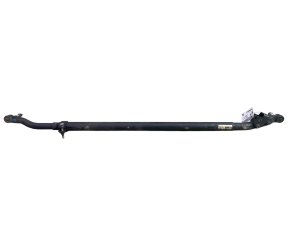
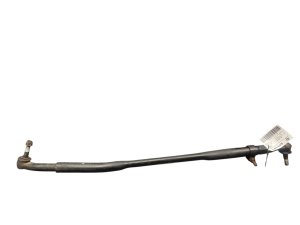
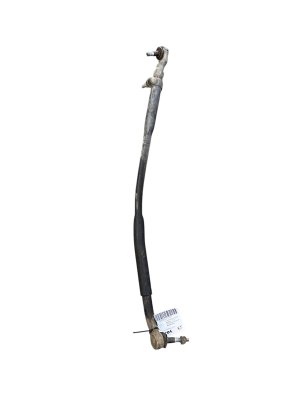
Connects pitman arm to steering knuckle. Features an adjuster sleeve for setting steering wheel center. Subject to NHTSA recall 19V-021 for 2014-2018 models.
We Have This Part in Stock



The information in this article is provided for general reference and educational purposes only. Vehicle specifications, procedures, and part compatibility can vary by production date, trim level, and region. Always consult your vehicle's factory service manual and verify part numbers before purchasing or performing repairs. Safety-critical components such as airbags, seat belts, and braking systems should be installed by a qualified professional.
- RAM Ram 2500:
- 🛍️ Shop This Part
- Major Safety Recall for 2014-2018 Models: The Welded Drag Link
- The Recall Remedy and Its Consequences
- Symptoms of a Failing Drag Link
- Buying a Used Ram 2500 Drag Link: A Word of Caution
- Inspection Checklist for a Used Drag Link:
- Replacement Overview & Difficulty
- Key Steps:
- Cost of Replacement
- Part Number and Generation Guide
- Frequently Asked Questions (FAQ)
- 🎟️ Get 5% Off