

2017-2020 Jaguar F-PACE Carbon Fiber Door Insert: SVR Trim & Rattle Guide
This guide covers the exclusive carbon fiber upper door trim for the Jaguar F-PACE, focusing on SVR compatibility, preventing rattles, and inspecting used parts.
- This carbon fiber insert is exclusive to SVR models or those with the optional Carbon Fiber Package; verify your vehicle's trim before buying.
- When buying used, the single most important inspection is checking the back for broken mounting clips, which cause rattles and a poor fit.
- Replacement requires removing the entire interior door panel (door card), making it a moderately involved DIY job.
- A quality used OEM part offers substantial savings over a new part, which costs nearly $800 from the dealer.
Variant & Compatibility Warning: SVR & Carbon Fiber Package Only
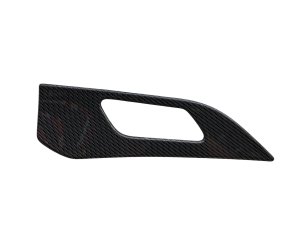
Critical: This Carbon Fiber Upper Door Trim Insert (OEM Part Number HK83-237B48-BH) is not a standard part on all F-PACE models. It was equipped from the factory on the top-tier SVR performance model or on vehicles optioned with the expensive Carbon Fiber interior package. Before purchasing, you must verify that your vehicle has this specific trim. Do not assume it will fit a base, Prestige, or R-Sport model that originally came with aluminum or wood trim, as the underlying door panel may have different mounting points. Visually inspect your existing trim to ensure it is genuine carbon fiber.
Common Problems & Symptoms
Failure of this part is typically not mechanical but rather cosmetic or related to improper installation. The most common issues are rattles and surface damage.
Door Panel Rattles
A rattling or buzzing noise from the door area is a frequent complaint from F-PACE owners. While there can be many causes, a loose door panel insert is a common culprit, especially if the door panel has been removed before for other repairs. Forum users have noted that the trim piece is held on by a series of 'C' clips and other plastic clips. If these are not fully engaged during reinstallation, or if the small rubber bumper pads are missing, the panel will vibrate against the main door card, creating an annoying rattle.
Cosmetic Damage
As a high-touch area, the door insert is susceptible to cosmetic damage. Look for:
- Scratches in the Clear Coat: The high-gloss epoxy resin finish can be scratched by keys, rings, or bags. While light scratches can sometimes be polished, deep scratches are permanent.
- Clear Coat Peeling or Yellowing: With age and sun exposure, the clear coat can begin to delaminate or develop a yellow tint, detracting from the carbon fiber's appearance.
- Cracks: A significant impact can crack the resin or the underlying carbon fiber structure. A cracked insert cannot be effectively repaired and must be replaced.
Buying a Used Carbon Fiber Door Insert: A Step-by-Step Inspection Guide
Due to the high cost of a new OEM part, a used insert is an excellent value. However, careful inspection is critical to avoid buying a damaged or rattling part.
- Verify the Part Number: If possible, confirm the part number is HK83-237B48-BH or a compatible variant. Be aware that inserts with different finishes, like aluminum, have similar part numbers (e.g., HK83-237B42-BH) and are not interchangeable if you want the carbon fiber look.
- Inspect the Face: Hold the part under a bright light. Look for deep scratches, hazing, or yellowing in the clear coat. Ensure the carbon fiber weave looks consistent without any distortions or signs of delamination.
- Flip it Over - Inspect ALL Mounting Tabs: This is the most critical step. The back of the insert has numerous plastic clips and tabs that secure it to the door panel. Carefully inspect every single one. Used parts, especially from salvage yards, often have broken tabs from hasty removal. Even one or two broken 'C' clips or alignment tabs can prevent the part from sitting flush and will almost certainly cause rattles.
- Check for Previous Repairs: Look for signs of glue or epoxy on the back, which may indicate a previous attempt to repair broken tabs. These repairs often fail, leading to a loose fit.
Pro Tip: Ask the seller for clear, well-lit photos of the back of the part. If they cannot provide them or if any tabs look questionable, it's best to pass and find another one. A part with all tabs intact is worth paying a little more for.
OEM vs. Aftermarket
For this specific part, there are no direct-fit aftermarket replacements made of real carbon fiber. The market consists of:
- Genuine OEM: The original part, made from real carbon fiber with a high-quality epoxy finish. This is the only option for a correct, factory-spec replacement.
- Used OEM: A genuine part sourced from a recycled vehicle. Offers huge cost savings but requires careful inspection.
- Stick-On Covers: These are thin plastic or PU leather pieces with a carbon fiber pattern printed on them. They use adhesive tape to stick over your existing trim. While inexpensive, they look cheap, do not match the factory quality, and are not a true replacement.
Cost Comparison
| Part Type | Estimated Cost | Notes |
|---|---|---|
| New OEM | $790 - $850 per side | Sourced from a Jaguar dealer. Very expensive. |
| Used OEM | $150 - $400 per side | Price varies greatly with condition, especially the integrity of mounting tabs. |
| Aftermarket | $50 - $100 | These are typically stick-on covers, not true replacements. Quality and appearance are inferior. |
| Shop Labor | $100 - $200 per door | Involves removal of the entire door panel. |
Replacement Overview
Replacing the carbon fiber insert is a moderately difficult job because the entire interior door panel (door card) must be removed first. The insert itself is clipped in from the back.
The general process involves:
- Disconnecting the battery as a precaution.
- Using plastic trim tools to carefully pry off several smaller covers to access the retaining screws. Locations include behind the door handle and in the armrest pull cup.
- Removing several T20 Torx and 8mm screws that secure the door panel.
- Using a panel popper tool to release the stiff perimeter clips holding the door card to the door frame. This requires significant, careful force.
- Lifting the door panel off and disconnecting various electrical connectors and the door handle cable.
- Once the door panel is on a workbench, the carbon fiber insert can be unclipped from the back and the new one installed.
- Reassembly is the reverse of removal. Pay close attention to ensure all clips, especially the 'C' clips for the insert, are fully engaged to prevent future rattles.
Known Issues, TSBs, and Recalls
As of mid-2024, there are no official recalls or Technical Service Bulletins (TSBs) from Jaguar or the NHTSA specifically concerning the carbon fiber door panel inserts for the 2017-2020 F-PACE. Recalls for this vehicle range address issues like seat belts and lighting systems, not interior trim.
Frequently Asked Questions (FAQ)
How do I know if my F-PACE should have carbon fiber trim?
The easiest way is to check your vehicle's original window sticker or build sheet for the SVR model or the 'Carbon Fiber Interior Pack' option. Visually, SVR models have unique badging, more aggressive bodywork, and performance seats. If your trim is a wood grain or a solid metallic finish, you do not have the carbon fiber package.
Can a scratched carbon fiber insert be repaired?
It depends on the severity. Very light surface scratches in the clear coat can sometimes be polished out by a professional detailer. However, deep scratches, chips, or cracks that have penetrated the epoxy resin cannot be repaired to look like new. In those cases, replacement is the only option.
Will this carbon fiber insert fit my non-SVR F-PACE?
Physically, it may clip into the door panel of a non-SVR model, but this is not guaranteed. Jaguar often uses slightly different door card designs for different trim levels. It is strongly recommended to only purchase this part as a direct replacement for an existing carbon fiber insert to ensure perfect fitment.
Why are the mounting clips on a used part so important?
The clips are the only thing holding the insert tightly to the door panel. If they are broken, the insert will be loose. This will create a visible gap and, more annoyingly, will cause persistent rattling and buzzing noises as you drive. A part with broken clips is effectively worthless unless you can fabricate a robust repair, which is very difficult.
Technical Specifications
OEM Part Numbers: HK83-237B48-BH
Material: Genuine Carbon Fiber with Epoxy Resin Clear Coat
We Have This Part in Stock

The information in this article is provided for general reference and educational purposes only. Vehicle specifications, procedures, and part compatibility can vary by production date, trim level, and region. Always consult your vehicle's factory service manual and verify part numbers before purchasing or performing repairs. Safety-critical components such as airbags, seat belts, and braking systems should be installed by a qualified professional.
- Jaguar F-PACE:
- 🛍️ Shop This Part
- Variant & Compatibility Warning: SVR & Carbon Fiber Package Only
- Common Problems & Symptoms
- Door Panel Rattles
- Cosmetic Damage
- Buying a Used Carbon Fiber Door Insert: A Step-by-Step Inspection Guide
- OEM vs. Aftermarket
- Cost Comparison
- Replacement Overview
- Known Issues, TSBs, and Recalls
- Frequently Asked Questions (FAQ)
- 🎟️ Get 5% Off