

2012-2022 Hyundai Accent Door Lock Actuator Problems and Replacement
A detailed guide to diagnosing and fixing the common power door lock failures on the 2012-2022 Hyundai Accent.
- The most common symptoms of failure are unusual noises from the door, intermittent operation, or a complete failure to lock/unlock electronically.
- This is a common failure part. When buying used, verify the part number is correct for the specific door and test the motor with a 12V source before installation.
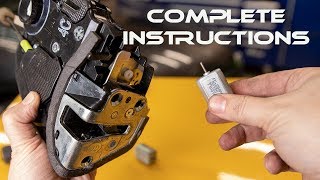
- The actuator is integrated with the door latch assembly and must be replaced as a single unit; repairing the internal motor is not practical for most.
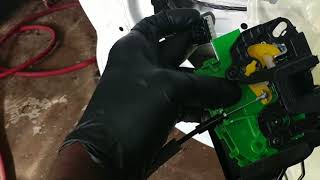
- Replacement is a moderately difficult DIY job, requiring removal of the interior door panel.
A Note on Part Terminology

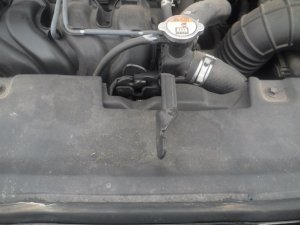
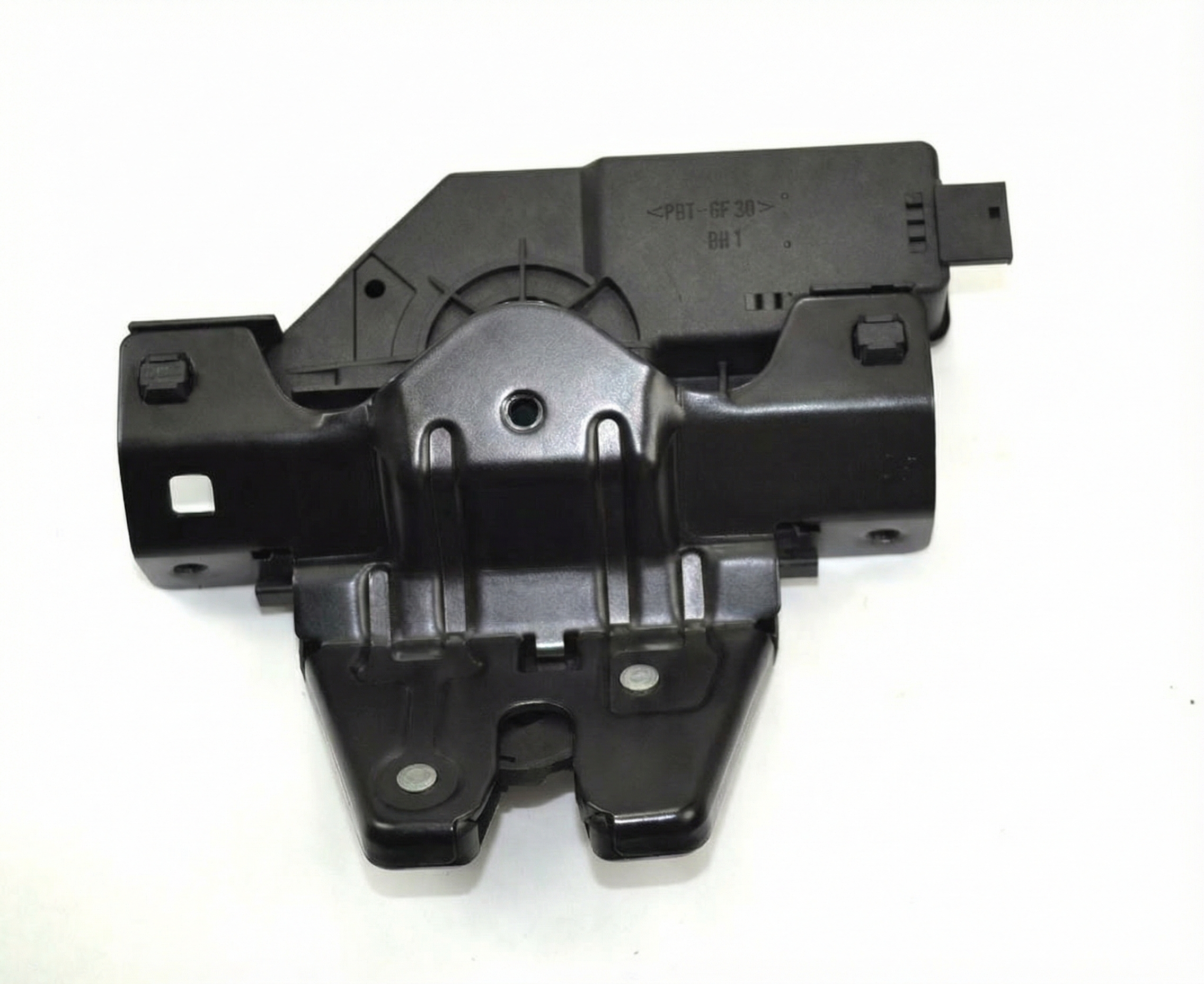
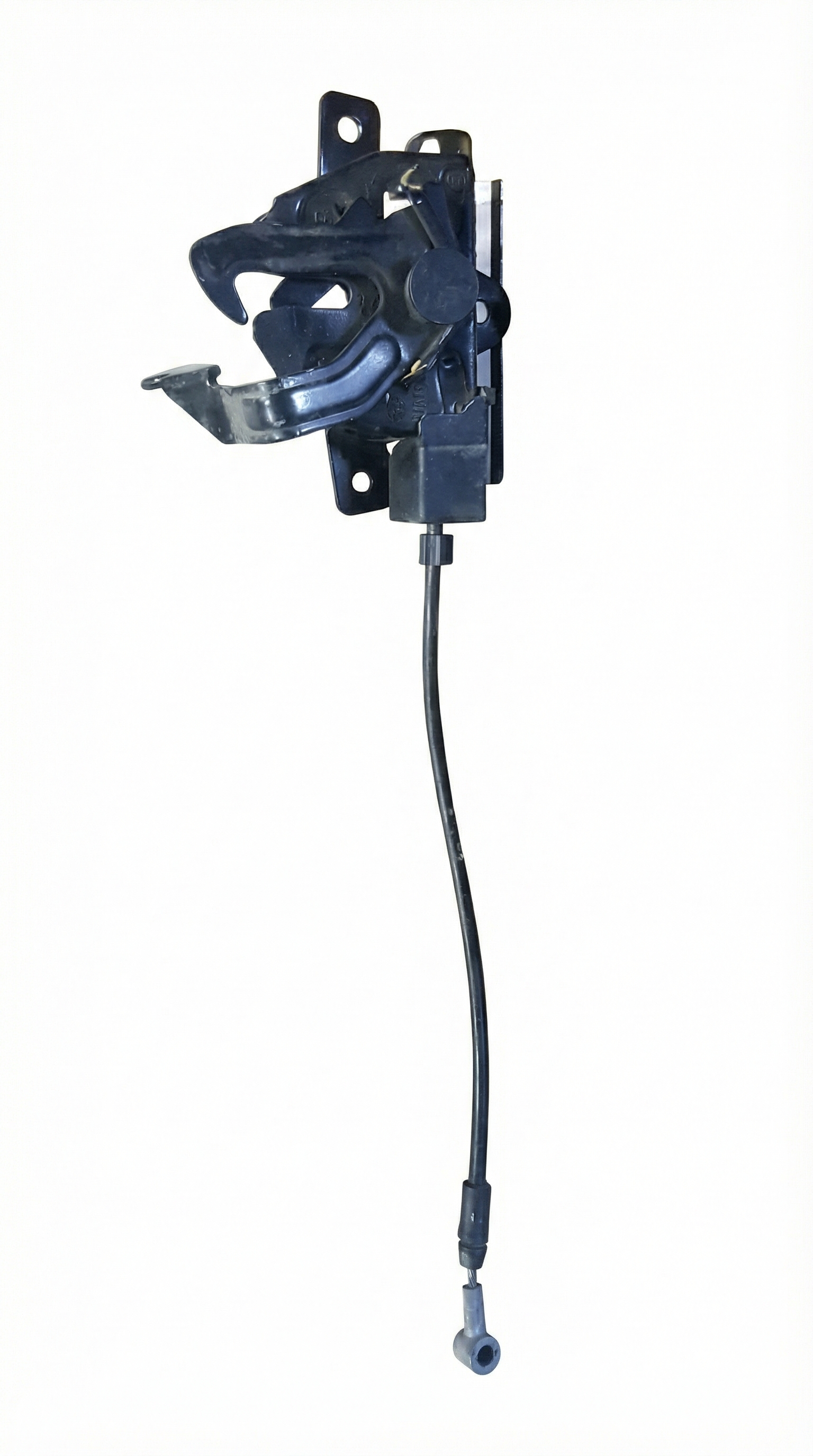
Clarification: The term "Door Lock Key" can be confusing. This guide focuses specifically on the electronic Door Lock Actuator and Latch Assembly, which is the component responsible for power locking and unlocking the doors. It does not cover the hood latch, trunk latch, or the physical door key and lock cylinder.
Symptoms of a Failing Door Lock Actuator

When a door lock actuator in your 2012-2022 Hyundai Accent begins to fail, the symptoms are usually noticeable and can range from a minor annoyance to a significant security risk. Here are the most common signs:
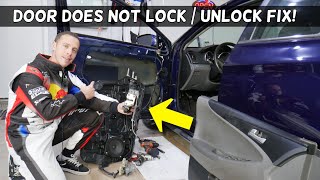
🎬 Watch: How to tell if your door lock actuator is failing.- Unusual Noises from the Door: One of the first signs is often an audible buzzing, grinding, or clicking sound from inside the door when you lock or unlock it. This noise indicates the small electric motor inside the actuator is struggling or its internal gears are worn or damaged.
- Erratic or Intermittent Operation: The power locks may work sometimes but not others. You might find that one door fails to lock or unlock with the rest, or that you have to press the key fob button multiple times for it to work. In some cases, the locks may even cycle between locked and unlocked on their own.
- Complete Failure to Lock or Unlock: The most obvious symptom is when a door completely stops responding to the key fob or the interior lock switch. You will have to lock or unlock that door manually using the physical lock tab.
- Security System Issues: A faulty actuator can sometimes trigger the car alarm randomly, as the system may not correctly recognize the door's locked/unlocked state.
Known Issues, TSBs, and Recalls
As of early 2026, there are no specific recalls or Technical Service Bulletins (TSBs) from the National Highway Traffic Safety Administration (NHTSA) that directly address the failure of door lock actuators on the 2012-2022 Hyundai Accent. However, door lock actuator failure is a widely reported issue among owners on forums and repair sites.
It is important to note that this vehicle range has been subject to other recalls, including significant ones for seat belt pretensioners (NHTSA Recall No. 22V-354) and a widespread anti-theft issue for models without engine immobilizers. While these are unrelated to the actuator's function, it's wise to check if your vehicle is affected by any open recalls when addressing door lock issues.
Pro Tip: Before assuming the actuator is bad, check the simple things first. A weak or dead battery in your key fob can prevent the signal from being sent correctly. Also, check the fuse for the door locks in the vehicle's fuse panel.
Buying a Used Door Lock Actuator: What to Check

Purchasing a used OEM door lock actuator can be a cost-effective solution, but careful inspection is key to avoid buying a part that will fail prematurely. Aftermarket actuators are available, but they often have a reputation for poor reliability and short lifespans.
- Verify the Part Number: The most critical step is to match the part number exactly. Actuators are specific to the door (front left, front right, rear left, rear right) and sometimes to trim levels (with or without keyless entry). Do not assume they are interchangeable.
- Physical Inspection: Check the plastic housing for any cracks, stress marks, or signs of being tampered with. Ensure the electrical connector and pins are clean, straight, and free of corrosion.
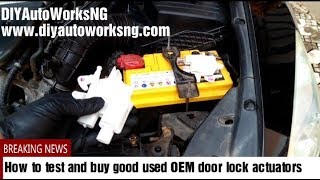
- Test the Actuator (if possible): You can test a used actuator with a 12-volt power source, like your car battery. By briefly applying power to the two pins in the actuator's electrical connector, you should see the lock mechanism move decisively in one direction. Reversing the polarity (swapping the positive and negative connections) should cause it to move back. If there is no movement, 🎬 See this video for a step-by-step actuator testing procedure. slow movement, or grinding noises, the actuator is bad.
- Check the Mechanical Latch: Move the latch and cable connection points by hand. They should move smoothly without binding or excessive resistance.
Cost Comparison for Door Lock Actuator Replacement
Prices can vary based on location and the specific part number. The following is an estimated cost breakdown:
| Part/Service | Estimated Cost |
|---|---|
| New OEM (Dealer) | $280 - $345 |
| New Aftermarket | $40 - $120 |
| Used OEM | $30 - $75 |
| Shop Labor | $110 - $160 |
Replacement Difficulty and Guide

Replacing the door lock actuator on a 2012-2022 Hyundai Accent is a moderately difficult job that a skilled DIYer can accomplish.
- Difficulty Rating: 3 out of 5
- Estimated Time: 1.5 - 2.5 hours per door
General Replacement Steps:
- Disconnect the Battery: Disconnect the negative battery terminal to prevent electrical issues.
- Remove the Interior Door Panel: This typically involves removing a few screws (often hidden behind small plastic covers in the door handle and armrest area) and then carefully prying the panel off to release the plastic clips holding it in place.
- Disconnect Switches and Cables: Unplug the electrical connectors for the window and lock switches. Disconnect the cables for the interior door handle.
- Peel Back the Moisture Barrier: Carefully peel back the plastic or foam sheet that protects the inside of the door from water. Try not to tear it.
- Unbolt the Actuator Assembly: The actuator/latch assembly is held to the door by several bolts (usually Torx T30) on the side of the door. You will also need to disconnect the rods or cables that link to the exterior handle and the lock cylinder.
- Remove and Replace: Maneuver the old assembly out of the door cavity. Install the new assembly, reconnecting all rods, cables, and electrical connectors.
- Test and Reassemble: Before putting the door panel back on, reconnect the battery and test the function of the new actuator with both the key fob and the interior switch. Once confirmed, reassemble the door panel.
Frequently Asked Questions (FAQ)
Can I replace just the small motor inside the actuator instead of the whole assembly?
While it is technically possible to disassemble the actuator housing and replace only the small electric motor, it is a very delicate and difficult process. The assemblies are not designed to be serviced and contain small gears and springs that can be easily lost or misaligned. For most people, replacing the entire latch and actuator assembly is the more reliable and practical repair.
Why does my door lock work manually with the key but not with the power button?
This is a classic symptom of a failed actuator. The manual key and interior handle are mechanically linked to the latch, so they will still work. The electronic failure is specific to the actuator's motor or its electrical circuit, which is what responds to the key fob and power lock switch.
Do I need to reprogram my car or key fob after replacing a door lock actuator?
No. The door lock actuator is a simple electronic motor that does not require any programming or calibration. It is a plug-and-play component.
All of my door locks stopped working at once. Is it still the actuators?
If all doors fail simultaneously, the problem is less likely to be multiple failed actuators and more likely a central issue. Check the main door lock fuse first. If the fuse is good, the problem could be with the central locking system control unit or a wiring issue common to all doors.
Part Numbers for 2012-2017 Hyundai Accent (RB Generation)
This is not an exhaustive list. Always verify the part number with the vehicle's VIN before purchasing.
| Position | Part Number | Notes |
|---|---|---|
| Front Left (Driver) | 81310-1R020, 81310-1R030, 81310-1R130 | For models with keyless entry. |
| Front Right (Passenger) | 81320-1R020, 81320-1R030, 81320-1R130 | For models with keyless entry. |
| Rear Left (Driver Side) | 81410-1R010 | |
| Rear Right (Passenger Side) | 81420-1R010 |
Part numbers for the 2018-2022 (YC generation) Accent may differ. It is crucial to confirm fitment using the vehicle's VIN.
Helpful Videos

Technical Specifications
OEM Part Numbers: 81310-1R020 81310-1R030 81310-1R130 81320-1R020 81320-1R030 81320-1R130 81410-1R010 81420-1R010
Operates on the vehicle's 12V DC electrical system. Integrated into the door latch assembly. Features a 5-pin electrical connector on many models.
We Have This Part in Stock



The information in this article is provided for general reference and educational purposes only. Vehicle specifications, procedures, and part compatibility can vary by production date, trim level, and region. Always consult your vehicle's factory service manual and verify part numbers before purchasing or performing repairs. Safety-critical components such as airbags, seat belts, and braking systems should be installed by a qualified professional.
- Hyundai Accent:
- 🎬 Helpful Videos
- 🛍️ Shop This Part
- A Note on Part Terminology
- Symptoms of a Failing Door Lock Actuator
- Known Issues, TSBs, and Recalls
- Buying a Used Door Lock Actuator: What to Check
- Cost Comparison for Door Lock Actuator Replacement
- Replacement Difficulty and Guide
- General Replacement Steps:
- Frequently Asked Questions (FAQ)
- Part Numbers for 2012-2017 Hyundai Accent (RB Generation)
- 🎟️ Get 5% Off