

2021-2026 Model 3 & 2020-2025 Model Y Power Trunk/Liftgate Latch Problems & Fixes
This guide covers common failure symptoms, replacement costs, and DIY tips for the power trunk and liftgate latch assembly on the Tesla Model 3 and Model Y.
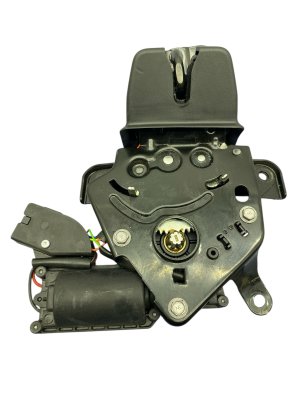
- This power latch assembly, part number 1500604-00-B, fits power-equipped trunks on 2021-2026 Model 3 and liftgates on 2020-2025 Model Y.
- Failure symptoms include the trunk not latching, a 'Trunk Open' warning, and grinding noises from the latch.
- Before replacing the latch, check for broken wires in the trunk lid harness and ensure the rubber bump stops are correctly adjusted.
- Replacement is a straightforward DIY task, typically requiring only basic tools and about an hour of time.
Symptoms of a Failing Trunk Latch Assembly

When the power trunk or liftgate latch begins to fail on a 2021-2026 Tesla Model 3 or 2020-2025 Tesla Model Y, the symptoms are usually obvious. Because this part is both mechanical and electrical, failure can manifest in several ways.
- Trunk or Liftgate Won't Latch: The most common symptom is the trunk lid or liftgate closing but failing to lock. It may bounce back up slightly. You might hear the latch mechanism click, but it won't engage and secure the lid.
- 'Trunk Open' Warning on Display: The vehicle's computer will display a persistent warning that the trunk is open, even when it appears to be closed. This is because the sensor within the latch assembly isn't registering a secure connection.
- Clicking or Grinding Noises: Unusual sounds from the latch area during opening or closing can indicate a problem with the internal motor or gears of the actuator.
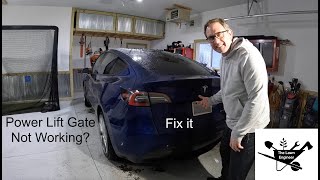
- Failure of the 'Cinch' Feature: The trunk may latch mechanically but not pull down tight. You might notice the trunk lid is not flush with the body and can be moved up and down slightly. This indicates the cinching motor has failed. 🎬 See how to fix a sticking Model Y liftgate
- Power Liftgate Stops Midway: A failing latch can sometimes send incorrect signals to the liftgate control module, causing the power open/close sequence to stop unexpectedly.
Known Issues, Recalls, and Service Bulletins

While the latch assembly itself has not been the subject of a specific recall, Tesla has issued recalls for related trunk issues on the Model 3 that owners should be aware of.
- NHTSA Recall 21V-A01 (Model 3): This recall, issued in late 2021, addresses the rearview camera cable harness. Repeated opening and closing of the trunk can damage the coaxial cable, causing the rearview camera display to fail. While this isn't a latch issue, it involves the trunk area and is a common point of failure. A severely damaged harness could potentially affect latch wiring.
- Front Trunk (Frunk) Latch Recalls: Tesla has issued separate recalls for the front trunk (frunk) latch on the Model S and other vehicles. These recalls are for a different part and problem but highlight the importance of ensuring all latches on the vehicle are functioning correctly for safety.
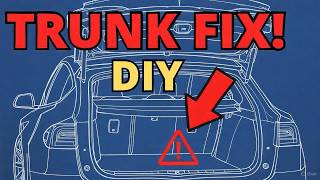
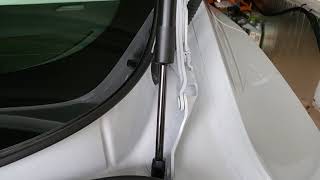
Pro Tip: Before assuming the latch is bad, check the rubber bump stops on the trunk lid and body. If these are misadjusted, they can prevent the trunk from closing properly and mimicking a latch failure. Sometimes, a simple adjustment or lubrication of the struts 🎬 Watch: Simple fix for a rough closing Model 3 trunk can also resolve closing issues.
Buying a Used Trunk Latch Assembly: What to Check

A used OEM latch is a cost-effective alternative to a new part. Since this component contains both mechanical and electronic parts, careful inspection is key.
- Verify the Part Number: The most critical step is to match the part number. The primary OEM part number for this assembly is 1500604-00-B. Ensure the used part you are buying has this exact number.
- Physical Inspection: Look for any signs of physical damage. Check the plastic housing for cracks and ensure the metal latch components are not bent or excessively worn. Avoid parts with visible rust or corrosion, especially around the electrical connector pins.
- Check the Electrical Connector: The connector pins should be straight and clean. Any sign of water damage or corrosion is a major red flag, as it suggests the part may have electronic issues.
- Mechanical Movement: Manually actuate the mechanical part of the latch with a screwdriver or similar tool. It should move smoothly and spring back without sticking.
- Source Vehicle Information: If possible, find out the mileage of the vehicle the part came from. A latch from a low-mileage vehicle is always preferable.
Cost of Replacement

The cost to replace the trunk/liftgate latch assembly can vary significantly based on the source of the part and labor.
| Part/Service | Estimated Cost |
|---|---|
| New OEM Latch | $350 - $400 |
| New Aftermarket Latch | $50 - $100 |
| Used OEM Latch | $75 - $150 |
| Shop Labor | $100 - $200 |
Warning: While significantly cheaper, new aftermarket latches may not have the same durability or precise fit as OEM parts. For a component that secures a major body panel, sticking with an OEM or quality used OEM part is often the safer choice.
Installation Difficulty & Procedure
- Difficulty Rating: 2/5 (Easy to Moderate)
- Estimated Time: 0.5 - 1 hour
Replacing the latch is a straightforward DIY job for most owners. The official Tesla service manual outlines the procedure, which involves removing the interior trim panel on the trunk lid or liftgate, disconnecting the electrical connector, and unbolting the latch assembly.
Basic Steps:
- Open the trunk/liftgate.
- Using a trim removal tool, carefully pry off the large plastic trim panel on the inside of the lid.
- Disconnect the electrical harness from the latch.
- Remove the two or three bolts (typically 10mm) holding the latch in place.
- Slide the old latch out and install the new one.
- Reinstall bolts, connect the electrical harness, and test functionality before reinstalling the trim panel.
Tesla specifies a torque of 8-10 Nm (5.9-7.4 lbs-ft) for the mounting bolts.
Frequently Asked Questions (FAQ)
My trunk won't latch, but it's not the latch itself. What else could it be?
A common issue, especially on the Model 3, is a broken wire inside the flexible harness that runs from the car's body to the trunk lid. Over time, the repeated bending can break the wires for the latch or rearview camera. Another possibility is a simple calibration issue, which can sometimes be fixed by manually setting the trunk height.
Is this the same as the door latch assembly?
No. This part is specifically for the rear trunk (Model 3) or liftgate (Model Y). Door latch assemblies are different parts and are not interchangeable. There have been separate NHTSA investigations into Model Y door handle and latch issues.
Can I just lubricate my old latch to fix it?
If the problem is purely mechanical sticking, lubrication might provide a temporary fix. However, most failures of this part are due to the internal electric motor (the 'cinch' actuator) or the position sensor failing, which lubrication cannot fix.
Do I need to perform any software calibration after installing a new latch?
Generally, no special software calibration is needed for a simple latch replacement. It is a plug-and-play component. However, it's always a good idea to test the open/close function from the screen, app, and button to ensure all features are working correctly before you put the trim back on.
Helpful Videos
Technical Specifications
OEM Part Numbers: 1500604-00-B
Torque for mounting bolts: 8-10 Nm (5.9-7.4 lbs-ft).
We Have This Part in Stock

The information in this article is provided for general reference and educational purposes only. Vehicle specifications, procedures, and part compatibility can vary by production date, trim level, and region. Always consult your vehicle's factory service manual and verify part numbers before purchasing or performing repairs. Safety-critical components such as airbags, seat belts, and braking systems should be installed by a qualified professional.
- Tesla Model 3:
- Tesla Model Y: