

1990-1992 Toyota Celica Front Door Hinge: Fixing Sag and Popping Noises
Your definitive guide to diagnosing, sourcing, and replacing worn front door hinges on the 5th generation (T180) Celica.
- The most common failure symptom is a sagging door that is difficult to close, caused by worn pins and bushings from the Celica's long, heavy doors.
- When buying a used hinge, the most critical inspection is the 'wiggle test' to check for vertical play; a good hinge will be tight.
- Replacement is a two-person job due to the door's weight and the need for careful alignment to prevent paint damage and ensure proper operation.
- While cheaper pin-and-bushing kits are available, replacing the entire hinge assembly with a good used OEM part is often a more durable and straightforward repair.
Symptoms of a Worn 1990-1992 Celica Front Door Hinge

Because the doors on the 5th generation Celica are long and heavy, hinge wear is a common issue. The driver's side hinge typically wears out first due to more frequent use. When the hinges fail, the symptoms are usually obvious and get progressively worse.
- Door Sag: This is the most common symptom. When you open the door, it may visibly drop down. To close it, you have to lift the door up to align it with the striker on the body.
- Popping or Clunking Noises: Worn hinge pins moving around in the bushings can cause a loud pop, click, or clunking sound when opening or closing the door.
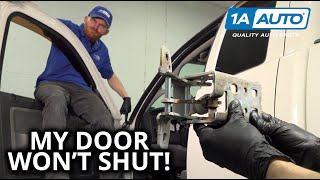
- Difficulty Latching: A misaligned door won't line up correctly with the door latch striker. You may have to slam the door to get it to shut, or it may not latch securely at all. 🎬 Watch how to fix a door that won't shut right by replacing hinge pins
- Wind Noise and Water Leaks: A sagging door doesn't create a proper seal against the weatherstripping. This can lead to noticeable wind noise at highway speeds and may allow water to leak into the cabin during rain.
- Damage to Striker or Latch: Continuously forcing a sagging door to close can cause damage to the door latch mechanism and the striker plate on the car's B-pillar.
Buying a Used Front Door Hinge: What to Check

Since new OEM hinges can be difficult to find and expensive for a vehicle of this age, a quality used OEM hinge is often the best solution. Unlike cheap aftermarket parts, a used original Toyota hinge is made from high-quality steel and designed for a perfect fit. Here’s what to inspect before you buy:
- The Wiggle Test: This is the most important check. Hold the two halves of the hinge and try to move them up and down, perpendicular to the pin. A good, tight hinge will have almost zero vertical play. If you can feel or see significant movement, the hinge is already worn and not worth buying.
- Check for Cracks: Carefully inspect the metal around the mounting holes and the pivot points. Look for any hairline cracks or stress marks, which could indicate the hinge is fatigued and may fail.
- Source from a Low-Mileage Car: If possible, find hinges from a lower-mileage vehicle. Even better, try to source them from the passenger side, which typically sees far less use than the driver's side and will have less wear.
- Buy as a Set: It's best practice to replace both the upper and lower hinges at the same time. Buying them as a matched set from the same vehicle ensures they have experienced similar wear.
Pro Tip: Many sellers on platforms like eBay list used hinges with photos. Don't hesitate to message the seller and ask them to perform the 'wiggle test' for you and confirm there is no play in the hinge.
Known Issues, TSBs, and Recalls
There are no recalls or Technical Service Bulletins (TSBs) from Toyota specifically for front door hinge failure on the 1990-1992 Celica. This type of wear is considered a normal maintenance item over the life of the vehicle. The primary known issue, widely discussed in owner forums, is the accelerated wear on the driver's side due to the long, heavy doors putting significant stress on the hinge pins and bushings.
Installation Guide and Difficulty

Replacing a door hinge is a moderately difficult job that requires patience and a helper. The most critical part of the process is door alignment.
- Difficulty Rating: 3 out of 5
- Estimated Time: 1.5 - 2.5 hours per door
- DIY Feasible: Yes, with a helper.
High-Level Steps:
- Support the Door: Use a floor jack with a soft pad or block of wood under the bottom edge of the door to support its full weight.
- Mark Hinge Positions: Before loosening any bolts, trace the outline of the old hinges on both the door and the car body with a marker. This will give you a starting point for aligning the new hinge.
- Disconnect Wiring (If Necessary): If the wiring harness passes through the hinge area, you may need to disconnect it by pulling back the rubber boot between the door and the body.
- Remove Old Hinge: With your helper steadying the door, unbolt and remove the old upper and lower hinges. The bolts may be very tight or require an impact wrench.
- Install New Hinge: Loosely bolt the new hinge into place.
- Align the Door: This is the most time-consuming step. With your helper, adjust the door's position until the body lines are even and the door closes smoothly without needing to be lifted. Use your traced marks as a guide. Tighten the bolts gradually while checking alignment.
- Final Checks: Once aligned, fully torque the hinge bolts. Open and close the door several times to ensure it operates smoothly and latches securely. Check that the weatherstripping seals correctly.
Warning: Never attempt to remove a door hinge without properly supporting the door's weight. The door is extremely heavy and can fall, causing serious injury or damage to the door, fender, and paint.
Cost of Replacing a 1990-1992 Celica Door Hinge
The cost can vary significantly based on the parts you choose and whether you perform the labor yourself.
| Part/Service | Estimated Cost |
|---|---|
| New OEM Hinge Assembly | $50 - $100 per hinge (if available) |
| New Aftermarket Hinge Assembly | $30 - $50 per hinge |
| Used OEM Hinge Assembly | $40 - $80 for a pair (upper/lower) |
| Aftermarket Pin & Bushing Kit | $15 - $40 per door |
| Shop Labor | $150 - $450 per door |
OEM Part Numbers

The following part numbers are associated with the front door hinges for the 1990-1992 Toyota Celica. Part numbers can be superseded, so always verify fitment with the seller.
| Position | Part Number | Alternate Names |
|---|---|---|
| Front Upper Right (Passenger) | 68710-20100 | Hinge Assy, Front Door, Upper RH |
| Front Upper Left (Driver) | 68720-20090 | Hinge Assy, Front Door, Upper LH |
| Front Lower Right (Passenger) | 68730-20120 | Hinge Assy, Front Door, Lower RH |
| Front Lower Left (Driver) | 68740-20120 | Hinge Assy, Front Door, Lower LH |
Note: The initial list of part numbers provided contained several that apply to other Toyota models or have been superseded. For example, 68720-02020 replaces older numbers like 68720-12130 and 68720-12150 but fits newer vehicles. The numbers in the table above are specific to the 1990-1992 Celica.
Frequently Asked Questions (FAQ)
Can I just replace the hinge pins and bushings instead of the whole hinge?
Yes, this is a common and cost-effective repair. Aftermarket companies like Dorman offer kits with new pins and bushings. However, this repair is more involved as it requires removing the hinge, pressing or hammering out the old pin, installing the new parts, and potentially drilling. If the hinge body itself is worn or damaged where the pin and bushing sit, a pin kit will not solve the problem, and you will need to replace the entire hinge assembly.
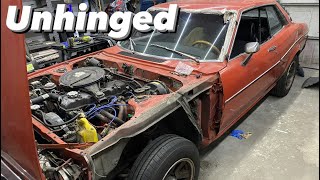
🎬 Watch a door hinge rebuild on a vintage Toyota CelicaDo I need to paint the replacement hinge?
Used hinges will come in the color of the donor car. New OEM or aftermarket hinges typically come coated in a black e-coat primer. For a perfect factory look, you should have the hinge painted to match your car's body color. However, since most of the hinge is hidden when the door is closed, many owners choose to install them as-is to save money.
Is the driver's side hinge the same as the passenger's side?
No, the left (driver's side) and right (passenger's side) hinges are mirror images of each other and are not interchangeable. The upper and lower hinges are also different. You must use the correct hinge for each specific position.
What is the 'washer trick' I've read about for a quick fix?
Some owners perform a temporary fix by placing thin metal washers as shims between the lower hinge and the door. This can lift the door slightly to compensate for sag. To do this, you support the door, loosen the bolts holding the lower hinge to the door, slip one or two washers over the bolts, and retighten. While this can work as a short-term solution, it does not fix the underlying wear and is not a proper, long-term repair.
Helpful Videos
Technical Specifications
OEM Part Numbers: 68710-20100 68720-20090 68730-20120 68740-20120
Each door uses one upper and one lower hinge. Hinges are side-specific (Left vs. Right).

The information in this article is provided for general reference and educational purposes only. Vehicle specifications, procedures, and part compatibility can vary by production date, trim level, and region. Always consult your vehicle's factory service manual and verify part numbers before purchasing or performing repairs. Safety-critical components such as airbags, seat belts, and braking systems should be installed by a qualified professional.
- Toyota Celica: