

2019-2025 Mazda 3 Door Glass: Sedan vs. Hatchback Differences and Replacement Guide
This guide covers the critical differences between Sedan and Hatchback door glass, common issues, and how to choose the right used part for your 4th generation Mazda 3.
- The single most critical factor is body style: door glass for the Mazda 3 Sedan and Hatchback are NOT interchangeable.
- Failure is almost always due to physical damage. When buying used, inspect carefully for deep scratches and chips along the edges.
- A known TSB (09-021-23) addresses wind noise from a deformed rear door glass run-channel, which may be mistaken for a glass issue.
- Replacement is a moderately difficult DIY job that requires removing the entire inner door panel, which can be done in about two hours.
Symptoms of Bad Door Glass
Unlike complex mechanical parts, door glass failure is almost always visible. The symptoms are straightforward and directly impact safety, security, and comfort.
- Cracks or Shattering: The most common failure is physical breakage from an impact, such as from road debris, an accident, or theft. A small chip can quickly spread into a large crack, compromising the glass's integrity.
- Deep Scratches: Scratches that are deep enough to catch a fingernail can obstruct the driver's view and weaken the glass over time. These are often caused by a faulty window regulator or debris trapped in the window seal.
- Wind Noise or Water Leaks: If the glass is not sealing properly against the weatherstripping, you may hear excessive wind noise at speed or find water leaking into the cabin during rain. This can sometimes point to a misaligned window or a deformed glass run channel.
- Delamination: On laminated front windows, you might see a milky or foggy appearance around the edges. This is a sign that the layers of glass and plastic are separating, which can worsen over time.
Known Issues, TSBs, and Recalls
While the door glass itself is not subject to frequent recalls, there are related issues for the 2019-2025 Mazda 3 that owners should be aware of.
- TSB 09-021-23: Some vehicles may develop a gap between the glass and the rear door glass run-channel due to the channel deforming. This can result in a poor appearance and cause wind noise at high speeds.
- TSB for Front Door Glass Run Channel: A technical service bulletin was issued for some 2019-2022 Japan-built sedan models where the front door glass run channel could interfere with the rear door garnish. The fix involves replacing the run channels with modified parts.
- Recalls: As of mid-2024, there are no specific recalls for the door glass on the 2019-2025 Mazda 3. However, numerous other recalls exist for this generation for issues related to airbags, brakes, and other systems. It is always wise to check for any open recalls on your specific vehicle using its VIN on the NHTSA website.
Warning: The most critical factor when purchasing a replacement door glass for a 4th generation Mazda 3 is the body style. The glass for the Sedan and the Hatchback are different shapes and are not interchangeable. Always confirm your vehicle's body style before ordering a part.
Buying a Used 2019-2025 Mazda 3 Door Glass
Purchasing a used OEM door glass is an excellent way to save money while retaining factory quality and fit. However, careful inspection is key to getting a good part.
Sedan vs. Hatchback: A Critical Distinction
The Sedan and Hatchback models have different rooflines and door shapes, meaning their glass is unique. Part numbers confirm this distinction:
- Sedan Part Numbers: Part numbers like BCKA-72-510, BDTS-72-510A, and BCJH-59-510B are associated with Sedan models.
- Hatchback Part Numbers: Part numbers like BDMT-72-510A and BDMT-59-510 are for Hatchback models.
Listings for used parts will often specify the body style. Double-check that the part you are buying matches your car's body style and door position (e.g., Front Driver Side, Rear Passenger Side).
What to Inspect Before You Buy
- Scratches and Chips: Run your fingernail over the surface to check for deep scratches that could impair vision or weaken the glass. Pay close attention to the edges, as small chips here can easily turn into large cracks after installation.
- Tint and Markings: Ensure any factory tint matches your vehicle's other windows. Check for the small manufacturer markings (often called a "bug") to verify it's a genuine OEM part.
- Attached Hardware: Inspect the mounting points where the glass attaches to the window regulator. Make sure these are not cracked, chipped, or showing signs of stress.
- Aftermarket Tint: Be aware that used glass may have aftermarket window tint film applied. This may not match your other windows and can sometimes be difficult to remove without leaving residue.
Replacement Overview
Replacing a door glass is a moderately difficult job that a patient DIYer can accomplish with the right tools. The process generally involves removing the interior door panel to access the window regulator and glass.
General Steps:
- Disconnect the vehicle's battery.
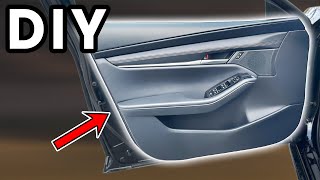
- Carefully remove the interior door panel. 🎬 Watch: How to remove the front door panel This involves prying off trim pieces, removing several screws (often hidden behind small covers in the armrest and door handle area), and disconnecting electrical connectors for the window switch, speakers, and locks.
- Peel back the plastic vapor barrier to gain access to the inside of the door.
- Lower the window until the bolts securing the glass to the regulator are visible through the access holes.
- Loosen the bolts holding the glass, then carefully lift the glass up and out of the door frame.
- Installation is the reverse of removal. Be careful not to overtighten the bolts on the new glass.
Pro Tip: When removing the door panel, use plastic trim removal tools to avoid scratching the panel or breaking the delicate clips. It's also a good idea to have a few spare door panel clips on hand, as they can become brittle and break during removal.
Cost Comparison
Prices for replacement door glass can vary significantly based on the source and type of glass.
| Part Type | Estimated Cost |
|---|---|
| New OEM | $85 - $130 |
| New Aftermarket | $120 - $200 |
| Used OEM | $75 - $150 |
| Shop Labor | $150 - $300 |
Frequently Asked Questions (FAQ)
Is the front door glass the same as the rear door glass?
No, the front and rear door glass panels are different shapes and sizes and are not interchangeable.
Is the Sedan door glass the same as the Hatchback door glass?
No. This is the most common compatibility mistake. The Sedan and Hatchback have different body shapes, and their door glass is not interchangeable. You must purchase the correct glass for your specific body style.
Can I replace the door glass myself?
Yes, this is a feasible DIY project for someone with moderate mechanical skill and the proper tools, such as a trim removal kit and socket set. The main challenge is removing the interior door panel without damaging it. The replacement itself is relatively straightforward. It typically takes 1.5 to 2.5 hours.
Does the new glass or window motor need to be calibrated?
The glass itself does not require calibration. However, after disconnecting the battery or the window motor connector, the power window's auto up/down function may need to be re-initialized. This is usually a simple procedure detailed in the owner's manual, often involving holding the window switch up or down for a few seconds after the window is fully closed or open.
Helpful Videos
Technical Specifications
OEM Part Numbers: BCKA-72-510 BDMT-72-510A BDTS-72-510A bdts72510 BCJH-59-510B BDMT-59-510
Front door glass is typically laminated for safety, while rear door glass is tempered. Glass may have a slight factory green or solar tint.
We Have This Part in Stock



The information in this article is provided for general reference and educational purposes only. Vehicle specifications, procedures, and part compatibility can vary by production date, trim level, and region. Always consult your vehicle's factory service manual and verify part numbers before purchasing or performing repairs. Safety-critical components such as airbags, seat belts, and braking systems should be installed by a qualified professional.
- Mazda 3: