

1988-1992 Eagle Vista Door Glass: A Buyer's Guide to Sedans, Wagons, and Hatchbacks
Don't get stuck with the wrong part—this guide decodes the critical differences in door glass between the Eagle Vista body styles.
- The Eagle Vista is a rebadged 1989-1992 Mitsubishi Mirage; parts from 1984-1988 models will not fit.
- Door glass is NOT interchangeable between sedan, wagon, and hatchback body styles. You must match the body style and door location.
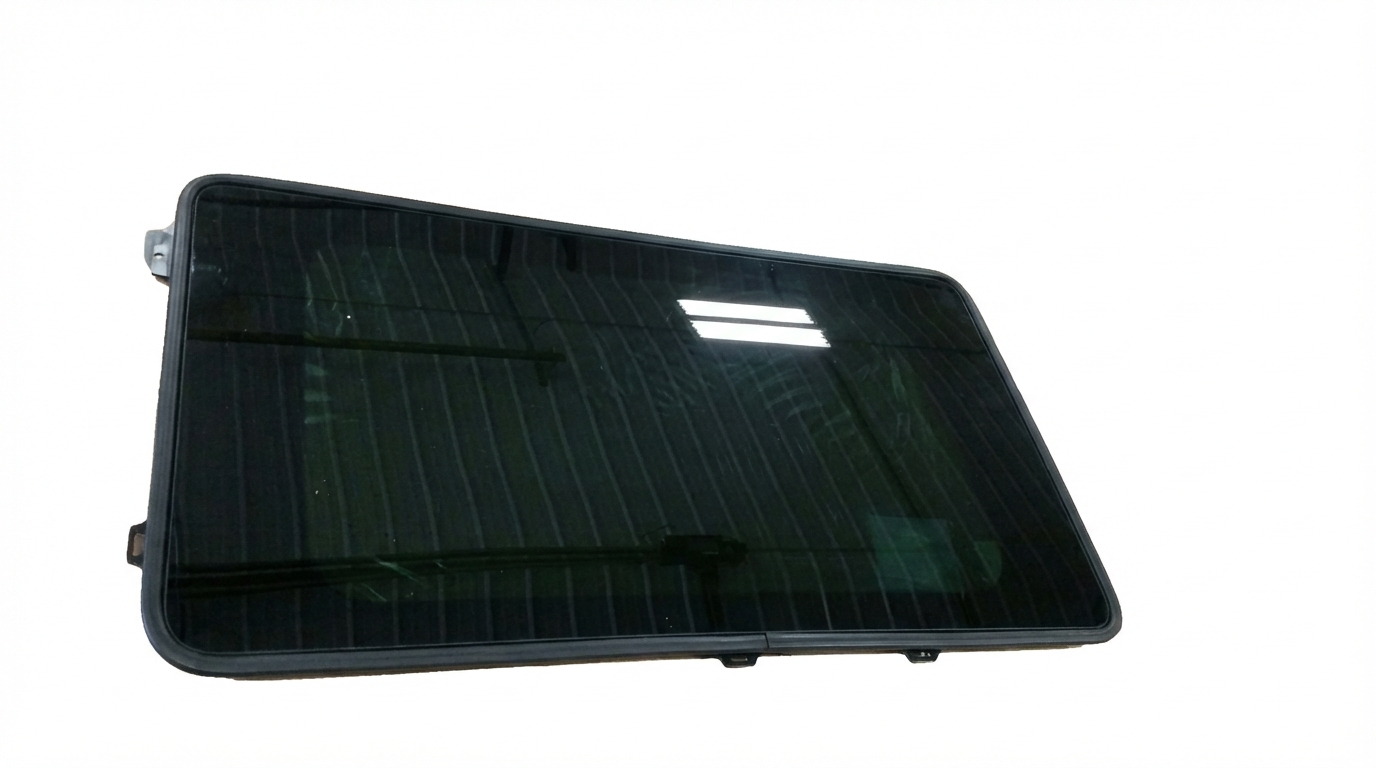
- When buying a used part, visually matching the glass shape to your old one is the most reliable method of ensuring compatibility.
- Before purchasing used glass, inspect the edges carefully for any chips or cracks, as this is the most common point of failure during installation.
Vehicle and Generation Guide: 1988-1992 Eagle Vista
The Eagle Vista was sold in the Canadian market from 1988 to 1992. It is important to know that this vehicle is a rebadged version of the second-generation Mitsubishi Mirage. This means it shares most of its parts, including door glass, with the 1989-1992 Mitsubishi Mirage and Eagle Summit. Parts from earlier or later Mitsubishi models, or from the first-generation (pre-1988) Dodge/Plymouth Colt, will not fit. This guide covers the 3-door hatchback, 4-door sedan, and 4-door station wagon versions of the Eagle Vista.
Compatibility Warning: The single most important factor when buying a replacement door glass for an Eagle Vista is the body style. The glass is NOT interchangeable between the 4-door sedan, 3-door hatchback, and 4-door station wagon models. While the front door glass may be the same between body styles of the same generation, the rear door glass is unique to each. Always confirm the body style of the donor vehicle before purchasing.
Symptoms of Door Glass Failure
Failure in door glass is typically obvious and visual. Here are the most common signs you need a replacement:
- Cracked or Shattered Glass: This is the most common reason for replacement, usually caused by an impact from road debris, an accident, or a break-in.
- Deep Scratches: Scratches that are deep enough to catch a fingernail can impair visibility and weaken the glass structure. Minor surface scratches are cosmetic, but deep gouges are a reason for replacement.
- Delamination: On some types of auto glass, the layers can begin to separate over time. This appears as a milky or foggy area, usually starting from the edges of the glass.
- Pitting or Hazing: Years of exposure to sand and road debris can create a sandblasted effect, causing a haze that scatters light and reduces visibility, especially when driving into the sun or at night.
Buying a Used Door Glass: What to Check
For a vehicle like the Eagle Vista, a used OEM (Original Equipment Manufacturer) door glass is often the best and most available option. New aftermarket glass can sometimes have slight variations in fit or tint. Here’s what to look for when buying used:
- Verify the Source Vehicle: Confirm the donor vehicle is a 1988-1992 Eagle Vista, Eagle Summit, or Mitsubishi Mirage. Most importantly, confirm the body style (sedan, wagon, or hatchback) and door location (e.g., front driver side, rear passenger side). If possible, take a photo of your existing glass or a paper template of its shape to compare with the replacement part.
- Inspect the Edges: Carefully run your finger along all edges of the glass. The most critical damage is a chip or a small crack on the edge. These are stress points that can easily spread into a large crack during installation or with changes in temperature. Reject any glass with edge damage.
- Check for Scratches: Lay the glass flat or hold it up to a light source. Look for deep scratches that distort vision. Minor scuffs are acceptable on a used part, but avoid anything that would be in the driver's direct line of sight.
- Look for Factory Markings: Check for the small sandblasted logo or text in one of the corners. This confirms it's an OEM part and often includes tint information. Match this to your other windows if you want the tint to be consistent.
- Assess the Tint: Note whether the glass has a slight factory tint (usually a light green or grey) or if it has an aftermarket tint film applied. Aftermarket film can be scratched, bubbled, or faded and may not match your other windows. It's often better to buy non-filmed glass and have it tinted to match if desired.
Cost Breakdown for Eagle Vista Door Glass
Prices can vary based on your location and the specific window you need. Here are typical cost estimates:
| Part Type | Estimated Cost | Notes |
|---|---|---|
| New OEM | N/A | These parts are no longer produced by the manufacturer. |
| New Aftermarket | $150 - $220 | Available from specialty glass suppliers. Fit may not be as precise as OEM. |
| Used OEM | $50 - $175 | The most common and cost-effective option. Price depends on condition and availability. |
| Shop Labor | $100 - $250 | Represents 1-2 hours of professional installation time. |
Replacement Overview
- DIY Difficulty: 3 out of 5. The process is straightforward but requires care to avoid breaking the glass or damaging the door panel.
- Estimated Time: 1.5 - 2.5 hours.
- Tools Required: Socket set, screwdrivers, door panel removal tool (trim popper), gloves, and safety glasses.
The general steps involve removing the interior door panel, carefully peeling back the plastic vapor barrier, lowering the window to access the bolts that hold it to the regulator, unbolting the glass, and carefully maneuvering it out of the door frame. Installation is the reverse of removal. Be sure to clean any shattered glass from inside the door before installing the new pane.
Technical Specifications & Part Numbers
The following OEM and industry part numbers have been associated with this vehicle. However, due to the vehicle's age and the variations between body styles, you should always prioritize a visual match over a part number. Verify the shape, size, and mounting points against your old glass.
- Known OEM Part Numbers: MB632923 (Chrysler/Mitsubishi), MB477193 (Mitsubishi), MB632924 (Mitsubishi)
- Known NAGS Numbers: FD03808GT, FD3809GTN
Pro Tip: When searching online or at a salvage yard, it's often more effective to search for the equivalent Mitsubishi Mirage or Eagle Summit part (e.g., "1990 Mitsubishi Mirage sedan driver rear door glass") as these models are more widely recognized in parts databases.
Frequently Asked Questions (FAQ)
Is the door glass for a sedan and a station wagon the same?
No. While the front door glass might be shared, the rear doors on a sedan and a station wagon have different shapes to accommodate their different rooflines. The rear door glass is not interchangeable.
Will this glass fit a Dodge or Plymouth Colt?
It will only fit the Dodge/Plymouth Colt models from the same generation, specifically from 1989 to 1992. It will not fit the earlier 1984-1988 generation.
Can I replace the door glass myself?
Yes, this is a manageable DIY project for someone with basic mechanical skills. The main challenges are safely removing the door panel without breaking clips and handling the glass without dropping it. Watching a tutorial video for a similar vehicle from the era can be very helpful.
What's the difference between factory tint and aftermarket film?
Factory tint is a dye mixed into the glass itself, giving it a permanent, uniform color. Aftermarket tint is a thin plastic film applied to the inside surface of the glass. This film can be scratched, peel, or bubble over time and may not perfectly match the color of other windows.
Technical Specifications
OEM Part Numbers: MB632923 MB477193 MB632924
Tempered safety glass. Available with factory green or grey tint. Compatibility is dependent on body style (4-door sedan, 3-door hatchback, 4-door wagon) and door location.
We Have This Part in Stock

The information in this article is provided for general reference and educational purposes only. Vehicle specifications, procedures, and part compatibility can vary by production date, trim level, and region. Always consult your vehicle's factory service manual and verify part numbers before purchasing or performing repairs. Safety-critical components such as airbags, seat belts, and braking systems should be installed by a qualified professional.
- Eagle Vista: