

2021-2025 Tesla Model X Falcon Door Module: Programming, Calibration, and Replacement Guide
This guide details the common failures, replacement costs, and mandatory programming for the Rear Falcon Door Controller Module (part 1062056-00-D) in the refreshed Tesla Model X.
- This module (1062056-00-D) is ONLY for the rear Falcon Wing doors on a 2021-2025 Model X.
- Replacement is NOT a DIY job. The module MUST be programmed to the car using Tesla's proprietary Toolbox 3 software by a qualified technician.
- A used OEM module is a cost-effective part, but you must factor in the significant cost of professional programming and calibration.
- Symptoms like a door stopping halfway can be the module or a connected sensor; a diagnostic scan is required to confirm the faulty component.
Identifying the Correct Door Module

The Tesla Model X uses several different door control modules, and it is critical to identify the correct one for your repair. This guide focuses specifically on the Rear Falcon Door Controller Module, part number 1062056-00-D. This module is located inside the lower section of the Falcon Wing door itself.
This is NOT the same as:
- Front Door Control Modules: The front doors use a different module (e.g., part number 1041419-00-B for 2021+ models) to manage their functions.
- Rear Door Electromechanical Controller: A separate, more powerful controller located in the center spine of the vehicle's roof manages the heavy lifting motors for the Falcon doors.
Warning: The part number 1062056-00-D is for the REAR FALCON WING DOORS ONLY. It will not work for the front doors. Always verify the part number on your original module before ordering a replacement.
Symptoms of a Failing Falcon Door Controller

Failure of the Falcon Door Controller can manifest in several ways, often making the door difficult or impossible to use. Because the module controls the door's sensors, many symptoms appear as if the door is detecting an obstruction that isn't there.
- Door Fails to Open or Close Fully: The door may start to open, then stop halfway and sound an alarm, believing it has encountered an obstacle.
- Phantom Obstruction Alerts: The main touchscreen may display warnings about an obstruction near the door even when the area is clear.
- Unresponsive Door Handle: Pressing the exterior door handle or interior switch may do nothing at all.
- Erratic Window Operation: The window on the affected door may not raise or lower correctly.
- Complete Loss of Function: In a total failure, all electronic functions of the door (latch, window, lights, sensors) will be dead.
In some cases, these symptoms can be caused by a failing ultrasonic sensor connected to the module, rather than the module itself. High temperatures can cause the adhesive holding a sensor to fail, making it point in the wrong direction and give false readings. A diagnostic check with Tesla's software is the only way to be certain which component has failed.
Known Issues, Recalls, and Service Bulletins
As of mid-2024, there are no widespread recalls for the hardware failure of the Falcon Door Controller Module itself. However, there are related software and service actions to be aware of:
- Software Non-Compliance Recall (December 2023): Tesla issued a recall for 2021-2023 Model X vehicles because a software update had inadvertently removed a feature that kept the door latches secured during certain types of crashes. This did not comply with Federal Motor Vehicle Safety Standard (FMVSS) 214. The issue was resolved at no cost to owners via an over-the-air (OTA) software update (version 2023.44.30 or later). This was a software logic issue, not a hardware failure.
- Falcon Door Calibration: Problems with Falcon Wing doors have been a known issue since the Model X was first launched. Many issues related to door alignment and obstruction sensing can be resolved with software updates and recalibration routines performed by Tesla Service.
Pro Tip: Before assuming a hardware failure, ensure your vehicle's software is completely up to date. Tesla frequently pushes OTA updates that can resolve door control logic issues without requiring a service visit.
Programming and Calibration: A Mandatory Dealer or Specialist Visit

This is the most critical aspect of replacing a Tesla door module. You cannot simply swap the part and expect it to work. The replacement module must be electronically introduced to the vehicle and configured.
The process requires:
- Tesla Toolbox 3 Software: This is Tesla's proprietary diagnostic software, which runs on a laptop connected to the vehicle's diagnostic port.
- Gateway Unlock: A technician must unlock the vehicle's central gateway to allow diagnostic commands to be sent to the individual modules.
- VIN Learning & Configuration: The technician runs a specific routine, such as 'PROC_BCFALCD_X_SIDE-LEARN', to make the new module 'learn' the vehicle's VIN and its specific configuration.
- Calibration: After the module is configured, another routine must be run to calibrate the door's sensors and movement.
- Firmware Update: Often, the procedure requires reinstalling the vehicle's latest firmware to ensure all components are communicating correctly.
Warning: This procedure is not feasible for DIY repair. It requires a subscription to Tesla's diagnostic software, a special vehicle interface cable, and the knowledge to perform the specific software routines. The vehicle will not function correctly without these steps. Plan for a visit to a Tesla Service Center or a qualified independent EV repair shop that has invested in Tesla diagnostic tools.
Buying a Used Falcon Door Controller Module
Purchasing a used OEM module is an excellent way to save money, as there are no new aftermarket alternatives available. However, you must be careful to ensure you get a functional, compatible part.
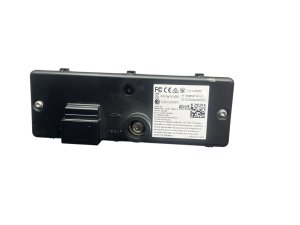
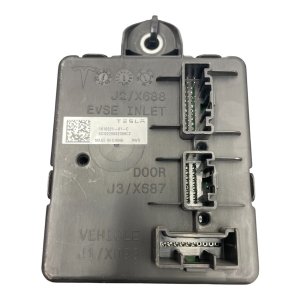
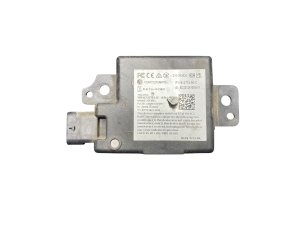
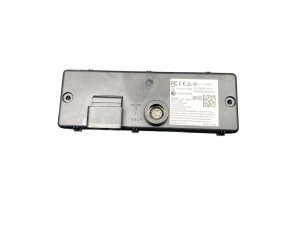
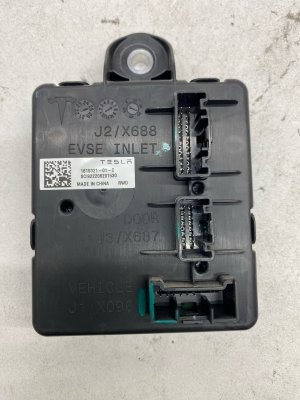
- Verify the Part Number: The only number that matters is the OEM part number. Ensure the replacement is 1062056-00-D. Revisions (the final letter) should ideally match, but newer revisions are often backward compatible.
- Inspect for Physical Damage: Check the module's casing for any cracks or signs of being pried open. Most importantly, inspect the connector pins to ensure they are straight, clean, and free of any corrosion or water damage.
- Mileage is Not a Factor: The module does not store the vehicle's mileage. Since it must be programmed from a 'blank' state to your car's VIN, the mileage of the donor vehicle is irrelevant.
- Factor in Programming Costs: Remember that the price of the used part is not your final cost. You must add the cost of labor for installation and, most importantly, the specialized programming and calibration service.
Cost Comparison for Replacement
The final cost of repair involves the part itself and the specialized labor for installation and programming.
| Item | Estimated Cost | Notes |
|---|---|---|
| New OEM Module | $150 - $300 (est.) | Only available through a Tesla Service Center as part of a repair. Tesla does not typically sell electronic modules like this over the counter. |
| Used OEM Module | $50 - $150 | Widely available from online sellers and recycled parts suppliers. |
| New Aftermarket / Remanufactured | Not Available | Currently, no companies produce new aftermarket or remanufactured versions of this module. |
| Shop Labor & Programming | $450 - $750 | Includes physical installation (~1-1.5 hours) and the mandatory diagnostic connection, programming, and calibration (~1.5-2.5 hours). Labor rates at Tesla Service Centers are often in the $175-$225/hr range. |
Frequently Asked Questions (FAQ)
Do I have to take my car to Tesla to get a new door module programmed?
You must take it to either a Tesla Service Center or an independent repair facility that has the official Tesla Toolbox 3 diagnostic software and the expertise to use it. A standard mechanic or locksmith cannot program this module.
Will a used module from another Model X work on my car?
Yes, a used module with the same part number (1062056-00-D) will work, but only after it has been professionally installed and programmed to your vehicle's VIN. It is not a plug-and-play part.
My Falcon door stops halfway up. Is it always the controller?
Not always. This symptom can also be caused by a faulty or misaligned obstruction sensor, a problem with the door's mechanical struts, or a simple need for recalibration. A proper diagnostic scan is needed to pinpoint the cause.
What is the difference between the Falcon Door Controller and the Electromechanical Controller?
The Falcon Door Controller (1062056-00-D) is located in the door and manages sensors, the latch, and the window. The Electromechanical Controller is a separate, larger module located in the vehicle's roof spine that controls the powerful motors that physically lift and lower the heavy Falcon Wing doors.
Technical Specifications
OEM Part Numbers: 1062056-00-D 106205600D
Controls rear Falcon Wing door functions including latch, window, and sensors. Located inside the lower door assembly.
We Have This Part in Stock

The information in this article is provided for general reference and educational purposes only. Vehicle specifications, procedures, and part compatibility can vary by production date, trim level, and region. Always consult your vehicle's factory service manual and verify part numbers before purchasing or performing repairs. Safety-critical components such as airbags, seat belts, and braking systems should be installed by a qualified professional.
- Tesla X:
- 🛍️ Shop This Part
- Identifying the Correct Door Module
- Symptoms of a Failing Falcon Door Controller
- Known Issues, Recalls, and Service Bulletins
- Programming and Calibration: A Mandatory Dealer or Specialist Visit
- Buying a Used Falcon Door Controller Module
- Cost Comparison for Replacement
- Frequently Asked Questions (FAQ)
- 🎟️ Get 5% Off