

2020-2023 Challenger Door Module: Programming, Failures, and Replacement
Learn why your Challenger's windows and locks are acting up and what you need to know about programming a replacement door control module.
- Programming is mandatory. A replacement Door Control Module must have a "Proxy Alignment" performed by a dealer or a properly equipped shop.
- Match the part number exactly. Using the wrong part number, even if it looks identical, can cause compatibility issues.
- Check the fuses first. Fuses for the door modules are in the trunk fuse box and a simple blown fuse can mimic a failed module.
- A used OEM module is a great value, but the cost of programming must be factored in to the total repair cost.
Known Issues and Failure Symptoms

A failing Driver Door Module (DDM) on a 2020-2023 Dodge Challenger can cause a range of frustrating electrical problems. Since the module controls all the electronics in the door, symptoms are usually confined to the driver's side.
Erratic Window, Lock, and Mirror Operation
The most common signs of a bad door module are problems with the components it controls. You might experience one or more of the following:
- The driver's window won't go up or down, or works only intermittently.
- The power door lock on the driver's side doesn't respond to the switch or the key fob.
- The driver's side power mirror cannot be adjusted.
- The "smart glass" feature, which slightly lowers the window when the door is opened and raises it when closed, stops working correctly.
Sometimes these issues can be caused by a simple blown fuse. The fuses for the door modules are located in the fuse box in the trunk, next to the battery. Always check fuses F9, F10, and F11 before assuming the module itself has failed.
🎬 Watch: How to find and replace the door module fusesTechnical Service Bulletin (TSB) for Window Issues
Dodge released Technical Service Bulletin (TSB) 08-031-21 for some 2021 Challengers experiencing inoperative windows, slow window operation, or failure of the auto-down function. This TSB involves replacing the front door module and may point to a known issue with the component. The bulletin notes that Diagnostic Trouble Codes (DTCs) like B18BA-12 (Window Control - Circuit Short to Battery) or B18BA-13 (Window Control - Circuit Open) may be present.
Water Intrusion
While not as common on newer vehicles, water leaking past the window seals or door membrane can damage the module's electronics. If you notice moisture inside the door or signs of corrosion on the module's connectors, water intrusion is a likely cause of failure. This can sometimes be related to improperly bonded windshields, which was the subject of a recall (Y47) for some 2020-2021 models, as it can affect the overall seal of the cabin.
Important: This is NOT a Plug-and-Play Part. A replacement Door Control Module, whether new or used, must be programmed to your vehicle's specific VIN and configuration. Failure to do so will result in a flashing odometer and potentially non-functional features.
Programming and Calibration Requirements

You cannot simply swap a Door Control Module in a modern Challenger and expect it to work. The module is part of the car's computer network and needs to be properly introduced and configured. This process is called a "Proxy Alignment."
A Proxy Alignment syncs the configuration data stored in the main Body Control Module (BCM) with all the other modules on the network, including the new door module. If this step is skipped, the vehicle will detect a mismatch, causing a flashing odometer and preventing the new module from functioning correctly.
Who Can Program the Module?
- Dodge/Chrysler Dealership: A dealer technician can perform the Proxy Alignment using the official WiTECH diagnostic tool. This is the most straightforward but often most expensive option. 🎬 See a step-by-step WiTech tool proxy alignment tutorial
- Independent Repair Shop: Many independent shops that specialize in Chrysler products or modern auto electronics will have professional-grade scan tools (like Autel or Snap-on) capable of performing a Proxy Alignment.
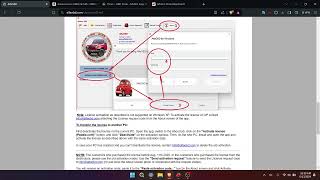
- DIY with AlfaOBD: For advanced DIY mechanics, software like AlfaOBD paired with a compatible OBD-II interface (like OBDLink MX+) allows you to perform a Proxy Alignment yourself. This requires a computer or Android device and a willingness to learn the software. 🎬 Watch: How to perform a DIY proxy alignment
After the physical installation and Proxy Alignment, a window normalization/relearn procedure must be performed to set the upper and lower limits for the auto up/down feature. This is typically done by running the window all the way up and holding the switch for a few seconds, then running it all the way down and holding the switch again.
Buying a Used Door Control Module

A used OEM module is a cost-effective and reliable alternative to a new part, provided you follow a few key steps. Since these modules are not prone to mechanical wear, a used unit from a low-mileage vehicle is often just as good as a new one.
1. Verify the Part Number
The most critical step is to match the part number exactly. While several part numbers may fit, they can have different internal software or hardware. The safest bet is to remove your old module and match the number on the sticker. Known part numbers for the driver-side module include 68569349AA, which supersedes 68503655AA. The initial prompt also listed 68424451AB, which appears to be another valid, albeit possibly older, part number.
2. Physical Inspection Checklist
When your used part arrives, inspect it carefully:
- Check for Corrosion: Look at the connector pins for any signs of green or white crust, which indicates water damage. A module with corroded pins should be avoided.
- Inspect the Casing: Check for any cracks, pry marks, or signs that the module has been opened.
- Verify Connectors: Ensure none of the plastic connector housings are broken or cracked, which could lead to a loose connection.
3. Plan for Programming
Remember, you are buying the hardware. The functionality comes after it's correctly programmed to your car. Before you buy, have a plan for the required Proxy Alignment. Call your local dealer or a trusted independent shop to get a quote for programming a customer-supplied part.
Replacement Cost Comparison
Prices can vary based on location and supplier. The following is an estimated cost breakdown for the driver-side door control module.
| Part Type | Estimated Cost |
|---|---|
| New OEM (Mopar) | $120 - $170 |
| New Aftermarket | Not commonly available |
| Used OEM (Recycled) | $50 - $100 |
| Shop Labor (Physical Swap) | $75 - $150 |
| Shop Labor (Programming) | $100 - $200 |
Frequently Asked Questions (FAQ)
Do I absolutely have to program a replacement door module?
Yes. Programming, specifically a Proxy Alignment, is mandatory for 2020-2023 Dodge Challengers. Without it, the module will not communicate correctly with the rest of the vehicle's systems, and you will likely have a flashing odometer and non-working door functions.
Is the driver-side and passenger-side module the same part?
No, they are not interchangeable. The driver-side (left) and passenger-side (right) modules have different part numbers and are specific to their location in the vehicle. For example, the driver-side is part number 68569349AA, while a passenger-side module for similar years is 68503654AA.
Can a bad door module drain my battery?
Yes. A faulty electronic module can fail to "go to sleep" when the car is turned off, causing a continuous small draw on the battery. This is known as a parasitic drain and can lead to a dead battery overnight or after a few days of sitting.
What is a "Proxy Alignment"?
A Proxy Alignment is a diagnostic procedure that synchronizes the configuration of all electronic modules on the vehicle's network. When a new module is installed, its configuration doesn't match what the Body Control Module (BCM) expects to see. The alignment process updates the network so all modules agree on the vehicle's features and status, resolving conflicts and the flashing odometer issue.
Helpful Videos
Technical Specifications
OEM Part Numbers: 68569349AA 68503655AA 68424451AB 68424451AC
Controls driver-side window, lock, and mirror functions. Communicates on the vehicle's CAN bus network. Requires Proxy Alignment upon installation.
We Have This Part in Stock



The information in this article is provided for general reference and educational purposes only. Vehicle specifications, procedures, and part compatibility can vary by production date, trim level, and region. Always consult your vehicle's factory service manual and verify part numbers before purchasing or performing repairs. Safety-critical components such as airbags, seat belts, and braking systems should be installed by a qualified professional.
- Dodge Challenger:
- 🎬 Helpful Videos
- 🛍️ Shop This Part
- Known Issues and Failure Symptoms
- Erratic Window, Lock, and Mirror Operation
- Technical Service Bulletin (TSB) for Window Issues
- Water Intrusion
- Programming and Calibration Requirements
- Who Can Program the Module?
- Buying a Used Door Control Module
- 1. Verify the Part Number
- 2. Physical Inspection Checklist
- 3. Plan for Programming
- Replacement Cost Comparison
- Frequently Asked Questions (FAQ)
- 🎟️ Get 5% Off