

2011-2016 Mazda 6 Door Assembly: A Guide to the Critical Generation Split
Don't buy the wrong part; this guide explains the crucial differences between 2011-2013 and 2014-2016 Mazda 6 door assemblies and their unique issues.
- The 2011-2016 range spans two generations: Gen 2 (2011-2013) and Gen 3 (2014-2016). Door assemblies are NOT interchangeable between them.
- 2011-2013 models were recalled for loose door latch screws that could allow the door to open while driving (Recall 7013I).
- 2014-2016 models have a known issue with rattling door speakers (TSB 09-012/17) and a service program for sharp door sash moldings (SSP A5).
- When buying used, assume you will need to swap your car's original internal components (window regulator, lock, wiring) into the replacement door shell to ensure trim level compatibility.
Critical Compatibility Warning: The 2011-2016 year range for the Mazda 6 covers two completely different vehicle generations that do NOT share door parts. Before purchasing, you must identify which generation you have:
- Second Generation (GH): Fits model years 2011, 2012, and 2013.
- Third Generation (GJ): Fits model years 2014, 2015, and 2016.
A door from a 2013 model will not fit a 2014 model, and vice-versa. Always verify the seller's vehicle year before buying.
Common Symptoms of Door Assembly Failure

Problems with a door assembly can range from minor annoyances to serious safety concerns. These symptoms apply to both generations, but the root causes may differ.
- Wind Noise or Water Leaks: A whistling or rushing sound while driving, or damp carpets after rain, often points to a door that is misaligned or has failing weather seals. This can happen from accident damage or from hinges wearing out over time.
- Difficulty Opening or Closing: If the door is hard to shut, requires slamming, or feels stiff to open, the hinges may be bent or seized, or the latch mechanism could be misaligned or failing.
- Rattling or Clunking Noises: Noises from inside the door when opening, closing, or driving over bumps often indicate loose or broken internal components, such as a window regulator, speaker, or a detached access panel.
- Power Lock or Window Malfunctions: If power windows move slowly, get stuck, or if power locks work intermittently or not at all, it often points to a failing window motor, regulator, or door lock actuator housed within the assembly.
- Visible Rust or Corrosion: Rust, especially along the bottom edge (the 'seam') or around the handle and mirror mounts, compromises the door's structural integrity and is a major red flag on a used part.
Known Issues for 2011-2013 Mazda 6 (Second Generation)


This generation has a few well-documented door-related issues.
Safety Recall: Door Latch Mounting Screws
Mazda issued a major safety recall (NHTSA Campaign ID: 7013I) for 2009-2013 Mazda 6 vehicles. The mounting screws for the door latch mechanism can loosen over time. If they become too loose, the latch can fail to engage, potentially allowing the door to open while the vehicle is in motion. The official fix involves dealers applying a thread-locking adhesive to the screws and re-torquing them. If you own or are buying a 2011-2013 model, you should verify this recall has been performed.
Common Failures: 2011-2013 Models
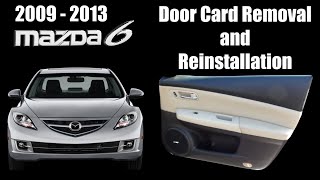
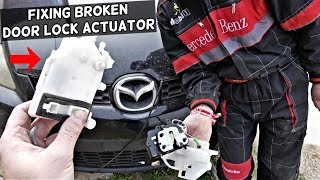
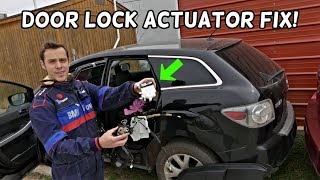
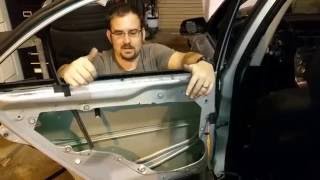
- Faulty Door Lock Actuators: Owners report problems with the power locking system, sometimes leading to the car alarm going off randomly, particularly after rainfall. 🎬 Watch: 2009-2013 Mazda 6 door panel removal guide This is often caused by a failing door lock actuator, which is the small electric motor that operates the lock.
- Window Regulator and Motor Failure: The power window may stop working, move very slowly, or make grinding noises. This is typically due to a broken cable in the window regulator or a failing window motor.
Known Issues for 2014-2016 Mazda 6 (Third Generation)
The newer generation has its own distinct set of issues, primarily related to trim and internal components.
Special Service Program (SSP A5): Door Sash Molding
Mazda initiated a Special Service Program (not a full recall) for certain 2014-2016 Mazda 6 vehicles built between October 2012 and January 2015. A gap could form between the door sash molding (the black trim around the window) and its resin protector. This could cause the protector to break, exposing a sharp metal edge that could injure someone entering or exiting the vehicle. Dealers were instructed to inspect and repair the molding at no charge.
Technical Service Bulletins (TSBs) & Common Failures: 2014-2016 Models
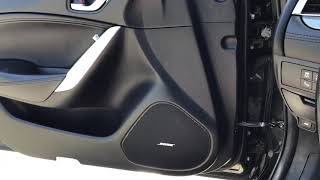
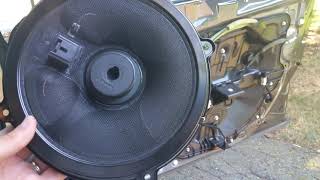
- Rattling Door Speakers (TSB 09-012/17): A common complaint is a rattling or buzzing noise from the front door, especially when music with bass is playing. This is caused by corrosion on the speaker frame, which allows the speaker's damper to detach. The official fix is to replace the affected door speakers. 🎬 See how to repair buzzing Bose door speakers
- Peeling Interior Trim: The soft-touch material on the door armrests and control panels can begin to bubble, peel, or delaminate over time, especially in warmer climates.
- Erratic Power Locks: Some owners experience strange behavior from the central locking system, such as doors locking and unlocking on their own. This is often traced to a faulty microswitch within the door latch assembly itself.
Buying a Used 2011-2016 Mazda 6 Door Assembly

Purchasing a used OEM door is an excellent way to save money, but careful inspection is key. A used door assembly can be sold as a complete unit or a bare shell.
Step 1: Verify the Generation!
This is the most important step. Re-confirm that the donor vehicle's year matches your generation: 2011-2013 (Gen 2) or 2014-2016 (Gen 3). Check the VIN of the donor car if possible.
Step 2: The 'Shell' vs. 'Complete Assembly' Dilemma
Understand what you are buying. This is the biggest trap for buyers.
- A Door Shell is just the painted metal outer structure. This is ideal if your door's internal components are still good and you just need to fix exterior damage. Compatibility is highest with a shell.
- A Complete Assembly includes the shell plus all the internal parts: glass, window regulator, motor, latch, actuator, speaker, and wiring harness. While convenient, the internal parts may not be compatible with your car's trim level.
Pro Tip: Plan on swapping your original internal components into the replacement door shell. A Mazda 6 Grand Touring has different wiring, speakers (Bose), and switches than a base Sport model. It is almost always easier to move your known-working, correct-spec parts into the new shell than to try and make the donor door's electronics work in your car.
Step 3: Physical Inspection Checklist
- Check for Rust: Thoroughly inspect the bottom edge and inner seams. Surface rust can be treated, but if it's flaking or has created holes, reject the part.
- Look for Hidden Damage: Check for signs of body filler (look for sanding marks on the inside or an uneven texture) which indicates a previous repair.
- Inspect Hinge and Latch Areas: Look for stress marks, cracks, or elongated bolt holes. This indicates the door was misaligned or from a car with significant frame damage.
- Verify Paint Color: If you hope to avoid repainting, get the paint code from the donor vehicle and match it to yours. The code is usually on a sticker in the driver's side door jamb.
Replacement Overview and Difficulty

Replacing a door assembly is a challenging job best suited for an experienced DIYer or a professional.
- Difficulty Rating: 4 out of 5
- Reasons for Difficulty: The door is heavy and awkward. It requires precise alignment to prevent leaks and wind noise. You must carefully disconnect and reconnect complex electrical harnesses without damaging them. The window glass must also be handled and transferred carefully.
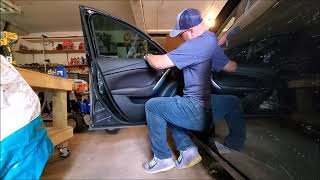
- Tools Required: Metric socket set, trim removal tools, Torx bits (for the latch), and a helper to hold the door. 🎬 Watch: Step-by-step Mazda 6 door disassembly and replacement
- Alignment is Key: The final step is aligning the door. Loosen the hinge bolts slightly and adjust the door until the body lines are even and the door closes smoothly on the latch striker. This is a process of small, patient adjustments.
| Part Type | Estimated Cost | Notes |
|---|---|---|
| New OEM | $600 - $1000+ | Typically sold as a bare shell. Must be painted. |
| New Aftermarket | $250 - $500 | Sold as a bare shell. Fit and finish may not match OEM. Requires painting. |
| Used OEM | $350 - $800 | Best value. Price varies by condition, color, and completeness. May not require painting if color matches. |
| Shop Labor | $250 - $500 | For swapping the door and transferring components. Painting is an additional cost. |
Frequently Asked Questions (FAQ)
Will a door from a 2014 Mazda 6 fit on my 2012 Mazda 6?
No. The 2012 model is a second-generation vehicle, and the 2014 is a third-generation vehicle. They have completely different body styles, and the doors are not interchangeable in any way.
Can I just replace the outer door skin?
While aftermarket door skins are available, replacing one is a highly advanced job that requires cutting, welding, and extensive bodywork. For most people, replacing the entire door shell is a much more practical and cost-effective repair.
Do I need to have a used door repainted?
Not necessarily. If you can find a used door in the exact same color code and it's in good condition, you can often bolt it on directly. However, be aware that sun exposure can cause slight fading over time, so a used door from a different car may not be a 100% perfect match, even with the same paint code.
My power locks don't work. Do I need a whole new door?
No, almost certainly not. If the only problem is with the power locks, the issue is likely a single component within the door, such as the lock actuator, a switch, or a wiring fault. These parts can be replaced individually without replacing the entire door assembly.
Helpful Videos


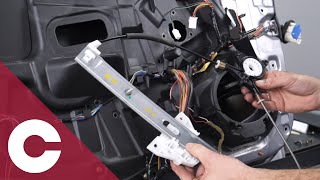

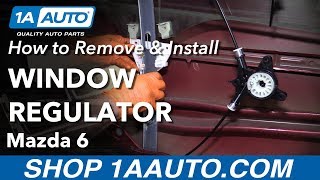

Technical Specifications
OEM Part Numbers: GBY0-58-02X GHP9-58-010 GHP9-58-010B GHP9-58-010C GHP9-58-010D GHP9-58-02X GHP958010 GHY0-58-02XA GHY0-58-02XC GHY0-58-02XD GHY0-58-02XE GHY0-58-02XF GHY0-58-02XG GHY0-58-02XH GHY0-58-02XJ
Door assemblies are specific to vehicle generation (2011-2013 or 2014-2016), location (e.g., front driver side), and body style (sedan). Internal components are specific to trim level (e.g., Sport, Touring, Grand Touring).
We Have This Part in Stock



The information in this article is provided for general reference and educational purposes only. Vehicle specifications, procedures, and part compatibility can vary by production date, trim level, and region. Always consult your vehicle's factory service manual and verify part numbers before purchasing or performing repairs. Safety-critical components such as airbags, seat belts, and braking systems should be installed by a qualified professional.
- Mazda 6:
- 🎬 Helpful Videos
- 🛍️ Shop This Part
- Common Symptoms of Door Assembly Failure
- Known Issues for 2011-2013 Mazda 6 (Second Generation)
- Common Failures: 2011-2013 Models
- Known Issues for 2014-2016 Mazda 6 (Third Generation)
- Special Service Program (SSP A5): Door Sash Molding
- Technical Service Bulletins (TSBs) & Common Failures: 2014-2016 Models
- Buying a Used 2011-2016 Mazda 6 Door Assembly
- Step 1: Verify the Generation!
- Step 2: The 'Shell' vs. 'Complete Assembly' Dilemma
- Step 3: Physical Inspection Checklist
- Replacement Overview and Difficulty
- Frequently Asked Questions (FAQ)
- 🎟️ Get 5% Off