

2010-2012 Range Rover Door Problems: Lock Actuators, Latches, and Replacement Guide
This guide covers the common failure points in the 2010-2012 Land Rover Range Rover door assembly, focusing on diagnosing lock actuators, inspecting used doors, and understanding related recalls.
- The most common failure within the door assembly is the door lock actuator, which causes a single door to stop locking/unlocking electronically.
- When buying a used door, verifying the wiring harness is intact and the glass type matches your vehicle is more important than the paint color.
- There are no major safety recalls for door latches on the 2010-2012 Range Rover, unlike the 2013+ models, but failures are still common.
- Replacing an entire door is a difficult DIY job due to weight and the need for precise alignment to prevent leaks and wind noise.
Symptoms of Door Assembly Failure
Problems with the door on a 2010-2012 Range Rover rarely involve the entire assembly failing at once. More often, a single component within the door will fail, leading to specific symptoms. Identifying the exact symptom is key to diagnosing the correct part for repair.
1. Door Fails to Lock or Unlock Electronically
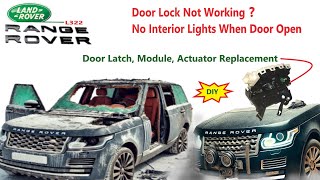
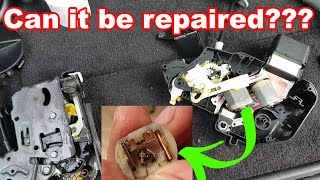
This is the most common issue, almost always pointing to a failed door lock actuator. The actuator is a small electric motor that physically moves the lock mechanism. When it fails, you may hear a clicking or buzzing sound from inside the door, but the lock pin won't move. In other cases, it may fail silently. If only one door is malfunctioning while the others work with the key fob or central lock button, the actuator in that specific door is the likely culprit.
🎬 Watch: Diagnose and repair a Range Rover door lock actuator2. 'Door Ajar' Warning Light Stays On
If the dashboard shows a 'door ajar' warning even when the door is fully closed, it typically indicates a faulty microswitch within the door latch assembly. This switch is responsible for telling the vehicle's computer whether the door is open or closed. A failed switch can also prevent interior lights from turning on when the door is opened or cause the alarm to trigger incorrectly.
3. Exterior or Interior Door Handle Doesn't Open the Door
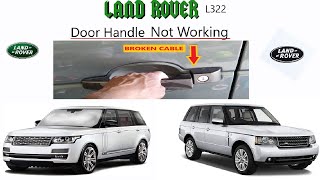
This is often caused by a broken or disconnected door handle cable. These cables link the physical handle to the latch mechanism. Over time, the plastic or metal ends of the cable can become brittle and break, leaving the handle disconnected from the latch.
🎬 See how to replace a broken door handle cable4. Window Won't Go Up or Down
A window that is stuck, moves slowly, or makes grinding noises points to a failed window regulator or motor. The regulator is the track and cable system that lifts the glass, and it can fail mechanically. The motor provides the power; if you don't hear any sound when pressing the window switch, the motor or the switch itself could be the problem.
5. Rattling Noises From Inside the Door
Rattling can be caused by loose components, such as a speaker, a dislodged window regulator, or broken interior panel clips. Land Rover has also been known to use anti-rattle pads inside the door that can shift or fall off over time, allowing linkages to rattle against the door's inner panel.
Warning: While some door latch issues for Land Rover models have led to safety recalls, the specific recalls for doors opening while driving primarily affect 2013 and newer models. However, any issue preventing a door from latching securely should be treated as a serious safety concern.
Buying a Used Door Assembly: What to Check
A complete, used OEM door assembly can be a cost-effective solution, especially if your door has suffered collision damage. However, careful inspection is crucial to ensure you get a good part.
Key Inspection Points:
- Verify Compatibility: Ensure the door is for the correct location (front/rear, left/right) and year range. While many parts are shared, there can be subtle differences.
- Inspect for Physical Damage: Check for dents, deep scratches, and any signs of previous body filler (look for wavy reflections or texture differences in the paint). Pay close attention to the bottom seam, where moisture can collect and cause rust.
- Check the Wiring Harness: This is critical. Pull back any rubber grommets and inspect the wiring harness connector. Look for any cut wires, frayed insulation, or signs of corrosion (green or white powder). A damaged harness is difficult and expensive to repair.
- Confirm Glass and Trim Type: The prompt's warning is valid. Verify the window glass matches your vehicle. Land Rover offered different types, such as standard, privacy tinted, or laminated acoustic glass. Also, ensure the interior door panel's color and trim material (wood, aluminum, etc.) match your vehicle's interior.
- Test Included Components (If Possible): Ask the seller if the door's functions (lock, window) were tested before removal. If inspecting in person, check the feel of the handle and the condition of the weatherstripping.
Pro Tip: Often, it's more economical to buy a complete used door in the same color and swap it entirely than to have a bare door shell painted and transfer all your old components into it. Even if the paint isn't a perfect match, a professional polish can often blend it acceptably.
Known Issues, TSBs, and Recalls
While the major door latch recalls for doors opening while in motion affect the next generation (2013+), the 2010-2012 Range Rover still has some relevant service actions and common problems.
- NHTSA Recalls: The primary recalls for the 2010-2012 Range Rover concern airbags and brake hoses. There are no major recalls specifically for door assemblies on this model year range. However, some recalls for later models mention faulty door latch mechanisms, indicating a potential area of weakness for the brand.
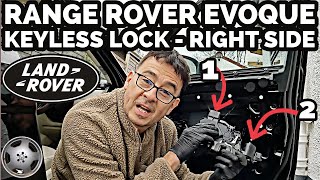
- Technical Service Bulletins (TSBs): Land Rover issued TSB LTB01086NAS3 for various models, including the Range Rover, noting that water ingress into the exterior door handles could cause the keyless entry lock function to operate intermittently or fail. The fix involves replacing the exterior door handle assembly.
- Common Failures (Forum-Reported): The most widely discussed issues in owner forums are failures of the door lock actuators and the exterior door handle cables. These components are known to wear out and are common DIY replacement jobs. 🎬 Watch: Step-by-step door lock module replacement walkthrough
Cost Breakdown
The cost to repair a door issue varies dramatically depending on whether you replace a small internal part or the entire assembly.
| Part/Service | Estimated Cost | Notes |
|---|---|---|
| New OEM Door Shell (Bare) | $2,200 - $2,900 | This is just the metal shell (Part #LR044226). It does not include glass, wiring, paint, or any internal components. |
| Used OEM Door Assembly (Complete) | $500 - $1,200 | Price varies widely based on condition, color, and included components. Shipping can be expensive due to size and weight. |
| New OEM Door Lock Actuator/Latch | $250 - $400 | This is a common replacement part. |
| New Aftermarket Door Lock Actuator | $50 - $150 | Quality can be inconsistent compared to OEM. |
| Shop Labor (Door Assembly Replacement) | $300 - $500 | Includes swapping the door, aligning it, and connecting electronics. Does not include painting. |
| Shop Labor (Actuator Replacement) | $200 - $350 | Involves removing the interior door panel to access and replace the internal component. |
Frequently Asked Questions (FAQ)
Can I just replace the broken part inside my door instead of the whole assembly?
Yes, and this is often the most common approach. Parts like door lock actuators, window regulators, and handle cables are available individually. Replacing just the failed component is usually more cost-effective than replacing the entire door, unless the door shell itself is damaged from an accident.
Why does my Range Rover beep twice when I try to lock it?
A double beep upon locking is often the vehicle's way of telling you that a door, the hood, or the tailgate is not securely closed. If everything appears shut, it could be a faulty door latch sensor (part of the actuator assembly) that is incorrectly reporting a door as being open, preventing the alarm from setting properly.
Is replacing a Range Rover door a DIY-friendly job?
Replacing the entire door assembly is a moderately difficult job (rated 4 out of 5). The door is heavy and requires a helper to hold it in place while unbolting the hinges. The most challenging part is aligning the new door perfectly to ensure it closes smoothly and seals properly against wind and water. Replacing internal components like an actuator or window regulator is less physically demanding but requires patience to work inside the tight confines of the door.
Do I need to get the door reprogrammed after installation?
No. A door assembly is a collection of mechanical and basic electrical parts. As long as you are using a compatible OEM door with the correct wiring harness, there is no special programming required. The components are plug-and-play and will be controlled by the vehicle's existing Body Control Module.
Helpful Videos
Technical Specifications
OEM Part Numbers: CUB500340 LR011318 LR011696 LR044226
Compatibility is dependent on vehicle side (Left/Right), position (Front/Rear), paint color, interior trim, and glass type (standard, privacy, laminated).
We Have This Part in Stock


The information in this article is provided for general reference and educational purposes only. Vehicle specifications, procedures, and part compatibility can vary by production date, trim level, and region. Always consult your vehicle's factory service manual and verify part numbers before purchasing or performing repairs. Safety-critical components such as airbags, seat belts, and braking systems should be installed by a qualified professional.
- Land Rover Range Rover:
- 🎬 Helpful Videos
- 🛍️ Shop This Part
- Symptoms of Door Assembly Failure
- 1. Door Fails to Lock or Unlock Electronically
- 2. 'Door Ajar' Warning Light Stays On
- 3. Exterior or Interior Door Handle Doesn't Open the Door
- 4. Window Won't Go Up or Down
- 5. Rattling Noises From Inside the Door
- Buying a Used Door Assembly: What to Check
- Key Inspection Points:
- Known Issues, TSBs, and Recalls
- Cost Breakdown
- Frequently Asked Questions (FAQ)
- 🎟️ Get 5% Off