

2009-2014 Nissan Cube Front Brakes: Diagnosing Noises, Pulsations, and Replacement
This guide covers the common symptoms of front brake failure on the Nissan Cube, how to inspect used parts, and what to expect for replacement costs.
- The most common problem is brake pulsation (shaking) caused by warped front rotors.
- Brake replacement is a simple DIY job (2/5 difficulty) with basic tools.
- The front brakes are shared with the 2007-2012 Nissan Versa, expanding parts availability.
- Always replace rotors in pairs and thoroughly clean the hub surface to prevent future issues.
Symptoms of Failing Front Brakes
Brake system problems usually give clear warning signs. Ignoring them can lead to more expensive repairs and is a major safety risk. Here are the most common symptoms for the Nissan Cube.
- Squealing or High-Pitched Noise: This is often the first sign. A small metal tab on the brake pads, called a wear indicator, makes this noise when the pads are thin and need to be replaced.
- Grinding Noise: A harsh, metallic grinding sound means the brake pads are completely worn away. This is a critical warning, as it means metal is grinding against metal, which can quickly destroy the brake rotors and reduce stopping power.
- Pulsating or Shaking When Braking: If you feel a vibration or pulsation in the brake pedal or steering wheel when you brake, it's a classic sign of warped brake rotors. Warped rotors have an uneven surface, causing the brake pads to grab and release as the rotor spins.
- Vehicle Pulling to One Side: If the Cube pulls to the left or right during braking, it could mean a brake caliper is stuck or not working correctly on one side. This creates an imbalance in braking force.
- Spongy or Soft Brake Pedal: A pedal that feels soft or goes down further than usual can indicate air or moisture in the brake lines, or a problem with the brake master cylinder.
- Brake Warning Light: An illuminated brake light on your dashboard can signal low brake fluid, a problem with the ABS system, or other brake system faults.
Known Issues, TSBs, and Recalls
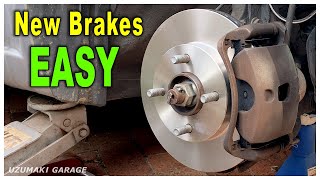
While the 2009-2014 Nissan Cube 🎬 Watch: Nissan Cube front brake replacement walkthrough has not had any major recalls specifically for its front disc brake components, some related information is useful for owners and technicians.
- Brake Noise TSB: While some owners reported front brake squeaking, Nissan issued a Technical Service Bulletin (TSB) primarily for "Noise from Rear Brakes" on early models, which involved updated rear brake shoes. However, another TSB, #NTB00033E, was issued to help technicians diagnose general customer questions about brake operation.
- Rotor Resurfacing TSB: TSB #NTB04094A provides guidance for service technicians on resurfacing brake rotors using an on-car brake lathe, a procedure sometimes recommended to resolve pulsation issues.
- High Sensitivity to Rotor Runout: Technicians on forums note that Nissan vehicles of this era are particularly sensitive to brake rotor runout (warping). The tolerance is very low, around 0.0014 inches. This means that proper installation, including thoroughly cleaning the wheel hub surface, is critical to prevent a return of brake pulsation.
- No Relevant Recalls: Searches of the NHTSA database show recalls for the 2009-2014 Cube related to the ignition switch, fuel system, and tire pressure monitoring system (TPMS), but none for the front brake pads, rotors, or calipers.
Warning: The most common cause of brake pulsation or a shaking steering wheel when braking on the Nissan Cube is warped front rotors. Due to the vehicle's sensitivity, using high-quality replacement rotors and ensuring the hub mounting surface is perfectly clean is essential for a lasting repair.
Buying a Used Disc Brake Kit: What to Check
When buying used brake components, it's important to know what to look for. While brake pads are a wear item and should always be purchased new, recycled OEM calipers and rotors can be a good value if inspected properly.
Used Brake Calipers
- Check the Piston and Dust Boot: The rubber dust boot around the piston should be intact, with no rips or tears. A torn boot allows moisture and debris in, which will cause the piston to seize.
- Inspect the Slide Pins: The caliper must slide freely on its mounting bracket. Remove the slide pins and check for rust or corrosion. They should move in and out smoothly. If they are seized, the caliper will cause uneven pad wear and pulling.
- Look for Leaks: Check around the piston boot and the banjo bolt fitting (where the brake hose attaches) for any signs of brake fluid leaks.
Used Brake Rotors
Pro Tip: It is often more cost-effective and reliable to buy new aftermarket rotors than to buy used ones. New rotors are guaranteed to be true and have their full thickness, eliminating the risks associated with used parts.
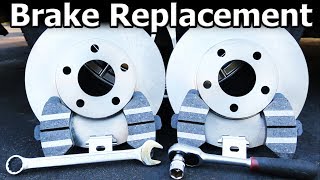
- Measure the Thickness: Rotors have a minimum thickness specification stamped on them. You'll need a micrometer to measure the rotor's thickness. If it's at or below the minimum spec, it cannot be safely used or resurfaced. 🎬 See this complete guide to replacing pads and rotors
- Check for Warping and Scoring: Lay the rotor on a flat surface to check for obvious warping. Look for deep grooves, scoring, or blueish discoloration from excessive heat. Any of these are red flags.
- Verify the Bolt Pattern: The 2009-2014 Nissan Cube uses a 4-lug bolt pattern. Ensure the used rotor matches this specification.
Cost Comparison (Front Axle)
Prices can vary based on location and parts supplier. The estimates below are for replacing both front brake pads and rotors.
| Part/Service | Estimated Cost | Notes |
|---|---|---|
| New OEM (Dealer) | $450 - $650 | Includes OEM pads and rotors. Labor at dealership rates. |
| New Aftermarket (Independent Shop) | $364 - $500 | Uses quality aftermarket parts. Labor at independent shop rates. |
| Used OEM (DIY) | $50 - $150 | Cost of used calipers and/or rotors. Not generally recommended for rotors. |
| New Aftermarket (DIY) | $100 - $200 | Cost of new aftermarket pads and rotors. |
| Shop Labor Only | $122 - $200 | Labor to install customer-provided parts. |
Replacement Overview & Difficulty
Replacing the front brake pads and rotors on a 2009-2014 Nissan Cube is a straightforward job for a DIYer with basic tools and experience.
- Difficulty: 2 out of 5
- Estimated Time: 1.5 - 2 hours
- Tools Needed: Jack, jack stands, lug wrench, socket set (14mm for caliper bolts), breaker bar, C-clamp or piston compressor tool, wire brush, brake cleaner, thread locker, and a torque wrench.
Key Steps:
- Safely raise and support the front of the vehicle and remove the wheel.
- Unbolt the two 14mm caliper slide pin bolts and hang the caliper securely out of the way with a bungee cord or wire. Do not let it hang by the brake hose.
- Remove the old brake pads from the caliper mounting bracket.
- Unbolt the two larger bolts holding the caliper mounting bracket to the steering knuckle and remove the bracket.
- Remove the old brake rotor. It may be stuck; a few taps with a hammer may be needed.
- Thoroughly clean the hub surface of any rust or debris with a wire brush. This is a critical step to prevent brake pulsation.
- Clean the new rotor with brake cleaner to remove any oils from manufacturing.
- Install the new rotor and use a lug nut to hold it in place.
- Clean and lubricate the caliper slide pins and reinstall the caliper bracket. Torque the bracket bolts.
- Use a C-clamp or piston tool to compress the caliper piston back into its bore.
- Install the new brake pads and hardware into the caliper bracket.
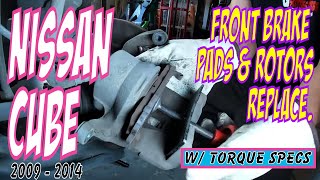
- Reinstall the caliper over the pads and torque the slide pin bolts to 20 ft-lbs. 🎬 Watch: Step-by-step Cube brake install with torque specs
- Reinstall the wheel, lower the vehicle, and torque the lug nuts.
- Important: Before driving, pump the brake pedal several times until it feels firm to seat the new pads.
Frequently Asked Questions (FAQ)
Can I use brake parts from a Nissan Versa or Sentra?
Yes, the front brake components for the 2009-2014 Cube are often shared with the 2007-2012 Nissan Versa and some Sentra models. This can be helpful when searching for used or new parts. Always verify the exact part number and specifications, such as the 4-lug pattern and 280mm rotor diameter, before purchasing.
Do I have to replace the rotors when I replace the pads?
Not always, but it is highly recommended. If the rotors are warped (causing pulsation), have deep grooves, or are worn below the minimum thickness, they must be replaced. Replacing pads and rotors together ensures optimal performance and a longer service life for the new pads. Given the low cost of new aftermarket rotors, it's a wise investment.
What is 'bedding in' new brakes and is it necessary?
Bedding-in is the process of transferring a thin, even layer of friction material from the new brake pads onto the new rotors. This helps the brakes perform at their best and prevents future noise and vibration issues. The procedure typically involves a series of controlled stops from moderate speeds. Follow the instructions provided by the brake pad manufacturer.
Why are my brakes squeaking if they are new?
New brake squeak can be caused by several factors. High-frequency vibrations are a common cause, which can sometimes be solved by applying anti-squeal compound to the back of the brake pads. It can also be caused by failing to clean the new rotors before installation or not replacing the anti-rattle hardware clips. In some cases, certain ceramic or metallic pad compounds are just inherently noisier.
Helpful Videos
Technical Specifications
OEM Part Numbers: 40206-EM10A 40206-EM10B 40206-ET02C 40206-ZW90A 40206EM10A 40206EM10B D0206-ET01JNW
Front Rotor Type: Vented Bolt Pattern: 4-Lug Rotor Diameter: 11.02 in. (280mm) Caliper Slide Pin Bolt Torque: 20 ft-lbs
We Have This Part in Stock



The information in this article is provided for general reference and educational purposes only. Vehicle specifications, procedures, and part compatibility can vary by production date, trim level, and region. Always consult your vehicle's factory service manual and verify part numbers before purchasing or performing repairs. Safety-critical components such as airbags, seat belts, and braking systems should be installed by a qualified professional.
- Nissan Cube:
- 🎬 Helpful Videos
- 🛍️ Shop This Part
- Symptoms of Failing Front Brakes
- Known Issues, TSBs, and Recalls
- Buying a Used Disc Brake Kit: What to Check
- Used Brake Calipers
- Used Brake Rotors
- Cost Comparison (Front Axle)
- Replacement Overview & Difficulty
- Key Steps:
- Frequently Asked Questions (FAQ)
- 🎟️ Get 5% Off