

2016-2026 Tesla S & X Brake Caliper: EPB Recalls, Seized Pins, and Variant Guide
This guide covers a critical parking brake recall, common failures from corrosion, and how to identify the correct used caliper for your 2016-2026 Tesla Model S or Model X.
- A recall (NHTSA 17V-260) was issued for some 2016 Model S and X vehicles for a rear parking brake gear that could fracture, causing the brake to get stuck on.
- When replacing rear calipers, you MUST use the touchscreen's 'EPB Service Mode' to retract the electronic parking brake motor before starting work.
- Calipers are different for pre-refresh (2016-2020) and refresh (2021+) models and are not interchangeable.
- Due to infrequent use because of regenerative braking, calipers are prone to seizing from corrosion, especially in winter climates. Regular cleaning and lubrication of slide pins can prevent this.
Key Variants and Compatibility Warnings

Before purchasing a replacement brake caliper for a 2016-2026 Tesla Model S or Model X, it's critical to identify the correct version for your vehicle. There are several major variations that are not interchangeable.
- Pre-Refresh (2016-2020) vs. Refresh (2021+): Tesla performed a major vehicle update for the 2021 model year, often called the "Palladium" or "Refresh" update. Brake components, including the calipers, were changed and are not interchangeable between pre-2021 and 2021+ vehicles. You must match the caliper to the correct year range.
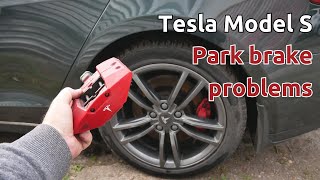
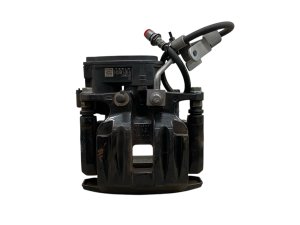
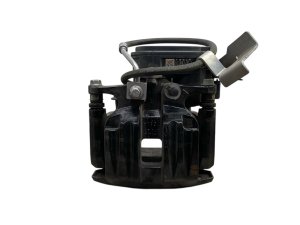
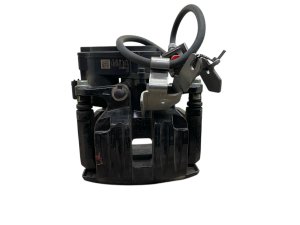
- Rear Caliper Change (Mid-2016): Early 2016 models often used a rear Brembo setup with two calipers per wheel: a main service brake caliper and a smaller, separate caliper for the electronic parking brake. 🎬 Watch: How to service the separate Brembo parking brake caliper Vehicles built after approximately November 16, 2016, switched to a single, larger Mando-brand rear caliper with an integrated EPB motor. Visually inspect your rear brake setup to confirm which version you have.
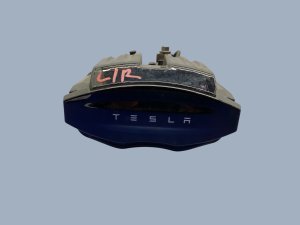
- Standard vs. Plaid/Performance (2021+): For 2021 and newer models, the Long Range and Plaid trims use the same functional brake calipers. Plaid models typically came with red-painted calipers, while Long Range models have black or grey calipers. These are often functionally identical and can be interchanged if the part numbers match, though many owners prefer to maintain the original color scheme.
- Carbon Ceramic Brakes: This guide does not apply to the optional Carbon Ceramic brake upgrade package offered on some Plaid models. Those vehicles use a completely different and much larger caliper that is not compatible with standard parts.
Known Issues, Recalls, and Service Bulletins

NHTSA Recall 17V-260: Rear Parking Brake Failure
Warning: A significant recall was issued for some 2016 Tesla Model S and Model X vehicles built between February and October 2016.
The problem involved the Brembo-made rear electric parking brake (EPB) calipers, which contained a small internal gear that could fracture. If this gear failed, the parking brake could become stuck in the engaged position, preventing the vehicle from moving. While it did not affect the regular hydraulic braking system, it could leave the car stranded. Tesla's solution under service bulletin SB-17-33-002 was to replace the affected rear parking brake calipers.
Common Issue: Seized Caliper Slide Pins and Pistons
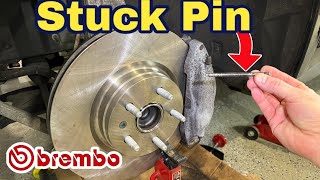
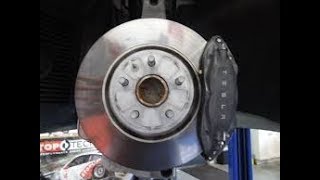
A very common problem for Model S and Model X owners, especially in climates where road salt is used, is corrosion causing seized caliper slide pins or pistons. 🎬 See how to free stuck Brembo brake pad pins Because regenerative braking handles most of the car's deceleration, the hydraulic calipers are not activated as frequently. This lack of regular movement allows moisture and contaminants to build up, leading to rust and binding. A seized caliper will not release its grip on the brake rotor, causing constant brake drag. This leads to symptoms like noise, pulling, rapid pad wear, and a noticeable decrease in driving range.
Symptoms of a Failing Brake Caliper

A bad brake caliper is a serious safety concern that should be addressed immediately. Watch for these signs:
- Vehicle Pulling to One Side: When braking or even just driving, a pull to the left or right can be caused by a seized caliper creating constant drag on one wheel.
- Squealing or Grinding Noise: A continuous metallic squeal or grinding sound, even when you aren't braking, is a classic sign of a caliper that hasn't retracted.
- Burning Smell or Excessive Heat: After a drive, a strong chemical or burning smell from one wheel area is a major red flag. A stuck caliper generates extreme heat, which can damage the rotor, pad, and wheel bearing, and even pose a fire risk.
- Uneven Brake Pad Wear: If you inspect your brake pads and find one is worn down significantly more than the others, it's a clear indication of a sticking caliper.
- Brake Fluid Leak: Puddles of clear to yellowish, oily fluid on the ground near the inside of your wheel point to a failing caliper seal or a loose bleeder screw. This will lead to a soft, spongy brake pedal.
- "EPB Fault" Warning Message: A specific warning on the Tesla touchscreen can indicate a failure in the electronic parking brake motor or mechanism within the rear caliper.
Buying a Used Disc Brake Caliper: What to Check
A used OEM caliper can be an excellent value, offering original factory quality and fitment. However, a careful inspection is essential before purchasing.
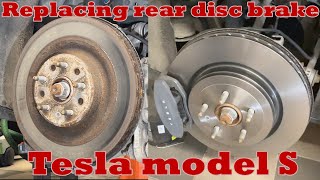
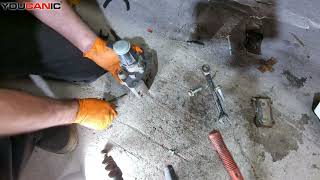
- Verify Compatibility: This is the most important step. Double-check that the part is for the correct vehicle (Model S or X), year range (pre- or post-2021 refresh), and position (front/rear, left/right). For rear calipers on 2016 models, confirm if you need the early two-piece Brembo style or the later single Mando caliper. 🎬 Watch: Step-by-step rear brake replacement for Mando calipers
- Inspect the Piston Boot: The rubber boot around the caliper piston is critical. Look for any rips, tears, or cracks. A damaged boot allows moisture and dirt to enter, which will cause the piston to seize. Do not buy a caliper with a compromised boot.
- Check the Bleeder Screw: Ensure the bleeder screw is not broken off or severely rusted. Try to gently turn it with a wrench if possible. A seized or stripped bleeder screw will make bleeding the brakes impossible.
- Examine the EPB Connector (Rear Calipers): For rear calipers, inspect the plastic electrical connector for the Electronic Parking Brake motor. Look for cracks, broken locking tabs, or corroded pins.
- Look for Corrosion: A light layer of surface rust is normal, but avoid calipers with heavy, flaking rust, especially around the slide pin bores and piston area. This indicates the part may have come from a harsh climate and is more likely to seize.
- Slide Pin Condition: If the caliper includes the mounting bracket, check the slide pins. They should move freely in and out of the caliper bracket. If they are stuck, they will need to be freed or replaced, which can be difficult.
Pro Tip: Choosing a used OEM caliper over a cheap, new aftermarket part is often a wise decision. OEM calipers from manufacturers like Brembo and Mando are built to a higher quality standard, ensuring proper fitment and, most importantly, reliable integration with the Tesla's electronic parking brake system.
Cost Comparison
| Part Type | Estimated Cost |
|---|---|
| New OEM | $450 - $800+ |
| New Aftermarket | $150 - $300 |
| Remanufactured | $130 - $250 (plus core charge) |
| Used OEM | $150 - $350 |
| Shop Labor | $200 - $350 |
Replacement Overview
Replacing a brake caliper is a job for an experienced DIY mechanic. The difficulty is moderate, primarily due to the need to bleed the brake system and, for rear calipers, the requirement to use the vehicle's service software.
Warning: Before attempting to replace a rear brake caliper, you MUST put the Electronic Parking Brake (EPB) into "Service Mode" using the vehicle's touchscreen. This retracts the electric motor. Failure to do so will make it impossible to remove the caliper and can damage the EPB mechanism. This function is typically found in the 'Service' menu on the touchscreen.
The basic steps involve lifting and supporting the vehicle, removing the wheel, retracting the EPB (for rear calipers), disconnecting the electrical connector and brake line, unbolting the old caliper, and then installing the new one in reverse order. After installation, the brake system must be thoroughly bled to remove all air, and the EPB must be taken out of service mode. The brake fluid level should be checked and topped off as needed.
Frequently Asked Questions (FAQ)
What is EPB Service Mode and why is it required?
EPB Service Mode is a software function in the Tesla's service menu that fully retracts the electronic parking brake motor inside the rear calipers. This is necessary to create enough clearance to remove the caliper and install new brake pads. Attempting to physically force the piston back without using this mode can destroy the internal gearing of the parking brake motor.
Can I use a black Long Range caliper on my Plaid model that has red calipers?
For 2021+ models, yes, this is generally possible as long as the part numbers are cross-compatible for that model year. The Long Range (black/grey) and Plaid (red) calipers are functionally the same, with the color being the primary difference. However, it is not compatible with the optional Carbon Ceramic brake package.
Do I need to replace brake calipers in pairs?
While it is not strictly required to replace both the left and right calipers at the same time if only one has failed, it is often recommended, especially on higher-mileage vehicles. If one caliper has failed due to corrosion or a worn seal, the other side is likely in similar condition and may fail soon. Replacing them in pairs ensures even braking performance.
Can I use a caliper from a 2019 Model S on my 2022 Model S?
No. The brake systems were significantly updated for the 2021 "Refresh" models. Calipers from a pre-2021 vehicle are not physically compatible with a 2021 or newer vehicle, and vice-versa.
Helpful Videos
Technical Specifications
OEM Part Numbers: 1007795-00-C 1027622-00-A 1420621-00-B 1420622 1420622-00 1420622-00-B 1420623-00-B 1420624-00-B 1420641-00-A 1420642-00-A 1620732-00-C P11-H91600 P11-H91W00 P11H91600 P11H91W00 1078541-00-A 1042642-00-C
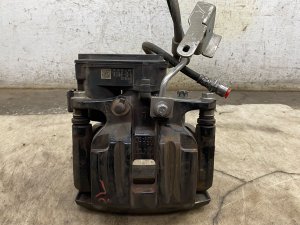
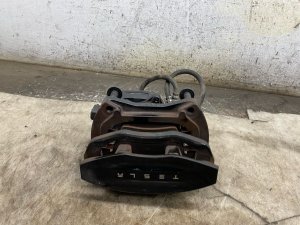
Rear calipers on models built after late 2016 feature an integrated Electronic Parking Brake (EPB) motor. Front calipers on most models are 4-piston fixed units made by Brembo. Rear calipers can be Brembo or Mando depending on the production date.
We Have This Part in Stock

The information in this article is provided for general reference and educational purposes only. Vehicle specifications, procedures, and part compatibility can vary by production date, trim level, and region. Always consult your vehicle's factory service manual and verify part numbers before purchasing or performing repairs. Safety-critical components such as airbags, seat belts, and braking systems should be installed by a qualified professional.
- Tesla S:
- Tesla X:
- 🎬 Helpful Videos
- 🛍️ Shop This Part
- Key Variants and Compatibility Warnings
- Known Issues, Recalls, and Service Bulletins
- NHTSA Recall 17V-260: Rear Parking Brake Failure
- Common Issue: Seized Caliper Slide Pins and Pistons
- Symptoms of a Failing Brake Caliper
- Buying a Used Disc Brake Caliper: What to Check
- Cost Comparison
- Replacement Overview
- Frequently Asked Questions (FAQ)
- 🎟️ Get 5% Off