

2016-2026 Tesla Model S & X Brake Caliper Guide: Seizing, Recalls, and Plaid vs. Long Range Differences
This guide covers common failure symptoms, a major parking brake recall, and critical compatibility differences between trim levels for the 2016-2026 Tesla Model S and Model X.
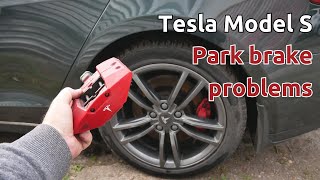
- A recall (NHTSA 17V-260) was issued for 2016 Model S & X for rear calipers that could cause the parking brake to get stuck on.
- When replacing rear calipers, you MUST use the touchscreen's 'EPB Service Mode' to retract the parking brake motor before starting work.
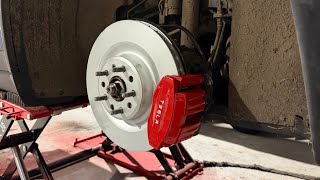
- Plaid models may have red or 'higher thermal capability' calipers, but compatibility must be verified by part number. A black/grey caliper can replace a red one if the part number is correct.
- Because Teslas use regenerative braking, calipers can seize from lack of use, especially in winter climates. Symptoms include pulling, noise, and reduced range.
Symptoms of a Failing Brake Caliper

A failing brake caliper is a serious safety issue. Because Teslas rely heavily on regenerative braking, the mechanical brakes are used less often. This can ironically lead to problems like corrosion and seizing, especially in areas where road salt is common. Be aware of these symptoms:
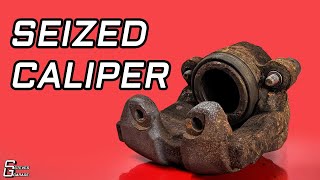
- Vehicle Pulling to One Side: If the car pulls to the left or right when you apply the brakes, it could be a sign of a stuck or seized caliper on one side. The car will typically pull towards the side with the properly functioning caliper. 🎬 Watch: How to diagnose a seized brake caliper
- Uneven Brake Pad Wear: A caliper that is stuck or not releasing properly will cause the brake pads on that wheel to wear down much faster than the others. You might notice one pad is thin while the other looks new.
- Squealing or Grinding Noise: A constant high-pitched squeal or a metallic grinding sound, even when you are not braking, often points to a caliper that has not retracted, keeping the pad in constant contact with the rotor.
- Burning Smell and Excessive Heat: After a drive, a strong burning or chemical smell coming from a wheel is a red flag. A stuck caliper generates immense heat, which you can often feel by carefully placing your hand near (but not touching) the wheel. This can also manifest as a noticeable drop in driving range.
- Brake Fluid Leak: Puddles of clear or yellowish fluid near the inside of a wheel indicate a leak. Calipers can leak from the piston seal or the bleeder screw, which will lead to a soft, spongy brake pedal and reduced stopping power.
- Spongy or Soft Brake Pedal: If the brake pedal feels mushy or goes further to the floor than usual, it could be caused by a leak in the caliper or air in the hydraulic system.
Known Issues, Recalls, and Service Bulletins

NHTSA Recall 17V-260: Rear Parking Brake Failure
A significant recall was issued for some 2016 Tesla Model S and Model X vehicles built between February and October 2016.
- Problem: The rear Brembo electric parking brake (EPB) calipers contained a small internal gear that could fracture.
- Symptom: If the gear failed, the parking brake could become stuck in the engaged position, making the vehicle impossible to move. 🎬 See how to fix a stuck Tesla parking brake While it did not affect the car's ability to be held by the parking brake, it could prevent release.
- Solution: Tesla initiated a voluntary recall (service bulletin SB-17-33-002) to replace the affected rear parking brake calipers free of charge.
If you own a 2016 model, you should verify if this recall work was performed. A used part from a 2016 vehicle could potentially be one of the recalled units if it was never replaced.
Model & Trim Level Differences

Understanding the brake caliper variations on the Model S and Model X is crucial for buying the correct part. Always verify your vehicle's original part number before purchasing a replacement.
- Base/Long Range vs. Plaid: While many core components are shared, there are differences. Plaid models are designed for higher performance and may come with calipers that have a higher thermal capability. Some Plaid models were originally equipped with red painted calipers, while Long Range models typically have grey or black calipers. However, a black or grey caliper with the correct part number is functionally identical and interchangeable with its red counterpart.
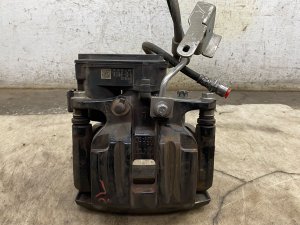
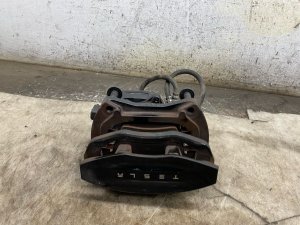
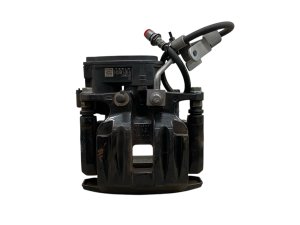
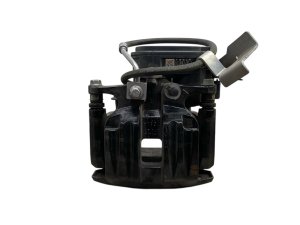
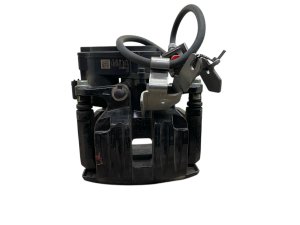
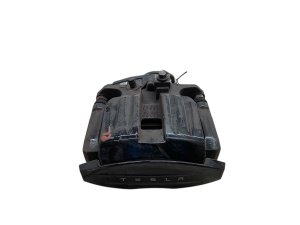
- Front vs. Rear: Front calipers are typically larger, multi-piston fixed units (often made by Brembo). Rear calipers on newer models are a single-piston floating design with an integrated Electronic Parking Brake (EPB) motor (often made by Mando).
- Model S vs. Model X: One source notes that while the caliper may be the same, the Model X can use a larger front brake rotor, which means the caliper mounting position on the knuckle is different. This reinforces the need to match part numbers exactly.
Warning: This part is NOT compatible with the optional Carbon Ceramic Brake (CCB) upgrade. The CCB package is a completely different system featuring much larger 6-piston front and 4-piston rear calipers. These standard calipers will not fit.
Buyer's Guide: Inspecting a Used Tesla Brake Caliper

Buying a used OEM caliper can be a great value, but a thorough inspection is essential. Here’s what to check:
- Check for Leaks: The caliper should be completely dry. Look for any signs of brake fluid residue, especially around the piston dust boot and the banjo bolt connection where the brake line attaches.
- Inspect the Piston Dust Boot: The rubber boot around the piston must be intact. If it's torn, cracked, or missing, moisture and dirt have likely entered the caliper bore, causing corrosion and piston seizure. Do not buy a caliper with a damaged boot.
- Examine the Bleeder Screw: Ensure the bleeder screw is not broken off, stripped, or excessively rusted. A seized bleeder screw will make it impossible to properly bleed the brakes after installation.
- Check the Mounting Threads: The threaded holes where the caliper bolts to the knuckle or bracket must be clean and undamaged. Cross-threaded or stripped holes render the caliper useless.
- For Rear Calipers - Inspect the EPB Motor: Check the plastic housing of the Electronic Parking Brake motor for cracks or damage. Ensure the electrical connector pins are straight and free of corrosion. A damaged connector can cause parking brake faults.
- For Floating Calipers - Check Guide Pins: If it's a floating caliper (common on the rear), ensure the guide pins slide freely. If the caliper includes the bracket, test this movement. Seized guide pins are a common cause of uneven pad wear.
Cost to Replace a Tesla Brake Caliper
Costs can vary based on your location and whether you use a Tesla Service Center or an independent shop. Regenerative braking means Tesla brakes can last over 100,000 miles, but when a caliper seizes, replacement is necessary.
| Item | Estimated Cost (Per Caliper) |
|---|---|
| New OEM (from Tesla) | $450 - $600 |
| New Aftermarket | $150 - $300 |
| Remanufactured | $90 - $180 + Core Charge |
| Used OEM | $80 - $250 |
| Shop Labor | $150 - $250 |
Note: Prices are estimates and can vary. Labor cost includes installation and bleeding the brake system.
Replacement Overview
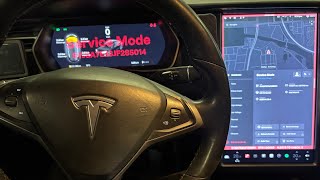
Critical Step for Rear Calipers: You MUST activate the "EPB Service Mode" (sometimes called Brake Maintenance Mode) from the vehicle's touchscreen before attempting to replace a rear caliper. This retracts the electronic parking brake motor. 🎬 Watch: How to access Tesla's secret parking brake service mode Failure to do this will make it impossible to compress the piston and will damage the new caliper. To exit service mode, you typically just need to shift the vehicle into Park.
Replacing a brake caliper is a job for an experienced DIYer or a professional technician. The process involves opening the hydraulic system, which requires careful bleeding afterward to remove all air.
- Difficulty: 3/5 (Requires knowledge of brake hydraulics and using the vehicle's service modes)
- Tools Needed: Jack and jack stands, socket set, wrenches, E18 external Torx socket (for rear), brake line wrench, torque wrench, brake fluid, and a container for catching old fluid.
- Procedure: After placing the vehicle in Jack Mode and EPB Service Mode (for rear), disconnect the EPB electrical connector and the hydraulic brake line. Unbolt the old caliper from the knuckle. Install the new caliper, reconnect the brake line with new crush washers, and torque all bolts to specification. Finally, bleed the entire brake system according to Tesla's procedure to ensure there is no air in the lines.
Frequently Asked Questions (FAQ)
Do I need to replace brake calipers in pairs?
While it's not strictly required like brake pads or rotors, it's often recommended, especially on higher-mileage vehicles. If one caliper has failed due to age or corrosion, the other side may not be far behind. Replacing them in pairs ensures even braking performance.
Can I upgrade my Long Range brakes to Plaid brakes?
Physically, the calipers may bolt up, but it's not a simple swap. A true upgrade would involve matching the Plaid calipers with the correct Plaid-sized rotors and potentially other components. It's generally more cost-effective to ensure your standard system is in perfect working order or to look at complete aftermarket big brake kits.
What is EPB Service Mode and why is it important?
EPB Service Mode is a software function in your Tesla's service menu that fully retracts the electronic parking brake motor inside the rear calipers. This creates the clearance needed to remove the old pads and compress the piston. If you try to force the piston back without using this mode, you will break the internal mechanism of the caliper.
My Plaid has red calipers. Can I use a used grey one?
Yes, provided the part number is a correct and compatible replacement. The red paint is purely cosmetic. Functionally, the calipers are identical if the part numbers match or are listed as interchangeable. You can always paint the replacement caliper with high-temperature caliper paint to match.
Helpful Videos
Technical Specifications
OEM Part Numbers: 102125200D 1027621-00-A 1027621-01-C 1027622-00-A 1027643-00-A 1044622-00-E 1044642-00-G 1078541-00-A 1420621-00-B 1420622-00-B 1420641-00-A 1420642-00-A 14262100B 1620732-00-C P11-H91W00
Rear Caliper to Knuckle Bolt Torque: 115 Nm (84.8 lb-ft). Rear Mando Caliper Guide Pin Bolt Torque: 26 Nm (19.2 lb-ft). Front Caliper Brake Hose Banjo Bolt Torque: 42 Nm (31 lb-ft).
We Have This Part in Stock

The information in this article is provided for general reference and educational purposes only. Vehicle specifications, procedures, and part compatibility can vary by production date, trim level, and region. Always consult your vehicle's factory service manual and verify part numbers before purchasing or performing repairs. Safety-critical components such as airbags, seat belts, and braking systems should be installed by a qualified professional.
- Tesla Model X:
- Tesla Model S:
- 🎬 Helpful Videos
- 🛍️ Shop This Part
- Symptoms of a Failing Brake Caliper
- Known Issues, Recalls, and Service Bulletins
- NHTSA Recall 17V-260: Rear Parking Brake Failure
- Model & Trim Level Differences
- Buyer's Guide: Inspecting a Used Tesla Brake Caliper
- Cost to Replace a Tesla Brake Caliper
- Replacement Overview
- Frequently Asked Questions (FAQ)
- 🎟️ Get 5% Off