

2017-2026 Tesla Model 3 & Model Y Brake Caliper Guide: Seizing, Recalls, and Replacement
This guide covers the common issues, recalls, and replacement procedures for the standard gray brake calipers on the Tesla Model 3 and Model Y.
- These gray calipers fit non-Performance Model 3 and Y vehicles only; they are not interchangeable with the red Performance Brembo brakes.
- A major recall (NHTSA 21V-387) was issued for loose caliper bolts on 2019-2021 Model 3 and 2020-2021 Model Y vehicles, which could cause the caliper to contact the wheel.
- When replacing rear calipers, you MUST use the touchscreen's "Brake Service Mode" to retract the electronic parking brake before compressing the piston, or you will destroy the caliper.
- Due to infrequent use from regenerative braking, calipers (especially guide pins) are prone to seizing from corrosion, requiring periodic cleaning and lubrication.
Critical Compatibility Warning: Standard vs. Performance Models

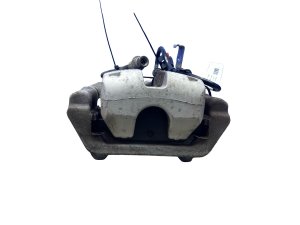
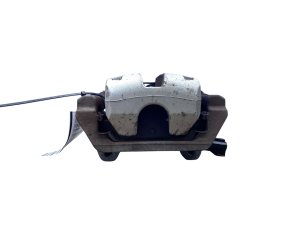
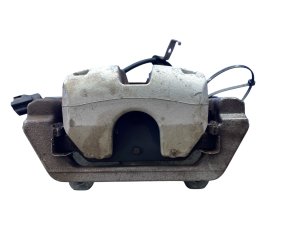
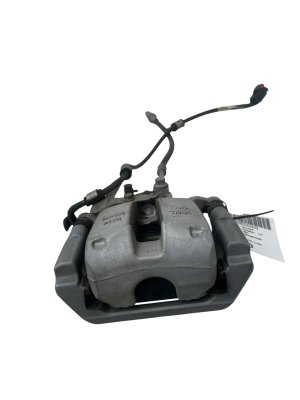
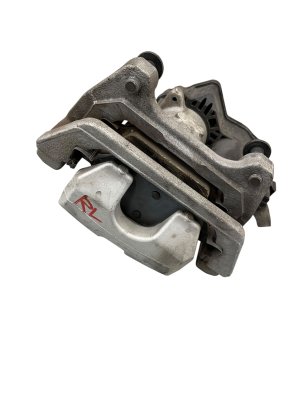
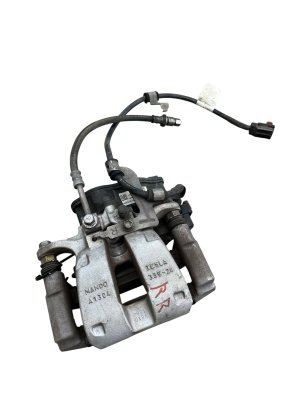
This buyer's guide covers the standard, non-painted (gray) brake calipers fitted to most 2017-2026 Tesla Model 3 and 2020-2025 Tesla Model Y vehicles. These calipers are found on Standard Range, Long Range, and All-Wheel Drive (non-Performance) trims.
Warning: These standard gray calipers will NOT fit Model 3 or Model Y Performance models. Performance trims are equipped with larger, red-painted Brembo brake calipers that are not interchangeable with the standard gray units. Before purchasing, always verify which brake system your vehicle has.
There is one notable exception: some early 2018-2019 Model 3 "Stealth" Performance vehicles were built with the standard gray calipers instead of the red Performance brakes. If you own a Performance model from this period, visually inspect your calipers to confirm they are the standard gray type before ordering a replacement.
Symptoms of a Failing Brake Caliper

A failing brake caliper can compromise safety and lead to more expensive repairs if ignored. Common symptoms include:
- Vehicle Pulling to One Side: When a caliper piston or its guide pins seize, it can cause the brake on that wheel to either remain partially applied or not apply with enough force. This creates an imbalance that pulls the car to the left or right during braking.
- Abnormal Noises: A high-pitched squeal or a grinding sound can occur if a stuck caliper causes the brake pad to maintain constant contact with the rotor. A clunking noise when first moving the car after it has been parked, especially in wet conditions, can indicate the brake pads have rusted to the rotors.
- Brake Fluid Leaks: You may notice fluid around the wheel or on the inner side of the tire. Leaks can occur from a deteriorating piston seal or a loose bleeder screw, leading to a loss of hydraulic pressure.
- Spongy or Soft Brake Pedal: A fluid leak or a seized caliper slide can create excess travel in the system, making the brake pedal feel soft and reducing braking confidence.
- Uneven Brake Pad Wear: A sticking caliper will cause the brake pads on one wheel to wear down much faster than the others.
- Burning Smell or Excessive Heat: A caliper that fails to release will cause constant friction, generating a noticeable burning smell and excessive heat from the affected wheel.
Tesla-Specific Issues
Because Teslas rely heavily on regenerative braking, the friction brakes are used infrequently. This lack of use, especially in regions with road salt and high humidity, can lead to guide pins seizing and calipers sticking. Owners report a "clunk" as the pads break free from the rotor after being parked. Regular cleaning and lubrication are essential to prevent this.
🎬 Watch: How to clean and lubricate seized caliper pinsKnown Issues, Recalls, and Service Bulletins

NHTSA Recall 21V-387: Loose Brake Caliper Bolts
In May 2021, Tesla issued a recall for approximately 5,974 vehicles, including certain 2019-2021 Model 3 and 2020-2021 Model Y cars, due to improperly torqued brake caliper bolts. The recall, also identified by Tesla as SB-21-33-002, addresses a risk where the bolts could loosen over time, potentially allowing the caliper to separate from the knuckle and contact the inside of the wheel rim. This could cause abnormal noise and, in rare cases, lead to a loss of tire pressure, increasing the risk of a crash. Tesla Service Centers were instructed to inspect the caliper bolts and tighten them to the correct specification free of charge.
Buying a Used Disc Brake Caliper: What to Inspect

A used OEM caliper can be a reliable and cost-effective alternative to a new part, provided you inspect it carefully. Here’s what to look for:
- Piston Boot Condition: The rubber boot around the caliper piston is crucial. Ensure it is not torn, cracked, or brittle. A damaged boot allows moisture and debris to enter, causing the piston to corrode and seize.
- Bleeder Screw: Check that the bleeder screw is not broken off, stripped, or seized. A damaged bleeder screw will make it impossible to properly bleed the brake system after installation.
- Guide Pin Slides: The caliper must slide freely on its guide pins. If the caliper includes the mounting bracket, test this movement. If the pins are stiff or seized, they will need to be cleaned and lubricated, or potentially replaced. Seized pins are a very common failure point.
- Absence of Leaks: Inspect the area around the piston boot and the banjo bolt connection for any signs of brake fluid residue. A clean, dry caliper is essential.
- Corrosion Level: Light surface rust is normal, but avoid calipers with heavy, flaking rust, especially around the piston, guide pins, and banjo bolt threads. Calipers from dry, southern climates are often in better condition.
- Electronic Parking Brake (EPB) Motor (Rear Calipers): For rear calipers, visually inspect the black plastic EPB motor housing for cracks or damage. Ensure the electrical connector is intact and its pins are not corroded.
- Banjo Bolt Threads: Check that the threads for the brake hose banjo bolt are clean and undamaged. Cross-threading this connection will cause a dangerous fluid leak.
Replacement Overview & Difficulty
- Difficulty Rating: 3/5 (Moderate)
- Estimated Time: 1-2 hours per caliper
- DIY Feasible: Yes, for those with mechanical experience.
Replacing a brake caliper is a job an experienced DIYer can handle, but it is critical to follow the correct procedure, especially for the rear calipers.
CRITICAL: Engage Brake Service Mode. Before working on the rear calipers, you MUST put the system into "Brake Service Mode" via the vehicle's touchscreen (Software > Service > Brake Service Mode). This retracts the electronic parking brake piston. Failure to do this before trying to compress the piston will permanently damage the EPB motor, requiring a new caliper. Forgetting this step is a costly mistake.
🎬 See how to access the secret Brake Service Mode menuGeneral Steps:
- Engage Brake Service Mode (for rear calipers).
- Safely lift the vehicle and remove the wheel.
- Remove the two bolts holding the caliper bracket to the steering knuckle.
- Carefully unbolt the brake line banjo bolt, having a catch pan ready for dripping fluid. Use new copper crush washers on reassembly.
- Install the new caliper, torquing all bolts to specification. The caliper-to-knuckle bolts for the rear are torqued to 83 Nm.
- Bleed the brake system at the new caliper to remove all air from the lines.
- Exit Brake Service Mode and perform a brake burnishing procedure if recommended by the service manual. 🎬 Watch this complete front and rear brake service walkthrough
Cost Comparison: New vs. Used
Prices can vary based on location and whether you are purchasing a front or rear caliper (rears with the EPB motor are typically more expensive).
| Part Type | Estimated Cost (per caliper) |
|---|---|
| New OEM (Tesla) | $300 - $550 |
| New Aftermarket | $100 - $250 |
| Remanufactured | $90 - $150 (plus core charge) |
| Used OEM | $75 - $200 |
| Shop Labor | $150 - $300 per caliper |
Note: A Reddit user reported a quote of $1100 CAD (approx. $800 USD) from Tesla to replace all four calipers.
OEM Part Numbers
The following part numbers are associated with the standard gray calipers for the Model 3 and Model Y. Revisions (e.g., -E, -F, -G) are common, and later versions are generally interchangeable with earlier ones.
| Position | Part Number(s) |
|---|---|
| Front Left | 1044621-00-D, 1044621-00-E |
| Front Right | 1044622-00-E |
| Rear Left | 1044623-00-F, 1044623-00-G, 1044623-00-H, 1044623-00-I, 1044623-00-J, 1044623-97-F |
| Rear Right | 1044624-00-F, 1044624-00-G, 1044624-00-H, 1044624-00-I, 1044624-00-J |
| Front (Unspecified) | 1044611-00-E |
Frequently Asked Questions (FAQ)
Do I need to replace brake calipers in pairs?
No, it is not required to replace calipers in pairs (left and right). You can replace only the failing caliper. However, if one has failed due to age or corrosion, it's wise to inspect the other side carefully, as it may be near the end of its service life as well.
What is "Brake Service Mode" and why is it so important?
Brake Service Mode is a software function in your Tesla's service menu that fully retracts the electronic parking brake (EPB) motor inside the rear calipers. You must activate this before attempting to push the rear caliper piston back. If you try to compress the piston without activating this mode, you will break the internal EPB mechanism, ruining the caliper.
Can I upgrade my standard gray brakes to the red Performance brakes?
Yes, it is possible to upgrade, but it is not a simple caliper swap. You will need the larger Performance calipers, larger brake rotors, and potentially different dust shields and mounting hardware. It is a popular but involved modification.
My brakes feel "sticky" or make a "clunk" sound when I first drive. Is the caliper bad?
Not necessarily. Because Teslas use their friction brakes so little, a thin layer of rust can form on the rotors after washing the car or sitting in the rain. This can cause the pads to stick to the rotors, resulting in a "clunk" when they break free. This is common and can often be prevented by performing a few firm stops to dry the brakes before parking. However, if the caliper guide pins are seizing, it can cause a similar dragging sensation and requires service.
Helpful Videos
Technical Specifications
OEM Part Numbers: 1044611-00-E 1044621-00-D 1044621-00-E 1044622-00-E 1044623-00-F 1044623-00-G 1044623-00-H 1044623-00-I 1044623-00-J 1044623-97-F 1044624-00-F 1044624-00-G 1044624-00-H 1044624-00-I 1044624-00-J
Rear Caliper to Knuckle Bolt Torque: 83 Nm. Front Caliper to Knuckle Bolt Torque: 94 Nm.
We Have This Part in Stock

The information in this article is provided for general reference and educational purposes only. Vehicle specifications, procedures, and part compatibility can vary by production date, trim level, and region. Always consult your vehicle's factory service manual and verify part numbers before purchasing or performing repairs. Safety-critical components such as airbags, seat belts, and braking systems should be installed by a qualified professional.
- Tesla Model 3:
- Tesla Model Y:
- 🎬 Helpful Videos
- 🛍️ Shop This Part
- Critical Compatibility Warning: Standard vs. Performance Models
- Symptoms of a Failing Brake Caliper
- Tesla-Specific Issues
- Known Issues, Recalls, and Service Bulletins
- NHTSA Recall 21V-387: Loose Brake Caliper Bolts
- Buying a Used Disc Brake Caliper: What to Inspect
- Replacement Overview & Difficulty
- Cost Comparison: New vs. Used
- OEM Part Numbers
- Frequently Asked Questions (FAQ)
- 🎟️ Get 5% Off