

1990 Subaru Legacy Front Brake Caliper: Navigating the Early Production Split
This guide covers the critical compatibility warnings, failure symptoms, and inspection points for the 1990 Subaru Legacy front left disc brake caliper.
- Compatibility is critical: This front-left caliper is for non-turbo 1990 Legacy models built on or before December 31, 1989. Always verify your car's production date.
- The most common failure is seizing due to corroded slide pins or a stuck piston, especially in areas with road salt.
- Key symptoms of failure include the car pulling to one side, a hot wheel with a burning smell, and rapid, uneven brake pad wear.
- When buying a used caliper, the most important inspection is the rubber piston boot; if it's torn, do not buy it as the piston is likely corroded.
Critical Compatibility Warnings for the 1990 Subaru Legacy
The single most important factor when sourcing a front brake caliper for a 1990 Subaru Legacy is confirming your vehicle's specific build details. Failure to do so will likely result in buying an incompatible part.
Production Date Split: This front left (driver-side) caliper fits 1990 Subaru Legacy models manufactured on or before December 31, 1989. Subaru made mid-year changes to its brake components, so it is essential to verify your vehicle's production date, typically found on a sticker in the driver's side door jamb.
- Position: This guide and its associated part numbers refer specifically to the Front Left (Driver Side) caliper.
- Engine Type: This caliper is for non-turbo models. The turbo models (e.g., Legacy SS) used a different, larger brake setup.
Symptoms of a Failing Brake Caliper
Caliper failure on a 1990 Legacy is almost always due to it becoming seized or stuck, rather than a sudden break. This happens gradually and presents several distinct symptoms.
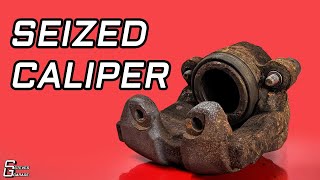
🎬 Watch: How to diagnose a seized brake caliper- Vehicle Pulls to One Side: If the caliper is seized and constantly applying pressure, the car will pull towards the affected side while driving. Conversely, if the caliper is stuck and not applying pressure correctly, the car may pull to the opposite side when you brake because that wheel is doing all the work.
- Burning Smell: A sharp, acrid burning smell coming from one wheel after a drive is a classic sign of a dragging brake. This is the brake pad material overheating from constant friction against the rotor.
- Excessive Heat from One Wheel: After driving, carefully approach the wheel and feel for heat. A wheel with a seized caliper will be significantly hotter than the others. You can use an infrared thermometer for a more precise measurement.
- Uneven Brake Pad Wear: A clear sign of a seized caliper is discovered during a brake job. The brake pads from the faulty caliper will be dramatically more worn than the pads on the other side. Often, if the slide pins are stuck, the inner pad will be worn down to the metal while the outer pad looks nearly new.
- Sluggish Performance & Poor Fuel Economy: The car may feel slow or like it's struggling to accelerate, as if the parking brake is partially on. This constant resistance forces the engine to work harder, reducing gas mileage.
- Squealing or Grinding Noises: Persistent metallic sounds can indicate a caliper that isn't retracting properly, causing the pads to stay in contact with the rotor.
Known Issues for This Vehicle
For a vehicle of this era, problems are typically related to age and environmental exposure, especially corrosion. There are no specific recalls or Technical Service Bulletins (TSBs) from Subaru for the calipers on the 1990 Legacy. However, owner forums and mechanic experience point to a very common failure pattern.
Seized Caliper Slide Pins and Pistons
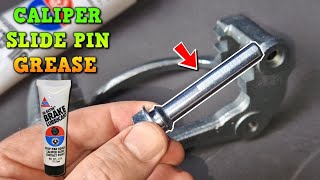
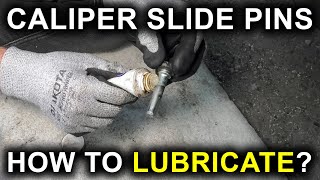
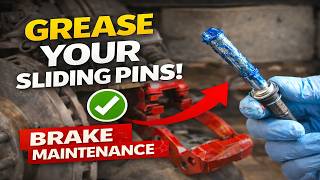
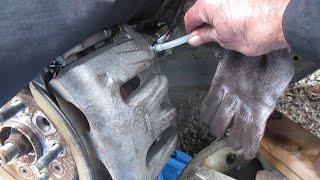
The floating caliper design relies on two lubricated metal guide pins that allow the caliper to slide back and forth. Over time, the rubber boots protecting these pins tear, allowing water and road salt to enter. This contamination washes away the grease and causes the pins to rust and seize within the caliper bracket. 🎬 See how to grease brake caliper pins properly When this happens, the caliper can no longer slide, causing it to bind and apply pressure unevenly, leading to rapid pad wear on one side. Similarly, the main caliper piston's dust boot can tear, causing the piston itself to corrode and stick in its bore. This is a very common failure in regions that use road salt in the winter.
Pro Tip: When replacing a caliper, it is highly recommended to also replace the flexible rubber brake hose that connects to it. With age, these hoses can deteriorate internally, acting like a one-way valve that traps hydraulic pressure and keeps the caliper from releasing, mimicking the symptoms of a seized caliper.
Buying a Used Disc Brake Caliper: What to Check
A low-mileage used OEM caliper can be a reliable and cost-effective alternative to a new aftermarket part, as the original factory castings are often of higher quality. However, a thorough inspection is crucial before purchasing.
- Inspect the Piston Boot: This is the most important check. The flexible rubber boot around the piston must be fully intact, with no rips, tears, or cracks. A damaged boot means moisture has entered, and the piston is likely corroded and will seize soon. Do not buy a caliper with a compromised piston boot.
- Check the Slide Pins: If the caliper includes the mounting bracket, try to move the caliper body back and forth on the slide pins. It should move smoothly. If it's stiff or completely stuck, the pins are seized. While repairable, it indicates poor maintenance.
- Examine the Bleeder Screw: Ensure the bleeder screw is not broken off, stripped, or excessively rusted. A damaged bleeder screw will make it impossible to properly bleed the air from the brake system after installation.
- Look for Heavy Corrosion: A layer of surface rust is normal for a cast iron part of this age. However, avoid calipers with deep, flaky rust, especially around the brake line connection (banjo bolt fitting) or the mounting points.
- Verify It Includes the Bracket: Many used and remanufactured calipers are sold 'bare' without the mounting bracket. If your old bracket's slide pins are seized, you will need a replacement. Confirm what is included before you buy.
Cost Comparison
Prices for a 1990 Subaru Legacy front left brake caliper can vary significantly based on the source and condition of the part. Remanufactured calipers are the most common replacement option and require you to return your old caliper as a 'core'.
| Part Type | Estimated Price Range | Notes |
|---|---|---|
| New OEM | $240+ (if available) | Likely discontinued. Price is based on a similar, newer model year OEM part. |
| New Aftermarket | $50 - $80 | Not as common as remanufactured. Quality can vary. |
| Remanufactured | $45 - $75 (+ core charge) | The most common and widely available option from stores like AutoZone and Parts Geek. |
| Used OEM | $40 - $80 | Available from online marketplaces like eBay; condition varies widely. |
| Shop Labor | $150 - $250 | Includes installation and bleeding the brake system. |
Replacement Overview & Difficulty
Replacing a brake caliper is a moderately difficult job that can be done by a DIY mechanic with some experience. The most critical and potentially difficult part of the job is properly bleeding the brake system to remove all air bubbles.
- Difficulty: 3 out of 5
- Estimated Time: 1.5 hours per side
- Tools Needed: Jack and jack stands, lug wrench, socket set, flare nut wrench (for brake line), C-clamp or piston compressor, brake fluid, and a brake bleeding kit.
The basic steps involve safely lifting the vehicle, removing the wheel, unbolting the caliper from its mounting bracket, carefully loosening and removing the brake line (banjo bolt), installing the new caliper, and then thoroughly bleeding the brake system until no air bubbles are present in the fluid. The system must be bled to ensure a firm brake pedal and safe operation.
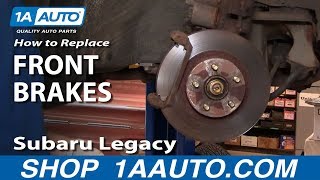
🎬 Watch this step-by-step caliper replacement and bleeding guideFrequently Asked Questions (FAQ)
Do I need to replace my brake calipers in pairs?
No. Unlike brake pads and rotors, you do not need to replace calipers in pairs. You can replace only the single failed unit without affecting brake balance. However, if one side failed due to age and corrosion, the other side may be nearing the end of its life as well.
Can I just rebuild my old caliper?
Yes, caliper rebuild kits are available and inexpensive, typically containing a new piston seal and dust boot. However, rebuilding requires completely disassembling the caliper, honing the cylinder bore to remove corrosion, and carefully re-installing the piston, which can be difficult and requires special tools. For most DIY mechanics, replacing the entire unit with a quality remanufactured caliper is faster and more reliable.
What is a 'core charge'?
When you buy a remanufactured caliper, you will usually pay an extra fee called a core charge, typically $30 to $80. This charge is refunded to you when you return your old, failed caliper to the parts store. This allows the manufacturer to rebuild your old part and keep the cycle going.
Should I also replace the brake pads and rotor?
Almost always, yes. A seized caliper generates extreme heat that can damage the brake rotor (causing warping or scoring) and will have caused severe, uneven wear on the brake pads. Installing a new caliper with a worn or damaged rotor and pads will lead to poor performance and noise. Plan on replacing the caliper, rotor, and pads on that wheel at the same time.
Helpful Videos
Technical Specifications
OEM Part Numbers: 13294AA012 26291AA010 26291AA010R1 26291AA011 26291AA031 26291AA051
Position: Front Left (Driver Side), Type: Single-piston floating caliper, Piston Material: Steel, Casting Material: Cast Iron. Fits non-turbo models only.
We Have This Part in Stock


The information in this article is provided for general reference and educational purposes only. Vehicle specifications, procedures, and part compatibility can vary by production date, trim level, and region. Always consult your vehicle's factory service manual and verify part numbers before purchasing or performing repairs. Safety-critical components such as airbags, seat belts, and braking systems should be installed by a qualified professional.
- Subaru Legacy:
- 🎬 Helpful Videos
- 🛍️ Shop This Part
- Critical Compatibility Warnings for the 1990 Subaru Legacy
- Symptoms of a Failing Brake Caliper
- Known Issues for This Vehicle
- Seized Caliper Slide Pins and Pistons
- Buying a Used Disc Brake Caliper: What to Check
- Cost Comparison
- Replacement Overview & Difficulty
- Frequently Asked Questions (FAQ)
- 🎟️ Get 5% Off