

2003 Porsche Cayenne: Solving the '4-Wheel Drive System Faulty' Warning
This guide explains how to diagnose and fix the common '4-Wheel Drive System Faulty' message, focusing on the Differential Control Module and related parts.
- A replacement Differential (Transfer Case) Control Module MUST be programmed to the vehicle's VIN by a dealer or specialist with a PIWIS tool.
- The most common symptom, the '4-Wheel Drive System Faulty' warning, can also be caused by a weak battery or a failed transfer case servo motor.
- Always diagnose in order: 1) Test the battery, 2) Inspect the servo motor and its connector, 3) Scan for codes before condemning the control module.
- The module is located under the front passenger seat and is susceptible to water damage from clogged drains.
Symptoms of a Failing Differential Control Module
A problem with the Differential Control Module in a 2003 Cayenne almost always starts with a dashboard warning. Understanding the specific symptoms is key to a correct diagnosis.
- "4-Wheel Drive System Faulty" Message: This is the most common symptom. A yellow warning message will appear in the instrument cluster, indicating the AWD system has detected a problem. This message can appear intermittently at first, often during startup, and may go away after restarting the vehicle.
- "PSM Failure" Message: Because the Porsche Stability Management (PSM) system relies on the AWD system to function correctly, a fault in the TCCM can often trigger a simultaneous PSM warning light.
- Clunking or Binding at Low Speeds: You might hear or feel clunking, thudding, or a binding sensation from the drivetrain during slow-speed turns, like in a parking lot. This can happen if the control module is incorrectly locking the center differential.
- Inability to Switch Drive Modes: The switches on the center console for selecting low-range or locking the differential may become unresponsive. In some cases, the vehicle can even become stuck in low-range.
Common OBD-II Fault Codes
A professional scan tool like the Porsche PIWIS Tester is needed for a full diagnosis, but some common codes associated with the transfer case system include:
- Fault Code 0532: This code points to a problem with the voltage supply to the control module. It can be triggered by a weak battery, a failing alternator, or a bad fuse (specifically fuse #57 in the dashboard fuse panel).
- Servo Motor Potentiometer Codes: Faults related to the servo motor's internal position sensors (potentiometers) often point to a failure of the motor itself, not the control module.
Pro Tip: Before suspecting the control module, always test the battery. A weak battery that drops below 8-9 volts during engine cranking is a very common cause of the "4-Wheel Drive System Faulty" message on first-generation Cayennes.
Diagnosing the Real Problem: Module vs. Servo Motor
The symptoms for a bad control module are nearly identical to those of a failing transfer case servo motor. The servo motor is an electric motor mounted on the transfer case that physically makes the adjustments instructed by the control module. It is a very common failure point.
- Check the Battery First: As mentioned, ensure your battery is healthy and fully charged. A simple voltage test during startup can save you hundreds of dollars in unnecessary parts.
- Inspect the Servo Motor Connector: The servo motor is located on the side of the transfer case, underneath the vehicle. Its electrical connector is susceptible to moisture and corrosion, which can interrupt the signal from the control module. Unplug it and check for any green or white corrosion on the pins. Cleaning the connector may resolve the issue.
- Scan for Specific Codes: A Porsche-specific scanner can often tell you if the fault lies with the module's power supply, the module itself, or the servo motor's internal sensors.
- Consider the Servo Motor: If the battery is good and the connector is clean, the servo motor is the next most likely culprit. The plastic gear inside the motor is known to wear out and fail.
Buying a Used Differential Control Module
If you've ruled out the battery and servo motor, replacing the control module is the next step. Buying a used OEM module is a cost-effective option, but there are critical factors to consider.
- Programming is Required: This is not a plug-and-play part. A replacement module, whether new or used, must be programmed (or 'coded') to your vehicle's VIN. Failure to do this will result in the module not working correctly. This procedure requires a dealer or an independent Porsche specialist with a PIWIS Tester. Do not purchase a used module unless you have a plan for getting it programmed.
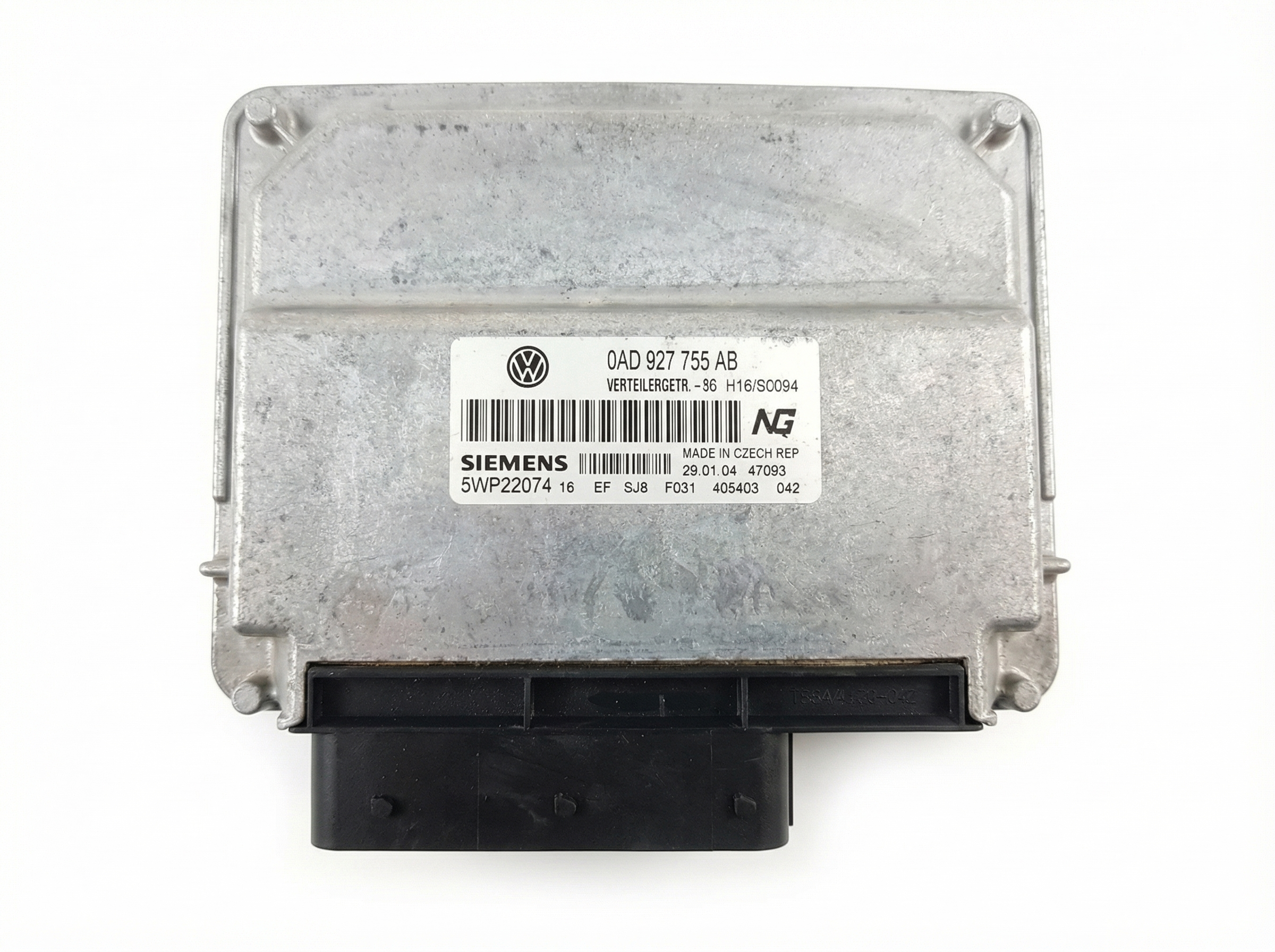
- Match Part Numbers: The original part numbers for the 2003 Cayenne are 95561802400, 95561802401, 95561802402, and 95561802403. These are generally interchangeable, with the higher number representing a later, potentially improved, revision. Always try to get the newest version available (ending in 03).
- Inspect for Water Damage: The module is located under the front passenger seat. This area is prone to water damage if the sunroof or cowl drains get clogged. Before buying a used module, inspect it carefully for any signs of corrosion on the case or pins. Ask the seller if the donor vehicle had any water intrusion.
- Why Used OEM is a Good Choice: For an electronic module like this, a used OEM part that has been tested and comes from a reputable seller is often more reliable than a new, unbranded aftermarket part. The OEM hardware and software are designed specifically for the Cayenne's complex systems.
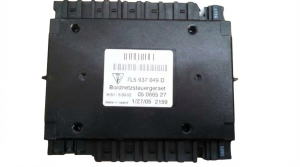
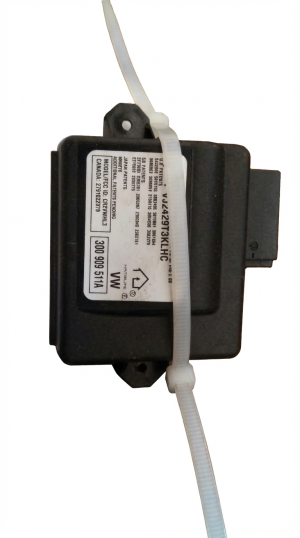
Warning: The control module is located in a black plastic housing under the front passenger seat, often alongside the transmission control module. Ensure you are replacing the correct unit. The connectors are keyed differently to prevent mistakes.
Replacement and Programming Walkthrough
The physical replacement is straightforward for a DIY mechanic, but the final programming step is not.
- Disconnect the Battery: Before working on any electronic modules, disconnect the negative battery terminal. The battery is located under the driver's seat.
- Access the Module: Move the front passenger seat all the way forward and up. Remove the four triple-square bolts holding the seat rails to the floor. Tilt the entire seat backward to gain access to the floor underneath.
- Open the Housing: Unclip the black plastic housing cover to reveal the control modules. The Transfer Case Control Module is typically the one on the bottom.
- Swap the Module: Disconnect the electrical connectors (they have locking tabs) and unclip the old module from the housing. Clip the replacement module in and reconnect the connectors.
- Reassemble and Program: Reassemble everything in reverse order. The vehicle may or may not function correctly at this point. It must be taken to a shop with a PIWIS Tester to have the module coded to the car.
Cost Breakdown
Prices can vary, but here is a general estimate for resolving this issue.
| Part or Service | Estimated Cost |
|---|---|
| New OEM Module (Part Only) | $450 - $700 |
| Used OEM Module (Part Only) | $75 - $200 |
| Remanufactured Module | Not commonly available |
| Shop Labor (Physical Swap) | $100 - $200 (approx. 1 hour) |
| Shop Labor (Programming) | $150 - $350 (1-2 hours at dealer/specialist rates) |
Frequently Asked Questions
Can I drive my Cayenne with a "4-Wheel Drive System Faulty" warning?
Yes, but with limitations. When this fault is active, the all-wheel-drive system typically defaults to a fixed power split (often rear-wheel drive biased) and the stability control (PSM) may be disabled. The vehicle is drivable, but traction will be reduced on slippery surfaces, and the active safety systems will not function as designed. It is not recommended to drive in snow, ice, or heavy rain.
Do I really need to program a replacement module?
Yes. Overwhelming evidence from repair shops, parts sellers, and owner forums indicates that coding is necessary to sync the module with the vehicle's VIN and other systems. While there is isolated information to the contrary, attempting to use an uncoded module will likely fail and is not recommended.
How can I be sure it's the module and not the transfer case servo motor?
Without a Porsche-specific scan tool, it's difficult to be 100% certain. However, a good first step is checking the servo motor's electrical plug for corrosion. Given that the servo motor is a more frequent failure point and often less expensive than the module plus programming, many owners choose to replace the servo motor first as a diagnostic step. If a new servo motor doesn't fix the problem, the module is the next logical culprit.
Where is the Transfer Case Control Module located?
On a left-hand-drive 2003 Porsche Cayenne, the module is located under the front passenger's seat inside a black plastic protective case. You must unbolt and tilt the seat back to access it.
Technical Specifications
OEM Part Numbers: 95561802400 95561802401 95561802402 95561802403
Location: Under front passenger seat (LHD models). Requires vehicle-specific programming after installation.
We Have This Part in Stock




The information in this article is provided for general reference and educational purposes only. Vehicle specifications, procedures, and part compatibility can vary by production date, trim level, and region. Always consult your vehicle's factory service manual and verify part numbers before purchasing or performing repairs. Safety-critical components such as airbags, seat belts, and braking systems should be installed by a qualified professional.
- Porsche Cayenne: