

2013-2017 Mazda CX-5 & CX-9 Rear Differential: Noises, Leaks, and Replacement Guide
A complete guide to diagnosing and replacing the rear differential carrier assembly in AWD 2013-2016 Mazda CX-5 and 2016-2017 Mazda CX-9 models.
- The most common failure symptom is a whining noise from the rear that gets louder with vehicle speed.
- This part is for AWD models only. Mazda updated the design in late 2015 to improve reliability, so a part from a 2016+ vehicle is preferred.
- After installation, the AWD control module must be calibrated to the new differential to ensure proper function.
- Buying a used OEM assembly can save thousands compared to a new part from the dealer, which can cost over $5,000.
Symptoms of a Failing Rear Differential Carrier

A failing rear differential in your Mazda CX-5 or CX-9 will almost always give you audible warnings. Ignoring these signs can lead to a complete failure, which could cause the rear wheels to lock up while driving.
Whining or Howling Noise at Speed
The most common symptom is a whining or howling noise coming from the rear of the vehicle. This noise typically starts at speeds above 10 mph and gets louder as your speed increases. It's often caused by worn-out bearings or gears inside the differential. The sound is directly related to vehicle speed, not engine RPM, and will be present whether you are accelerating, decelerating, or cruising at a steady speed. 🎬 Watch: Diagnose this common Mazda whine and growl noise Some owners describe it as a whirring or rhythmic grinding noise that changes with speed.
Clunking or Knocking Noises
A loud clunk or knock from the rear when shifting into gear, accelerating from a stop, or during low-speed turns can indicate a problem. This sound may point to excessive play in the differential gears or, in some cases, a failing differential mount. One owner described the sound as if someone hit the car with a baseball bat. This can be especially noticeable when the AWD system engages in low-traction situations.
Grinding or Growling During Turns
If you hear a grinding or growling sound specifically when making turns, it's a strong sign that the gears inside the differential are damaged. The differential works hardest during turns, and worn gears will protest loudly.
Fluid Leaks
Visible puddles of oily fluid under the rear of your vehicle are a serious warning sign. The differential is a sealed unit, and any leak means it's losing the vital gear oil that lubricates and cools the internal components. Leaks often occur at the axle seals or the pinion seal (where the driveshaft connects). If you notice a leak, the fluid level is likely low, which accelerates wear and can lead to catastrophic failure.
Known Issues, TSBs, and Recalls

While there are no formal recalls for this specific part on these models, Mazda has issued Technical Service Bulletins (TSBs) related to rear differential noises and problems.
- TSB 02-015/16: This TSB applies to 2013-2016 CX-5 AWD vehicles produced before August 1, 2016. It addresses a knocking noise from the rear caused by cracks in the rear differential mount bracket.
- Rattle/Chatter Noise TSB: An earlier bulletin for the 2013-2016 CX-5 addresses a chattering or rattling noise at low speeds (3-6 mph) caused by a rear differential bearing failure. Mazda implemented production changes to fix this, including an improved assembly process and a redesigned coupling unit housing. 🎬 Listen: Hear the rear differential rattle and chatter noise
- Updated Design: Mazda modified the rear differential front housing in production starting in October 2015 to address bearing failures. Vehicles built after this date have a more robust design. When buying a used part, one from a later 2016 model is preferable.
Compatibility Warning: This rear differential carrier assembly is ONLY for All-Wheel Drive (AWD) models of the 2013-2016 Mazda CX-5 and 2016-2017 Mazda CX-9. It will not fit Front-Wheel Drive (FWD) vehicles.
Diagnosing the Problem

If you suspect a differential problem, a few diagnostic steps can help confirm it before you buy parts.
- The Road Test: Drive the vehicle and listen for the specific noises described above. Note when they occur (acceleration, deceleration, turning, specific speeds). A whining noise that changes with vehicle speed but not engine speed is a classic differential symptom.
- Check the Fluid: With the vehicle on a level surface, remove the fill plug on the differential case. The fluid level should be right up to the bottom of the plug hole. If it's low, there's a leak. More importantly, check the fluid's condition. If the fluid is dark gray or silver, it contains fine metal particles from excessive gear and bearing wear. Large metal chunks are a sign of severe failure.
- Visual Inspection: Look for signs of fluid leaks around the axle seals and the front pinion seal. Also, inspect the differential mount for cracks or damage, which can cause clunking noises as noted in TSB 02-015/16.
Buying a Used Differential Carrier Assembly: What to Look For

A used OEM differential is often a smart and cost-effective solution, as new units can be extremely expensive. Here’s how to choose a good one.
- Verify Part Numbers: The most reliable way to ensure compatibility is to match the part number. Known OEM part numbers are KA01-27-020, KA01-27-020A, KAT1-27-020A, and KAT1-27-020B. The 'KAT1' numbers are later revisions and may be more desirable.
- Mileage and Vehicle Year: Failures can happen at a wide range of mileages, from as low as 44,000 miles to over 100,000. Given that Mazda updated the part in late 2015, aim for a unit from a 2016 or newer vehicle if possible, as it will have the revised design that is less prone to bearing failure.
- Physical Inspection: Before buying, inspect the used unit. Check for cracks in the housing, especially around the mounting points. Look for leaks or damage at the axle and pinion seals. Grab the input flange (where the driveshaft connects) and try to turn it. It should rotate smoothly with minimal play. Any roughness or grinding indicates internal damage.
- Source and Warranty: Purchase from a reputable seller that offers a warranty. This gives you protection in case the part is defective.
Cost to Replace the Differential Carrier
Replacing the rear differential can be expensive, primarily due to the cost of a new OEM part. This makes buying a quality used OEM unit an attractive option.
| Part/Service | Estimated Cost |
|---|---|
| New OEM Part | $3,400 - $5,700 |
| Used OEM Part | $500 - $1,500 |
| Shop Labor | $1,300 - $2,500 |
| Total (with New Part) | $4,700 - $8,200+ |
| Total (with Used Part) | $1,800 - $4,000 |
Rebuilding vs. Replacing the Differential Carrier

Rebuilding a modern differential is a complex job that requires special tools and expertise to set the correct gear backlash and bearing preload. For most people, it is not a DIY-friendly task. While some shops may offer rebuilding services, the labor costs can be high. Given the availability and lower cost of complete used OEM assemblies, replacing the entire unit is almost always the more practical and economical choice.
🎬 See this step-by-step Mazda CX-5 rear differential replacement guidePro Tip: When replacing the differential, it's a good idea to replace the axle seals and pinion seal to prevent future leaks. Also, always fill the new or used unit with fresh, correct-specification fluid before driving.
Frequently Asked Questions (FAQ)
What fluid do I need for my Mazda's rear differential?
The recommended fluid is Mazda Long Life Hypoid Gear Oil SG1 or an equivalent SAE 80W-90 GL-5 gear oil. Do not use a heavier oil like 85W-140, as it may be too thick to properly lubricate the bearings. The fluid capacity is approximately 0.45 liters (0.48 US quarts) for the CX-5 and 2016-2017 CX-9, but it's best to fill until the fluid reaches the bottom of the fill hole. Some owners report needing up to 0.75 quarts to reach the fill hole.
Can I drive with a noisy differential?
It is not recommended. A noisy differential is a sign of internal damage. Continuing to drive increases the risk of a complete failure, which could cause the rear wheels to lock up, leading to a loss of vehicle control.
Do I need to program the car after replacing the differential?
Yes. After replacing the differential assembly, the characteristic value of the new coupling component must be written to the 4WD control module using a diagnostic tool like the Mazda M-MDS. Failure to do this can result in the AWD system not operating correctly and may cause premature wear on the new part.
Is a noisy rear end always the differential?
Not always, but it's a primary suspect. Similar noises can also be caused by bad wheel bearings. A key difference is that a bad wheel bearing noise will often change when you swerve or turn, while a differential noise is more consistent with straight-line speed. However, a thorough diagnosis is always recommended.
Technical Specifications and Part Numbers
| Specification | Value |
|---|---|
| Vehicle Fitment | 2013-2016 Mazda CX-5 (AWD), 2016-2017 Mazda CX-9 (AWD) |
| Required Fluid | Mazda Long Life Hypoid Gear Oil SG1 or SAE 80W-90 GL-5 |
| Fluid Capacity (Approx.) | 0.45 L (0.48 US qt) |
| Drain/Fill Plug Torque | 40-53 Nm (30-39 ft-lbf) |
| OEM Part Numbers | KA01-27-020, KA01-27-020A, KAT1-27-020A, KAT1-27-020B |
Helpful Videos

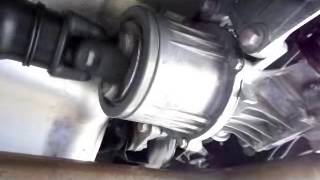
Technical Specifications
OEM Part Numbers: KA0127020 KA0127020A KAT127020A KAT127020B
Fluid Type: Mazda Long Life Hypoid Gear Oil SG1 or SAE 80W-90 GL-5. Fluid Capacity: Approx. 0.45L (0.48 qt), but fill to spill is recommended. Drain/Fill Plug Torque: 40-53 Nm (30-39 ft-lbf).
We Have This Part in Stock


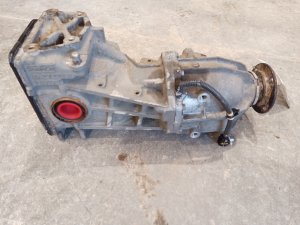



The information in this article is provided for general reference and educational purposes only. Vehicle specifications, procedures, and part compatibility can vary by production date, trim level, and region. Always consult your vehicle's factory service manual and verify part numbers before purchasing or performing repairs. Safety-critical components such as airbags, seat belts, and braking systems should be installed by a qualified professional.
- Mazda CX-5:
- Mazda CX-9:
- 🎬 Helpful Videos
- 🛍️ Shop This Part
- Symptoms of a Failing Rear Differential Carrier
- Whining or Howling Noise at Speed
- Clunking or Knocking Noises
- Grinding or Growling During Turns
- Fluid Leaks
- Known Issues, TSBs, and Recalls
- Diagnosing the Problem
- Buying a Used Differential Carrier Assembly: What to Look For
- Cost to Replace the Differential Carrier
- Rebuilding vs. Replacing the Differential Carrier
- Frequently Asked Questions (FAQ)
- Technical Specifications and Part Numbers
- 🎟️ Get 5% Off