

2011-2017 Nissan Leaf Dashboard Panel: Sun Damage, Color Matching, and Expert-Level Replacement
Learn how to inspect and correctly identify a used dashboard panel for your Nissan Leaf and understand the complex, airbag-involved replacement process.
- Dashboard replacement is an expert-level job (5/5 difficulty) due to the need to remove the passenger airbag and nearly the entire cabin interior; professional installation is strongly advised.
- Before buying a used panel, you must verify your car's interior color code (found on the driver's door jamb) to ensure a match.
- The most critical inspection point on a used dash is the passenger airbag area; any sign of prior deployment means the part is structurally unsafe and should be rejected.
- Common failures are physical (cracking, stickiness from sun damage), not electronic. Issues with gauges or screens are separate problems with components mounted within the dash.
Symptoms of a Failing Dashboard Panel
Unlike electronic components, a dashboard panel's failure is almost always physical and visible. The primary cause of failure is long-term exposure to heat and ultraviolet (UV) radiation from the sun, which degrades the plastic and vinyl materials over time. Damage can also occur from a collision, especially if the passenger airbag has deployed.
- Cracks: Fine lines or large splits may appear on the surface, typically starting around areas of stress like speaker grilles, defroster vents, or the edges of the instrument cluster hood.
- Sticky or Melting Surface: In regions with high heat and humidity, the dashboard's top layer can degrade, becoming soft, sticky, or shiny. This can create a dangerous glare on the windshield. While this was a known issue in other Nissan models like the Altima, it is not a widely reported factory defect for the Leaf.
- Warping and Discoloration: The panel may lose its original shape, pulling away from the windshield or A-pillars. Fading or dark spots are also signs of significant sun damage.
- Rattling Noises: If mounting tabs on the back of the panel break due to age, brittleness, or improper installation, the entire dashboard assembly can vibrate and rattle as you drive.
Pro Tip: Many owners confuse a failing dashboard panel with a failing instrument cluster or infotainment screen. Issues like a blank speedometer, a rebooting navigation system, or dim display lights are problems with the electronic components mounted in the dash, not the panel itself.
Known Issues, TSBs, and Recalls
As of this writing, there are no specific recalls or Technical Service Bulletins (TSBs) from Nissan for the 2011-2017 Leaf concerning a cracking, melting, or otherwise failing dashboard panel itself. Most documented electronic issues, recalls, and TSBs for this vehicle relate to the battery system, airbags, or other electronic modules, not the physical dash structure.
Buying a Used Dashboard Panel: What to Check
A used OEM dashboard is often the only cost-effective replacement option. Since aftermarket companies do not typically produce entire dash panels, your choice is between a high-priced new OEM part from a dealer or a recycled one. Here’s how to ensure you get a good one.
1. Verify the Interior Color Code
The 2011-2017 Leaf was primarily available with a Black or Gray interior. These colors are distinct, and a mismatched dash will be immediately obvious. Do not rely on photos alone. The definitive way to match the color is by checking the vehicle identification plate, located on the driver's side door jamb. On this plate, look for the 'TRIM' code. For this generation Leaf, the code for the black interior is typically 'G'.
2. Inspect for Physical Damage
- Front Surface: Look for any cracks, especially in the thin areas between vents. Check for deep scratches, discoloration, or a sticky texture.
- Airbag Area: This is a critical safety inspection. Look at the passenger side where the airbag deploys from. Check for any stress marks, discoloration, or faint outlines of the airbag door. If you see any signs that an airbag may have deployed, do not buy the part. A dash that has been through a deployment is structurally compromised.
- Mounting Points: Flip the panel over and inspect all the plastic mounting tabs, screw holes, and clips. These can become brittle and break easily during removal. A dash with multiple broken tabs will never fit securely and will likely cause persistent rattles.
3. Check the Donor Vehicle's History
If possible, get the Vehicle Identification Number (VIN) of the car the dashboard came from. This allows you to check the vehicle's history to ensure it wasn't from a flood-damaged car. Electronics and wiring harnesses that may still be attached could have hidden corrosion. A frontal collision that was severe enough to write off the car but not deploy the airbags could still have put stress on the dash structure.
Replacement Difficulty and Labor Costs
Difficulty: 5 out of 5 (Expert Level)
Replacing the dashboard panel is one of the most complex and time-consuming interior jobs on any vehicle, and the Nissan Leaf is no exception. It is not recommended as a DIY project for anyone without significant experience and a clear understanding of safety procedures, particularly concerning the airbag system.
Warning: The passenger-side airbag is mounted within the dashboard. Improper handling can lead to accidental deployment, causing serious injury or death. The 12V battery and high-voltage system must be properly disconnected before starting this job.
The replacement process requires the systematic removal of numerous other parts, including:
- A-pillar trim panels
- The entire center console and radio/infotainment unit 🎬 Watch: How to remove the radio and center console
- The instrument cluster (speedometer)
- The glove box assembly
- Steering column covers and potentially the steering wheel itself
- The passenger airbag module
- Various switches, vents, and wiring harnesses
Due to this complexity, professional installation is strongly recommended. Shop labor time is typically estimated between 8 and 12 hours.
Cost Comparison for Dashboard Replacement
The cost to replace a dashboard panel varies widely based on the price of the part and local labor rates.
| Part/Service | Estimated Cost |
|---|---|
| New OEM Panel | $1,500 - $2,500+ (dealer sourced) |
| New Aftermarket Panel | Not Generally Available |
| Used OEM Panel | $200 - $500 (depending on condition and source) |
| Shop Labor Cost | $900 - $1,500+ |
Frequently Asked Questions (FAQ)
Is a cracked or sticky dashboard a safety issue?
It can be. While a small crack is a cosmetic problem, a sticky or shiny dashboard can create a strong glare on the inside of the windshield, impairing the driver's vision. A severely warped panel could potentially interfere with airbag deployment. For these reasons, a significantly degraded dash should be addressed.
How do I find my car's interior color code?
Open the driver's door and look for the identification sticker on the door jamb area. You will see a line labeled 'TRIM' followed by a code. For the 2011-2017 Leaf, the code for the common black interior is 'G'. Always use this code to confirm a match when buying a used part.
Why is professional installation so important for a dashboard?
The main reason is safety. The passenger airbag is integrated into the dash, and mishandling it is extremely dangerous. Secondly, the sheer number of interconnected parts—from the instrument cluster to the climate control ducts—means a high risk of causing other problems like rattles, electrical faults, or non-working vents if the job isn't done in the correct sequence.
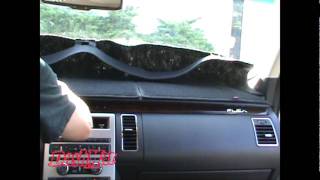
Can I just install a dash cover over my cracked dashboard? 🎬 See how to install a custom dash cover
Yes, a dash cover or mat is a popular and affordable way to hide cosmetic damage like cracks and fading. However, be aware that some covers may not fit perfectly and, most importantly, you must ensure the cover is specifically designed not to interfere with the deployment of the passenger-side airbag.
Helpful Videos

Technical Specifications
OEM Part Numbers: 68200-3NA0A 68200-3NF4B 682003NA0A 682003NF4B 67870-3NA0A 67870-3NF1A 678703NA0A 678703NF1A
Varies by trim. Main colors are Black (Trim Code: G) and Gray. Part is sold bare, without vents, switches, or instrument clusters.
We Have This Part in Stock



The information in this article is provided for general reference and educational purposes only. Vehicle specifications, procedures, and part compatibility can vary by production date, trim level, and region. Always consult your vehicle's factory service manual and verify part numbers before purchasing or performing repairs. Safety-critical components such as airbags, seat belts, and braking systems should be installed by a qualified professional.
- Nissan Leaf:
- 🎬 Helpful Videos
- 🛍️ Shop This Part
- Symptoms of a Failing Dashboard Panel
- Known Issues, TSBs, and Recalls
- Buying a Used Dashboard Panel: What to Check
- 1. Verify the Interior Color Code
- 2. Inspect for Physical Damage
- 3. Check the Donor Vehicle's History
- Replacement Difficulty and Labor Costs
- Cost Comparison for Dashboard Replacement
- Frequently Asked Questions (FAQ)
- 🎟️ Get 5% Off