

2003-2006 Kia Optima & Magentis Dashboard: Cracks, Warping, and the Critical 2006 VIN Split
This guide covers the common causes of dashboard failure, from sun damage to hidden compatibility traps, for the first-generation Kia Optima and Magentis.
- For 2006 models, compatibility is critical: this part only fits vehicles with the 5th VIN digit of 'D'. It will not fit models with an 'E'.
- The most common failures are cosmetic, like cracking and warping from sun exposure, but cracks over the airbag can be a safety concern.
- Replacement is a very difficult (5/5) job that requires removing the passenger airbag; professional installation is strongly recommended.
- Used OEM panels are the most common replacement option, but you must verify the color code (Beige 'BT' or Gray 'GJ') and inspect for hidden damage before buying.
Symptoms of a Failing Dashboard Panel
Failures of the main dashboard panel are almost always physical or cosmetic. While electronic issues can occur in the dashboard area, they are typically caused by components mounted to the panel, not the panel itself.
1. Cracking and Warping
The most common failure is cracking, warping, or developing a sticky surface. This is primarily caused by long-term exposure to heat and UV rays from the sun, which break down the plastic and vinyl materials over time. Cracks often start small and can grow, sometimes appearing near the seams of the passenger airbag cover. This is a significant concern as it could potentially interfere with the airbag's ability to deploy correctly in an accident.
2. Rattling or Squeaking Noises
As the dashboard ages, mounting points can become brittle and break, or the panel itself can warp and pull away from its fasteners. This can result in persistent rattling, squeaking, or buzzing noises from the front of the cabin, especially when driving over rough roads. These noises indicate the dashboard is no longer securely fastened to the vehicle's chassis.
3. Instrument Cluster and Electrical Issues
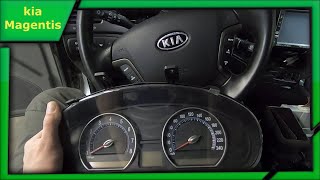
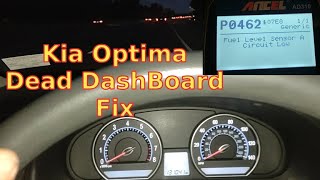
In some cases, owners may experience intermittent or total failure of the instrument cluster, with gauges suddenly dropping to zero. This is often caused by a loose connection or a failing solder joint on the instrument cluster's circuit board, a problem that can sometimes be temporarily resolved by striking the top of the dashboard. 🎬 Watch: How to fix a dead instrument cluster While not a failure of the dash panel itself, it requires removing dashboard components to access and repair the cluster. Similarly, the Body Control Module (BCM), which manages many interior electronics, is located behind the dash; troubleshooting widespread electrical gremlins may require accessing this area.
Critical Compatibility Warning for 2006 Models: Kia performed a mid-year body style change for the 2006 Optima. This dashboard panel ONLY fits 2006 models that are the first-generation body style. You MUST verify the 5th digit of your Vehicle Identification Number (VIN). This part fits if the 5th digit is 'D'. It will NOT fit if the 5th digit is 'E', which indicates the newer, second-generation platform.
Known Issues, Recalls, and Technical Service Bulletins (TSBs)
While there are no recalls for the dashboard panel itself cracking, there are important safety recalls for components located within the dashboard that you should be aware of.
NHTSA Recall 12V011000: Airbag Clock Spring
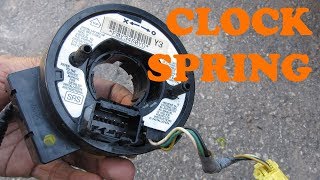
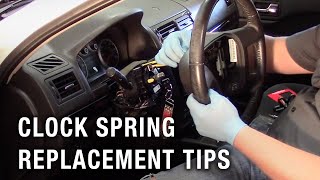
This recall affects some 2006-2008 Kia Optima models. The electrical contacts in the driver's airbag clock spring assembly can become damaged over time. This can cause the driver's airbag to fail to deploy in a crash, increasing the risk of injury. The airbag warning light will typically illuminate if this part fails. While this part is in the steering column, it is a key part of the dashboard's overall safety system.
🎬 See this step-by-step clock spring replacement guideGeneral Airbag Safety
Many vehicles from this era were affected by the massive Takata airbag recall, which involved inflators that could rupture and spray metal fragments. While the 2003-2006 Optima was not specifically listed in the initial high-risk groups, it is crucial for any owner to run their VIN through the official NHTSA recall checker (NHTSA.gov/recalls) to ensure their vehicle has no open safety recalls.
Buying a Used Dashboard Panel
Since new aftermarket dashboard panels are generally not available, your main options are an expensive new OEM part or a more affordable used OEM panel. Here’s what to look for when buying used.
- Verify Compatibility: This is the most important step. For 2003-2005 models, compatibility is straightforward. For 2006 models, you MUST confirm the VIN split (5th digit 'D'). Do not purchase a panel for a 2006 model without confirming this detail with the seller.
- Check the Color Code: These dashboards came in two primary colors: Beige and Gray. The part number will often end in a color code, such as 'BT' for Beige or 'GJ' for Gray. Check your vehicle's interior color and confirm the color of the used part. Part number 84710-3C085BT, for example, is for a beige panel.
- Inspect for Cracks and Damage: Carefully inspect all photos. Look for hairline cracks, especially around the passenger airbag outline, speaker grilles, and defroster vents. Ask the seller for pictures of the underside to check for broken mounting tabs, which are critical for a secure, rattle-free installation.
- Ask About Stickiness: Ask the seller if the surface of the dashboard feels sticky or gummy to the touch. This is a sign of advanced material degradation from heat and sun exposure and cannot be easily cleaned or repaired.
- Why Used OEM is the Best Value: A used OEM panel is often the only practical choice. It was made to Kia's original factory standards for fit and safety, unlike aftermarket dash *covers* which are merely cosmetic overlays. A good-condition used OEM dash will fit correctly and have the proper structure for airbag deployment.
Replacement Difficulty & Cost
Replacing the entire dashboard panel is a complex and time-consuming job. It is not recommended for inexperienced DIY mechanics due to the risk associated with handling the airbag system.
- Difficulty Rating: 5 out of 5.
- DIY Feasibility: Not Recommended.
- Professional Installation Required: Due to the need to safely remove and reinstall the passenger airbag module, professional installation is strongly advised. The procedure involves disconnecting the battery, removing the center console, instrument cluster, radio, glove box, A-pillar trim, and numerous hidden bolts and electrical connectors.
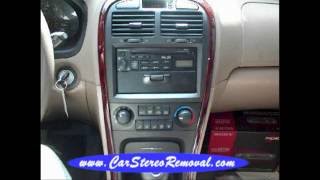
Pro Tip: If you are having the dashboard replaced, it is a cost-effective time to address other issues in that area. Consider replacing the instrument cluster bulbs, servicing a sticky HVAC blend door, or upgrading the radio, 🎬 Watch: How to remove the factory car stereo as all these components will be easily accessible with the dashboard removed.
Cost Comparison
Prices can vary by location and supplier, but this provides a general estimate.
| Part/Service | Estimated Cost |
|---|---|
| New OEM Dashboard Panel | $500 - $800+ |
| Used OEM Dashboard Panel | $150 - $400 |
| Aftermarket Dash Cover (Not a replacement) | $50 - $120 |
| Shop Labor for Replacement | $600 - $1000 (5-8 hours) |
Frequently Asked Questions (FAQ)
Can I just cover my cracked dashboard?
Yes, aftermarket dash covers or mats are an affordable cosmetic solution to hide cracks. However, they do not solve the underlying problem and do not restore structural integrity. Be extremely cautious with covers that go over the passenger airbag area, as they could interfere with its deployment.
Is a cracked dashboard a safety hazard?
It can be. Cracks, particularly those over or around the passenger airbag's designated seam, could alter how the airbag deploys in a crash. While a minor crack elsewhere is a cosmetic issue, damage to the airbag section should be taken seriously.
Why is my dashboard sticky?
The sticky or melting feeling is the result of plasticizers in the vinyl and plastic breaking down from years of exposure to heat and UV light. It's a sign of chemical degradation. Aggressive cleaning can make it worse; often, the only permanent solution is replacement.
How do I know if I have a 2006 'D' or 'E' VIN Optima?
Look at the 17-digit VIN on your driver's side door jamb sticker or at the base of the windshield. The fifth character from the left is what you need to check. This part fits 'D' and does not fit 'E'. The 'D' indicates the first-generation platform, while 'E' signifies the new second-generation platform introduced that year.
Helpful Videos
Technical Specifications
OEM Part Numbers: 64300-3C111 643003C111 847103C065BT 847103C065GJ 847103C085BT 847103C085GJ
Material: Molded Plastic/Vinyl. Colors: Beige (Interior color code BT), Gray (Interior color code GJ).
We Have This Part in Stock


The information in this article is provided for general reference and educational purposes only. Vehicle specifications, procedures, and part compatibility can vary by production date, trim level, and region. Always consult your vehicle's factory service manual and verify part numbers before purchasing or performing repairs. Safety-critical components such as airbags, seat belts, and braking systems should be installed by a qualified professional.
- Kia Optima:
- Kia Magentis:
- 🎬 Helpful Videos
- 🛍️ Shop This Part
- Symptoms of a Failing Dashboard Panel
- 1. Cracking and Warping
- 2. Rattling or Squeaking Noises
- 3. Instrument Cluster and Electrical Issues
- Known Issues, Recalls, and Technical Service Bulletins (TSBs)
- NHTSA Recall 12V011000: Airbag Clock Spring
- General Airbag Safety
- Buying a Used Dashboard Panel
- Replacement Difficulty & Cost
- Cost Comparison
- Frequently Asked Questions (FAQ)
- 🎟️ Get 5% Off