

1993-94 Explorer, Ranger, Navajo & B-Series Dashboard: Cracks, Airbags, and Replacement Guide
This definitive guide covers the common cracking issues, the critical 1993 vs. 1994 passenger airbag difference, and what to look for when replacing the dashboard panel in your Ford or Mazda truck.
- The biggest compatibility issue is the passenger airbag: 1994 models have one, 1993 models do not. The dash panels are different and do not interchange directly.
- Replacement is a massive job (5/5 difficulty) requiring removal of the steering column and nearly the entire interior. It is not a DIY-friendly task.
- A critical fire-risk recall exists for the cruise control deactivation switch on these vehicles, which can damage the dash area. Verify this repair has been done.
- The most common failure is cracking from sun exposure. Buying a used panel requires careful inspection for cracks, warping, and water damage from a leaky heater core.
Symptoms of Dashboard Panel Failure
Unlike electronic parts, a structural dashboard panel doesn't 'fail' electrically. Instead, failure is always physical damage. The symptoms are usually visible or audible.
- Cracks in the Vinyl and Plastic: This is the most common symptom. After decades of sun exposure, the vinyl and underlying plastic become brittle and shrink, leading to cracks. These often start near high-stress areas like the defroster vents on top of the dash.
- Rattling and Squeaking Noises: As the panel cracks or its mounting points break, it can lose rigidity. This allows the panel and the components attached to it to vibrate and move, creating persistent noises, especially when driving on rough roads.
- Warping and Deformation: Intense heat from the sun can cause the panel to warp over time. You might notice that trim pieces no longer fit correctly or that gaps have appeared between the dash and the A-pillars or windshield.
- Damage from Other Failures: A common issue on these older trucks is a leaking heater core. Coolant leaking from the heater core, which is located behind the dashboard, can saturate and damage the dashboard panel's structure, often causing a musty smell and wet carpets.
Pro Tip: Problems with gauges, backlighting, or warning lights are not symptoms of a bad dashboard panel. Those issues point to a failure in the instrument cluster, a separate component that bolts into the dashboard panel.
Known Issues, Recalls, and Technical Service Bulletins (TSBs)
While there are no recalls specifically for the dashboard panel cracking, several critical safety recalls involve components located within or around the dashboard for these vehicles.
CRITICAL RECALL: Cruise Control Switch Fire Hazard
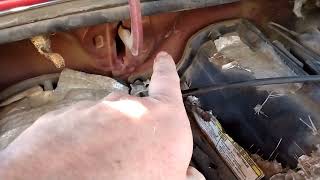
A widespread and serious recall was issued for millions of Ford vehicles, including the 1993-1994 Explorer and Ranger, for a faulty cruise control deactivation switch. This switch, mounted on the brake master cylinder, can leak brake fluid, short circuit, and cause a fire. The fire can occur even when the vehicle is turned off and parked. Any fire in the engine bay or at the firewall can easily spread to and destroy the dashboard panel.
- Vehicles Affected: Includes 1993-1994 Ford Explorer, 1993-1994 Ford Ranger.
- Warning Signs: A cruise control system that stops working, brake lights that don't function, or illuminated ABS/brake warning lights on the dash can be symptoms of this failure.
- Action: It is crucial to verify if this recall repair has been performed on your vehicle. A Ford dealership can check this for you using your Vehicle Identification Number (VIN).
Other Notable Recalls
- Master Cylinder Bolts (96V-024): Affects 1991-1994 Explorers and Rangers. The studs attaching the master cylinder to the brake booster can crack, potentially leading to a loss of brakes.
- Liftgate Bracket Welds: On 1992-1994 Explorers, the welds for the liftgate's hydraulic lift cylinders can fracture.
Buying a Used Dashboard Panel: What to Check
Since new OEM and aftermarket structural dash panels are no longer produced, a used OEM part is the only practical option. Careful inspection is key to getting a good part.
Compatibility Warning: The single most important factor is the passenger-side airbag. 1993 models did not have a passenger-side airbag. 1994 models did. A dashboard panel from a 1994 Ford Explorer, Ford Ranger, Mazda B2300, B3000, or B4000 will have a large, integrated opening and mounting structure for the passenger airbag. A panel from a 1993 Ford Explorer, Ford Ranger, or Mazda Navajo will be solid in that area. You must match the panel to your vehicle's year and original airbag equipment.
Inspection Checklist:
- Check for Cracks: Thoroughly inspect the entire top surface, especially around the thin plastic sections of the defrost vents. Also check all screw holes and mounting tabs for cracks or breaks, as these are critical for a secure, rattle-free installation.
- Look for Warping: Place the dash on a flat floor. Check if it sits level. Look down its length to spot any obvious twisting or sagging, which indicates heat damage.
- Inspect for Water Damage: Check the lower sections of the panel, particularly the cardboard-like material used for some ducting, for any staining, swelling, or musty smells. This is a clear sign the donor vehicle had a leaking heater core.
- Verify the VIN and Donor Year: Ask the seller for the VIN of the donor vehicle. This allows you to confirm the exact year (for airbag compatibility) and check its recall history.
- Why Used OEM is the Only Choice: For a structural part like this, OEM is the only option. Aftermarket companies produce dash *covers* or *caps* which are thin plastic or fabric overlays designed to hide cracks, not replace the underlying structure. A used OEM panel is the only way to restore the dashboard's structural integrity.
Replacement Difficulty & Labor Costs
Replacing the entire dashboard panel is one of the most labor-intensive repairs you can perform on a vehicle. It is not recommended for beginners.
- Difficulty Rating: 5 out of 5
- DIY Feasible: No, for most mechanics. This job requires extensive disassembly of the vehicle's interior.
- Estimated Time: 8-12 hours for a professional.
The replacement process involves, at a minimum:
- Disconnecting the battery.
- Removing the steering wheel and dropping the steering column.
- Removing all dash trim, the instrument cluster, radio, and HVAC control head.
- Disconnecting dozens of electrical connectors for lights, switches, and gauges.
- Disconnecting the main wiring harness bulkhead connector at the firewall.
- Unbolting the main dashboard support bolts at the A-pillars and firewall.
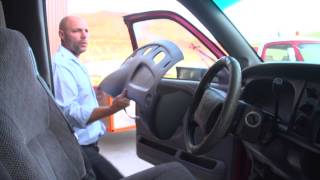
- Carefully maneuvering the entire assembly out of the vehicle. 🎬 Watch: Step-by-step dashboard removal walkthrough
Installation is the reverse of removal, with the added challenge of ensuring all electrical connections and HVAC ducts are properly reconnected.
Cost Comparison
This table breaks down the expected costs for replacing the dashboard panel. Labor is the most significant expense.
| Part Type | Estimated Cost |
|---|---|
| New OEM | Not Available |
| New Aftermarket | Not Available (Only covers/caps are made) |
| Used OEM (Salvage) | $150 - $400 |
| Shop Labor | $1000 - $1800+ |
Frequently Asked Questions (FAQ)
Will a dashboard from a 1994 Explorer fit my 1993 Ranger?
Physically, it will bolt into place, but it is not a direct fit. The 1994 dash is designed for a passenger-side airbag, which your 1993 truck does not have. You would be left with a large, empty hole in the dashboard. You must source a replacement dash from a 1993 model for a correct fit.
Can I just repair the cracks in my original dashboard?
Repairing cracks is possible using vinyl and plastic repair kits, but it is very difficult to achieve a durable, factory-looking finish. For deep structural cracks, repair is often a temporary fix as the underlying material will continue to be brittle. A much more common and easier solution is to install a molded plastic dash cap or a fabric dash mat over the original cracked dash to hide the damage.
🎬 Watch: How to install a molded dash capMy gauges and dash lights stopped working. Do I need to replace the whole dashboard?
No. The gauges, warning lights, and odometer are all part of the instrument cluster. The instrument cluster is a self-contained unit that bolts into the dashboard panel. If you have gauge or lighting problems, you likely need to repair or replace the instrument cluster, not the entire dash structure.
🎬 See how to replace the instrument clusterWhat is the difference between a dash panel, a dash cap, and a dash mat?
The dash panel is the main structural part. A dash cap or dash cover is a thin, rigid plastic shell that is glued over your existing dashboard to hide cracks. A dash mat is a fabric or carpet-like cover that simply lays on top of the dashboard to protect it from the sun and hide blemishes.
Helpful Videos

Technical Specifications
OEM Part Numbers: F37Z1004320A F37Z1004320B F37Z1004320C F37Z1004320D ZZM06035005 ZZM06035006 ZZM06035025 ZZM06035051
Material: Molded ABS plastic core with a vinyl outer skin. Key difference is the provision for a passenger-side airbag in 1994 models, which is absent in 1993 models.
We Have This Part in Stock


The information in this article is provided for general reference and educational purposes only. Vehicle specifications, procedures, and part compatibility can vary by production date, trim level, and region. Always consult your vehicle's factory service manual and verify part numbers before purchasing or performing repairs. Safety-critical components such as airbags, seat belts, and braking systems should be installed by a qualified professional.
- Ford Explorer:
- Ford Ranger:
- Mazda B2300:
- Mazda B3000:
- Mazda B4000:
- Mazda Navajo:
- 🎬 Helpful Videos
- 🛍️ Shop This Part
- Symptoms of Dashboard Panel Failure
- Known Issues, Recalls, and Technical Service Bulletins (TSBs)
- CRITICAL RECALL: Cruise Control Switch Fire Hazard
- Other Notable Recalls
- Buying a Used Dashboard Panel: What to Check
- Inspection Checklist:
- Replacement Difficulty & Labor Costs
- Cost Comparison
- Frequently Asked Questions (FAQ)
- 🎟️ Get 5% Off