

2025-2027 Audi Q6 & SQ6 e-tron Dashboard End Cap: Rattle Fixes and Trim Matching
This guide covers the common causes of dashboard end cap issues, like rattles and cosmetic damage, for the 2025-2027 Audi Q6 e-tron and SQ6 e-tron, and explains how to find a perfect used replacement.
- The most critical step when buying a replacement is to match your vehicle's interior trim code, found on the sticker in the driver's door jamb, to ensure the finish is correct.
- When buying a used part, the most important inspection point is the back of the panel; ensure all plastic mounting clips are present and unbroken, as a single broken clip can cause rattles.
- Replacement is a simple DIY task requiring only a plastic trim removal tool to gently pry the panel off.
- Rattles are the most common symptom of failure, which is especially noticeable in a quiet EV cabin.
Symptoms of Dashboard End Cap Failure
As the Audi Q6 e-tron and SQ6 e-tron are very quiet electric vehicles, small interior noises can become particularly noticeable. Failure of a dashboard end cap is typically related to physical damage or fitment issues rather than mechanical breakdown.
- Rattling or Buzzing Noises: The most common symptom is a persistent rattle, buzz, or clicking sound coming from the sides of the dashboard, especially when driving over rough pavement. This is often caused by loose or broken mounting clips, allowing the panel to vibrate against the dashboard structure.
- Poor Fit or Visible Gaps: A damaged or improperly installed end cap may not sit flush with the surrounding A-pillar and dashboard surfaces. You might notice uneven gaps, a protruding edge, or a panel that feels loose to the touch.
- Cosmetic Damage: Scratches, scuffs, or cracks are common, often caused by accidental impact, jewelry, or improper removal during previous repairs. On vehicles with special finishes like carbon fiber or aluminum, this damage can be very apparent.
- Discoloration: Although less common on newer vehicles, prolonged sun exposure could potentially cause slight discoloration over time, leading to a mismatch with the rest of the interior trim.
Known Issues, TSBs, and Recalls
As of mid-2026, there are no specific recalls, Technical Service Bulletins (TSBs), or widespread known issues directly related to the dashboard end caps for the 2025-2027 Audi Q6 e-tron or SQ6 e-tron. The vehicles are still relatively new, and such specific trim issues have not been formally documented by Audi or the NHTSA.
However, some early owners of the Q6 and SQ6 e-tron platform have reported various interior rattles and build quality concerns. While these complaints are not specific to the end caps, they highlight the potential for trim pieces to become sources of noise. One owner on a forum noted a buzzing rattle that was eventually traced to a defective center vent, which required taking the dash apart to fix. Another owner complained about a cheap-feeling hard plastic lid on the dash that creaks and rattles. These experiences suggest that diagnosing a dash rattle requires careful inspection of all trim components, including the end caps.
Several recalls have been issued for the 2025 Q6 and SQ6 e-tron for issues related to the rearview camera and rear seat belts, but none affect the dashboard trim.
Pro Tip: If you hear a rattle from the side of the dash, try gently pressing on the end cap panel while driving to see if the noise stops. If it does, the end cap or its mounting clips are the likely culprit.
Buying a Used Dashboard End Cap
Since these are cosmetic parts, buying a quality used OEM end cap is a smart way to save money. Aftermarket options are virtually nonexistent for such a new and specific trim piece, and if they were available, they would likely suffer from poor fit and finish. Here’s what to look for when inspecting a used part:
1. Verify Your Interior Trim Code
This is the most critical step. The Q6 and SQ6 e-tron are offered with various interior trim finishes, including different types of wood, aluminum, and carbon fiber. These end caps must match the main trim inlays on your dashboard. You cannot simply buy any end cap; it must be for the correct trim package.
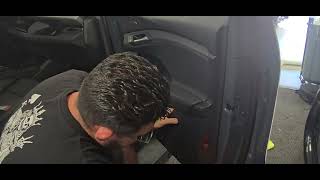
- Location of the Trim Code: The interior trim code is found on the vehicle identification sticker. On most modern Audis, this sticker is located in the driver's side door jamb 🎬 Watch: How to remove the door panel or sometimes in the trunk area near the spare tire.
- Matching the Part: When buying a used part, provide the seller with your vehicle's VIN or the specific interior trim code to guarantee a match. Do not rely on photos alone, as lighting can be deceptive.
2. Inspect All Mounting Tabs and Clips
The biggest weakness of any used plastic trim part is the mounting hardware. These end caps are held in place by several plastic clips that can easily break during removal.
- Carefully examine the back of the panel. Ensure all clips and tabs are present, intact, and free of stress marks (thin white lines in the plastic that indicate it has been bent).
- A single broken clip can cause the panel to fit loosely and rattle. If a clip is missing, the part is effectively useless unless you can transfer a clip from your old panel, which is often not possible.
3. Check for Cosmetic Flaws
- Surface Scratches: Look for deep scratches or gouges that have gone through the finish. Minor scuffs may be acceptable, but deep damage cannot be easily repaired.
- Clear Coat Condition (if applicable): For finishes like carbon fiber or wood, check that the clear coat is not peeling, yellowing, or hazy.
- No Previous Repairs: Avoid parts that show signs of glue, epoxy, or other attempts to fix broken tabs. These repairs rarely hold up over time.
Replacement Procedure Overview
Replacing the dashboard end cap is a straightforward process that most DIYers can handle. The part is designed to be removed for service access.
- Open the corresponding front door to gain full access to the end cap.
- Use a plastic trim removal tool. Never use a metal screwdriver, as it will damage the soft-touch dashboard and the end cap itself. Trim removal tool sets are inexpensive and essential for any interior work.
- Gently pry the panel off. Start at an edge and carefully insert the trim tool to release the first clip. Work your way around the panel, releasing each clip one by one. You may hear loud popping sounds as the clips release; this is normal for a part being removed for the first time.
- Installation: To install the new panel, simply align the clips with their corresponding holes in the dashboard structure and press firmly and evenly until all clips snap into place. Ensure the panel is seated flush with all surrounding surfaces.
Warning: Be gentle and apply steady pressure when prying. The mounting clips are made of plastic and can become brittle with age or break if forced.
Cost Comparison
Prices for these trim panels can vary significantly based on the interior finish (e.g., standard plastic vs. carbon fiber). The following are estimates as of mid-2026.
| Part Type | Estimated Cost (per side) |
|---|---|
| New OEM | $150 - $400+ (depending on trim finish) |
| New Aftermarket | Not available |
| Used OEM | $50 - $200 |
| Shop Labor | $50 - $100 |
Frequently Asked Questions (FAQ)
Are the driver and passenger side dashboard end caps interchangeable?
No, they are not. The driver's side (left) and passenger's side (right) end caps are mirror images of each other and have unique part numbers. You must purchase the correct part for the side you are replacing.
My end cap is rattling. Does it need to be replaced?
Not necessarily. The rattle could be from a clip that has simply come loose. Try removing the panel and reinstalling it, making sure all clips are securely engaged. If a clip is broken, you can sometimes fix the rattle by applying felt tape to the contact points, but replacement is the only permanent solution.
How do I find my car's interior trim code to ensure I buy the right part?
The interior trim code is located on the vehicle's production sticker, which is typically found in the driver's side door jamb. It will be a short alphanumeric code. If you cannot find it, an Audi dealer's parts department can look up your exact interior trim configuration using your Vehicle Identification Number (VIN).
Does this part require any painting?
No. Dashboard end caps are pre-finished from the factory in various materials like textured plastic, aluminum, wood, or carbon fiber to match the rest of your dashboard inlay. They are not painted to match the exterior color of the vehicle. You must buy the part with the correct finish.
Helpful Videos
Technical Specifications
OEM Part Numbers: Part numbers are specific to the interior trim finish and side (left/right). It is essential to verify the correct part number using a VIN with an Audi parts dealer.
Material: Varies (ABS Plastic, Aluminum, Wood, Carbon Fiber)
We Have This Part in Stock


The information in this article is provided for general reference and educational purposes only. Vehicle specifications, procedures, and part compatibility can vary by production date, trim level, and region. Always consult your vehicle's factory service manual and verify part numbers before purchasing or performing repairs. Safety-critical components such as airbags, seat belts, and braking systems should be installed by a qualified professional.
- Audi Q6 e-tron:
- Audi SQ6 e-tron:
- 🎬 Helpful Videos
- 🛍️ Shop This Part
- Symptoms of Dashboard End Cap Failure
- Known Issues, TSBs, and Recalls
- Buying a Used Dashboard End Cap
- 1. Verify Your Interior Trim Code
- 2. Inspect All Mounting Tabs and Clips
- 3. Check for Cosmetic Flaws
- Replacement Procedure Overview
- Cost Comparison
- Frequently Asked Questions (FAQ)
- 🎟️ Get 5% Off