

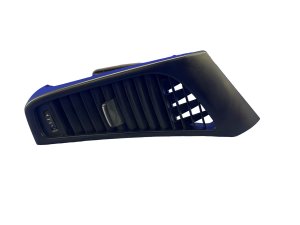
2008-2015 Audi R8 Dashboard Air Vent: Replacing Brittle and Broken Center Vents
This guide covers the common failure points, replacement costs, and what to inspect when buying a used dashboard air vent for your first-generation Audi R8.
- The most common failure is brittle plastic from heat and sun exposure, leading to broken airflow louvers and adjustment tabs.
- When buying a used vent, verifying the finish (standard gray, carbon fiber, etc.) is critical to match your R8's interior.
- Installation is moderately difficult (3/5) and requires careful prying of center console trim; using proper plastic tools is essential to avoid damage.
- A used OEM vent offers significant savings ($150-$300) compared to a new one from the dealer ($420+).
Symptoms of a Failing Dashboard Air Vent
Failure of the dashboard air vent in a first-generation Audi R8 is almost always a physical or mechanical issue, rather than an electronic one. Due to years of exposure to direct sunlight and extreme temperature cycles, the plastic components can become brittle. Here are the most common symptoms:
- Broken or Loose Louvers: The thin plastic vanes that direct airflow are the most common point of failure. They may snap, become detached from the adjustment mechanism, or simply fall out. This prevents you from directing airflow where you want it.
- Inoperative Adjustment Tab: The small tab or wheel used to control the louvers may break off or stop working, leaving the vents stuck in one position. Companies like VentTabs offer potential repairs for just the tab, which can be an alternative to replacing the whole unit.
- Rattling Noises: A broken piece of plastic from a louver or the internal mechanism can fall inside the vent housing, causing an annoying rattle or buzzing sound that changes with fan speed or when driving over bumps. While there are Technical Service Bulletins (TSBs) for rattling in the R8 dashboard area, they typically relate to the instrument cluster or nearby wiring, not the vent assembly itself.
- Cracked or Faded Housing: The entire vent assembly can develop cracks or the finish can fade from UV exposure. This is a cosmetic issue but can detract from the interior's appearance.
Known Issues, TSBs, and Recalls
There are no active recalls or Technical Service Bulletins (TSBs) from Audi or the NHTSA that specifically address the failure of the dashboard air vent trim for the 2008-2015 R8.
However, there is a related TSB for later model R8s (2017 and newer) concerning the leather on the main dashboard bubbling or delaminating due to heat and humidity. While this doesn't affect the vent itself, it highlights the harsh environment these dashboard components endure. The primary known issue for the vents is simply age-related brittleness of the plastic.
Pro Tip: When diagnosing a rattle from the center dash, be aware that it could also originate from the instrument cluster fan or nearby wiring, which have been noted in Audi service bulletins for other models.
Buying a Used Dashboard Air Vent: What to Check
Given the high cost of a new OEM vent, a used, recycled part is an excellent value. However, since these parts are prone to becoming brittle, a thorough inspection is crucial before buying. Here’s what to look for:
- Inspect All Mounting Tabs: Carefully examine the back of the unit. Check for any hairline cracks or broken plastic tabs. These are critical for securing the vent into the dashboard and preventing future rattles.
- Test the Louver Mechanism: Gently move the adjustment tab or wheel. Ensure all the louvers move together smoothly and in unison. Check that they open and close fully. A single disconnected louver means the internal linkage is broken.
- Listen for Loose Pieces: Gently shake the entire assembly. If you hear rattling, there's likely a broken piece of plastic inside that could cause noise once installed in your car.
- Verify the Finish and Color: This is the most important step. The initial part numbers in our database refer to a standard gray finish. However, the Audi R8 was available with several interior trim packages, including Carbon Fiber Sigma and Piano Black. Ensure the finish of the used vent perfectly matches your car's existing trim. Ask the seller for clear, well-lit photos or a part number to confirm.
- Confirm Part Numbers: Cross-reference the part number on the unit with the known compatible numbers (423820951, 423820951C, 423858340, etc.) to ensure it is correct for your vehicle's year and trim.
Cost Comparison: New vs. Used
Replacing the center air vent can vary significantly in cost depending on the source of the part. Aftermarket copies of the full assembly are not readily available, making OEM the primary option.
| Part Source | Estimated Cost |
|---|---|
| New OEM | $420 - $585 |
| Used OEM | $150 - $300 |
| Shop Labor | $120 - $250 |
Installation Overview
Replacing the center dashboard air vent on a Gen 1 Audi R8 is a moderately difficult task that a patient DIYer can perform. The main challenge is removing the surrounding trim without causing damage.
- Difficulty: 3 out of 5
- Estimated Time: 1 - 1.5 hours
- Tools Required: Plastic trim removal tools, small screwdrivers (Phillips and flathead).
The general process involves carefully prying away the trim pieces that surround the HVAC control unit and vent assembly. The vent is typically held in by clips and a few screws. It is essential to use plastic pry tools to avoid scratching or cracking the dashboard or center console components. The entire dashboard does not need to be removed, but a significant portion of the center stack must be disassembled to gain access.
Warning: The plastic trim in an older vehicle can be very brittle. Work slowly and apply gentle, even pressure when prying panels to avoid causing expensive damage.
OEM Part Numbers and Variants
The following OEM part numbers are associated with the center dashboard air vent assembly for the 2008-2015 Audi R8. The specific number may vary based on the model year and interior trim color/finish.
- 423820951
- 423820951C
- 423858340
- 423858340B
- 423858340C
Frequently Asked Questions (FAQ)
Can I just replace a single broken louver or tab?
Sometimes, yes. Companies like VentTabs sell individual replacement tabs that are designed to clip onto the vertical post of the louver. This can be a very cost-effective repair if only the external tab is broken and the internal mechanism is intact. However, if the louver itself or the internal linkage is broken, you will need to replace the entire vent assembly.
How do I make sure I'm buying the right color vent?
The best way is to match the part number from your original vent. If you can't access it, take clear photos of your interior trim in good lighting and send them to the seller of the used part to compare. Be specific about your interior trim package (e.g., standard gray, Piano Black, Carbon Fiber Sigma).
Is this a difficult DIY job?
It is moderately difficult, mainly due to the risk of damaging fragile and expensive interior trim. If you are not comfortable using trim removal tools or applying firm pressure to plastic panels, it may be best to have a professional shop handle the installation.
Why does my new used vent still rattle?
If you've installed a replacement vent and still hear a rattle, the noise may not be coming from the vent itself. Check for loose wiring behind the dashboard or consider that the noise could be from the instrument cluster, as noted in some Audi service bulletins.
Technical Specifications
OEM Part Numbers: 423820951 423820951C 423858340 423858340B 423858340C
Material: Plastic. Location: Center Dashboard.
We Have This Part in Stock

The information in this article is provided for general reference and educational purposes only. Vehicle specifications, procedures, and part compatibility can vary by production date, trim level, and region. Always consult your vehicle's factory service manual and verify part numbers before purchasing or performing repairs. Safety-critical components such as airbags, seat belts, and braking systems should be installed by a qualified professional.
- Audi R8: