

2017-2024 Tesla Model 3 & Y Dashboard Vent: Fixing Rattles, Airflow, and Actuator Faults
This guide diagnoses common Tesla dash vent failures like rattling noises, weak airflow, and control issues, and clarifies the confusing difference between the front vent and the rear USB vent assembly.
- The front dashboard vent does NOT have USB ports; those are in the separate rear center console vent assembly. Verify which part you need before buying.
- The most common failures are rattling noises and failed electronic actuators that leave the airflow direction stuck in one position.
- Replacement is moderately difficult, as it requires removing the entire top dashboard pad for access.
- If you experience weak airflow or a musty smell, the first step is to replace the two cabin air filters, as they are often the culprit.
Common Symptoms of Failure

Because the Tesla Model 3 and Model Y vent system is electronically controlled, failures can be mechanical or electrical. Here are the most common symptoms owners report.
Compatibility Warning: Front Vent vs. Rear Vent (USB Ports)
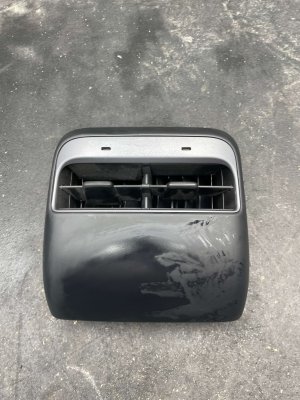
A common point of confusion for buyers is the location of USB ports. The main front dashboard air vent assembly (part numbers like 1095416) does NOT contain any USB ports. The USB-A or USB-C ports for rear passengers are located in a completely separate part: the rear center console vent assembly.
- Front Dash Vent: Controls airflow to the driver and front passenger. Contains electronic actuators but no USB ports.
- Rear Center Console Vent: Provides air and charging ports to rear passengers. Early models (approx. 2017-2020) used USB-A, while later models (approx. 2021+) use USB-C. Part numbers for this assembly include 1111072-00-E, 112170000C, and 1546129-00-D.
Before buying, be certain which part you need. If you need to replace the USB ports, you are looking for the rear vent assembly, not the front dashboard vent.
1. Rattling, Ticking, or Knocking Noises
A rattling or ticking sound coming from the dashboard is a frequent complaint. This can happen when driving over bumps or when the HVAC system is running. The noise may be caused by loose internal components within the vent assembly itself, or sometimes by a nearby wiring harness that wasn't properly secured during manufacturing. A specific rattling noise that occurs when the vents are aimed straight ahead has been identified in a Technical Service Bulletin (TSB) for some 2024+ Model 3 vehicles, indicating it's a known type of issue.
2. Weak or Uneven Airflow
You may notice that even at high fan speeds, the amount of air coming from the vent feels significantly reduced. This can affect the entire vent or just one side. Owners have measured airflow with tools to confirm a reduction compared to other similar vehicles. This symptom is often caused by clogged cabin air filters. However, it can also point to a failing blower motor, or foam seals inside the dashboard that have become dislodged, causing air to leak out before it reaches the vent opening.
3. Airflow is Stuck or Cannot Be Directed
One of the most common failures is the inability to adjust the airflow direction using the touchscreen. You might find the air is stuck blowing at your chest and won't aim higher, or it won't move left or right. This is almost always a failure of one or more of the small electric actuator motors inside the vent assembly that control the internal flaps. The on-screen controls will move, but the air direction doesn't change because the mechanical part has failed.
🎬 See how the internal vent actuators work4. Musty or Unpleasant Odor
A persistent mildew or "wet sock" smell from the vents is a well-documented issue, particularly in the Model 3. This is caused by a design characteristic where water from the windshield can enter the HVAC air intake, soaking the cabin air filters. When the AC runs, condensation builds up on the wet filters, leading to mold and bacteria growth. While not a failure of the vent duct itself, it's a critical HVAC system problem that manifests through the vents.
🎬 Watch: How to replace cabin filters and fix odorsKnown Issues, Recalls, and Service Bulletins

- Technical Service Bulletin SB-24-14-001: While this TSB applies to 2024+ Model 3 vehicles, it addresses a condition relevant to the overall design. It describes a rattling noise from the driver or passenger side vent when airflow is directed straight ahead. The fix is to replace the affected air vent assembly.
- No Direct Recalls: As of early 2026, there have been no major recalls specifically for the dashboard air vent assembly itself. However, there have been numerous software-based recalls and updates for the HVAC system, such as one for a heat pump issue that could affect windshield defrosting performance (NHTSA 22V-050). Always ensure your vehicle's software is up to date, as it can resolve some control-related glitches.
Buying a Used Dashboard Vent: What to Check

A used OEM vent is an excellent, cost-effective replacement. Because it's mostly a plastic duct, a part from a low-mileage vehicle is often as good as new. Here’s what to inspect before buying:
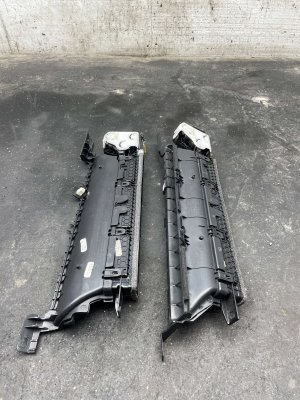
- Check for Physical Damage: Carefully inspect the entire plastic housing for cracks, especially around the mounting points. The dash pad rests on this part, and any cracks can lead to squeaks and rattles.
- Verify Mounting Tabs: Ensure all mounting tabs and screw holes are intact. Broken tabs are a major red flag, as the vent will not sit securely in the dashboard.
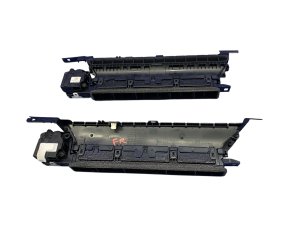
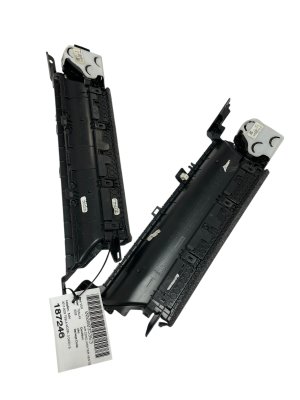
- Inspect the Actuators: The vent assembly has two electrical actuator motors on each side (driver/passenger). Check that they are physically present and that their electrical connectors are not cracked, bent, or damaged.
- Look at the Foam Seals: There are foam seals along the top and back edges of the vent. These are critical for preventing air leaks and rattles. Make sure the foam is present and not overly compressed or torn.
- Confirm Part Numbers: While the main assembly is largely interchangeable between the Model 3 and Y (pre-Highland/Juniper), there can be minor revisions. Match the part number from your original vent if possible. Key part numbers include 1095416, 1083320, and 1083325, often with varying suffixes.
Cost of Replacement
The cost to replace a dashboard air vent can vary depending on whether you do it yourself and the source of the part.
| Part/Service | Estimated Cost |
|---|---|
| New OEM Vent Assembly | $250 - $400 |
| New Aftermarket Vent Assembly | $150 - $250 (Less common) |
| Used OEM Vent Assembly | $50 - $150 |
| Shop Labor Cost | $225 - $350 |
Replacement Guide

Replacing the dashboard air vent is a moderately difficult job that a patient DIYer can accomplish. The key challenge is that the entire upper dashboard pad must be removed to gain access.
The basic steps are as follows:
🎬 Watch: Step-by-step dashboard removal and replacement guide- Remove Side Pillar and Dash End Caps: The small triangular trim pieces at each end of the dashboard must be pried off.
- Remove Dash Trim Piece: The decorative wood or white trim piece that spans the dashboard is removed by carefully prying it away from its clips.
- Remove the Upper Dash Pad: This is the largest piece. It is held in by strong clips. You must pull firmly upwards on both the driver and passenger sides to release it.
- Disconnect and Unbolt the Vent: With the dash pad removed, you can now see the vent assembly. Disconnect the electrical connectors for the actuators, then remove the Torx T20 screws holding the vent assembly to the main instrument panel carrier.
- Installation: Installation is the reverse of removal. After installing the new vent, it is recommended to run the HVAC actuator calibration routine using Tesla's Service Mode to ensure everything is working correctly.
Frequently Asked Questions (FAQ)
Why is my Tesla vent rattling?
Rattles are usually caused by a loose component inside the vent assembly, a poor fit against the dashboard, or a nearby unsecured wiring harness. If the noise changes when you adjust the airflow direction, the problem is likely inside the vent itself.
Can I fix weak airflow from my vents myself?
Yes, the first and easiest step is to replace your cabin air filters, which are often the cause of restricted airflow. If that doesn't work, the issue may be a failing blower motor or internal air leaks in the dash, which are more complex repairs.
Which vent has the USB-A or USB-C ports?
The USB ports are not in the front dashboard vent. They are part of the separate rear center console vent assembly that provides air and power to back-seat passengers.
Is the Model 3 and Model Y dash vent the same part?
Yes, for the specified model years (2017-2023 Model 3 and 2020-2024 Model Y), the front dashboard air vent assembly is physically the same and interchangeable. This does not apply to the redesigned 2024+ 'Highland' Model 3 or the upcoming 'Juniper' Model Y.
Helpful Videos


Technical Specifications
OEM Part Numbers: 1095416 1083320-00-D 1083320-00-G 108332000F 108332000G 1083325-00-D 1083325-00-G 108332500F 108332500G 108792800B 1095417 1135554-00-A
Electronically controlled single-piece air distribution duct with integrated vertical and horizontal flow actuators. Fits pre-Highland Model 3 and pre-Juniper Model Y.
We Have This Part in Stock

The information in this article is provided for general reference and educational purposes only. Vehicle specifications, procedures, and part compatibility can vary by production date, trim level, and region. Always consult your vehicle's factory service manual and verify part numbers before purchasing or performing repairs. Safety-critical components such as airbags, seat belts, and braking systems should be installed by a qualified professional.
- Tesla 3:
- Tesla Y:
- 🎬 Helpful Videos
- 🛍️ Shop This Part
- Common Symptoms of Failure
- 1. Rattling, Ticking, or Knocking Noises
- 2. Weak or Uneven Airflow
- 3. Airflow is Stuck or Cannot Be Directed
- 4. Musty or Unpleasant Odor
- Known Issues, Recalls, and Service Bulletins
- Buying a Used Dashboard Vent: What to Check
- Cost of Replacement
- Replacement Guide
- Frequently Asked Questions (FAQ)
- 🎟️ Get 5% Off