

2008-2015 Audi R8 Dashboard Air Vents: A Guide to Brittle Plastic, Part Numbers, and Replacement
Your complete guide to diagnosing, replacing, and buying a used dashboard air vent for the first-generation Audi R8, avoiding common issues like color mismatches and broken mounting tabs.
- The primary cause of failure is age and sun exposure, which makes the plastic brittle and causes the soft-touch coating to become sticky or peel.
- Verify part numbers carefully before buying a used vent. Left, right, and center vents are not interchangeable, and color codes are often part of the part number.
- Replacement is a simple DIY task requiring only plastic trim tools. The vents are held in by clips and can be pried out without disassembling the dashboard.
- Used OEM parts are the most practical solution, as new OEM vents are very expensive and aftermarket options are not available.
Symptoms of a Failing Dashboard Air Vent

Failure in the Audi R8's dashboard vents is typically mechanical and cosmetic, rather than electrical. Due to age and exposure to sunlight, the plastic components can become brittle and the surface finishes can degrade. Here are the most common symptoms:
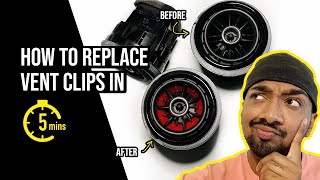
- Broken or Jammed Louvers: The thin plastic slats (louvers) that 🎬 Watch: How to replace broken vent clips and louvers direct airflow can break, fall out, or become stuck in one position. The small wheels or tabs used to adjust them may also break or stop functioning.
- Rattling Noises: If a louver or mounting clip breaks, it can rattle inside the dashboard. These noises are often most noticeable when driving over rough surfaces or when the engine is at certain RPMs.
- Sticky or Peeling Surface: Many interior components from this era feature a soft-touch rubberized coating. Over time, this coating can break down, becoming sticky to the touch or peeling away, creating an unsightly appearance. This is a common issue on many German vehicles from the 2000s and 2010s.
- Loose Assembly: The entire vent unit may become loose in its dashboard housing if the plastic mounting tabs on the back of the assembly crack or break off.
Known Issues, TSBs, and Recalls

While there are no specific recalls for the dashboard air vents themselves, Audi has issued Technical Service Bulletins (TSBs) for related dash issues that are relevant to owners.
- TSB for Creaking Noises: TSB 2039016 addresses creaking noises from the instrument panel area, which can be caused by contact between the instrument panel carrier and an adjustment cam. The repair involves removing the right-side instrument panel vent to access and adjust the component, indicating that vent removal is a documented procedure.
- TSB for Leather Dashboard Delamination: TSB 2071698 addresses issues where the leather on the dashboard can bubble, wrinkle, or detach, particularly around areas like the defroster vents. This is caused by heat and humidity breaking down the adhesive. While this TSB doesn't cover the plastic vents themselves, it highlights the harsh environment inside the dashboard that contributes to plastic and material degradation.
- No Direct Recalls: Searches of the National Highway Traffic Safety Administration (NHTSA) database show recalls for the 2008-2015 Audi R8 related to airbags, fuel lines, and transmission components, but none specifically for the dashboard vents.
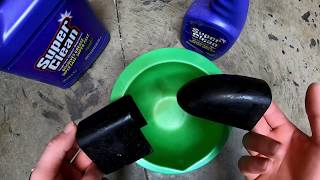
Pro Tip: The sticky, peeling soft-touch coating can sometimes be cleaned off. Using isopropyl alcohol and a microfiber towel, you can scrub away 🎬 Watch: How to clean sticky rubber coatings off interior panels the degraded coating to reveal the clean, hard plastic underneath. This can be a good solution if the vent is mechanically sound but cosmetically damaged.
Buying a Used Audi R8 Dashboard Air Vent: What to Check

Since new OEM vents are expensive and aftermarket alternatives are virtually nonexistent, a high-quality used OEM vent is often the best choice. Here’s what to inspect before you buy:
- Inspect All Mounting Tabs: This is the most critical check. Flip the vent over and carefully inspect every plastic tab that secures it to the dashboard. These tabs are prone to becoming brittle and breaking during removal. Ensure they are all present and free of stress marks or cracks.
- Test the Louvers and Adjusters: Gently move the louvers up, down, left, and right. They should move smoothly and hold their position. Operate the adjustment wheel or tab to ensure it moves freely and properly controls the louvers.
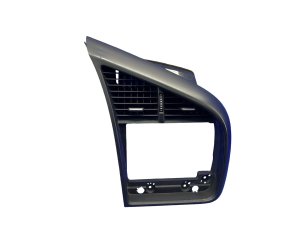
- Verify the Part Number and Position: The left, right, and center vents are not interchangeable. Part numbers like 423-820-901-B-H77 are for the Left Outer position, while 423-820-902-H77 is for the Right Outer. The center vent has its own unique part numbers, such as 423820951. Always match the part number from your old vent to the replacement.
- Confirm Color and Finish: The R8 was available with different interior trim colors, primarily black and gray. Part number suffixes like 'H77' often denote the color code. Ask the seller for clear, well-lit photos to confirm the color and finish match your vehicle's interior.
Cost Comparison
Prices for Audi R8 air vents can vary significantly based on condition and source.
| Part Type | Estimated Cost | Notes |
|---|---|---|
| New OEM | $315 - $460+ per vent | Can be ordered from Audi dealerships or online OEM parts suppliers. Prices are high for a single vent. |
| New Aftermarket | Not Available | Due to the low production volume of the R8, aftermarket companies typically do not manufacture these specific cosmetic parts. |
| Used OEM | $100 - $250 per vent | The most common and cost-effective option. Prices depend on condition and availability from online sellers and salvage yards. |
| Shop Labor | $80 - $160 | Most shops will charge 0.5 to 1.0 hour of labor for the replacement. It is a straightforward job for an experienced technician. |
Replacement Guide (Difficulty: 2/5)

Replacing a dashboard air vent on an Audi R8 is a feasible DIY project that requires care but no specialized mechanical skills. The primary tool needed is a set of plastic trim removal tools to avoid scratching the dashboard.
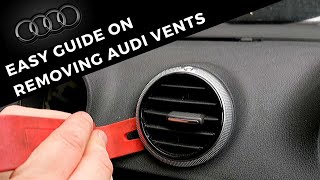
- Pry Gently: Using a plastic trim tool, carefully work your way around the edge of the vent assembly, prying it gently away from the dashboard. 🎬 See this step-by-step guide on removing Audi air vents The vents are held in by pressure clips.
- Wiggle and Pull: Once you have loosened the edges, you should be able to grip the vent and wiggle it out. Pull it straight out from the dashboard. Be firm but careful not to use excessive force that could break the clips or damage the dash.
- Install the New Vent: Align the new vent with the opening in the dashboard, ensuring any alignment pins are correctly seated.
- Press to Secure: Press firmly and evenly around the perimeter of the vent until you hear and feel it click into place. Ensure it is flush with the dashboard surface and has no gaps.
Frequently Asked Questions (FAQ)
Are the left, right, and center air vents interchangeable?
No, they are not. Each vent position (left outer, right outer, center) has a unique shape and part number. You must purchase the correct vent for the specific position you are replacing.
My vent works, but the finish is sticky. Can I fix it without replacing the whole unit?
Yes. In many cases, the sticky rubberized coating can be removed. Using isopropyl (rubbing) alcohol and a microfiber cloth, you can scrub the sticky layer off to reveal the clean, hard plastic underneath. This is a common fix for many European cars of this era.
Why are used OEM vents a better option than new aftermarket ones?
For a specialty vehicle like the Audi R8, aftermarket companies rarely produce cosmetic interior parts. As a result, new aftermarket vents are generally not available. A used OEM part ensures correct fitment, material quality, and color matching, making it the superior and often only alternative to an expensive new OEM part.
How do I make sure the color of the used vent matches my interior?
The best way is to verify the part number, including any suffixes which often indicate color. For example, part number 423820901BH77 is for a black vent. When buying online, always request clear photos taken in good lighting and compare them to your existing vents.
Helpful Videos

Technical Specifications
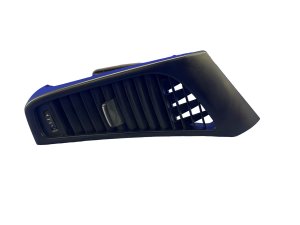
OEM Part Numbers: 423820901 423820901AH77 423820901BH77 423-820-901-B-H77 423820902 423-820-902-H77 423820902CH77 423820951 423820951C 423858340 423858340B 423858340C
Material: Plastic with soft-touch coating. Positions: Left Outer, Right Outer, Center. Color variations include black and gray.
We Have This Part in Stock

The information in this article is provided for general reference and educational purposes only. Vehicle specifications, procedures, and part compatibility can vary by production date, trim level, and region. Always consult your vehicle's factory service manual and verify part numbers before purchasing or performing repairs. Safety-critical components such as airbags, seat belts, and braking systems should be installed by a qualified professional.
- Audi R8: