

1997-1999 Porsche Boxster Cylinder Head: Cracks, Leaks, and M96 Engine Secrets
This guide covers the common failure points, symptoms, and critical inspection steps for the 2.5L M96 engine's cylinder heads in the first-generation Porsche Boxster.
- Cylinder head failure on the 1997-1999 Boxster is almost always a cracked head, not a blown head gasket.
- These heads are ONLY for the 2.5L engine; heads from 2.7L/3.2L engines (2000+) will not fit.
- Any used cylinder head MUST be professionally pressure tested and resurfaced by a machine shop before installation.
- The most common cause of cracks is overheating, often triggered by a failing water pump that sends debris into the head's cooling passages.
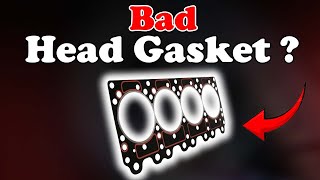
Symptoms of a Failing Cylinder Head 🎬 Watch this video on common bad cylinder head gasket symptoms

A cracked or warped cylinder head on a 1997-1999 Boxster can cause a range of serious symptoms. Because head gasket failure on the M96 engine is rare, these signs often point directly to a problem with the head itself. Ignoring them can lead to catastrophic engine failure.
- Engine Overheating: This is a primary symptom. A crack can cause a loss of coolant or allow hot combustion gases to enter the cooling system, reducing its efficiency and causing the temperature gauge to rise.
- White Smoke from Exhaust: Thick, sweet-smelling white smoke indicates that coolant is leaking into the combustion chambers and being burned with fuel.
- Milky Oil (the "Milkshake"): Finding a creamy, light-brown substance on your oil dipstick or under the oil filler cap is a classic sign that coolant and oil are mixing. This severely compromises the oil's ability to lubricate, putting the entire engine at risk.
- Unexplained Coolant Loss: If you constantly need to add coolant but can't find any external leaks (like from hoses or the radiator), the coolant may be leaking internally through a crack in the head.
- Engine Misfires and Rough Running: Coolant fouling a spark plug or a loss of compression from a crack can cause the engine to run poorly, trigger the check engine light, and log misfire codes (P0300, P0301-P0306).
- Bubbling in Coolant Reservoir: When the engine is cool, check the coolant expansion tank. Bubbles indicate that high-pressure combustion gases are being forced into the cooling system through a crack.
Known Issues, TSBs, and Recalls

The M96 engine used in the 1997-1999 Boxster has several well-documented issues, some of which directly relate to the cylinder heads.
Common Causes of Cylinder Head Cracks
Cylinder head cracks are a known problem on M96 engines. The most frequent cause is severe overheating. This can happen if the water pump fails—a common issue on these cars. When the plastic impeller on the original water pump breaks, pieces can travel through the cooling system and block small passages in the cylinder head. This creates a localized hot spot, leading to stress and eventually a crack.
Pro Tip: If you are replacing a cylinder head due to a crack, it is critical to also replace the water pump with an updated version and thoroughly flush the entire cooling system to remove any old impeller debris.
Technical Service Bulletins (TSBs)
While there are no recalls specifically for cylinder head failure, Porsche has issued TSBs related to the M96 engine. An early bulletin, TSB Group 1 9701, initially instructed dealers to replace entire engines with internal damage. This was later superseded by TSB Group 1 7/98 1001, which authorized dealers to perform repairs such as cylinder head removal, installation, and gasket replacement. Another TSB addresses oil leaks from a cylinder head seal plug.
Recalls
There are no NHTSA recalls for cylinder head failure on the 1997-1999 Porsche Boxster. Existing recalls for this period concern issues like the ignition switch and a selector lever cable.
Buying a Used Cylinder Head: What to Check

A used OEM cylinder head can be a cost-effective solution, but careful inspection is mandatory. Given the high cost of labor, you don't want to install a bad part.
Compatibility Check
Warning: The cylinder heads for the 1997-1999 Boxster are for the 2.5L engine only. Heads from the 2000-and-newer 2.7L or 3.2L Boxster engines are not compatible. They have different valve sizes and combustion chamber designs and will not work.
- Bank Identification: The Boxster engine has two cylinder heads. When viewed from the rear of the car, Bank 1 is on the right (passenger side in the US) and covers cylinders 1-3. Bank 2 is on the left (driver's side in the US) and covers cylinders 4-6. Be sure to order the correct side.
- Part Numbers: Match the OEM part number or casting number. The primary part number for the Bank 1 (cylinders 1-3) head is 99610400109. This part number prefix (996) indicates it was also used on some Porsche 911 models.
Physical Inspection
Before purchasing, visually inspect the head for obvious flaws:
- Obvious Cracks: Look for hairline cracks, especially between the valve seats and around the spark plug holes.
- Warpage: Check the mating surface with a precision straight edge. Any visible gap means the head is warped and will need significant machining.
- Corrosion: Heavy corrosion in the coolant passages can indicate poor maintenance and a higher risk of hidden cracks.
- Camshaft Journals: Inspect the bearing surfaces where the camshafts ride for deep scoring or damage.
Mandatory Professional Inspection
Do not install a used cylinder head without having it professionally inspected by an automotive machine shop. This is not an optional step. The shop should perform the following services:
- Cleaning: The head will be hot-tanked and bead-blasted to remove all carbon and oil residue.
- Pressure Testing: This is the only way to find microscopic cracks that are not visible to the naked eye. The head is sealed and pressurized with air while submerged in water. Bubbles reveal hidden leaks.
- Resurfacing (Decking): The mating surface is milled flat to ensure a perfect seal with the engine block.
- Valve and Guide Inspection: The shop will check for worn valve guides and valve seats, which is a common wear item.
Replacement Difficulty and Cost
Replacing a cylinder head on a Porsche Boxster is a complex and labor-intensive job.
- Difficulty: 5 out of 5. This is not a DIY job for the average home mechanic. It often requires removing the engine from the car for proper access. It also requires specialized tools to set the engine timing correctly.
- Labor Time: A professional shop will typically quote 20-30 hours for this job.
- Shop Labor Cost: Expect to pay between $2,700 and $4,000 for labor alone.
| Part Type | Estimated Cost |
|---|---|
| New OEM | $3,500 - $6,200+ per head |
| Remanufactured OEM | $1,500 - $2,500 per head |
| Used OEM | $400 - $900 per head (before machine shop costs) |
| Shop Labor | $2,700 - $4,013 |
| Total Job (Used/Reman Head) | $4,500 - $8,600+ |
Frequently Asked Questions
Can I replace just the head gasket instead of the whole cylinder head?
While possible, it's very unlikely to be the solution. Head gasket failure on the M96 engine is extremely rare due to its robust multi-layer steel (MLS) design. The symptoms of a "blown head gasket" almost always point to a cracked cylinder head on these specific engines.
What is the difference between the left and right cylinder heads?
The heads are specific to each side of the engine. Bank 1 (cylinders 1-3) is the passenger side in the US, and Bank 2 (cylinders 4-6) is the driver's side. They are not interchangeable.
If one cylinder head is cracked, should I replace both?
It is not strictly necessary, but it is wise to consider. If one head cracked due to an overheating event, the other head was subjected to the same stress and could be weakened. Given the extremely high labor cost to access the heads, replacing or reconditioning both at the same time can be a prudent, though more expensive, preventative measure.
Does an IMS bearing failure cause cylinder head problems?
Indirectly, yes. When the infamous Intermediate Shaft (IMS) bearing fails, it releases metallic debris into the engine oil. This debris circulates throughout the engine and can cause catastrophic damage to many components, including the camshafts and bearing surfaces within the cylinder heads.
Helpful Videos
Technical Specifications
OEM Part Numbers: 99610400109 99610400107 99610400108 99610402104 99610402107 99610400207 99610400208 99610400209 99610402205
Engine Fitment: 2.5L M96.20 Flat-Six. Bank 1 (Cylinders 1-3): Right / US Passenger Side. Bank 2 (Cylinders 4-6): Left / US Driver Side.

The information in this article is provided for general reference and educational purposes only. Vehicle specifications, procedures, and part compatibility can vary by production date, trim level, and region. Always consult your vehicle's factory service manual and verify part numbers before purchasing or performing repairs. Safety-critical components such as airbags, seat belts, and braking systems should be installed by a qualified professional.
- Porsche Boxster:
- 🎬 Helpful Videos
- Symptoms of a Failing Cylinder Head
- Known Issues, TSBs, and Recalls
- Common Causes of Cylinder Head Cracks
- Technical Service Bulletins (TSBs)
- Recalls
- Buying a Used Cylinder Head: What to Check
- Compatibility Check
- Physical Inspection
- Mandatory Professional Inspection
- Replacement Difficulty and Cost
- Frequently Asked Questions
- 🎟️ Get 5% Off