

2008-2018 Toyota Sequoia Radar Cruise Module: Diagnosis, Calibration, and Replacement Guide
This guide explains why replacing the adaptive cruise control module in a 2008-2018 Sequoia is not a simple swap and requires mandatory, dealer-level calibration.
- Replacing this module requires mandatory programming and radar alignment (calibration) by a dealer or ADAS specialist; it is not a DIY job.
- The most common OEM part number for the control computer is 88240-34030; always match this to your original part.
- A 'Check Cruise Control System' message and trouble code C1A50 are common symptoms, but the root cause could be in the related Vehicle Stability Control (VSC) system.
- When buying a used module, you must budget for the additional, non-negotiable cost of professional calibration, which can be several hundred dollars.
The #1 Thing to Know: Programming and Calibration Are Required

Warning: Replacing the cruise control module (Distance Control Computer) or the front radar sensor is NOT a plug-and-play repair. The new module MUST be calibrated to the vehicle using specialized equipment. This procedure, called 'beam axis alignment,' involves using Toyota's Techstream diagnostic software and a special reflector target placed a precise distance in front of the vehicle. This service must be performed by a Toyota dealership or a qualified ADAS calibration center. Attempting to use a new or used module without proper calibration will result in system errors and the cruise control will not function.
Symptoms of a Failing Cruise Control Module

When the DRCC module or its related sensor fails, you will typically see clear warnings on your dashboard. Diagnosing the issue correctly is key to avoiding the replacement of expensive parts unnecessarily.
- "Check Cruise Control System" Message: This is the most common indicator of a fault within the system.
- "Radar Cruise Control Unavailable" Message: This message often appears if the sensor is blocked, but can also indicate a hardware or communication failure. Sometimes this can be caused by simple obstructions like snow, ice, or even heavy rain, and will clear on its own.
- Flashing "CRUISE" Light: Instead of staying solid, the cruise control indicator on the dash may flash when you try to engage the system.
- System Works in Park, Fails When Driving: Some owners report being able to turn the system on while the vehicle is in Park, only for it to error out once the vehicle exceeds a certain speed (e.g., 25 mph).
- Inability to Set Speed: The cruise control will not engage or hold a set speed.
Associated Trouble Codes
A professional scan tool is needed to read these codes. The most common code associated with this system is:
- C1A50 - Brake System Malfunction: This code is often set by the radar module when it detects a problem with the Vehicle Stability Control (VSC) system. Diagnostic procedures recommend troubleshooting the VSC system first before replacing any cruise control components.
Pro Tip: Using Constant Speed (Non-Radar) Mode
If the radar system has failed, you may still be able to use the traditional (non-adaptive) cruise control. Some owners have found a workaround:
- Start the truck and keep it in Park.
- Press the cruise control power button on the stalk.
- Immediately press and hold the stalk forward for 1-2 seconds to switch from radar mode to constant speed mode.
- You can then put the vehicle in Drive and use the cruise control as normal, without the distance-keeping feature. This also helps confirm the fault lies within the radar portion of the system.
Known Issues, Recalls, and Technical Service Bulletins (TSBs)

For the 2008-2018 Sequoia, several issues can affect the DRCC system.
- Safety Recall 18V-122 (Campaign J0H): This recall affects some 2018 Toyota Sequoia models. An issue was found where the Vehicle Stability Control (VSC) system could be unnecessarily deactivated by a diagnostic function. Because the DRCC and Pre-Collision Systems rely on the VSC, this fault could cause the cruise control to become unavailable and trigger the C1A50 trouble code. The fix was a software update performed by the dealer.
- Sensor Water Intrusion: While a campaign for this was issued for Tundra and Tacoma models, the sensor design is similar. Water entering the millimeter-wave radar sensor in the grille can cause it to short circuit, leading to system deactivation or, in rare cases, inadvertent braking.
- Sensor Blockage/Misalignment: Toyota has issued many bulletins emphasizing that the DRCC system can become temporarily unavailable if the sensor's view is blocked by dirt, snow, or even heavy rain. Furthermore, any repair that involves the front bumper, grille, or a wheel alignment can misalign the sensor, requiring a full recalibration.
Buying a Used 2008-2018 Sequoia Cruise Control Module

Purchasing a used Distance Control Computer can be a cost-effective option, but it comes with critical considerations. The high cost of a new module makes a recycled OEM part an attractive alternative.
Crucial Warning: The money you save on a used part can be quickly offset by the mandatory calibration cost. Always factor in $200-$500 for a dealership or ADAS shop to program and align the module to your vehicle. A used module will NOT work without this step.
- Match the Part Number: The primary OEM part number for the computer module is 88240-34030. Always verify this number against the one on your original part before purchasing.
- Distinguish the Module from the Sensor: Be clear about what you are buying. The module (88240-34030) is the computer. The sensor (e.g., 88210-34010) is the radar unit in the grille. Ensure you have diagnosed the correct failed component.
- Inspect for Physical Damage: Since the radar sensor is at the front of the vehicle, it is susceptible to collision damage. When buying a used sensor, inspect the housing and connectors for any cracks, signs of impact, or water damage.
- Why Used OEM is a Good Choice: For complex electronics like this, a used OEM module is often more reliable than a new, unproven aftermarket part (if one were even available). These modules are not high-wear items, so a part from a lower-mileage, collision-free vehicle is generally a safe bet, provided it is calibrated correctly.
Replacement Cost Comparison
The cost to repair the DRCC system can vary significantly depending on which part has failed and the labor rates in your area.
| Part / Service | Estimated Cost |
|---|---|
| New OEM Module (88240-34030) | $650 - $750 |
| New OEM Radar Sensor (88210-34010) | $850 - $1,200 |
| Used OEM Module or Sensor | $150 - $450 |
| Shop Labor (Physical Part Swap) | $70 - $150 |
| Shop Labor (Calibration) | $200 - $500+ |
Frequently Asked Questions (FAQ)
Can I replace the cruise control module myself?
While the physical replacement of the module or sensor may be straightforward for a DIY mechanic, the mandatory calibration makes this a job for professionals. Without access to Toyota's Techstream software and the physical alignment targets, you cannot complete the repair.
Is the problem my module or the sensor in the grille?
It can be difficult to tell without a professional diagnosis. However, issues that appear after a minor front-end impact, grille replacement, or are related to weather (rain, snow) often point towards the sensor. Internal communication errors or faults that appear without physical cause may point towards the module. A diagnostic scan for specific codes is the best way to start.
Does a used module need to be from a Sequoia with the same mileage or options?
No, the mileage and specific vehicle options are not typically stored in a way that prevents a swap. The most important factor is matching the OEM part number (88240-34030). The critical step is the calibration, which registers the module to your specific vehicle's systems.
My cruise control stopped working after I got a wheel alignment. What happened?
This is a known issue. The Dynamic Radar Cruise Control system is linked to the vehicle's steering angle sensor and VSC system. A wheel alignment can change the vehicle's thrust angle, causing the radar to believe it is misaligned. Per Toyota's own procedures, an ADAS recalibration should be performed after a wheel alignment on vehicles equipped with these systems.
Technical Specifications
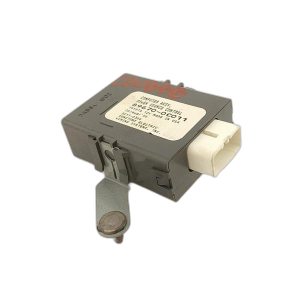
OEM Part Numbers: 88240-34030 8824034030
This is the Distance Control Computer Assembly for the Dynamic Radar Cruise Control (DRCC) system.
We Have This Part in Stock




The information in this article is provided for general reference and educational purposes only. Vehicle specifications, procedures, and part compatibility can vary by production date, trim level, and region. Always consult your vehicle's factory service manual and verify part numbers before purchasing or performing repairs. Safety-critical components such as airbags, seat belts, and braking systems should be installed by a qualified professional.
- Toyota Sequoia:
- 🛍️ Shop This Part
- The #1 Thing to Know: Programming and Calibration Are Required
- Symptoms of a Failing Cruise Control Module
- Associated Trouble Codes
- Pro Tip: Using Constant Speed (Non-Radar) Mode
- Known Issues, Recalls, and Technical Service Bulletins (TSBs)
- Buying a Used 2008-2018 Sequoia Cruise Control Module
- Replacement Cost Comparison
- Frequently Asked Questions (FAQ)
- 🎟️ Get 5% Off