

2004 Lexus RX330 Laser Cruise Control Module: Diagnosis and Replacement Guide
This guide covers the specific Distance Control ECU for the 2004 Lexus RX330 equipped with the optional Dynamic Laser Cruise Control system, including common issues, diagnosis, and replacement.
- This module is for the optional 'Dynamic Laser Cruise Control' system, not standard cruise control. Verify your vehicle has this feature before buying.
- A replacement module will likely require a 'beam axis adjustment' (calibration) at a dealership or qualified shop with Toyota Techstream software.
- Always diagnose simpler components first, especially the brake light switch and the cleanliness/condition of the front laser sensor, before condemning the expensive module.
- Match the OEM part number exactly. Part number 88240-48090 is for early production models (to 4/03) and 88240-48091 is for later models (from 4/03).
Understanding the 2004 RX330's Optional Laser Cruise Control
It is critical to understand that the part numbers 88240-48090, 88240-48091, 88240-48110, and 88240-48111 refer to the control module for the optional Dynamic Laser Cruise Control system, not the standard cruise control. This was an advanced and relatively uncommon feature for its time. The system uses a laser sensor in the front grille to detect vehicles ahead and maintain a safe following distance. If your RX330 does not have the laser sensor (visible as an asymmetrical gap or panel in the lower grille area), this guide does not apply to your vehicle.
Known Issues, TSBs, and Recalls
While there are no specific recalls for the cruise control module itself, several related issues and service bulletins are relevant for the 2004 Lexus RX330.
- TSB #01105 (NHTSA ID: 10018446): Lexus issued a repair manual supplement specifically for the adjustment of the laser cruise control beam axis. This indicates that proper alignment of the front laser sensor is critical for the system to function correctly. Misalignment can cause the system to fail or behave erratically.
- Brake Light Switch Issues: A faulty brake light switch can prevent the cruise control system from engaging or cause it to disengage unexpectedly. The system is designed to turn off when the brakes are applied, so a bad switch can send a false signal that the brakes are on. There was a recall on some Lexus vehicles for improperly designed brake light switches, which could be a related diagnostic path.
- Crankshaft Pulley Recall (NHTSA 11V-539): A recall was issued for a faulty crankshaft pulley that could lead to the power steering pump belt detaching. While not directly related to the cruise control electronics, a sudden loss of power steering would be a major safety event while any cruise control system is active.
Pro Tip: Before suspecting the expensive Distance Control ECU, always check the simple things first. Ensure the laser sensor on the front of the vehicle is clean and unobstructed. Dirt, snow, or road debris can block the laser and cause the system to become unavailable.
Symptoms of a Failing Laser Cruise Control Module
Failure in the Dynamic Laser Cruise Control system can present in several ways, not all of which point directly to the control module. The module, sensors, and switches all work together.
- Cruise Control Will Not Engage: The most common symptom is the system refusing to turn on. You may press the button on the steering wheel stalk, but no indicator light appears on the dash, or a "Check Cruise Control" message may appear.
- System Disengages Unexpectedly: The cruise control might engage and work for a period before suddenly shutting off without driver input. This can be accompanied by a warning light.
- Erratic Speed Adjustments: The vehicle may accelerate or decelerate unpredictably instead of smoothly maintaining the set distance from the vehicle ahead.
- Warning Light on Dash: An illuminated cruise control warning light or a message on the multi-information display is a clear sign of a fault within the system.
- Associated OBD-II Codes: While generic OBD-II scanners may not read detailed system codes, a professional tool like Toyota Techstream might reveal specific codes. Common related codes can include P1565 or P1566 for the main switch circuit.
Diagnosing the System
Troubleshooting should be done systematically, from the simplest and cheapest components to the most complex.
- Check Fuses: Verify that the fuse for the cruise control system is not blown.
- Inspect the Brake Light Switch: A faulty brake light switch is a very common cause of cruise control failure. Check if your brake lights are working correctly. If they are stuck on or don't illuminate when the pedal is pressed, the switch is a likely culprit.
- Inspect the Laser Sensor: Check the sensor in the front grille for any physical damage, and ensure it is clean and the lens is not hazed or cracked.
- Check the Steering Wheel Controls: The switch on the steering wheel stalk can fail. If possible, test the switch for proper electrical continuity. A faulty clock spring (spiral cable) in the steering column can also sever the connection.
- Scan for Codes: Use an advanced OBD-II scanner or Toyota Techstream software to check for any Diagnostic Trouble Codes (DTCs) stored in the Distance Control ECU. This is the most effective way to pinpoint the fault.
Buying a Used 2004 RX330 Laser Cruise Control Module
Given the high cost of a new module, a used OEM part is a very practical option. Here’s what you need to know.
Compatibility and Part Numbers
Matching the part number is absolutely critical. The primary part numbers for the 2004 RX330 are 88240-48090 and 88240-48091. Part number 88240-48090 was used for vehicles manufactured up to April 2003, while 88240-48091 was used from April 2003 onward. While they may be interchangeable, it is always safest to match your original part number exactly. Do not purchase a standard cruise control module, as it will not work with the laser cruise system.
Programming and Calibration
Warning: After installing a replacement Distance Control ECU, a beam axis adjustment (calibration) for the laser sensor may be required. This procedure typically requires a dealership-level diagnostic tool like Toyota Techstream and specific reflectors to perform correctly. Without proper calibration, the system may not work at all or may not accurately judge distances, creating a safety hazard. Factor the potential cost of this service into your budget.
There is no indication that the module itself needs to be programmed to the vehicle's VIN or immobilizer system. The primary post-installation step is the calibration of the laser sensor.
What to Inspect on a Used Part
- Check the Connectors: Ensure the electrical connector pins are straight, clean, and free of any green or white corrosion.
- Inspect the Case: Look for any signs of physical damage, such as cracks, deep scratches, or broken mounting tabs.
- Ask About the Donor Vehicle: If possible, get the VIN of the vehicle the part came from. This can help verify compatibility and check its history. Inquire if the donor vehicle had front-end collision damage, which could have sent a damaging electrical surge to the module.
Cost of Replacement
The cost for a 2004 Lexus RX330 Distance Control ECU can vary significantly depending on the source.
| Part Source | Estimated Cost |
|---|---|
| New OEM | $870 - $1,200 |
| New Aftermarket | Not commonly available |
| Used OEM | $75 - $250 |
| Shop Labor (Installation & Calibration) | $200 - $400 |
Frequently Asked Questions
Does a replacement cruise control module for a 2004 RX330 need to be programmed?
The module itself does not appear to require programming to the VIN. However, after installation, the Dynamic Laser Cruise Control system almost certainly requires a 'beam axis adjustment' or calibration using special tools to ensure it functions safely and correctly. This is often a dealer or specialty shop procedure.
Where is the Distance Control ECU located on a 2004 Lexus RX330?
The Distance Control ECU is typically located inside the cabin, often behind the glove box or integrated into the junction block under the driver's side dashboard. It is a separate component from the laser sensor located in the front grille.
Can a bad brake light switch cause the cruise control to stop working?
Yes, absolutely. A faulty brake light switch is a very common reason for any cruise control system to fail. The system interprets the bad switch signal as the brakes being applied and will not allow cruise control to engage. Always check the brake switch before replacing more expensive components.
What's the difference between standard cruise control and Dynamic Laser Cruise Control?
Standard cruise control only maintains a speed that you set. Dynamic Laser Cruise Control is an adaptive system that uses a laser sensor to detect the vehicle in front of you and automatically adjusts your speed to maintain a pre-set following distance, making it much more convenient in traffic.
Technical Specifications
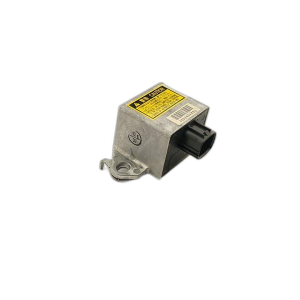
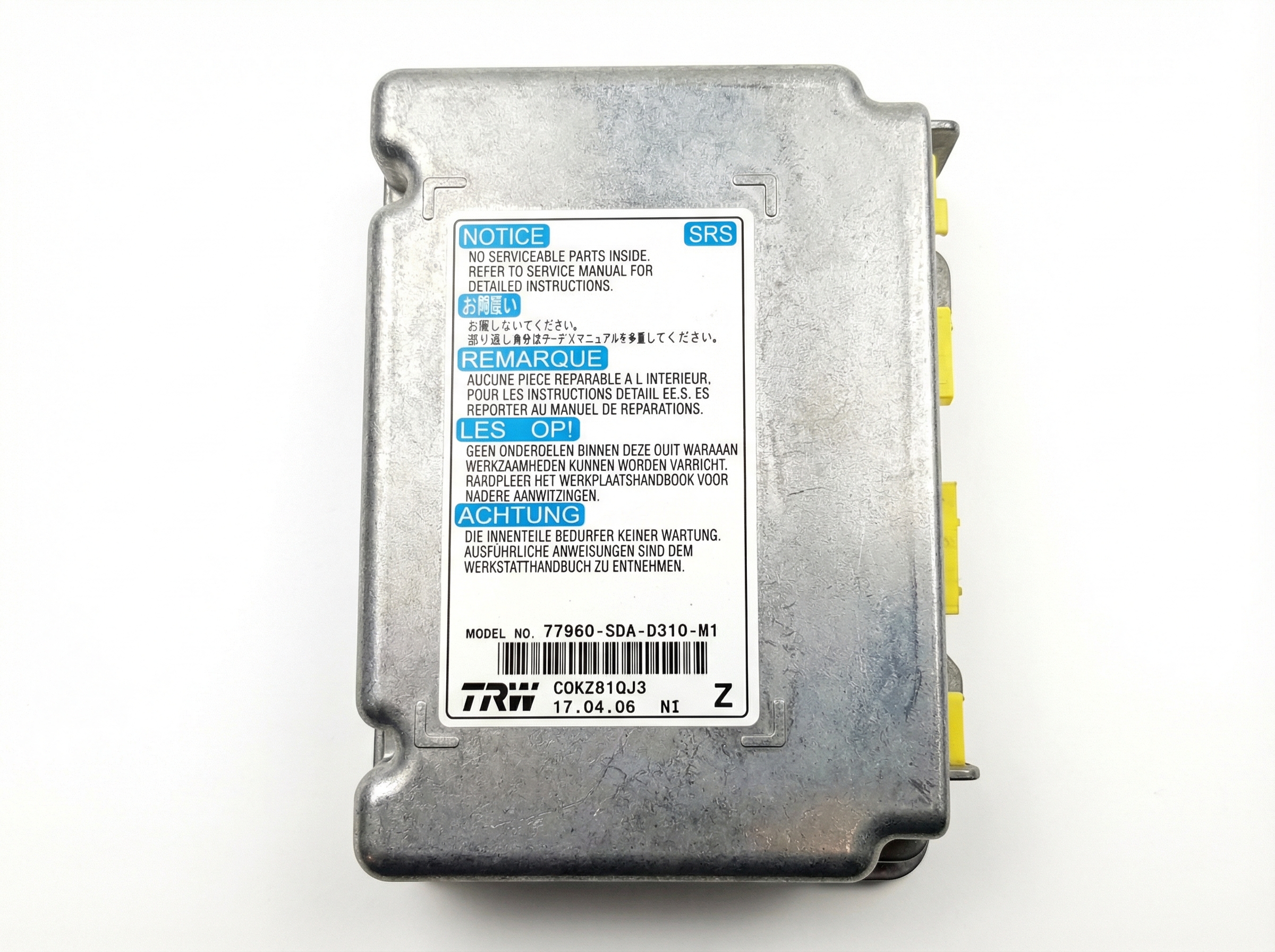
OEM Part Numbers: 88240-48090 88240-48091 88240-48110 88240-48111
Controls the Dynamic Laser Cruise Control system. Requires input from a front-mounted laser sensor and communicates with the engine and brake control systems.
We Have This Part in Stock



The information in this article is provided for general reference and educational purposes only. Vehicle specifications, procedures, and part compatibility can vary by production date, trim level, and region. Always consult your vehicle's factory service manual and verify part numbers before purchasing or performing repairs. Safety-critical components such as airbags, seat belts, and braking systems should be installed by a qualified professional.
- Lexus RX330:
- 🛍️ Shop This Part
- Understanding the 2004 RX330's Optional Laser Cruise Control
- Known Issues, TSBs, and Recalls
- Symptoms of a Failing Laser Cruise Control Module
- Diagnosing the System
- Buying a Used 2004 RX330 Laser Cruise Control Module
- Compatibility and Part Numbers
- Programming and Calibration
- What to Inspect on a Used Part
- Cost of Replacement
- Frequently Asked Questions
- 🎟️ Get 5% Off