

2019-2024 Subaru Ascent Side Impact Sensor Failure: SRS Light Diagnosis
A guide to diagnosing and replacing the B-pillar and rear crash sensors (P/N 98237XC00A) that cause the airbag warning light to stay on.
- An illuminated SRS airbag light means the entire airbag system is disabled and will NOT deploy in a crash. The vehicle is unsafe to drive.
- The correct part for side/rear impacts in the B-pillar and quarter panel is P/N 98237XC00A. Front bumper and front door sensors are different parts.
- After replacing a sensor, the airbag module's memory must be cleared with a Subaru-compatible scan tool, as per TSB 07-149-19.
- When buying used, inspect the sensor for physical damage and corrosion, and always verify it did not come from a flood-damaged or heavily side-impacted vehicle.
What Goes Wrong and Why It Matters
The most common sign of a problem with a side impact sensor is a solid, illuminated SRS (Supplemental Restraint System) airbag warning light on your dashboard. It's crucial to understand that this is not just a minor warning. When the SRS light is on, the entire airbag system is disabled as a safety precaution. This means none of the airbags will deploy in an accident, placing all occupants at a significantly higher risk of injury.
Warning: Do not drive a vehicle with the SRS airbag warning light illuminated. The safety systems are inactive and will not protect you in a crash.
Symptoms of Failure
Diagnosing a faulty impact sensor is straightforward, as the symptoms are not subtle.
- Solid SRS/Airbag Warning Light: This is the primary and often only symptom. The light will come on and stay on, indicating the Airbag Control Module has detected a fault in the system.
- Stored Diagnostic Trouble Codes (DTCs): To identify which sensor has failed, you must use an OBD2 scanner capable of reading SRS codes. 🎬 See how to reset your airbag warning light The code will point to a specific sensor location, such as "Side Airbag Sensor Left B-Pillar Circuit Malfunction." Common sensor-related DTCs for this vehicle generation include B1610, B1615, B1620, B1625, B1630, and others.
The failure itself is often caused by moisture and corrosion on the sensor's electrical connector, or from physical damage, sometimes from a previous minor accident that wasn't severe enough to deploy the airbags.
Part Numbers and Locations: Getting the Right Sensor
It is extremely important to get the correct sensor for the correct location. The sensors for the side, front, and doors are different parts and are not interchangeable. Using the wrong part will not fix the problem.
| Location | Part Number(s) | Description |
|---|---|---|
| Side & Rear (B-Pillar, Quarter Panel) | 98237XC00A | This is the primary sensor for side impacts, located on the vehicle's pillars and in the rear quarter panel area. This is the part covered in this guide. |
| Front Bumper Area | 98231XC00A | This sensor is located at the front of the vehicle and detects frontal collisions. It is a different part. |
| Inside Front Doors | 98237XC03A | This sensor is typically a pressure sensor located inside the front door shell. It is a different part from the B-pillar sensor. |
Known Issues, Recalls, and Technical Service Bulletins (TSBs)
While there are no specific recalls for this side impact sensor on the 2019-2024 Ascent, there are important official communications from Subaru.
TSB 07-149-19: Clearing SRS Codes After Repair
Subaru issued a technical service bulletin for the 2019 Ascent that is critical for this repair. It states that after replacing any airbag system sensor, a technician must use the Subaru Select Monitor 4 (or equivalent high-end scan tool) to perform the "Clear Memory" function. Simply clearing codes with a basic scanner may not work, and the airbag light could remain on even with the new part installed. This step is mandatory to confirm the repair is complete.
Recall 22V907000: PTC Heater Fire Risk
A significant safety recall was issued for 2019-2022 Subaru Ascent models concerning an improperly fastened ground bolt for the PTC heater. This can cause overheating and create a fire risk in the driver's footwell area. While unrelated to the impact sensors, it's a critical safety issue for all owners of these vehicles to be aware of and have addressed by a dealer.
Buying a Used Side Impact Sensor
A used OEM sensor is a reliable and cost-effective solution, provided you inspect it carefully. For a critical safety component like this, a trusted recycled OEM part is a far better choice than a cheap, uncertified aftermarket alternative.
- Match the Part Number: Ensure the part number is an exact match: 98237XC00A. Do not substitute with other sensor types.
- Inspect the Connector: Look closely at the electrical connector pins. They should be straight, clean, and free of any green or white powder, which indicates corrosion from water damage.
- Check the Housing: The plastic housing should be free of cracks or any signs of physical stress.
- Avoid Collision/Flood Parts: Never purchase a sensor that came from a vehicle involved in a heavy side-impact collision or a flood. While a sensor from a car with a minor front-end collision is likely fine, one from a car with water damage or a deployed side airbag carries too much risk.
Replacement and Diagnosis
Replacing a side impact sensor is feasible for a careful DIYer, but it involves working with the SRS system, which requires strict adherence to safety procedures.
Pro Tip: Before buying a new sensor, first locate the faulty one (based on your scan tool's code) and inspect its electrical connector. Sometimes, simply unplugging, cleaning the contacts, and reconnecting it securely can fix the problem.
Replacement Steps
- DISCONNECT THE BATTERY. This is the most important step. Disconnect the negative battery terminal and wait at least 10-15 minutes for the SRS system's backup power to fully discharge.
- Access the Sensor: You will need to remove interior plastic trim panels to access the sensor. For B-pillar sensors, this involves removing the lower scuff plate and the B-pillar trim. For quarter panel sensors, this may involve removing parts of the rear seat and the side trim panels. Use plastic trim removal tools to avoid breaking clips.
- Locate and Remove: The sensor is a small plastic box, usually held to the vehicle's body by one or two 10mm bolts. Unplug the yellow SRS connector, then unbolt the sensor.
- Install the New Sensor: Bolt the new sensor in place. Ensure it is mounted securely. Plug in the electrical connector until it clicks.
- Reassemble and Reconnect: Reinstall the interior trim panels. Only then should you reconnect the negative battery terminal.
- Clear Codes: Turn the ignition on. The SRS light may go out on its own, but as per TSB 07-149-19, it is essential to use a capable scan tool to perform the "Clear Memory" function to ensure the fault is permanently cleared from the Airbag Control Module.
Cost Comparison
| Item | Estimated Cost |
|---|---|
| New OEM Sensor | $30 - $50 |
| New Aftermarket Sensor | Not Recommended |
| Used OEM Sensor | $15 - $40 |
| Shop Labor (per sensor) | $150 - $225 |
Frequently Asked Questions (FAQ)
Can I drive my Ascent with the airbag light on?
No. It is extremely unsafe. An illuminated airbag light means the entire SRS system, including all airbags and seatbelt pretensioners, is disabled and will not function in an accident.
Will the airbag light turn off by itself after I replace the sensor?
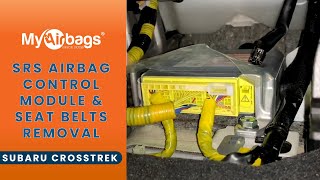
It might, but it is not guaranteed. Subaru issued a specific Technical Service Bulletin (07-149-19) stating that the Airbag Control Module's memory 🎬 Watch: How to remove a Subaru airbag control module must be cleared with a professional-grade scan tool to finalize the repair and ensure the light stays off.
Are the left and right side impact sensors the same part?
Yes, for the B-pillar and quarter panel locations, part number 98237XC00A is used for both the left and right sides of the vehicle.
Why can't I just buy a cheap aftermarket sensor?
Airbag sensors are precisely calibrated for the specific vehicle's weight, structure, and crash dynamics. An uncertified aftermarket sensor may not trigger correctly—or at all—in an accident, creating a massive safety risk. Given the low cost of a used OEM sensor, the savings are not worth the gamble.
Helpful Videos

Technical Specifications
OEM Part Numbers: 98237XC00A 98231XC00A 98237XC03A
Detects side and rear-quarter impacts to trigger side curtain airbags and seatbelt pretensioners.

The information in this article is provided for general reference and educational purposes only. Vehicle specifications, procedures, and part compatibility can vary by production date, trim level, and region. Always consult your vehicle's factory service manual and verify part numbers before purchasing or performing repairs. Safety-critical components such as airbags, seat belts, and braking systems should be installed by a qualified professional.
- Subaru Ascent:
- 🎬 Helpful Videos
- What Goes Wrong and Why It Matters
- Symptoms of Failure
- Part Numbers and Locations: Getting the Right Sensor
- Known Issues, Recalls, and Technical Service Bulletins (TSBs)
- TSB 07-149-19: Clearing SRS Codes After Repair
- Recall 22V907000: PTC Heater Fire Risk
- Buying a Used Side Impact Sensor
- Replacement and Diagnosis
- Replacement Steps
- Cost Comparison
- Frequently Asked Questions (FAQ)
- 🎟️ Get 5% Off