

2004-2008 Chrysler Crossfire Coolant Reservoir: Cracks, Leaks, and Replacement
Learn to spot the signs of a failing coolant tank, what to look for in a used replacement, and how to prevent overheating in your Crossfire.
- The most common failure is the plastic becoming brittle, leading to cracks along the seams or a broken overflow hose nipple on top.
- This part is identical to the coolant reservoir on the Mercedes-Benz R170 SLK-Class (part number A1705000649), which expands your options for sourcing a replacement.
- When replacing the reservoir, it is highly recommended to also replace the coolant cap to ensure the system can maintain proper pressure.
- Do not attempt to repair a cracked tank with epoxy; it is a temporary fix at best and will likely fail under pressure and heat.
Known Issues & Vehicle-Specific Information

The 2004-2008 Chrysler Crossfire is mechanically based on the Mercedes-Benz R170 SLK-Class, which means it shares many parts, including the coolant reservoir. The most common failure for this part is the plastic becoming brittle from thousands of heat cycles and constant pressure. This leads to cracks and leaks, which is a widely reported issue among owners.
Two specific weak points are frequently mentioned:
- Hairline cracks along the seams: The tank is typically molded in two halves, and the seam where they are joined is a common point of failure.
- Broken hose nipples: The small plastic nipple for the overflow/return hose at the top of the tank is notoriously fragile and often breaks off. This is perhaps the most common failure reported by Crossfire owners.
Pro Tip: Because the Crossfire shares its platform with the Mercedes-Benz SLK230 and SLK320 (R170), searching for a coolant reservoir for those models will yield more options. The part is identical.
Symptoms of a Failing Coolant Reservoir

A bad coolant tank will produce several clear warning signs. Ignoring them can lead to engine overheating and severe damage.
- Low Coolant Warning Light: The most direct indicator is the low coolant light on your dashboard. This means the level sensor inside the tank has detected a drop in fluid.
- Visible Coolant Leaks: You may see puddles of pink or orange fluid under the front, passenger side of your car. You might also notice white or pink crusty residue on the tank itself or on components below it.
- Sweet Smell: Leaking coolant has a distinct sweet smell. If you notice this odor after driving, it's a strong sign of a leak in the cooling system.
- Engine Running Hot: If the coolant level drops significantly, your engine's temperature gauge may start to climb higher than normal, putting the engine at risk of overheating.
- Visible Cracks: A visual inspection may reveal fine cracks, yellowing, or brittleness in the plastic tank. The area around the hose connections and seams are the most likely places to find damage.
Warning: Never attempt to open the coolant reservoir cap when the engine is hot. The system is under pressure and can spray scalding hot coolant, causing serious burns. Always wait for the engine to cool down completely.
Buying a Used Coolant Reservoir: Inspection Guide

A used OEM reservoir from a low-mileage vehicle can be a smart, budget-friendly choice, offering better fitment than many aftermarket alternatives. However, careful inspection is critical due to the nature of plastic parts.
Inspection Checklist:
- Check for Cracks: Using a bright flashlight, meticulously inspect the entire tank, paying close attention to the main seam that runs around the middle, the filler neck, and the base of all hose nipples. Bend and flex the part slightly to reveal any hidden hairline cracks.
- Test the Nipples: Gently try to wiggle the hose connections, especially the small, fragile one on top. They should feel solid and robust. If they feel brittle, chalky, or show any signs of stress, reject the part.
- Look Inside: Peer inside the tank. It should be relatively clean. Heavy sludge, thick sediment, or an oily, milky film are red flags that the donor vehicle may have had a serious engine issue like a blown head gasket.
- Verify Ports: Confirm that the hose connector locations and the port for the coolant level sensor match your original part. While Crossfires generally have one configuration, it's a crucial verification step.
- Note Included Components: Verify if the sale includes the cap and the coolant level sensor. Often, these are not included. It is highly recommended to install a new reservoir cap, as the old one's seals may be worn, preventing the system from holding pressure correctly.
Replacement Overview

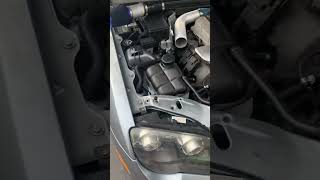
Replacing the coolant reservoir is a straightforward job 🎬 Watch this step-by-step Crossfire coolant reservoir replacement guide suitable for a DIY mechanic with basic tools.
- Difficulty: 2 out of 5
- Estimated Time: 1 hour
- Tools Needed: Pliers (for hose clamps), 10mm socket and ratchet, flathead screwdriver, drain pan.
Step-by-Step Process:
- Ensure the engine is completely cool.
- Place a drain pan under the reservoir to catch any spills.
- Slowly open the reservoir cap to release any residual pressure.
- Disconnect the electrical connector from the coolant level sensor at the bottom of the tank.
- Using pliers, squeeze the tabs on the hose clamps and slide them down the hoses. Gently twist and pull the hoses off the reservoir.
- Remove the two 10mm bolts holding the top of the reservoir to the bracket.
- The tank is secured at the bottom by a post that fits into a rubber grommet. Pull firmly upwards to pop the tank out of the grommet. Some lubrication like WD-40 can help if it's stuck.
- If your replacement tank doesn't include them, transfer the coolant level sensor (it twists to lock/unlock) and cap to the new tank. Using a new cap is strongly recommended.
- Installation is the reverse of removal. Seat the bottom post into the grommet, install the two bolts, and reconnect the hoses and sensor.
- Refill the system with the correct coolant (HOAT G-05 specification) to the fill line indicated by the white plastic marker inside the tank. Do not overfill.
- Start the engine with the heater on high and the cap off to bleed any air out of the system. Let it run until the thermostat opens and the coolant level stabilizes. Top off as needed and then secure the cap.
Cost Comparison
| Part Type | Estimated Cost |
|---|---|
| New OEM (Chrysler/Mercedes) | $95 - $150 |
| New Aftermarket | $80 - $170 |
| Used OEM | $45 - $75 |
| Shop Labor | $61 - $127 |
Recalls and Technical Service Bulletins (TSBs)
As of mid-2024, there are no specific recalls or TSBs from Chrysler or the NHTSA directly addressing the coolant reservoir for the 2004-2008 Crossfire. However, a common DIY repair discussed in owner forums involves tapping the broken plastic nipple and installing a more durable brass hose barb fitting as a permanent fix.
Frequently Asked Questions (FAQ)
Can I repair a cracked coolant tank with epoxy or sealant?
This is not recommended as a permanent solution. The cooling system operates under significant pressure and temperature swings, and most sealants will eventually fail, leaving you stranded. A proper replacement is the only reliable repair.
What type of coolant should I use in my Chrysler Crossfire?
The Chrysler Crossfire requires a Hybrid Organic Additive Technology (HOAT) coolant, often specified as G-05. Using the correct coolant is critical to prevent corrosion and damage to the cooling system. Always mix with distilled water, never tap water.
Is the Mercedes-Benz SLK coolant tank really the same part?
Yes, the coolant reservoir for the 2004-2008 Crossfire is identical to the one used on the Mercedes-Benz R170 platform SLK230 and SLK320. The Mercedes part number is A1705000649.
My coolant level is low, but the warning light isn't on. What's wrong?
This could indicate a failure of the coolant level sensor located at the bottom of the reservoir. It's also possible the coolant level has not yet dropped far enough to trigger the sensor. In some cases, owners have reported the tank being nearly empty without the light activating, suggesting potential sensor or wiring issues.
Helpful Videos
Technical Specifications
OEM Part Numbers: 05101601AA 5101601AA 1705000649 A1705000649
Material: Plastic. Coolant Type: HOAT (G-05 Specification)

The information in this article is provided for general reference and educational purposes only. Vehicle specifications, procedures, and part compatibility can vary by production date, trim level, and region. Always consult your vehicle's factory service manual and verify part numbers before purchasing or performing repairs. Safety-critical components such as airbags, seat belts, and braking systems should be installed by a qualified professional.
- Chrysler Crossfire:
- 🎬 Helpful Videos
- Known Issues & Vehicle-Specific Information
- Symptoms of a Failing Coolant Reservoir
- Buying a Used Coolant Reservoir: Inspection Guide
- Inspection Checklist:
- Replacement Overview
- Step-by-Step Process:
- Cost Comparison
- Recalls and Technical Service Bulletins (TSBs)
- Frequently Asked Questions (FAQ)
- 🎟️ Get 5% Off